
Close Menu
    Follow us on Google News
    Follow Livewell Magazine on Google News
    Facebook X (Twitter) Instagram
    LiveWell Magazine
    Facebook
    Follow LiveWell Magazine on Google News
    • Cancer

      What are the key actions you should take following a mesothelioma diagnosis?

      June 19, 2026

      The “Silent Killer”: 2 Hidden Signs of Pancreatic Cancer You Can Spot Years in Advance

      April 20, 2026

      Barry Manilow Opens Up About Embracing Healthier Lifestyle Choices During His Cancer Battle

      April 8, 2026

      Healthy Dad’s Unexpected Cancer Diagnosis Revealed After Ignoring Nighttime Bathroom Trips: ‘A Heartbreaking Surprise’

      February 22, 2026

      BREAKING NEWS: Gene therapy for sickle cell disease: a medical breakthrough still out of reach for many

      December 29, 2025
    • Fitness

      Unveiling the Science Behind Why Exercise Feels Tough for Many: Insights and Solutions

      June 27, 2026

      How can you revitalize your cardiovascular health with 8 engaging cardio tips for the reluctant fitness enthusiast?

      June 26, 2026

      Easy Habits to Make Your Workouts Feel Effortless

      June 25, 2026

      What are the top 5 strategies to walk faster and torch more calories?

      June 24, 2026

      Which workout reigns supreme in the ultimate fitness challenge?

      June 15, 2026
    • Health

      How to choose a supplement for dizziness and balance problems

      July 10, 2026

      How vestibular supplements work: Science behind balance and dizziness relief

      July 10, 2026

      Causes of vertigo: Common triggers and when to see a doctor

      July 10, 2026

      How to choose a joint supplement: Evidence-based checklist for better mobility

      July 10, 2026

      How collagen, glucosamine and turmeric work to support mobility

      July 10, 2026
    • Lifestyle

      How Daily Walks Unexpectedly Influence Your Appetite: Insights from Experts

      July 24, 2026

      Daily Rituals to Boost Hair Strength and Health

      July 21, 2026

      Building Healthy Habits in the First 30 Days of School: Setting Kids Up for Long-Term Success

      July 20, 2026

      The Key Habits I Embrace at 56 to Stay Strong and Vibrant into My 80s

      July 19, 2026

      Evening Habits Backed by Experts to Naturally Reduce Your Blood Pressure

      July 18, 2026
    • Nutrition

      Top 7 Heart-Friendly Foods to Enjoy This July, Recommended by Expert Dietitians

      July 20, 2026

      Expert-Recommended Food Combinations That Boost Nutrient Absorption

      July 14, 2026

      Top 10 Most Beneficial Teas to Sip, Backed by Nutrition Experts

      July 12, 2026

      Daily Avocado Toast: What Registered Experts Reveal About Its Impact on Your Health

      July 8, 2026

      The Ideal After-Dinner Drink for Managing High Cholesterol

      July 6, 2026
    • Senior

      Doctors Reveal the Key Mindset Shift That Boosts Health After 65

      July 6, 2026

      How is the rise of telehealth benefiting senior citizens?

      June 4, 2026

      What are the essential approaches for promoting high-quality senior care and independence?

      May 6, 2026

      Nurturing Your Gut After 50: 7 Essential Habits for Lasting Digestive Wellness

      April 3, 2026

      Nourishing Your Golden Years: 10 Essential Nutrition Habits to Promote Healthy Aging and Maintain Independence After 60

      March 27, 2026
    • Trends

      Why is Zhiyin Zhou advocating for a human-centered approach in AI healthcare evolution?

      June 25, 2026

      What are the innovative approaches to autism therapy by psychologist Valeriia Manchuk?

      June 15, 2026

      What are the innovative techniques in permanent makeup for aesthetic and restorative purposes?

      June 2, 2026

      How could the 7 surprising travel trends of 2026 disrupt your wellness plans and how can you navigate them?

      April 15, 2026

      Which innovative skincare trends will shape the industry in 2026 according to Uliana-Sofiia Savchenko?

      April 6, 2026
    • Wellness

      Glow Up Like a Hip-Hop Star: Essential Skin Care Habits for Radiant, Celebrity-Style Skin

      July 23, 2026

      Dr. Oz Shares 3 Simple, Medication-Free Strategies to Enhance Your Health for Free

      July 12, 2026

      How will new European taxes to combat overtourism affect your travel wellness?

      June 26, 2026

      How could the travel advisory for Nepal amid political turmoil affect your travel wellness?

      June 25, 2026

      How will American Airlines’ new luxury experience impact your travel wellness?

      June 23, 2026
    Subscribe
    LiveWell Magazine
    Home»Cancer»Why every expert is now talking about cancer (and you should too)
    Cancer

    Why every expert is now talking about cancer (and you should too)

    Amelie GoujonBy Amelie GoujonNo Comments
    Facebook Twitter Email WhatsApp Pinterest LinkedIn Reddit Telegram Threads
    Share
    Facebook Twitter LinkedIn Email Reddit Telegram WhatsApp Threads

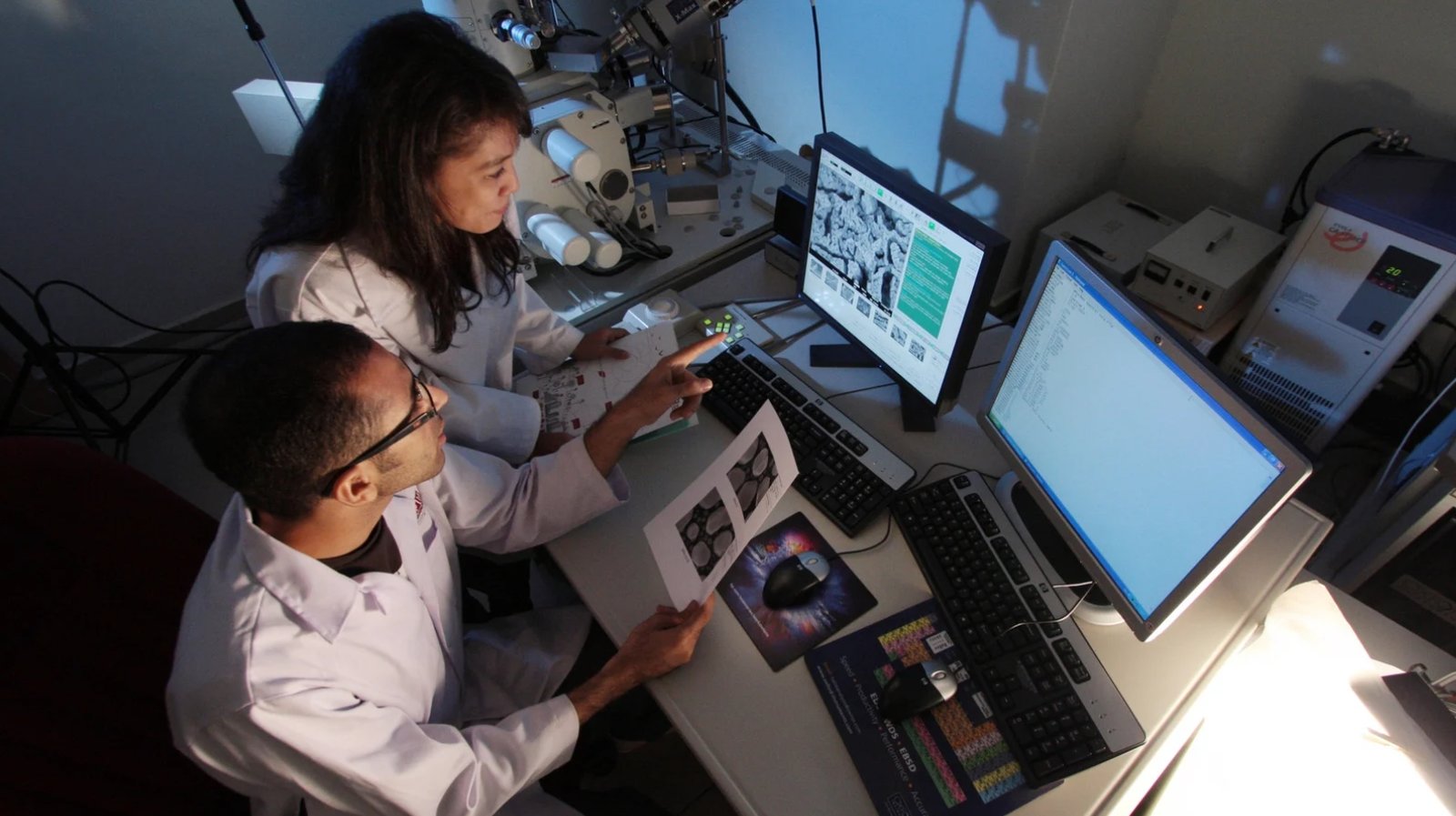
    Cancer is no longer just a topic for oncologists or hospital rooms. It’s a global conversation that is gaining momentum across labs, clinics, public forums, and family dinner tables. Researchers, doctors, and health journalists alike are urging us all to pay closer attention.

    As a health journalist, doctor, molecular researcher, and oncologist, I’ve seen firsthand how rapidly this field is evolving—and why it matters to every one of us. Today, understanding cancer isn’t just about treatment. It’s about prevention, early action, and changing how we talk about the most complex disease of our time.

    Why cancer is back at the center of medical discourse

    The pandemic disrupted nearly every aspect of modern medicine—and cancer care was no exception. Screenings were delayed, diagnoses missed, and treatments postponed. Now, medical communities worldwide are witnessing a resurgence of advanced-stage cancers that could have been caught earlier.

    This renewed urgency is driving conversations around detection and accessibility. Doctors are speaking louder about prevention, researchers are pushing the boundaries of diagnostics, and public health campaigns are working to close the information gap that keeps many patients in the dark too long.

    The science is moving fast—and bringing new hope

    Recent advances in precision medicine, immunotherapy, and liquid biopsies are rewriting the way we approach cancer. Instead of generic treatments, we now tailor therapy based on a tumor’s specific genetic profile. Immunotherapies activate the body’s own immune system to fight cancer, offering new lifelines to patients who once had few options.

    Liquid biopsies, which analyze fragments of tumor DNA from a simple blood sample, are making early detection easier and less invasive. This technology has the potential to catch cancer before symptoms appear—a shift that could transform survival rates in the coming years.

    Related Article :  Wearable health devices: the future of personalized medicine?

    It’s not just about treatment—it’s about prevention

    Many cancers can be prevented or caught early through lifestyle choices and routine screenings. Yet public awareness remains uneven. Smoking, alcohol use, poor diet, inactivity, and sleep disruption all play roles in increasing cancer risk. The more we understand these factors, the more we can intervene early.

    As a doctor and nutritionist, I always emphasize that small daily changes can have long-term impact. Weight management, proper sleep, exercise, and a diet rich in antioxidants and fiber are protective across multiple cancer types. Empowering people with this knowledge is as important as advancing drugs in a lab.

    Cancer is becoming a chronic—but manageable—condition

    In many cases, cancer is no longer an automatic death sentence. Thanks to early detection and better therapies, it’s becoming a chronic illness—similar to diabetes or heart disease—that patients live with and manage over time. This reality is changing the emotional and social narrative around cancer.

    However, disparities in outcomes still exist. Access to care, income level, race, and geography all influence prognosis. That’s why the conversation must expand beyond science to include equity, access, and education. The goal is not just more treatment—it’s better care for everyone, everywhere.

    Why we all need to be part of the conversation

    • 1 in 2 people will face a cancer diagnosis in their lifetime or close family circle
    • Early detection remains the single biggest factor in survival
    • Preventative habits reduce risk and improve long-term outcomes
    • Open discussion helps break stigma and encourages informed action

    By engaging in conversations about cancer—at home, in the workplace, online—we shift it from taboo to teachable. We normalize screening, support research, and drive funding where it’s needed most. We also empower ourselves and others to act sooner and live better.

    Related Article :  What cancer screenings you need at every age

    Every expert is talking about cancer because the stakes are high—but so is the progress. This is no longer a story of fear and finality. It’s one of discovery, prevention, and resilience. Understanding cancer today means being equipped, not overwhelmed.

    Whether it’s booking your next checkup, supporting a friend, or staying informed, your voice matters in this conversation. Cancer touches us all—and the more we talk about it, the more we can do about it.

    Follow on Google News
    Share. Facebook Twitter LinkedIn Email WhatsApp Reddit Telegram Threads Copy Link
    Previous ArticleNew insomnia drug shows promise without risk of dependency
    Next Article Heat & heart: what older adults should know before exercising in summer
    Avatar photo
    Amelie Goujon

    Amélie has been working in the health sector for over 15 years and now serves as an online journalist specializing in healthy living. Her background in healthcare gives her articles a solid foundation of credibility and empathy. Passionate about wellness, nutrition, and prevention, she translates complex medical topics into clear, accessible content for a wide audience. Through her writing, Amélie aims to empower readers to make informed choices and adopt healthier daily habits.

    Continue reading

    Why is Zhiyin Zhou advocating for a human-centered approach in AI healthcare evolution?

    By Amelie Goujon

    What are the key actions you should take following a mesothelioma diagnosis?

    By Amelie Goujon

    What are the innovative approaches to autism therapy by psychologist Valeriia Manchuk?

    By Amelie Goujon

    What are the innovative techniques in permanent makeup for aesthetic and restorative purposes?

    By Amelie Goujon

    The “Silent Killer”: 2 Hidden Signs of Pancreatic Cancer You Can Spot Years in Advance

    By FRANK JOST

    How could the 7 surprising travel trends of 2026 disrupt your wellness plans and how can you navigate them?

    By Amelie Goujon

    Barry Manilow Opens Up About Embracing Healthier Lifestyle Choices During His Cancer Battle

    By FRANK JOST

    Which innovative skincare trends will shape the industry in 2026 according to Uliana-Sofiia Savchenko?

    By Amelie Goujon

    Transparency at HHS: How the New “Radical Transparency” Initiative Aims to Expose Big Pharma Conflicts

    By Frank Jost

    Healthy Dad’s Unexpected Cancer Diagnosis Revealed After Ignoring Nighttime Bathroom Trips: ‘A Heartbreaking Surprise’

    By FRANK JOST

    How Wearable Technology Could Spark a Revolution in Healthier Living

    By FRANK JOST

    Early cholesterol treatment in kids may prevent heart disease for life

    By FRANK JOST
    Add A Comment
    Leave A Reply Cancel Reply

    Subscribe to Our Newsletter

    Join the Live Well Magazine Newsletter and get exclusive tips on health, wellness, lifestyle, and personal growth — straight to your inbox.

    Trending

    How Daily Walks Unexpectedly Influence Your Appetite: Insights from Experts

    Glow Up Like a Hip-Hop Star: Essential Skin Care Habits for Radiant, Celebrity-Style Skin

    Inside the Plates of Food Safety Experts Amid the Cyclospora Outbreak

    Top 6 Foods to Avoid for High Cholesterol: Expert Insights from Cardiologists and Dietitians

    Preventive Health

    Modifiable Risk Factors to Reduce Your Dementia Risk

    Mental Health

    Transform Your Mind: The Neuroscience Behind Quitting Complaints for Just One Week

    Facebook
    • About us
    • Contact us
    • Contributors
    • Legal
    • Privacy
    © 2026 livewellmagazine.org.

    Type above and press Enter to search. Press Esc to cancel.