
Close Menu
    Follow us on Google News
    Follow Livewell Magazine on Google News
    Facebook X (Twitter) Instagram
    LiveWell Magazine
    Facebook
    Follow LiveWell Magazine on Google News
    • Cancer

      The “Silent Killer”: 2 Hidden Signs of Pancreatic Cancer You Can Spot Years in Advance

      April 20, 2026

      Barry Manilow Opens Up About Embracing Healthier Lifestyle Choices During His Cancer Battle

      April 8, 2026

      Healthy Dad’s Unexpected Cancer Diagnosis Revealed After Ignoring Nighttime Bathroom Trips: ‘A Heartbreaking Surprise’

      February 22, 2026

      BREAKING NEWS: Gene therapy for sickle cell disease: a medical breakthrough still out of reach for many

      December 29, 2025

      How Your Drinking Habits Could Significantly Increase Your Cancer Risk

      December 28, 2025
    • Fitness

      Why does every step matter in your unique running journey?

      May 21, 2026

      How does age impact athletic prowess and power?

      May 19, 2026

      How can you stay active and healthy by embracing winter fitness with outdoor sports?

      May 14, 2026

      How does afternoon exercise transform your blood sugar levels?

      May 7, 2026

      At 100, the ‘First Lady of Fitness’ Shares Her Daily Workout Secrets and One Must-Have Food

      April 15, 2026
    • Health

      How can fast verification tools transform patient care and enhance health outcomes?

      May 15, 2026

      How can you choose the best functional medicine doctor for your health journey?

      May 5, 2026

      How can better patient-doctor communication help you stay on track with your medication?

      April 8, 2026

      What can an infectious disease doctor’s experiences in Kazakhstan and America teach us about global health?

      April 3, 2026

      Federal Judge Hits Pause on HHS Secretary Kennedy’s Vaccine Policy Overhaul

      March 18, 2026
    • Lifestyle

      Can these 6 yoga poses provide instant relief for your period cramps?

      May 28, 2026

      How will the new travel advisory for individuals with “x” gender markers affect your travel wellness?

      May 22, 2026

      What are the surprising life lessons from a freezing cold experience in rural Japan?

      May 11, 2026

      What are some simple tips for maintaining a clean dog mouth?

      May 4, 2026

      How can you break free from the sitting trap and revitalize your life?

      April 22, 2026
    • Nutrition

      Could a daily glass of orange juice be the secret to heart health and longevity?

      June 3, 2026

      Which 14 superfoods can help boost your heart health and slash cholesterol?

      June 2, 2026

      Which foods should you select to protect against age-related health concerns?

      June 1, 2026

      How could eating pickles daily affect your blood pressure?

      May 25, 2026

      Which are the 6 surprising foods that could be sabotaging your health?

      May 22, 2026
    • Senior

      What are the essential approaches for promoting high-quality senior care and independence?

      May 6, 2026

      Nurturing Your Gut After 50: 7 Essential Habits for Lasting Digestive Wellness

      April 3, 2026

      Nourishing Your Golden Years: 10 Essential Nutrition Habits to Promote Healthy Aging and Maintain Independence After 60

      March 27, 2026

      Wound Care Revolution: How a New Medicare Payment System Aims to Cut Waste in Senior Care

      March 19, 2026

      The $2,000 Cap is Here: How the New Annual Out-of-Pocket Drug Limit Saves Seniors Thousands

      March 17, 2026
    • Trends

      What are the innovative techniques in permanent makeup for aesthetic and restorative purposes?

      June 2, 2026

      How could the 7 surprising travel trends of 2026 disrupt your wellness plans and how can you navigate them?

      April 15, 2026

      Which innovative skincare trends will shape the industry in 2026 according to Uliana-Sofiia Savchenko?

      April 6, 2026

      Transparency at HHS: How the New “Radical Transparency” Initiative Aims to Expose Big Pharma Conflicts

      March 13, 2026

      How Wearable Technology Could Spark a Revolution in Healthier Living

      February 5, 2026
    • Wellness

      Could Spain being crowned the top digital nomad destination of 2026 benefit your work-life wellness?

      June 1, 2026

      How can heartfelt reunions at U.S. airports enhance your emotional wellness?

      May 28, 2026

      How will the loss of Bali’s private beaches affect your wellness travel?

      May 27, 2026

      How will the new sleeper train connecting Basel, Copenhagen, and Malmö enhance your travel wellness in 2026?

      May 26, 2026

      How can you revitalize your skin with the Ulike red light therapy mask?

      May 26, 2026
    Subscribe
    LiveWell Magazine
    Home»Cancer»Skin deep: preventing and treating melanoma
    Cancer

    Skin deep: preventing and treating melanoma

    FRANK JOSTBy FRANK JOSTNo Comments
    Facebook Twitter Email WhatsApp Pinterest LinkedIn Reddit Telegram Threads
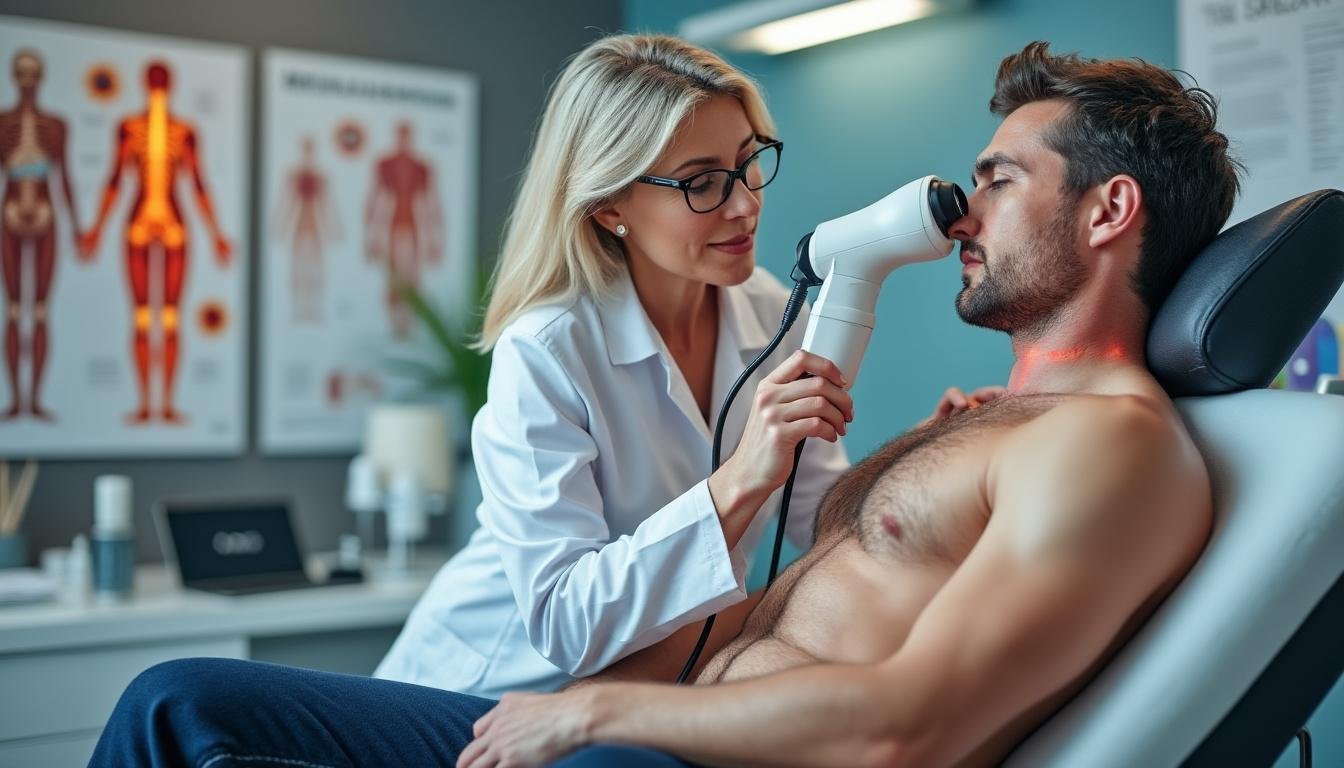
    discover effective strategies for preventing and treating melanoma. learn about early detection, risk factors, and the latest treatments to protect your skin and overall health.
    Share
    Facebook Twitter LinkedIn Email Reddit Telegram WhatsApp Threads

    In 2025, melanoma remains one of the deadliest and most challenging forms of skin cancer, affecting tens of thousands annually. While a radiant tan often symbolizes health and vitality, it simultaneously signals increased exposure to harmful ultraviolet (UV) radiation—a primary risk factor for melanoma. The interplay of genetics, environment, and lifestyle choices shapes each individual’s vulnerability. Fortunately, modern advances in early detection, non-invasive diagnostics, and precision immunotherapies are radically improving survival rates. Leading medical centers now report that with early-stage diagnosis, which currently accounts for over 60% of cases, survival chances soar close to 98%. But vigilance remains crucial, as does broad-spectrum protection, including trusted brands such as Neutrogena, La Roche-Posay, and EltaMD offering effective sunscreens to shield against UV harms. This article explores the forefront of melanoma prevention and treatment, spotlighting breakthroughs that could redefine cancer care for many.

    Understanding Melanoma Risks: Key Factors Behind Skin Cancer

    Melanoma develops primarily due to complex interactions between genetic makeup and environmental factors, making prevention a multifaceted challenge. Among the most critical elements are:

    • Ultraviolet (UV) Radiation Exposure: The leading environmental cause accounting for approximately 80% of melanoma cases in fair-skinned populations, especially in sun-exposed regions like the face and neck.
    • Indoor Tanning: The carcinogen classification of tanning lamps by IARC highlights the serious risks associated with their use, which drastically elevates melanoma likelihood, particularly with frequency and duration of sessions.
    • Genetic Predisposition: Family history and inherited mutations in genes like CDKN2A amplify susceptibility. Certain hereditary syndromes like FAMMM further heighten risk.
    • Fair Skin and Phenotype: Individuals with lighter skin tones, freckles, or light-colored hair produce less protective eumelanin, exposing DNA to greater damage.
    • Age and Immune Status: Older adults and immunosuppressed patients face a compounded risk due to cumulative sun damage and reduced repair mechanisms.
    Related Article :  Targeted radiopharmaceuticals: are radioactive precision drugs the future of senior cancer treatment?

    The complex genetics behind melanoma necessitate ongoing research and personalized strategies, as highlighted by the increasing prominence of biomarker studies and gene profiling to predict individual risk.

    Preventive Measures: Shielding Yourself from Melanoma

    Prevention can dramatically reduce melanoma incidence and includes multiple layers of defense:

    1. Sun Protection: Utilizing broad-spectrum sunscreens such as those from Coppertone, Banana Boat, and Coola, applied conscientiously every two hours and after water exposure is essential. SPF 30 or higher is recommended, with some opting for formulations up to SPF 100 for optimal safety.
    2. Sun-safe Behaviors: Avoiding peak UV hours between 10 a.m. and 4 p.m., wearing protective apparel like wide-brim hats and UV-blocking sunglasses, and seeking shade.
    3. Avoidance of Indoor Tanning: Steering clear of tanning beds, which emit intense UVA and UVB radiation beyond natural levels.
    4. Regular Skin Self-examination: Monthly checks for new or changing moles, sores that do not heal, or changes in sensation or color are vital for early detection.
    5. Professional Skin Screenings: High-risk individuals, including those with fair skin or family histories of melanoma, should undergo regular dermatological evaluations.
    6. Emerging Supplements and Topicals: Studies on antioxidants like nicotinamide and DNA repair enzymes indicate potential adjunctive protection.

    Ensuring wide awareness about these protective steps remains a cornerstone in reducing melanoma’s burden worldwide, as detailed in resources like Live Well Magazine’s guide to cancer screenings.

    Innovations in Early Diagnosis: Non-invasive Techniques and AI Support

    Early detection stands paramount in melanoma survival, with new non-invasive diagnostic modalities reducing unnecessary biopsies and enhancing accuracy. Cutting-edge tools include:

    • Adhesive Patch Biopsy: Captures genetic material from the skin’s surface to assess malignancy without cutting or pain.
    • Reflectance Confocal Microscopy (RCM): Offers high-resolution, real-time images of the skin’s cellular architecture, detecting melanomas earlier with greater precision.
    • Optical Coherence Tomography (OCT): Creates depth-resolved images, useful especially in high-risk patients, though with depth limitations.
    • Electrical Impedance Spectroscopy (EIS): Measures electrical variations between healthy and cancerous tissue to flag suspicious lesions.
    • Raman Spectroscopy: Differentiates biochemical changes in skin cells, potentially reducing unnecessary excisions.
    Related Article :  Healthy Dad’s Unexpected Cancer Diagnosis Revealed After Ignoring Nighttime Bathroom Trips: ‘A Heartbreaking Surprise’

    Moreover, artificial intelligence (AI) and machine learning models are revolutionizing diagnostics by automating image analysis, enhancing clinician accuracy, and speeding up decision-making. For example, ensemble AI models combining techniques often outperform individual algorithms in classifying benign versus malignant lesions.

    This synergy between technology and medicine paves the way for more accessible, cost-effective, and non-invasive early screening programs. Reporting on these advances, Live Well Magazine highlights cutting-edge diagnostic breakthroughs in skin cancer.

    How to Empower Yourself for Early Detection

    • Adopt monthly self-skin examinations; monitor all moles and unusual skin changes.
    • Utilize smartphone apps and teledermatology platforms to consult professionals remotely.
    • Seek expert evaluation promptly for inconsistent moles, sores that won’t heal, or sudden skin changes.

    Modern Treatment Approaches: From Surgery to Personalized Immunotherapy

    Treatment of melanoma is advancing rapidly, offering hope even in advanced stages. The approach depends on tumor stage, location, genetic profile, and patient health.

    • Surgical Excision and Mohs Micrographic Surgery: Primary interventions for localized melanoma, with Mohs surgery optimizing tissue preservation and margin control.
    • Photodynamic Therapy (PDT): Uses targeted light-activated drugs to destroy cancer cells, offering a minimally invasive option in specific cases.
    • Radiotherapy: Particularly useful for inoperable tumors and as an adjuvant to prevent recurrence. Innovations like microbeam radiation therapy enhance tumor targeting while sparing healthy tissue.
    • Chemotherapy: Though less favored due to emerging therapies, remains an option for metastatic melanoma or when other treatments fail.
    • Immunotherapy: The game-changer in melanoma treatment—checkpoint inhibitors like pembrolizumab and nivolumab block tumor-mediated immune suppression, unleashing T-cell attack.
    • Oncolytic Virus Therapy and Cancer Vaccines: New frontiers including T-VEC and mRNA vaccines stimulate the immune system to recognize and eradicate tumors, as detailed in fascinating reads like this article on mRNA cancer vaccines.
    Related Article :  From incurable to manageable: new oral treatments extend life in advanced lung cancer

    Combination and Precision Therapies: The Future of Melanoma Management

    Relying on a single modality isn’t always adequate. Combination therapies, merging immunotherapy, targeted drugs such as BRAF and MEK inhibitors, and traditional treatments, have demonstrated improved outcomes by attacking cancer on multiple fronts.

    Nanotechnology is emerging as a powerful adjuvant, optimizing drug delivery and reducing toxicity. Precision oncology tailors treatments by integrating genomic profiling, biomarker analysis, and AI-driven predictions to select the most effective therapies for individual patients, aiming to enhance efficacy and minimize adverse effects.

    Cutting-edge research is also exploring personalized immunotherapy techniques, such as CAR-T cells engineered to target melanoma-specific antigens, opening potential for highly tailored interventions.

    The continuously evolving landscape of melanoma care reflects a promising trajectory towards better survival and quality of life, thanks to a blend of scientific innovation and personalized medicine.

    For those seeking further insights into the latest immunotherapy advances and revolutionary cancer vaccine progress, explore this comprehensive analysis and a closer look at immune-system training therapies.

    Follow on Google News
    Share. Facebook Twitter LinkedIn Email WhatsApp Reddit Telegram Threads Copy Link
    Previous ArticleSelf-care can make you a better caregiver
    Next Article How sweet it is: Magnet designation for nurses
    Avatar photo
    FRANK JOST
    • Website

    Frank is a seasoned media consultant for LiveWell Magazine, with over two decades of experience in the digital media landscape. His expertise spans online publishing, audience engagement strategies, and health communication. A recognized expert in mutual health insurance, Frank brings a unique perspective that bridges the gap between public health awareness and digital storytelling. He is passionate about making reliable health information accessible to all, and continues to help readers navigate the complexities of wellness and insurance in the digital age. Frank's Linkedin page

    Continue reading

    The “Silent Killer”: 2 Hidden Signs of Pancreatic Cancer You Can Spot Years in Advance

    By FRANK JOST

    Barry Manilow Opens Up About Embracing Healthier Lifestyle Choices During His Cancer Battle

    By FRANK JOST

    Healthy Dad’s Unexpected Cancer Diagnosis Revealed After Ignoring Nighttime Bathroom Trips: ‘A Heartbreaking Surprise’

    By FRANK JOST

    BREAKING NEWS: Gene therapy for sickle cell disease: a medical breakthrough still out of reach for many

    By FRANK JOST

    How Your Drinking Habits Could Significantly Increase Your Cancer Risk

    By FRANK JOST

    Could the time of day you get cancer treatment affect survival? What a new lung cancer study suggests

    By FRANK JOST

    Can exercise lower cancer risk? what the science suggests (and what to do today)

    By Frank Jost

    Cancer myths that won’t quit: the top 4 misconceptions to stop believing

    By Frank Jost

    “Super survivor”: the mental and physical comeback story every older adult needs to read

    By Frank Jost

    Cervical cancer screening is becoming easier — and why that matters for long-term health

    By Tina Nguyen

    Nanomedicine in oncology: tiny particles, big hope for senior cancer survivors

    By Frank Jost

    Tumor microenvironment drugs: a new way to boost weakened immune systems in seniors

    By Frank Jost
    Add A Comment
    Leave A Reply Cancel Reply

    Subscribe to Our Newsletter

    Join the Live Well Magazine Newsletter and get exclusive tips on health, wellness, lifestyle, and personal growth — straight to your inbox.

    Trending
    Nutrition

    Could a daily glass of orange juice be the secret to heart health and longevity?

    Trends & Innovation

    What are the innovative techniques in permanent makeup for aesthetic and restorative purposes?

    Nutrition

    Which 14 superfoods can help boost your heart health and slash cholesterol?

    What are Sylvester Stallone’s secrets to vitality and strength at 79?

    Health Products

    What is the reality behind Nature’s Garden CBD?

    Wellness

    Could Spain being crowned the top digital nomad destination of 2026 benefit your work-life wellness?

    Facebook
    • About us
    • Contact us
    • Contributors
    • Legal
    • Privacy
    © 2026 livewellmagazine.org.

    Type above and press Enter to search. Press Esc to cancel.