

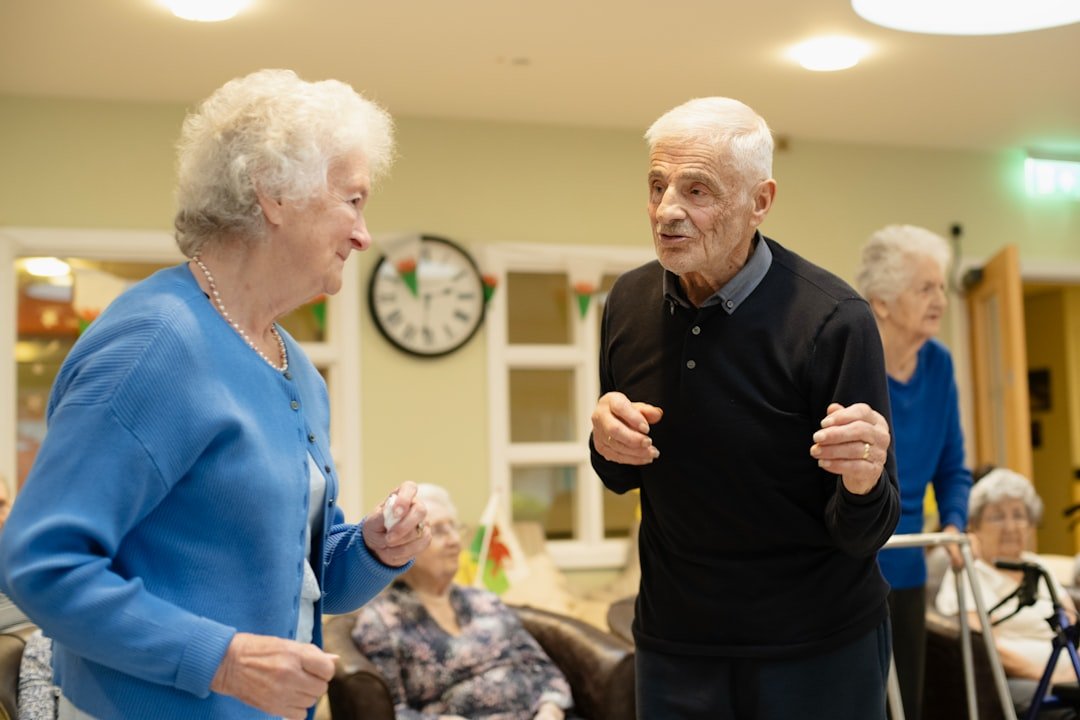
The twilight years often cast long, unpredictable shadows over personal freedom and daily comfort. The walls of a once-beloved family home can suddenly feel like an echoing fortress of isolation when mobility begins to wane. Simple tasks transform into monumental hurdles, leaving many older adults feeling like mere passengers in their own lives.
Every creaking stair becomes a mountain, and the labyrinth of modern healthcare paperwork drains the spirit. When autonomy slips away, the vibrant tapestry of a senior’s life begins to unravel into a monochrome routine of dependency. This loss of control breeds a quiet anxiety, making the future look less like a horizon of possibilities and more like a shrinking room.
Yet, as we navigate the complexities of 2026, a dawn of innovative care strategies illuminates a completely different path forward. By weaving together advanced home adaptations, proactive policy engagement, and holistic well-being practices, older adults are reclaiming their sovereignty. We explore the essential approaches that transform aging from a passive experience into a vibrant, self-directed adventure.
In Brief: The Core Elements of Aging Brilliantly
10 quick checks to spot low-quality supplements before you buy - plus research-backed doses for 12 common ingredients. Free PDF, no spam.
First, adapting the physical living space with intuitive technology ensures safety without compromising dignity. Second, staying informed about evolving medical coverage empowers seniors to make proactive health choices rather than reactive ones. Third, cultivating a robust community network actively combats cognitive decline and emotional isolation. Finally, integrating preventative wellness routines forms the bedrock of long-term physical resilience.
Architecting a Sanctuary of Self-Reliance
The concept of aging in place has evolved far beyond simply installing grab bars in a bathroom. Today, the home must serve as a responsive partner in a senior’s daily life, anticipating needs before they become emergencies. Consider Evelyn, a retired botanist who once viewed her multi-level home as a daunting landscape of fall hazards. By reimagining her space with fluid design principles, she transformed a stressful environment into a seamless sanctuary.
Creating this sanctuary involves removing the invisible friction that exhausts physical reserves. Lowered countertops, smooth threshold transitions, and enhanced ambient lighting form a silent support system. These modifications act as an invisible exoskeleton, allowing older adults to navigate their private worlds with the grace and confidence of their youth.
Invisible Technologies Reshaping Daily Routines
Technology now acts as a silent guardian, woven seamlessly into the fabric of daily existence. Sensors embedded in flooring can detect anomalies in a person’s gait, alerting caregivers to potential issues before a fall occurs. This invisible safety net provides profound peace of mind, freeing seniors from the constant worry of physical vulnerability.
Moreover, voice-activated environmental controls allow individuals with limited dexterity to command their surroundings effortlessly. From adjusting the thermostat to locking doors, these digital tools restore a sense of mastery over the physical realm. Autonomy is no longer about doing everything manually, but about directing the symphony of one’s own life.
Decoding the Matrix of Modern Medical Coverage
Maintaining independence requires more than physical adaptations; it demands a strategic approach to healthcare navigation. The medical landscape is a complex puzzle, and understanding how to fit the pieces together is crucial for uninterrupted care. Access to the right therapies, preventative screenings, and specialist networks directly dictates the quality of a senior’s daily life.
Empowerment stems from education, especially when adapting to recent shifts in federal health policies that dictate coverage limits. Families who actively decode these regulations can unlock resources previously hidden behind bureaucratic walls. By treating healthcare management as an ongoing project, older adults can build a fortress of medical security around their lifestyle.
| Care Approach Pillar | Traditional Method | Modern Empowered Strategy |
|---|---|---|
| Home Environment | Reactive modifications after incidents | Proactive, sensor-driven design |
| Medical Management | Passive reliance on episodic visits | Continuous tracking and policy education |
| Social Engagement | Occasional family visits | Structured community integration |
Virtual Bridges to Medical Professionals
Geographic barriers no longer dictate the caliber of medical attention an older adult can receive. The living room has transformed into a high-tech diagnostic suite, where specialized physicians are just a screen tap away. This evolution is heavily supported by programs expanding remote medical consultation access, ensuring continuity of care regardless of mobility constraints.
This digital bridge eliminates the exhausting logistics of transportation, waiting rooms, and physical exertion. Seniors can discuss medication adjustments, mental health concerns, and chronic condition management from their favorite armchair. Such convenience encourages proactive health discussions, nipping potential crises in the bud before they threaten a person’s independence.
Cultivating an Ecosystem of Emotional and Cognitive Vitality
A resilient body is ultimately guided by an engaged, thriving mind. Isolation is a silent thief of cognitive sharpness, quietly eroding memories and emotional stability over time. Building a rich social ecosystem is as critical to longevity as any cardiovascular medication or physical therapy regimen.
Imagine Arthur, a former architect who now designs his daily wellness routine with the same precision he once applied to skyscrapers. By participating in local mentorship programs and intergenerational art classes, he reinforces his cognitive architecture. This constant exchange of ideas acts as a fertilizer for the brain, keeping neural pathways flexible and resilient.
The Renaissance of Preventative Wellness
The paradigm of senior health has shifted from treating illness to fiercely protecting wellness. Nutritional strategies are now highly personalized, focusing on cellular repair and inflammation reduction rather than mere caloric restriction. Movement is celebrated not as a chore, but as a joyful expression of physical freedom, tailored to individual capabilities.
Holistic practices, such as aquatic therapy and mindful meditation, actively dismantle the stress that accelerates aging. By treating nutrition and mental exercises as foundational pillars, older adults create a buffer against cognitive decline. This Renaissance of self-care proves that the final chapters of life can be written with vibrant, intentional strokes.
10 quick checks to spot low-quality supplements before you buy - plus research-backed doses for 12 common ingredients. Free PDF, no spam.
