

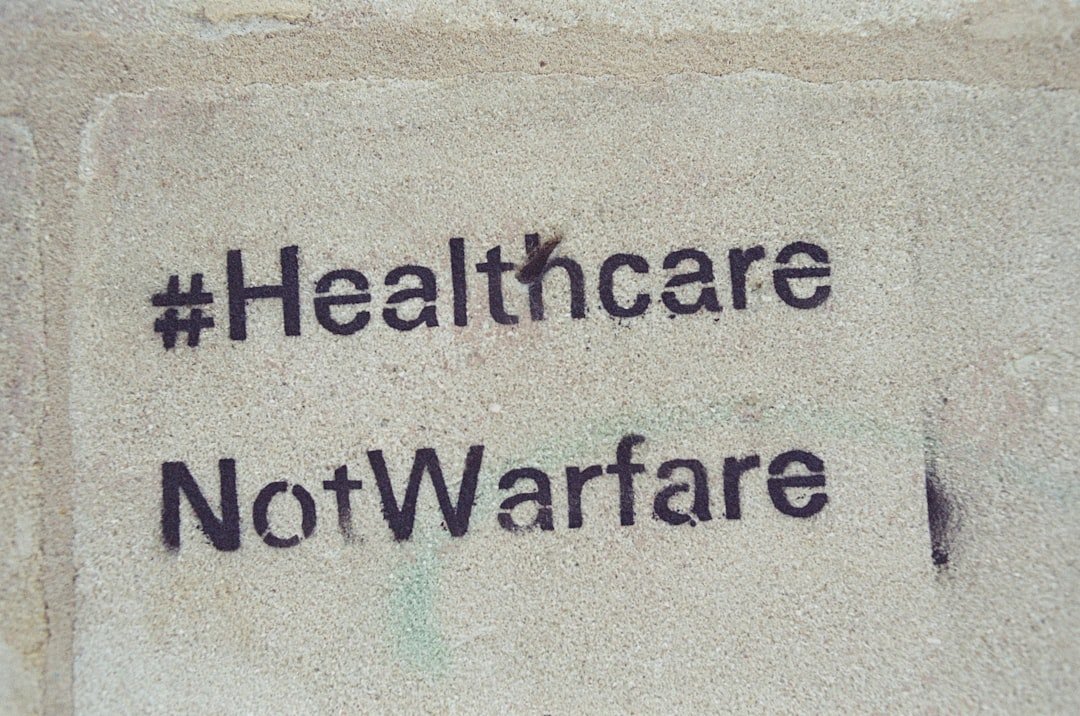
As the political landscape continues to shift, American seniors find themselves at the epicenter of a fierce debate over the future of healthcare. Viral claims and bold pronouncements about policies impacting programs like Medicaid and Medicare fill the airwaves, often creating more confusion than clarity. Many recent proposals have been framed as simple measures to eliminate “waste, fraud, and abuse,” a reassuring message for many. However, a deeper look reveals that these changes are far more complex, potentially reshaping the very foundation of how millions of older Americans access long-term care and essential community services. This isn’t just a budgetary debate; it’s a conversation about the values we place on dignified aging and the support systems families rely on every day.
Understanding the nuances behind these policy proposals is critical. For instance, the dismantling of specialized federal agencies like the Administration for Community Living (ACL)—the very body designed to oversee everything from meal delivery to legal aid for seniors—raises questions about whether expertise is being lost in bureaucratic shuffles. As one caregiver, David, 62, whose wife has early-onset Alzheimer’s, puts it, “These community programs are our lifeline. The idea that they could just be absorbed and disappear is terrifying.” Navigating this environment requires staying informed, questioning headlines, and understanding the real-world implications of legislation that can seem distant and abstract.
In Brief: Decoding the Healthcare Debate
- 📜 Beyond the Buzzwords: Proposed changes to Medicaid often go beyond targeting “waste, fraud, and abuse,” introducing ideological shifts like work requirements and stricter eligibility verification that could impact millions.
- 🏢 Agency Shake-ups: The reorganization of federal bodies responsible for senior services, such as the Administration for Community Living (ACL), could disrupt the delivery of vital community-based support programs.
- 🤔 Real-World Impact: Policy shifts can create bureaucratic hurdles, potentially causing eligible seniors to lose coverage due to complex paperwork or new rules, a concern echoed in many fact-checking reports.
- 💡 Staying Proactive: Seniors and their families can take practical steps to protect their access to care by staying informed, keeping documents organized, and engaging with patient advocacy groups.
Fact Check: Is It “Waste and Fraud” or a Fundamental Policy Shift?
A recurring claim in the ongoing healthcare debate is that legislative efforts are aimed squarely at trimming “waste, fraud, and abuse” from Medicaid without affecting benefits for those who truly need them. While rooting out fraud is a laudable goal, many provisions within proposed bills introduce significant ideological changes that redefine who is eligible for coverage. According to the Centers for Medicare & Medicaid Services, fraud involves intentional deception, while waste relates to the overuse of services. However, some of the most debated proposals don’t fit neatly into these categories.
For example, the introduction of work requirements for Medicaid recipients fundamentally alters the program’s structure. Research indicates that while most eligible adults are already working or have valid exemptions, many are at risk of losing coverage simply by failing to navigate the complex reporting bureaucracy. As detailed in a recent PolitiFact analysis, these measures are less about fraud and more about a policy preference. Similarly, proposals to impose copays or shorten the window for retroactive coverage are primarily cost-saving measures, not anti-fraud initiatives. These changes represent a significant departure from the program’s original intent and could leave vulnerable seniors with unexpected medical bills, a topic further explored in discussions about how certain health care moves will push medical bills higher.
10 quick checks to spot low-quality supplements before you buy - plus research-backed doses for 12 common ingredients. Free PDF, no spam.
The Disappearing Support System for Seniors
Beyond direct changes to Medicaid, seniors should be aware of administrative reorganizations that can profoundly impact their well-being. A prime example is the recent move to dismantle the Administration for Community Living (ACL) and absorb its functions into the larger Department of Health and Human Services (HHS). On the surface, this might sound like a simple efficiency measure. However, the ACL was the only federal agency specifically dedicated to the needs of older Americans and people with disabilities.
This agency oversaw critical programs that millions rely on, from Meals on Wheels to caregiver support networks and services that help seniors age in place rather than move to costly institutions. Critics of the move, featured in analyses about healthcare policies targeting older Americans, argue that eliminating the focused expertise and infrastructure built to serve seniors is not restructuring—it’s abandonment. When specialized knowledge is diluted within a massive department, the unique needs of older adults can get lost. Learning where to find reliable health information online is more important than ever to track these subtle but impactful changes.
Navigating the Changes: Practical Steps for Seniors and Caregivers
In this uncertain climate, taking a proactive stance is the best defense. Waiting until a crisis hits can be overwhelming, so it’s wise to prepare now. With the potential for a wild card in seniors’ health care coverage, empowering yourself with knowledge and resources is key. It’s not just about politics; it’s about ensuring you and your loved ones continue to receive the care you deserve. Adopting some vital wellness tips can also improve your resilience during stressful times.
Here are some actionable steps you can take to safeguard your healthcare access:
- ✅ Stay Informed Through Trusted Sources: Don’t rely on social media headlines. Seek out nonpartisan news outlets and health policy research groups to understand proposed changes. Knowing where to find reliable health information can make all the difference.
- 📂 Organize Your Paperwork: Ensure all your eligibility documents for Medicare and Medicaid are in one, easily accessible place. Keep copies of income statements, residency proofs, and medical records.
- 📞 Connect with Advocacy Groups: Organizations like AARP and the National Council on Aging offer resources, updates, and assistance in navigating the healthcare system.
- ✍️ Document Everything: Keep a log of all communications with healthcare and social service agencies, including dates, names, and what was discussed. This can be invaluable if you need to appeal a decision.
Protecting Your Future by Staying Vigilant
The conversation around healthcare is often dominated by high-level political maneuvering, but the consequences are deeply personal. Every change, whether to Medicaid eligibility or the structure of federal agencies, has a ripple effect that touches families across the nation. While some claims about a “big beautiful bill” promise improvements, it’s essential to look past the rhetoric and examine the facts presented by independent sources. The details of these domestic policy bills often contain provisions that could reshape your access to care.
It’s crucial to understand that even seemingly small administrative hurdles can be insurmountable for someone who is ill or frail. By staying vigilant and informed, seniors and their advocates can better prepare for what lies ahead and ensure their voices are heard in this critical debate. Following wellness strategies during periods of uncertainty, like those for the respiratory illness season, can also help maintain overall health.
What is the difference between cutting ‘waste, fraud, and abuse’ and a policy change?
Cutting ‘waste, fraud, and abuse’ typically refers to targeting illegal activities like billing for services not rendered or removing ineligible people from rolls. A policy change, however, alters the fundamental rules of a program, such as introducing work requirements or changing eligibility criteria for entire groups, which can affect people who are legally entitled to benefits under the old rules.
How could work requirements affect seniors on Medicaid?
While most seniors are on Medicare, some dual-eligible individuals or younger spouses may be on Medicaid. The primary impact on seniors is often indirect. If their adult children act as caregivers and rely on Medicaid themselves, new work requirements could disrupt their ability to provide that essential, often unpaid, care if they lose their own health coverage due to bureaucratic issues.
What was the Administration for Community Living (ACL)?
The ACL was the federal agency specifically tasked with supporting older Americans and people with disabilities. It oversaw a wide range of programs, including Meals on Wheels, caregiver support, senior centers, and services promoting independent living. Its reorganization into the broader HHS has raised concerns that this specialized focus could be lost.
Where can I find trustworthy information on healthcare policy?
It’s best to consult nonpartisan sources. Organizations like the Kaiser Family Foundation (KFF), the Congressional Budget Office (CBO), and reputable fact-checking websites provide in-depth, data-driven analysis of healthcare legislation without a political slant.
Please note: The illustration photo in this article was generated by an artificial intelligence program. Fictional testimonials may have been included to illustrate the points discussed.
10 quick checks to spot low-quality supplements before you buy - plus research-backed doses for 12 common ingredients. Free PDF, no spam.
