
Close Menu
    Follow us on Google News
    Follow Livewell Magazine on Google News
    Facebook X (Twitter) Instagram
    LiveWell Magazine
    Facebook
    Follow LiveWell Magazine on Google News
    • Cancer

      What are the key actions you should take following a mesothelioma diagnosis?

      June 19, 2026

      The “Silent Killer”: 2 Hidden Signs of Pancreatic Cancer You Can Spot Years in Advance

      April 20, 2026

      Barry Manilow Opens Up About Embracing Healthier Lifestyle Choices During His Cancer Battle

      April 8, 2026

      Healthy Dad’s Unexpected Cancer Diagnosis Revealed After Ignoring Nighttime Bathroom Trips: ‘A Heartbreaking Surprise’

      February 22, 2026

      BREAKING NEWS: Gene therapy for sickle cell disease: a medical breakthrough still out of reach for many

      December 29, 2025
    • Fitness

      Unlocking Vitality: How Pickleball Empowers Adults Over 40 to Get Active and Build Strength

      August 6, 2026

      Unveiling the Science Behind Why Exercise Feels Tough for Many: Insights and Solutions

      June 27, 2026

      How can you revitalize your cardiovascular health with 8 engaging cardio tips for the reluctant fitness enthusiast?

      June 26, 2026

      Easy Habits to Make Your Workouts Feel Effortless

      June 25, 2026

      What are the top 5 strategies to walk faster and torch more calories?

      June 24, 2026
    • Health

      How to choose a supplement for dizziness and balance problems

      July 10, 2026

      How vestibular supplements work: Science behind balance and dizziness relief

      July 10, 2026

      Causes of vertigo: Common triggers and when to see a doctor

      July 10, 2026

      How to choose a joint supplement: Evidence-based checklist for better mobility

      July 10, 2026

      How collagen, glucosamine and turmeric work to support mobility

      July 10, 2026
    • Lifestyle

      Simple Tai Chi Exercises to Strengthen Your Kidneys, Liver, Heart, and Spleen

      August 24, 2026

      People Reveal Everyday ‘Healthy’ Habits That Might Be Sabotaging Your Well-Being

      August 23, 2026

      Inside Doctors’ Homes: Healthy Habits They Swear By

      August 22, 2026

      Commonly Praised Healthy Habits That Might Actually Be Harming Your Well-Being, Experts Reveal

      August 22, 2026

      Scotts Valley Student Transforms Poolside Challenge into Inspiring Healthy Habits Book Series

      August 21, 2026
    • Nutrition

      Virginia Tech Dietitian Reveals Expert Tips for Packing Budget-Friendly, Nutritious School Lunches

      August 13, 2026

      Top 7 Heart-Friendly Foods to Enjoy This July, Recommended by Expert Dietitians

      July 20, 2026

      Expert-Recommended Food Combinations That Boost Nutrient Absorption

      July 14, 2026

      Top 10 Most Beneficial Teas to Sip, Backed by Nutrition Experts

      July 12, 2026

      Daily Avocado Toast: What Registered Experts Reveal About Its Impact on Your Health

      July 8, 2026
    • Senior

      The Unexpected Health Threat Everyone Over 50 Needs to Know About

      August 8, 2026

      Doctors Reveal the Key Mindset Shift That Boosts Health After 65

      July 6, 2026

      How is the rise of telehealth benefiting senior citizens?

      June 4, 2026

      What are the essential approaches for promoting high-quality senior care and independence?

      May 6, 2026

      Nurturing Your Gut After 50: 7 Essential Habits for Lasting Digestive Wellness

      April 3, 2026
    • Trends

      Why is Zhiyin Zhou advocating for a human-centered approach in AI healthcare evolution?

      June 25, 2026

      What are the innovative approaches to autism therapy by psychologist Valeriia Manchuk?

      June 15, 2026

      What are the innovative techniques in permanent makeup for aesthetic and restorative purposes?

      June 2, 2026

      How could the 7 surprising travel trends of 2026 disrupt your wellness plans and how can you navigate them?

      April 15, 2026

      Which innovative skincare trends will shape the industry in 2026 according to Uliana-Sofiia Savchenko?

      April 6, 2026
    • Wellness

      Jervis Launches Innovative Program Promoting Healthy Hygiene and Mindfulness

      August 20, 2026

      Centrum Reinvents Healthy Aging: Embracing Proactive Wellness for Adults

      August 13, 2026

      Chamomile: 15 Health Benefits You Should Know, From Better Sleep to Improved Digestion

      August 8, 2026

      Glow Up Like a Hip-Hop Star: Essential Skin Care Habits for Radiant, Celebrity-Style Skin

      July 23, 2026

      Dr. Oz Shares 3 Simple, Medication-Free Strategies to Enhance Your Health for Free

      July 12, 2026
    Subscribe
    LiveWell Magazine
    Home»Health Resources»Where to find reliable health information online
    Health Resources

    Where to find reliable health information online

    Amelie GoujonBy Amelie GoujonNo Comments
    Facebook Twitter Email WhatsApp Pinterest LinkedIn Reddit Telegram Threads
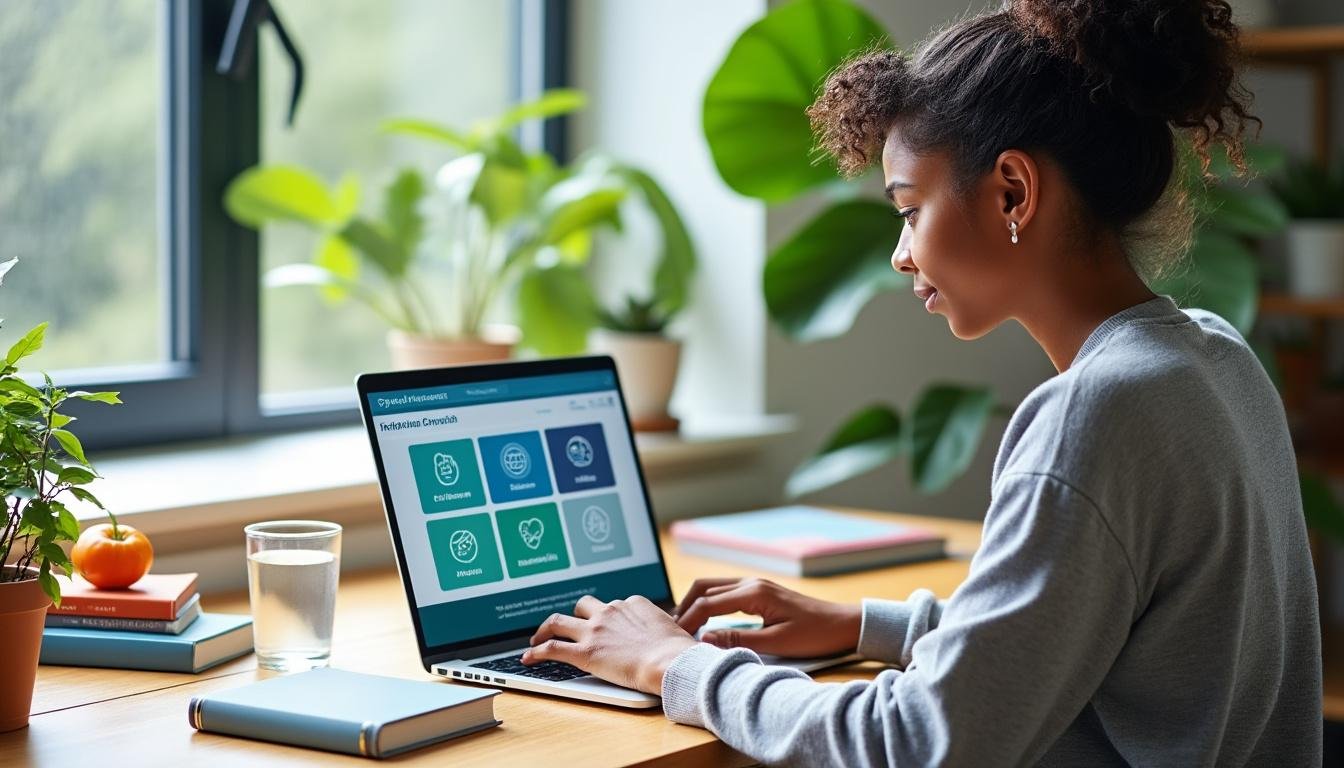
    discover trustworthy sources for accurate health information online. learn how to identify credible websites and ensure your health decisions are based on reliable data.
    Share
    Facebook Twitter LinkedIn Email Reddit Telegram WhatsApp Threads

    In an era where digital resources dominate our search for health advice, navigating the overwhelming influx of information is critical to making informed decisions. Reliable health information not only empowers individuals to manage their wellbeing effectively but also prevents the dangers posed by misinformation—such as harmful self-diagnosis or delayed treatments. Today, discerning trustworthy medical content requires critical evaluation of both the sources and the content, particularly as numerous voices, ranging from licensed professionals to unverified influencers, share health insights online. To safeguard your health, it’s essential to consult reputable platforms that uphold scientific rigor and transparency. Establishing a habit of cross-checking facts through official channels and understanding the credentials behind health claims can dramatically improve the quality of information absorbed.

    Several premier institutions and websites stand at the forefront of providing credible health data. These include government bodies like the National Institutes of Health (NIH) and the Centers for Disease Control and Prevention (CDC), renowned medical associations, and prestigious clinics such as the Mayo Clinic and Cleveland Clinic. Additionally, resources like MedlinePlus and Healthline synthesize research-backed guidance in accessible language, offering a bridge between complex medical jargon and public understanding. Leveraging these sources, alongside cautious scrutiny of online creators’ credentials and motives, can steer one away from the pitfalls of misinformation and toward a more empowered approach to healthcare.

    Key Reliable Sources for Health Information Online

    Finding dependable health advice begins with knowing which platforms consistently deliver vetted, evidence-based content. Here are core pillars you can trust:

    • Government Health Websites: These include globally respected entities such as the National Library of Medicine’s MedlinePlus, the U.S. Government’s health pages, and the World Health Organization (WHO). Their content undergoes thorough expert review and they do not profit from promoting particular products, keeping their information unbiased.
    • Top Medical Facilities and Organizations: Institutions like Johns Hopkins Medicine, Harvard Health Publishing, and the Mayo Clinic regularly publish evidence-based health articles, patient guides, and updates on the latest medical research.
    • Medical Associations: Specialist bodies such as the American Heart Association and American Academy of Pediatrics provide treatment guidelines and general health advice reviewed by licensed practitioners.
    • Nonprofit and Research Groups: National nonprofits like the American Cancer Society offer authoritative education while still being subject to necessary scrutiny for any organizational bias.
    Related Article :  A closer look at type 2 diabetes

    To deepen your understanding, cross-referencing information from these sources ensures consistency and accuracy. This approach minimizes the risk of falling victim to exaggerated or false health claims circulating on less credible platforms.

    FREE GUIDE
    The Supplement Safety Checklist

    10 quick checks to spot low-quality supplements before you buy - plus research-backed doses for 12 common ingredients. Free PDF, no spam.

    We respect your inbox. Unsubscribe anytime.
    Thank you! Download your checklist here.
    discover the best sources for trustworthy health information online, learn how to identify credible websites, and stay informed with accurate medical advice.

    How to Evaluate Online Health Content for Accuracy and Bias

    When confronting the vast spectrum of health content online, being able to discern trustworthy material is essential. Here’s how to critically assess the value of what you find:

    • Check the creator’s credentials: Is the information coming from a licensed medical professional or an established institution? Trustworthy sources typically provide clear author qualifications.
    • Assess the evidence: Reliable content cites up-to-date medical research, peer-reviewed studies, and expert consensus. For example, statements supported by organizations like Healthline or scientific journals are generally credible.
    • Beware of conflicts of interest: If a creator promotes specific products without disclosing sponsorship or financial ties, their advice may be biased.
    • Scrutinize sensational claims: Promises of miracle cures or secret treatments should prompt skepticism and independent verification through sources such as the CDC.
    • Verify publication date: Medical guidelines evolve rapidly. Using outdated advice can be risky, so make sure the information is current.

    By applying these measures, you can better navigate digital health landscapes and avoid misinformation that could compromise your wellbeing.

    Understanding the Role of Personal Experiences in Health Information

    While firsthand accounts from individuals affected by certain conditions can be illuminating and relatable, they should be interpreted cautiously. Experiences shared by patients often provide emotional support and practical tips but may not be universally applicable due to individual variations in health, genetics, and environment. It’s important to supplement these narratives with evidence-backed advice from professional sources.

    Related Article :  Where to find reliable health information online

    Online communities and forums can facilitate shared learning and empathy; for example, support groups hosted by platforms akin to Healthline’s Bezzy communities create safe spaces for discussion. However, any new health intervention or lifestyle change inspired by personal stories should always be validated by a healthcare professional to ensure safety and effectiveness.

    Steps to Safely Integrate Reliable Online Health Resources

    Incorporating trustworthy health information into your daily life demands a deliberate and informed approach:

    • Start with reputable websites: Use material from authoritative sources like MedlinePlus, the NIH, and the National Institute on Aging.
    • Consult healthcare professionals: Before adopting new treatments or supplements, always consult with your doctor to tailor advice to your health profile.
    • Cross-check information: Confirm the accuracy of data by comparing it across multiple trustworthy platforms.
    • Stay skeptical: Recognize that not everything online reflects the latest or most accurate science, especially if it conflicts with established medical consensus.
    • Keep updated: Medical knowledge is dynamic; revisiting reliable health resources regularly will keep you informed of new developments.

    By following these steps, you empower yourself to make health decisions grounded in evidence and professional guidance, minimizing risks associated with misinformation.

    FREE GUIDE
    The Supplement Safety Checklist

    10 quick checks to spot low-quality supplements before you buy - plus research-backed doses for 12 common ingredients. Free PDF, no spam.

    We respect your inbox. Unsubscribe anytime.
    Thank you! Download your checklist here.
    finding health information health information online health resources reliable health information trustworthy health websites
    Follow on Google News
    Share. Facebook Twitter LinkedIn Email WhatsApp Reddit Telegram Threads Copy Link
    Previous ArticleTOPS Nashville: Embracing Accountability, Positive Mindset, and Wellness Practices
    Next Article Embrace a Wholesome Halloween: Tips for a Healthy Celebration this October
    Avatar photo
    Amelie Goujon

    Amélie has been working in the health sector for over 15 years and now serves as an online journalist specializing in healthy living. Her background in healthcare gives her articles a solid foundation of credibility and empathy. Passionate about wellness, nutrition, and prevention, she translates complex medical topics into clear, accessible content for a wide audience. Through her writing, Amélie aims to empower readers to make informed choices and adopt healthier daily habits.

    Continue reading

    How to choose a supplement for dizziness and balance problems

    By Frank Jost

    How vestibular supplements work: Science behind balance and dizziness relief

    By Frank Jost

    Causes of vertigo: Common triggers and when to see a doctor

    By Frank Jost

    How to choose a joint supplement: Evidence-based checklist for better mobility

    By Frank Jost

    How collagen, glucosamine and turmeric work to support mobility

    By Frank Jost

    Managing osteoarthritis naturally: Lifestyle changes that support joint health

    By Frank Jost

    How to choose a vision supplement: Evidence-based tips for buying safely and effectively

    By Frank Jost

    How lutein and zeaxanthin protect the eyes: The science behind macular pigments

    By Frank Jost

    Age-related macular degeneration symptoms: Early signs and when to see an optometrist

    By Frank Jost

    How to choose a safe herbal memory supplement: a buyer’s checklist

    By Frank Jost

    How nootropics and herbal extracts support brain function

    By Frank Jost

    Causes of age-related memory decline and what helps

    By Frank Jost
    Add A Comment
    Leave A Reply Cancel Reply

    Subscribe to Our Newsletter

    Join the Live Well Magazine Newsletter and get exclusive tips on health, wellness, lifestyle, and personal growth — straight to your inbox.

    Trending
    Lifestyle & Habits

    Simple Tai Chi Exercises to Strengthen Your Kidneys, Liver, Heart, and Spleen

    Natural Remedies

    This Herb May Scientifically Support Reducing Inflammation, Anxiety, and Blood Sugar Levels

    Mental Health

    Psychologists Reveal How to Break the Cycle of Restarting Every Monday

    Natural Remedies

    This Aromatic Herb May Boost Memory, Alleviate Stress, and Soothe Inflammation

    Lifestyle & Habits

    People Reveal Everyday ‘Healthy’ Habits That Might Be Sabotaging Your Well-Being

    Lifestyle & Habits

    Inside Doctors’ Homes: Healthy Habits They Swear By

    Facebook
    • About us
    • Contact us
    • Contributors
    • Legal
    • Privacy
    © 2026 livewellmagazine.org.

    Type above and press Enter to search. Press Esc to cancel.

    FREE GUIDE
    The Supplement Safety Checklist

    10 quick checks to spot low-quality supplements before you buy - plus research-backed doses for 12 common ingredients. Free PDF, no spam.

    We respect your inbox. Unsubscribe anytime.
    Thank you! Download your checklist here.