
Close Menu
    Follow us on Google News
    Follow Livewell Magazine on Google News
    Facebook X (Twitter) Instagram
    LiveWell Magazine
    Facebook
    Follow LiveWell Magazine on Google News
    • Cancer

      The “Silent Killer”: 2 Hidden Signs of Pancreatic Cancer You Can Spot Years in Advance

      April 20, 2026

      Barry Manilow Opens Up About Embracing Healthier Lifestyle Choices During His Cancer Battle

      April 8, 2026

      Healthy Dad’s Unexpected Cancer Diagnosis Revealed After Ignoring Nighttime Bathroom Trips: ‘A Heartbreaking Surprise’

      February 22, 2026

      BREAKING NEWS: Gene therapy for sickle cell disease: a medical breakthrough still out of reach for many

      December 29, 2025

      How Your Drinking Habits Could Significantly Increase Your Cancer Risk

      December 28, 2025
    • Fitness

      At 100, the ‘First Lady of Fitness’ Shares Her Daily Workout Secrets and One Must-Have Food

      April 15, 2026

      How can weighted planks help you elevate your strength and master your core?

      April 14, 2026

      A 65-Year-Old Fitness Trainer’s Guide to Stocking Up on Healthy Foods at Costco

      April 10, 2026

      How many calories do you actually burn by running one mile?

      April 9, 2026

      Biochemist Reveals the Powerful 10-Minute Workout That Keeps the Mind Razor-Sharp All Day

      March 23, 2026
    • Health

      How can better patient-doctor communication help you stay on track with your medication?

      April 8, 2026

      What can an infectious disease doctor’s experiences in Kazakhstan and America teach us about global health?

      April 3, 2026

      Federal Judge Hits Pause on HHS Secretary Kennedy’s Vaccine Policy Overhaul

      March 18, 2026

      Medicare Advantage Shifts: Payments to Plans Increase as Enrollment Hits a New Record

      March 18, 2026

      The battle over “$0 premium” plans: What’s at stake for your healthcare?

      February 19, 2026
    • Lifestyle

      How can you break free from the sitting trap and revitalize your life?

      April 22, 2026

      How can transformative approaches to home life enhance your overall well-being?

      April 17, 2026

      Solo Cooking Simplified: 8 Easy Habits to Eat Healthy When Cooking for One

      April 15, 2026

      Psychology-Backed Habits to Revolutionize Your Money Mindset

      April 11, 2026

      The ‘Healthy’ Habit That Could Be Holding You Back, Reveals New Research

      April 10, 2026
    • Nutrition

      What are the surprising benefits of miso soup for your gut, heart, and immune health?

      April 23, 2026

      How can you nourish your gut with delicious choices for a healthier you?

      April 22, 2026

      What are the surprising effects of eggnog on your blood sugar levels?

      April 16, 2026

      How can effective nutrition help you achieve a faster dental recovery?

      April 15, 2026

      Could eating microbial food reduce your risk of kidney disease?

      April 13, 2026
    • Senior

      Nurturing Your Gut After 50: 7 Essential Habits for Lasting Digestive Wellness

      April 3, 2026

      Nourishing Your Golden Years: 10 Essential Nutrition Habits to Promote Healthy Aging and Maintain Independence After 60

      March 27, 2026

      Wound Care Revolution: How a New Medicare Payment System Aims to Cut Waste in Senior Care

      March 19, 2026

      The $2,000 Cap is Here: How the New Annual Out-of-Pocket Drug Limit Saves Seniors Thousands

      March 17, 2026

      Why Conventional Health Tips Might Shift After Turning 50

      March 15, 2026
    • Trends

      How could the 7 surprising travel trends of 2026 disrupt your wellness plans and how can you navigate them?

      April 15, 2026

      Which innovative skincare trends will shape the industry in 2026 according to Uliana-Sofiia Savchenko?

      April 6, 2026

      Transparency at HHS: How the New “Radical Transparency” Initiative Aims to Expose Big Pharma Conflicts

      March 13, 2026

      How Wearable Technology Could Spark a Revolution in Healthier Living

      February 5, 2026

      Early cholesterol treatment in kids may prevent heart disease for life

      January 28, 2026
    • Wellness

      What is the power of modern med spa care for your well-being?

      April 24, 2026

      What are the top 10 complimentary activities in Seattle for your well-being?

      April 23, 2026

      Where can you find the ultimate wellness retreat in Mexico for tranquil explorers?

      April 14, 2026

      Lincoln YMCA to Celebrate Healthy Kids Day on April 11 with Free Event Promoting Summer Wellness

      April 12, 2026

      The 20-Minute Routine That Could Unlock a Healthier Heart and a Sharper Mind

      April 8, 2026
    Subscribe
    LiveWell Magazine
    Home»Sleep & Recovery»Screen time and teens: What new data says about anxiety and sleep
    Sleep & Recovery

    Screen time and teens: What new data says about anxiety and sleep

    Frank JostBy Frank Jost1 Comment
    Facebook Twitter Email WhatsApp Pinterest LinkedIn Reddit Telegram Threads
    Share
    Facebook Twitter LinkedIn Email Reddit Telegram WhatsApp Threads

    Teenagers today live in a digital landscape unlike any generation before them. Smartphones, streaming, gaming, and social media are deeply embedded in their daily routines. While these technologies offer connection and creativity, new research suggests they may also contribute to rising levels of anxiety and disrupted sleep among adolescents. As a psychologist and human behavior specialist, I believe the conversation needs to move beyond fear toward understanding. The question isn’t just how much screen time teens get—but when, why, and how it’s impacting their mental health.

    What the latest research reveals

    Recent studies from institutions like Stanford and the American Academy of Pediatrics have shown a clear correlation between high screen use and elevated anxiety in teens. The risk appears to increase when screen time exceeds four hours per day—particularly when usage includes social comparison on platforms like Instagram or TikTok.

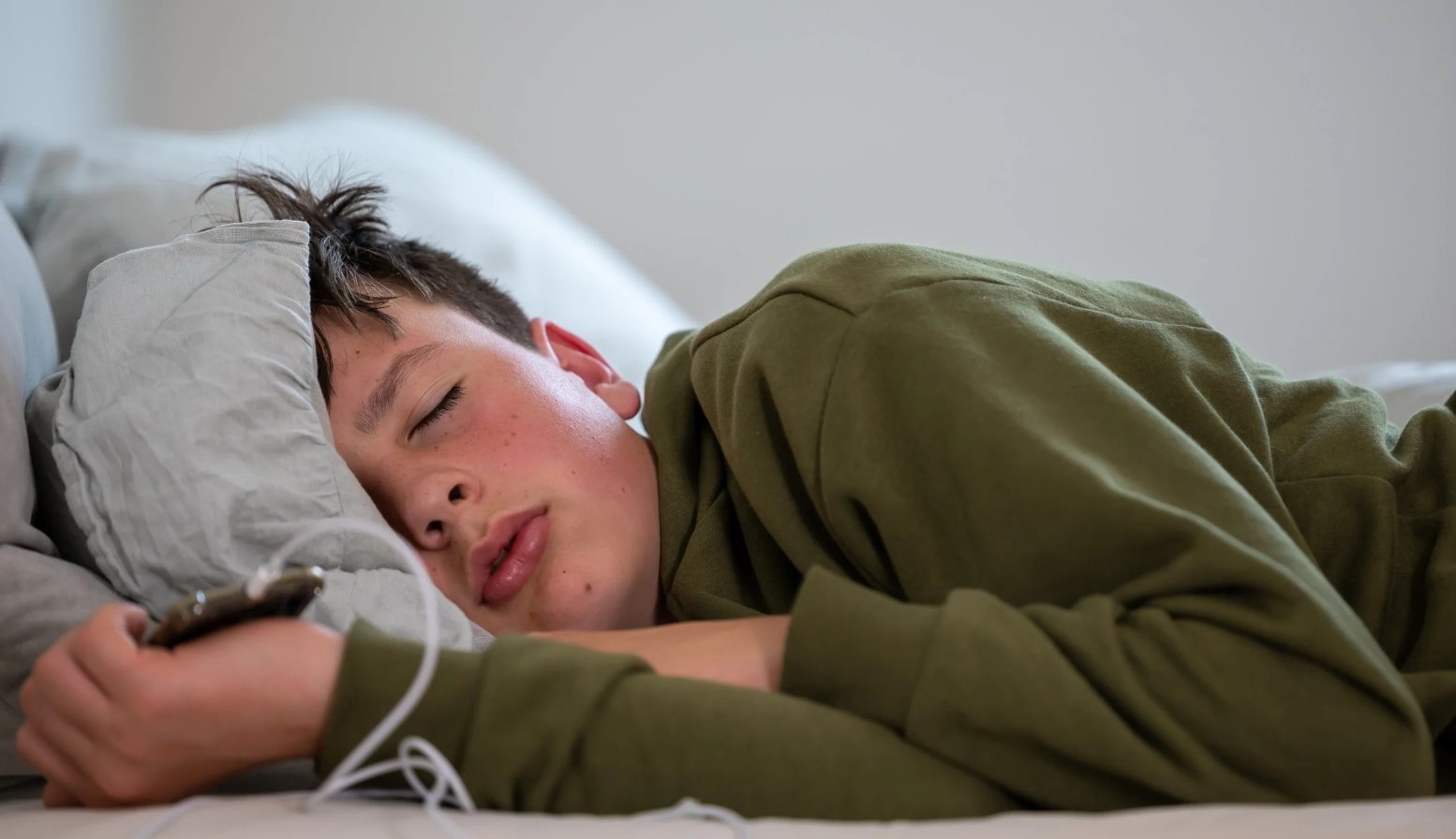
    Sleep studies also show that teens who use screens late into the evening fall asleep later, experience more interrupted sleep, and report lower daytime energy. These disruptions affect emotional regulation, concentration, and overall resilience—making daily stress harder to manage.

    Why nighttime screen time hits harder

    Adolescents’ brains are especially sensitive to sleep-wake rhythms. Exposure to blue light from phones, tablets, and TVs suppresses melatonin, the hormone that signals to the brain it’s time to sleep. Beyond light, the content itself—whether it’s scrolling through dramatic posts or engaging in online gaming—keeps the mind alert and emotionally stimulated.

    When teens sleep less or at irregular hours, their risk of anxiety, mood swings, and even depression increases. It becomes a cycle: more screen use leads to poor sleep, which leads to greater emotional instability, which often leads back to screen use as a form of escape.

    Related Article :  Bedtime breakthrough: tips for children’s sleep

    It’s not just about quantity—it’s about quality
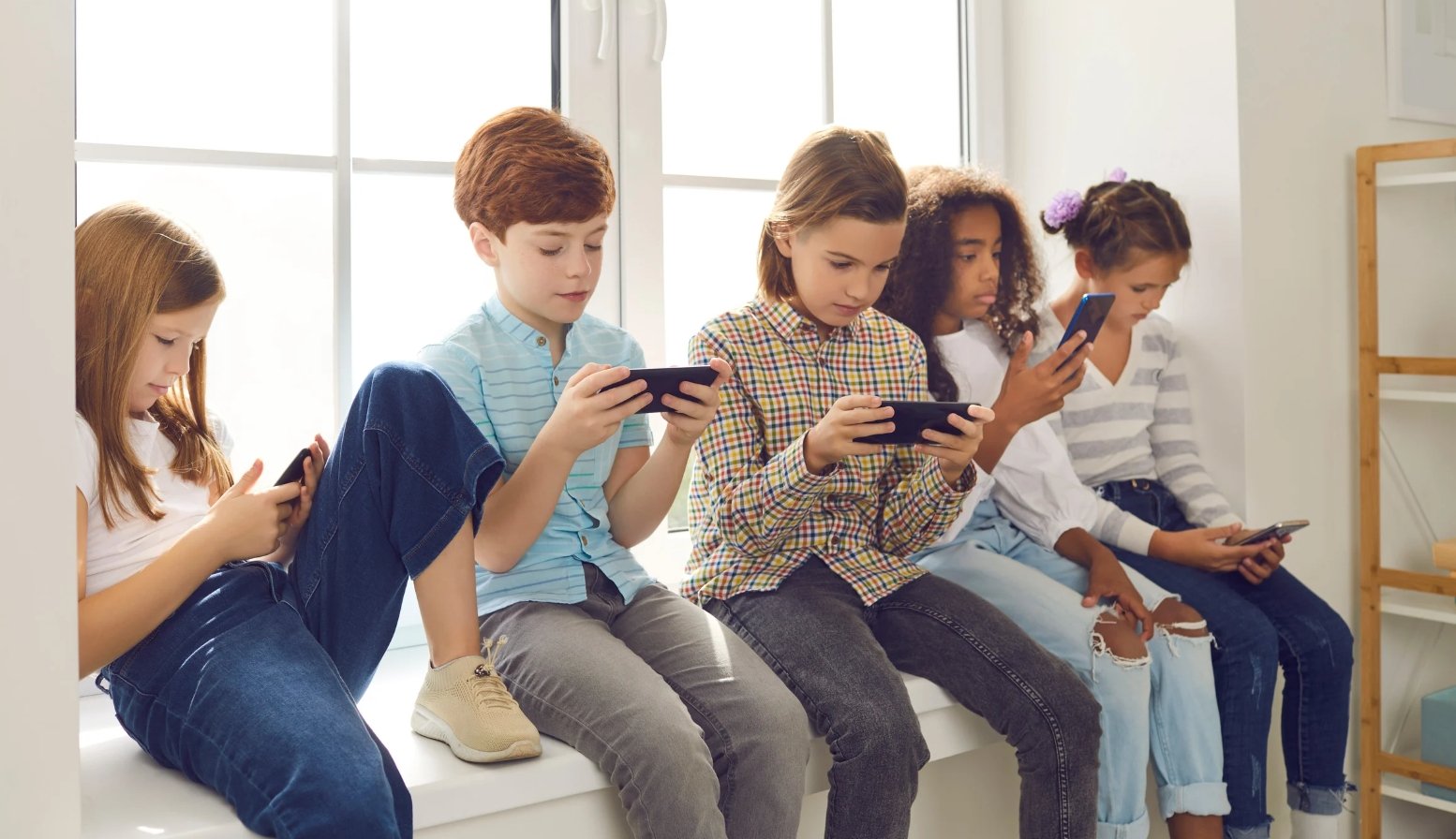
    While screen time totals matter, research now shows that the context of use is equally important. Passive scrolling through filtered content can be more harmful than engaging in creative digital tasks or video chatting with friends. Teens who use screens primarily for learning, expression, or meaningful connection report fewer negative effects.

    Understanding the difference between helpful and harmful screen time can empower teens to make better choices, and helps parents shift from control to collaboration when discussing device limits.

    Supporting healthy habits without shame

    Rather than demonizing technology, families can create realistic, age-appropriate boundaries. This may include establishing no-phone zones at night, encouraging screen-free wind-down routines, or modeling balanced behavior. Parents should also check in emotionally: asking teens how certain content makes them feel can spark more reflective use.

    Teens respond better to guidance when it’s rooted in empathy, not surveillance. Open conversations and shared decision-making build digital literacy and reduce defensiveness around screen use.

    Screens are a part of modern teen life—but they shouldn’t control it. By staying informed, setting clear routines, and focusing on digital quality over quantity, families can protect mental health while honoring independence. Better sleep, calmer minds, and stronger connections are all within reach—and it starts with understanding, not restriction.

    Follow on Google News
    Share. Facebook Twitter LinkedIn Email WhatsApp Reddit Telegram Threads Copy Link
    Previous ArticleCould AI design your next cancer drug? Inside the labs racing against the clock
    Next Article This new weight-loss drug just got FDA approval – here’s what you need to know
    Avatar photo
    Frank Jost

    Frank is a seasoned media consultant for LiveWell Magazine, with over two decades of experience in the digital media landscape. His expertise spans online publishing, audience engagement strategies, and health communication. A recognized expert in mutual health insurance, Frank brings a unique perspective that bridges the gap between public health awareness and digital storytelling. He is passionate about making reliable health information accessible to all, and continues to help readers navigate the complexities of wellness and insurance in the digital age. https://www.linkedin.com/in/frank-jost-2097104/

    Continue reading

    How can you enhance your sleep quality with this simple bedtime pelvic floor routine?

    By Amelie Goujon

    Study Reveals Unexpected Health Boost from Just 11 Extra Minutes of Sleep Each Night

    By FRANK JOST

    The best ways to recover after a sleepless night

    By Tina Nguyen

    Sleep hygiene: the secret to optimal health and performance

    By Amelie Goujon

    Healthy Habit #8: Prioritize Over 8 Hours of Restful Sleep for Optimal Wellness

    By FRANK JOST

    Sleep gummies: do they really work?

    By Tina Nguyen

    Speak up while you can: why advance care planning is one of the greatest gifts

    By Frank Jost

    Magnesium glycinate: why it’s so popular for sleep and anxiety

    By Tina Nguyen

    The best ways to recover after a sleepless night

    By Amelie Goujon

    A Pharmacist Claims: This Plant is One of the Most Effective for Summer Sleep

    By Amelie Goujon

    The best ways to recover after a sleepless night

    By Amelie Goujon

    The best ways to recover after a sleepless night

    By Amelie Goujon
    View 1 Comment

    1 Comment

    1. Pingback: Building Healthy Digital Habits for Kids

    Leave A Reply Cancel Reply

    Subscribe to Our Newsletter

    Join the Live Well Magazine Newsletter and get exclusive tips on health, wellness, lifestyle, and personal growth — straight to your inbox.

    Trending
    Natural Remedies

    Which anti-inflammatory champion reigns supreme for your relief?

    Mental Health

    How can a lost luggage saga and a $2,200 win teach you about managing travel stress and mental wellness?

    Wellness

    What is the power of modern med spa care for your well-being?

    Healthy Recipes

    Which 10 surprising foods boost digestion more effectively than ginger?

    Nutrition

    What are the surprising benefits of miso soup for your gut, heart, and immune health?

    Wellness

    What are the top 10 complimentary activities in Seattle for your well-being?

    Facebook
    • About us
    • Contact us
    • Contributors
    • Legal
    • Privacy
    © 2026 livewellmagazine.org.

    Type above and press Enter to search. Press Esc to cancel.