


The aging brain faces numerous challenges, but recent research reveals that not all aging processes occur uniformly across individuals or brain regions. Groundbreaking studies involving tens of thousands of participants have shed light on three pivotal habits that significantly accelerate brain aging. This acceleration not only impacts cognition but also raises the risk for neurodegenerative diseases such as Alzheimer’s. The importance of modifiable lifestyle choices becomes clear as diabetes, traffic-related air pollution, and frequent alcohol consumption emerge as central accelerants of cognitive decline. These findings invite a fresh perspective on brain health, urging swift action to protect vulnerable neural structures.
In understanding the complex dynamics behind brain aging, scientists emphasize that genetic predispositions, though influential, do not seal fate; lifestyle interventions remain powerful tools for maintaining NeuroHealth. With neurological disorders surging globally, deciphering the interplay between environment, behavior, and brain integrity is crucial for cultivating MindBoost strategies. Moreover, intricate brain regions affected differently by these factors necessitate personalized CognitiveCare approaches, calling for multidisciplinary efforts to sustain BrainWave resilience throughout life.
The following sections dive deep into how these habits—diabetes, pollution exposure, and alcohol intake—undermine CerebralWellness, the research underpinning these insights, and practical ways to incorporate BrainFit methods. Alongside, this article references contemporary studies and integrates expert advice on ThinkSmart approaches to age well, focus on sustaining MentalFlexibility, and fuel intellectual vigor with FocusFuel-enhancing practices.
Understanding Diabetes as a Key Factor in Accelerated Brain Aging and Cognitive Decline
Diabetes mellitus, particularly Type 2 diabetes, plays a critical role in accelerating brain aging. The correlation between metabolic disturbances and cognitive impairments has been well-documented. Research from 2025, including large-scale analyses from the UK Biobank involving over 40,000 individuals aged 45 and above, underscores diabetes as a primary factor that exacerbates degeneration in vulnerable brain areas. This degeneration manifests as decreased gray matter volume and compromised neural pathways essential for memory and executive functions, collectively undermining CerebralWellness.
10 quick checks to spot low-quality supplements before you buy - plus research-backed doses for 12 common ingredients. Free PDF, no spam.
One might consider the physiological reasons behind this acceleration. Diabetes induces chronic hyperglycemia, which damages blood vessels, including cerebral microvasculature, impairing oxygen and nutrient delivery to brain tissue. Such vascular damage promotes inflammation and oxidative stress, leading to neural cell loss and impaired synaptic plasticity—key components of BrainFit health. Furthermore, insulin resistance disrupts brain insulin signaling, impairing energy metabolism critical for sustaining cognitive processes and MentalFlex capacity.
These effects account for why individuals with Type 2 diabetes have been found to possess up to a 60% greater risk of developing dementia. This link has been elaborated in scientific literature and calls for comprehensive management plans targeting both physical and neurological health. The intersection of diabetes with brain aging also positions it as a modifiable risk factor—meaning that proactive management through lifestyle changes and medication can decelerate its detrimental effects.
Strategies to mitigate diabetes-related brain damage include:
- Regular physical activity: Exercise enhances insulin sensitivity, improves cardiovascular function, and supports BrainWave connectivity.
- Balanced diet: High in fiber, low in processed sugars and saturated fats, aiding in glucose regulation.
- Consistent medical supervision: Monitoring blood glucose levels to prevent prolonged hyperglycemia.
- Cognitive training: Engaging in activities that stimulate brain function helps preserve MentalFlex and overall CognitiveCare.
Below is a detailed overview of diabetes’ impact on brain regions and functional consequences:
| Brain Region | Impact of Diabetes | Functional Implication |
|---|---|---|
| Hippocampus | Reduced volume and neurogenesis impairment | Memory encoding and retrieval deficits |
| Prefrontal Cortex | Synaptic dysfunction and decreased connectivity | Executive function and decision-making difficulties |
| Cerebral Microvasculature | Vascular damage and reduced blood flow | Cognitive slowing and increased fatigue |
Experts emphasize adopting MindBoost routines and CerebralWellness practices to counteract these effects. This approach not only aids in brain health but also improves overall quality of life. For in-depth insights, refer to studies discussed at MindBodyGreen and detailed clinical data available via ScienceTimes.
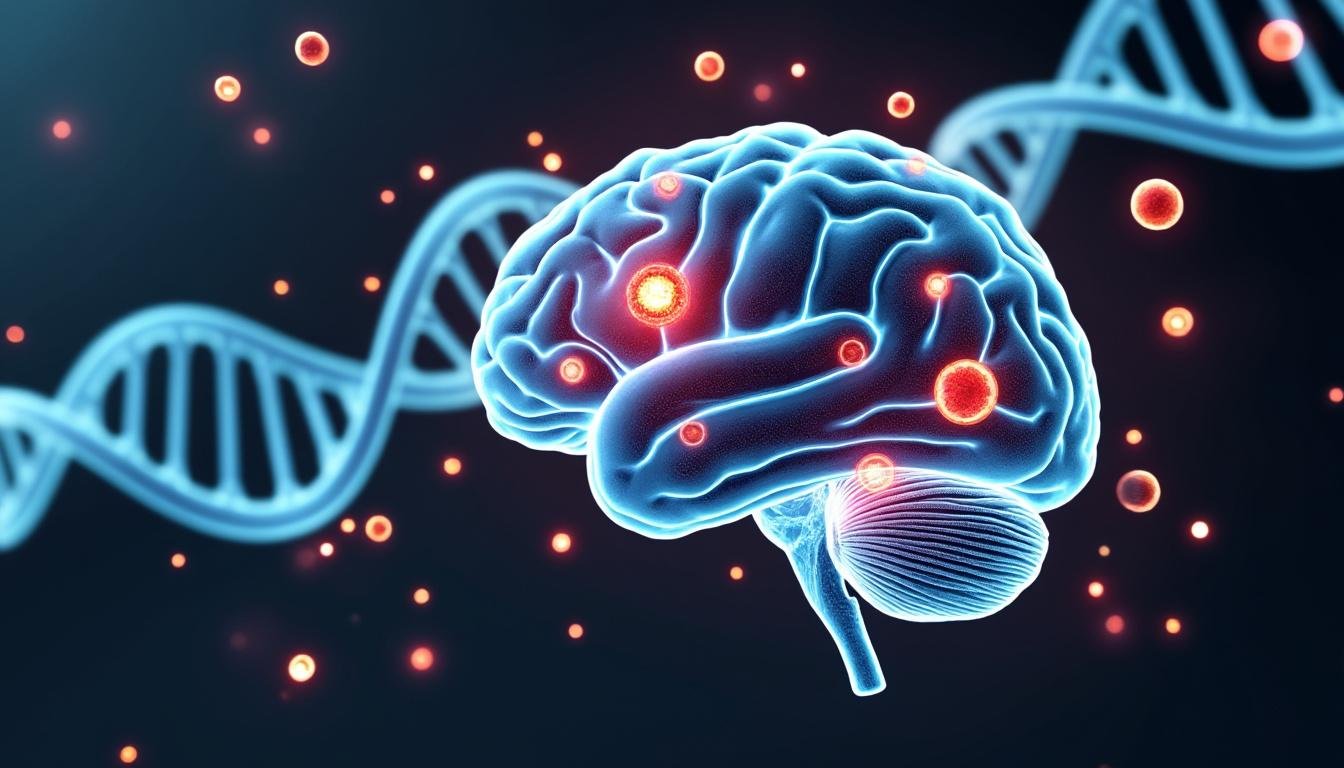
Traffic-Related Air Pollution: An Overlooked Environmental Factor Accelerating Brain Aging
Urban environments expose populations to varying degrees of traffic-related air pollution (TRAP), which is increasingly recognized as a potent accelerator of brain aging. Pollutants such as particulate matter (PM2.5 and PM10), nitrogen oxides, and volatile organic compounds infiltrate the bloodstream, triggering inflammatory cascades that damage cerebral tissue. Over time, this leads to cognitive deterioration, increased incidence of dementia, and compromised NeuroHealth.
Longitudinal data from multiple epidemiological studies confirm the association between chronic exposure to air pollution and structural brain changes identified through MRI imaging. Vulnerable regions, including the hippocampus and prefrontal cortex, show signs of premature atrophy in individuals exposed to high TRAP levels. Importantly, this form of brain damage is insidious, often progressing silently until cognitive symptoms emerge.
Mechanisms underlying pollution-induced brain aging include oxidative stress, neuroinflammation, and disruption of the blood-brain barrier. These processes accelerate the loss of BrainFit and MentalFlexibility, diminishing problem-solving and memory capabilities. Moreover, such environmental factors exacerbate the effects of diabetes and other metabolic disorders, compounding risks.
Public health efforts to reduce TRAP exposure are essential for CerebralWellness at societal levels. Residents in polluted areas can adopt personal protection measures to minimize risks, including:
- Using air purifiers: Especially indoors, to reduce particulate matter.
- Staying indoors during peak traffic times: Avoiding rush hours mitigates exposure.
- Promoting green urban planning: Increased vegetation reduces pollution levels.
- Wearing masks during high pollution alerts: Protects respiratory and neurological health.
The following table summarizes pollution’s impact relative to brain health:
| Pollutant Type | Brain Effects | Cognitive Impact |
|---|---|---|
| PM2.5 | Inflammation, blood-brain barrier disruption | Memory loss, attention deficits |
| Nitrogen Oxides | Oxidative stress, neurodegeneration | Slower processing speed, executive dysfunction |
| Volatile Organic Compounds | Neuronal toxicity, impaired synapses | Cognitive decline, mood disorders |
Understanding the risks associated with environmental exposures is imperative. Initiatives that combine lifestyle modifications with policy-driven action are the most promising routes to safeguarding BrainWave integrity. Experts also advocate for BrainFit interventions focusing on detoxifying and strengthening neurological resilience. More details on pollution’s cognitive effects can be explored through resources like ScienceAlert and community health reports available at Medical News Today.

Alcohol Consumption Frequency and Its Role in Premature Brain Aging
Alcohol intake remains a prevalent lifestyle factor impacting brain aging trajectories. Recent meta-analyses and cohort studies emphasize that sustained heavy drinking accelerates the risk of dementia by nearly 8%, while reducing alcohol consumption corresponds to a similar percentage decrease in risk. This dual effect underscores the importance of moderation for BrainFit and CerebralWellness.
One mechanism through which alcohol impairs brain health relates to its neurotoxic effects, including the promotion of oxidative stress, neuron loss, and disruption of neurotransmitter balance. Excess ethanol use diminishes volume in critical brain areas like the prefrontal cortex and hippocampus, impacting cognitive functions related to planning, memory, and emotional regulation. Frequent alcohol use also worsens diabetic and cardiovascular comorbidities, compounding dementia risks.
Conversely, low-to-moderate alcohol consumption’s effects on cognition remain debated but caution is advised given the clear correlation between frequency and brain aging rate. Breakthrough research from 2023 involving over 3 million subjects indicates that limiting alcohol effectively contributes to maintaining MentalFlex and FocusFuel necessary for sustained cognitive performance.
To manage alcohol’s influence on brain aging, consider these evidence-based practices:
- Limit drinking frequency: Prefer occasional consumption instead of daily or heavy patterns.
- Hydrate thoroughly: Decreases dehydration and neuroinflammation.
- Balance with nutrient-rich foods: Supports brain recovery mechanisms.
- Seek professional support: For individuals facing alcohol dependency challenges.
Below is a comparative table summarizing alcohol’s effects on brain structure and function:
| Alcohol Consumption Level | Brain Changes | Cognitive Outcomes |
|---|---|---|
| Heavy Drinking | Significant reduction in brain volume and white matter integrity | Increased dementia risk, memory impairment |
| Moderate Drinking | Mixed effects; potential minor volume loss | Varied cognitive impact dependent on individual factors |
| Low or No Drinking | Preserved brain volume and synaptic function | Better memory and executive function |
For further reading on alcohol’s role in accelerating brain aging, the comprehensive review at Psychology Today offers a detailed perspective, while additional lifestyle advice can be found at EatingWell.
Integrating Lifestyle Adjustments to Enhance Brain Longevity: Beyond the Three Risk Factors
While diabetes, air pollution exposure, and alcohol consumption frequency stand out as pivotal factors accelerating brain aging, additional lifestyle elements also shape cerebral health. Comprehensive BrainFit and CognitiveCare strategies incorporate managing blood pressure, cholesterol, weight, sleep quality, physical activity, mental stimulation, social engagement, and dietary habits. The amalgamation of these habits can profoundly influence MentalFlex and overall NeuroHealth.
Sleep quality, for instance, is intricately tied to brain restoration processes, with poor sleep linked to nearly three years of accelerated brain aging. Regular physical activity—within optimal levels—supports vascular health and neurogenesis, though both inactivity and excessive exercise may have detrimental effects on BrainWave functions. Nutrition rich in antioxidants, omega-3 fatty acids, and whole foods fosters neuroprotection and CognitiveCare.
Emerging research highlights that social interactions and continuous learning bolster synaptic resilience and delay cognitive decline, forming part of a holistic MentalFlex approach. Additionally, managing stress and depression alongside hearing health and inflammation control emerge as significant modulators of brain health. Table below outlines important lifestyle factors contributing to brain aging or preservation:
| Factor | Effect on Brain Aging | Recommended Practice |
|---|---|---|
| Sleep Quality | Poor sleep accelerates aging by up to 3 years | Get 7-9 hours of restful sleep; enhance sleep hygiene |
| Physical Activity | Both low and excessive exercise can harm brain health | Engage in moderate, consistent exercise regime |
| Diet | Processed foods and sugar promote inflammation | Consume anti-inflammatory foods, focus on whole diet |
| Social Engagement | Reduces cognitive decline risk | Maintain active social life and community involvement |
| Stress Management | Chronic stress accelerates cognitive impairment | Practice mindfulness, meditation, or therapy |
Individuals aiming to protect their brains can benefit from adopting simple yet effective habits promoted by experts at LiveWell Magazine and actionable techniques regarding brain stimulation can be found at LiveWell Magazine on Brain Stimulation. For deeper understanding and comprehensive guidance on building a routine to AgeWell with sustained FocusFuel, integrating these areas is essential for sustained BrainFit performance.
The Genetic Landscape and How Lifestyle Choices Influence Brain Aging
Genetics undeniably shape the brain’s aging chronology, but its influence interacts dynamically with lifestyle factors. Research involving genomic profiling highlights genes implicated in immune regulation and inflammatory pathways as contributors to accelerated neural decline. These genes can predispose individuals to vulnerability in brain areas prone to early degeneration, a critical insight for personalized CognitiveCare strategies.
However, the impact of these genetic factors is modulated by lifestyle habits, offering a hopeful narrative for those at risk. For instance, controlling diabetes, reducing exposure to pollutants, and moderating alcohol use can dampen gene expression related to inflammation and neurodegeneration, thereby slowing brain aging. This interaction underscores the principle of epigenetics—a field that examines how behavior and environment influence gene activation over time.
Customized BrainFit regimens integrating nutrition, mental stimulation, and physical exercise provide tools to activate protective genetic pathways. Furthermore, education and intellectual engagement can foster brain reserve, aiding MentalFlex capacity despite genetic predispositions. By embracing ThinkSmart tactics, individuals can build resilience that offsets hereditary challenges.
Here is a summary table illustrating the interplay between genetic factors and modifiable habits impacting brain aging:
| Genetic Factor | Associated Brain Effect | Lifestyle Modulation Strategy |
|---|---|---|
| Genes regulating immune response | Increased neuroinflammation, faster degeneration | Adopt anti-inflammatory diet and stress reduction |
| Genes linked to metabolic regulation | Altered glucose metabolism, vulnerability to diabetes | Maintain blood sugar control and exercise regularly |
| Genes affecting oxidative stress response | Elevated susceptibility to neuronal damage | Consume antioxidants and avoid pollution exposure |
Intentional BrainWave and MentalFlex conditioning complement these genetic insights, empowering individuals toward active NeuroHealth stewardship. Cutting-edge discussions about genetics and brain aging are explored in research platforms such as Medium and MindBodyGreen.

Frequently Asked Questions About Brain Aging and Lifestyle Habits
- Q: Can lifestyle changes really reverse brain aging effects caused by genetics?
A: While genetics influence susceptibility, adopting healthy habits like proper diet, exercise, and avoiding pollutants can slow and sometimes partially reverse brain aging processes by modulating gene expression and enhancing brain resilience. - Q: How does sleep quality affect brain aging compared to the three main risk factors?
A: Poor sleep contributes significantly to accelerated cognitive decline, potentially aging the brain by nearly three years. It works alongside factors like diabetes and pollution, making good sleep hygiene an essential part of BrainFit strategies. - Q: Is moderate alcohol consumption safe for brain health?
A: Moderate consumption shows mixed evidence; however, less frequent drinking is associated with better cognitive outcomes. Heavy drinking clearly accelerates brain aging and increases dementia risk. - Q: What are practical ways to reduce exposure to traffic pollution in urban settings?
A: Using indoor air purifiers, avoiding outdoor activities during peak traffic times, and advocating for urban green spaces can effectively reduce pollution-related brain risks. - Q: Are diabetes medications effective in protecting brain health?
A: While medications help control blood sugar and reduce systemic damage, integrating medication with lifestyle changes offers the most comprehensive protection for the brain.
10 quick checks to spot low-quality supplements before you buy - plus research-backed doses for 12 common ingredients. Free PDF, no spam.

1 Comment
Pingback: PM2.5 and brain health: the dementia connection researchers can’t ignore anymore - LiveWell Magazine