


Overeating has long been recognized as a complex challenge, deeply intertwined not only with dietary habits but also with the intricate workings of the brain. As we advance into 2025, innovative neuroscientific methods are emerging at the forefront of tackling this issue. Researchers at institutions like the University of Granada have pioneered the use of combined brain stimulation and cognitive training to change how individuals react to tempting food cues. This approach specifically targets the brain’s impulse and decision-making centers, offering hope for overweight individuals and those prone to binge eating who struggle despite their best intentions.
The key revelation in this field is that the brain’s rapid, sometimes automatic response to highly processed, calorie-dense foods often overrides rational choice. Transcranial Magnetic Stimulation (TMS) paired with inhibitory control training builds a mental defense, improving impulse regulation. Mobile applications designed to reinforce self-control during everyday moments have become a practical extension of these clinical insights. Alongside these techniques, brain-imaging studies have shed light on the neural underpinnings of overeating, revealing personalized brain activity patterns that influence susceptibility. With support from cognitive training platforms such as Neurocore, BrainCo, Lumosity, and Cognitive Fit, individuals are gaining new tools to reshape their eating behaviors in sustainable ways.
This emerging paradigm shifts away from conventional diet and exercise prescriptions, moving toward brain-based interventions that can be adapted according to a person’s unique neural responses. It acknowledges that overeating is rarely a matter of weak willpower alone but is deeply rooted in brain systems that govern reward, habit formation, and impulse control. Early results from ongoing trials have reported promising improvements in food choices, impulse control, and associated behavioral markers like hunger perception and blood factors. As this body of research grows, it aligns with mindful approaches and mental wellness apps like Headspace, Peak, Omvana, Fit Brains, and Elevate to support holistic wellbeing linked to healthier eating patterns.
Understanding How Brain Stimulation Modulates Eating Behaviors to Curb Overeating
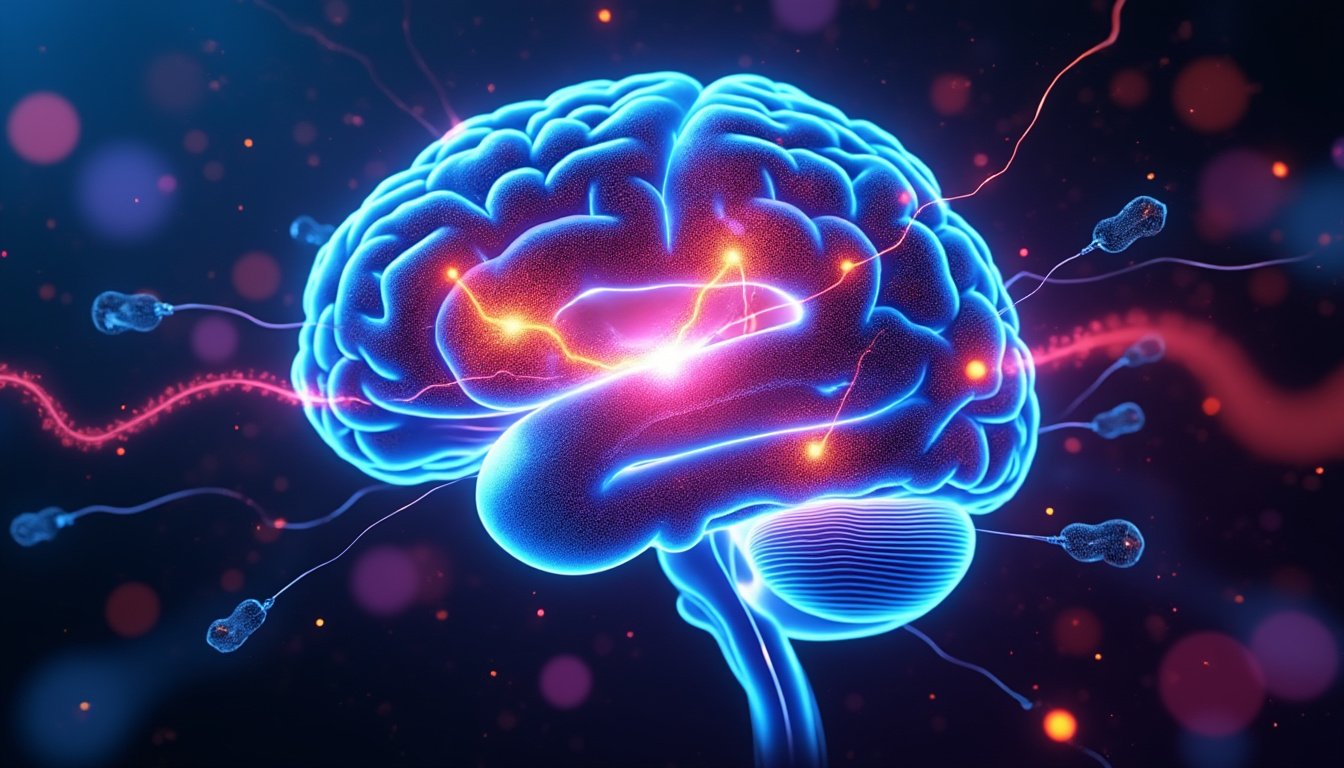
Overeating is not simply a failure of self-control but the visible symptom of underlying neural processes that influence decision-making. At the center of this lies the dorsolateral prefrontal cortex (DLPFC), a brain region critical for inhibitory control and executive function. Scientific studies using non-invasive brain stimulation, such as Transcranial Magnetic Stimulation (TMS) and Transcranial Direct Current Stimulation (tDCS), have shown that targeting the DLPFC can help reduce cravings and improve self-regulation during food consumption.
10 quick checks to spot low-quality supplements before you buy - plus research-backed doses for 12 common ingredients. Free PDF, no spam.
Research from 2025, as reported in MedicalXpress, highlights that combining TMS with cognitive inhibitory control training can enhance brain readiness for resisting impulsive eating. The stimulation temporarily modulates neuronal activity, heightening the brain’s ability to inhibit automatic urges triggered by sight or smell of unhealthy foods. Following stimulation sessions, participants engage in task-based training on smartphone apps designed by platforms such as Lumosity and Elite cognitive trainers like Neurocore and BrainCo, which guide users through repetitive exercises aimed at strengthening inhibition skills.
One study published in the American Journal of Clinical Nutrition (AJCN) demonstrated that after just four weeks of extended tDCS sessions targeting the left DLPFC, participants exhibited a notable decrease in snack intake and self-reported hunger levels compared to control groups. This change was also observable via brain scans, which indicated a reconfiguration of neural activity linked to the reward-processing circuits.
- TMS sessions are short: typically 10 to 15 minutes daily over a two-week period.
- Inhibitory Control Training: includes app-based tasks that present rapid decision challenges to resist temptation.
- Imaging and Behavioral Measures: evaluation includes functional MRI scans before and after the intervention, alongside hunger and craving questionnaires.
- Longitudinal Tracking: some studies have explored effects lasting several months post-intervention.
| Brain Region Targeted | Stimulation Method | Effect on Eating Behavior | Duration of Intervention |
|---|---|---|---|
| Left DLPFC | tDCS | Reduced snack intake and cravings | 4 weeks, daily 10-15 min sessions |
| Right DLPFC | TMS | Improved inhibitory control | 2 weeks, combined with cognitive training |
| Ventral Striatum (reward center) | TMS | Modulated reward-driven impulses | Variable, combined with app-based training |
These findings underscore the potential for brain stimulation combined with cognitive training to produce meaningful changes in eating-related behaviors, helping individuals break free from automatic overeating patterns.

How Cognitive Training Complements Brain Stimulation to Reinforce Healthy Food Choices
The power of brain stimulation to modulate impulse control comes to fruition when paired with targeted cognitive training techniques. Cognitive training apps, including popular offerings like CogniFit, Neurocore, and Peak, utilize controlled repetitive tasks designed to build inhibitory skills and enhance self-regulation in real-world eating situations.
These training regimens often present users with rapid-fire challenges involving images of both unhealthy and healthy foods, requiring quick decisions to ‘accept’ or ‘reject’ options, thereby conditioning the brain to shift attention away from calorie-dense temptations. This form of mental exercise parallels approaches used by other mental wellness platforms such as Headspace and Omvana, which focus on mindfulness and emotional regulation but are complemented here by tactical impulse control strengthening.
For example, a typical session might involve:
- Recognition tasks that sharpen attentional bias away from junk food cues.
- Response inhibition challenges where users learn to override automatic urges.
- Reward recalibration exercises aiming to reshape the brain’s valuation of healthy versus unhealthy foods.
- Ongoing progress tracking with personalized feedback and adaptive difficulty levels.
By repeating these exercises daily during and after brain stimulation protocols, the brain’s neuroplasticity is harnessed for sustained behavioral change. Participants often report increased awareness of food-related impulses and a notable decrease in compulsive snacking, as also echoed by nationwide studies reviewed in NewsMinimalist.
| Training Component | Purpose | Expected Outcome |
|---|---|---|
| Attentional Bias Modification | Redirect focus from unhealthy food cues | Reduced salience of junk food stimuli |
| Inhibitory Control Tasks | Strengthen impulse resistance | Better control over food choices |
| Reward Recalibration | Change reward value associated with foods | Increased preference for healthy options |
Integration of Brain Stimulation and Cognitive Training in Clinical Settings
Clinical trials employing the combined use of TMS and cognitive training have demonstrated enhanced efficacy compared to either method alone. Participants undergoing synchronized sessions report not only reduced impulsive eating episodes but also increased motivation for maintaining dietary changes. This integrated strategy is promising enough to be considered alongside standard behavioral weight management programs.
Additionally, technology companies like BrainCo and Neurocore are developing personalized cognitive training kits that integrate data from brain scans to customize the difficulty and focus areas for each individual, increasing the precision of interventions. Such advancements have been pivotal in forging new frontiers in personalized medicine for eating disorders.
The Neurological Basis of Overeating: How Impulses Override Reasoning
Neuroscience research lies at the heart of understanding why overeating occurs despite conscious attempts to eat healthily. The dual-system model provides an explanatory framework, where the impulsive system—largely driven by limbic structures such as the ventral striatum—interacts with the reflective system, dominated by the prefrontal cortex, including the DLPFC.
When individuals encounter high-calorie food cues, the impulsive system may trigger rapid, automatic urges for consumption. This often preempts reflective evaluative processes, making choices feel involuntary. This phenomenon is corroborated by studies from Johns Hopkins Medicine (Hopkins Medicine), which emphasize the brain’s learning and memory circuits adapting to habitual overeating, essentially conditioning individuals to eat beyond satiety.
- Automaticity of Eating: Routine exposure to palatable foods creates fast brain reactions that bypass conscious control.
- Stress and Fatigue: Weakened reflective control increases vulnerability to impulsive eating in stressful or tired states.
- Emotional Triggers: Negative emotions often elevate signal strength in reward centers, prompting compulsive food intake as coping.
Utilizing brain stimulation techniques can strengthen the impulse regulation circuitry, enabling the prefrontal cortex to regain dominance over reflexive responses. This rewiring supports healthier, more mindful eating decisions, as shown in recent long-term follow-ups of interventional studies that combine neuromodulation with cognitive apps like Fit Brains and Elevate.
| Factor Influencing Overeating | Neural Mechanism | Effect on Eating Behavior |
|---|---|---|
| Exposure to Food Cues | Ventral Striatum activation | Automatic cravings, impulsive eating |
| Stress | Reduced DLPFC activity | Decreased impulse control |
| Emotional States | Amygdala and Reward System Sensitization | Emotional eating, binge episodes |
Personalizing Brain-Based Interventions with Technology and Data Analytics
As brain stimulation and cognitive training techniques broaden in popularity, the next frontier lies in personalization. Since individual brain responses to food cues vary widely, tailored interventions increase the likelihood of successful outcomes. Companies like BrainCo and Neurocore leverage artificial intelligence and neurofeedback analytics to optimize stimulation parameters and cognitive training difficulty.
By integrating genetic information, hormonal profiles, and emotional assessments, clinicians can pinpoint which brain circuits require the most reinforcement. Applications like Lumosity and CogniFit offer customizable tasks that evolve with user progress, making daily exercises adaptable and engaging. Additionally, mental wellness apps such as Headspace and Omvana provide complementary emotional regulation strategies, supporting holistic treatment.
| Personalization Factor | Technology Used | Benefit |
|---|---|---|
| Brain Activity Profiles | Functional MRI, EEG | Identify targeted stimulation zones |
| Genetic Markers | Genotyping and Biomarker Analysis | Predict susceptibility and responses |
| Emotional and Behavioral Assessments | Self-Report and AI-based Monitoring | Adjust cognitive training focus |
| Adaptive Training Software | Lumosity, CogniFit, Peak | Maintains challenge and engagement |
This multifaceted approach, supported by apps like Myndlift and Fit Brains, empowers users with a feedback-driven pathway that incrementally retrains brain function. The convergence of neuroscience and technology heralds a new era in managing overeating and weight-related disorders with personalized care.
Social and Behavioral Factors: Supporting Brain-Based Strategies to Sustain Healthy Habits
Understanding that brain stimulation and cognitive training represent promising tools, sustainable lifestyle change also depends on addressing social and psychological dimensions. Research acknowledges that environmental triggers, emotional states, and habitual routines play vital roles in eating behaviors.
Effective programs now incorporate coaching and habit-building frameworks inspired by insights from celebrity self-help experts (LiveWell Magazine). These strategies leverage habit stacking and ongoing motivation to complement neurological interventions. Furthermore, incorporating nutritional education through resources on healthy snacks (LiveWell Magazine Healthy Snacks) and dietary planning improves self-efficacy.
- Habitual Triggers: Structure routines to avoid situations encouraging impulsive eating.
- Mindfulness Integration: Use apps like Headspace and Omvana to cultivate awareness and reduce emotional eating.
- Social Support Networks: Peer groups enhance accountability and share coping strategies.
- Sleep and Stress Management: Adequate rest and relaxation reduce vulnerability to cravings (Sleep Quality Article).
| Behavioral Factor | Intervention Strategy | Supporting Tools/Apps |
|---|---|---|
| Environmental Triggers | Routine restructuring and cognitive techniques | Elevate, CogniFit |
| Emotional Eating | Mindfulness and stress reduction | Headspace, Omvana |
| Social Isolation | Group support and coaching | Myndlift, Neurocore |
| Poor Sleep | Dietary and behavioral adjustments | Fit Brains, Lumosity |
By weaving brain-based interventions into a broader behavioral context and utilizing the wealth of digital resources available, individuals can build resilient habits that endure beyond clinical programs. This approach recognizes that sustainable change arises from a synergy of neuroscience, psychology, and practical lifestyle strategies.
Frequently Asked Questions
- What is Transcranial Magnetic Stimulation (TMS), and how does it help reduce overeating?
TMS is a non-invasive brain stimulation technique that uses magnetic pulses to target specific brain regions associated with impulse control. By modulating neural activity in the dorsolateral prefrontal cortex, it enhances the brain’s ability to resist automatic urges to overeat. - How do cognitive training apps improve self-control over eating habits?
These apps provide repetitive tasks that help users practice attentional control and inhibitory responses to food cues. Regular training strengthens neural pathways involved in impulse regulation, aiding in healthier food choices. - Are brain stimulation and cognitive training effective for everyone?
Effectiveness varies among individuals due to differences in brain activity, genetics, and emotional factors. Personalized approaches that tailor interventions to individual profiles tend to yield the best results. - Can these brain-based methods replace traditional diet and exercise?
They are intended to complement—not replace—healthy diet and exercise programs. Brain interventions improve adherence and decision-making, enhancing the success of broader lifestyle changes. - Where can I find cognitive training apps related to brain stimulation methods?
Popular platforms include Neurocore, BrainCo, Lumosity, CogniFit, Peak, Fit Brains, and Myndlift. Many of these apps offer exercises that complement brain stimulation interventions.
10 quick checks to spot low-quality supplements before you buy - plus research-backed doses for 12 common ingredients. Free PDF, no spam.
