
Close Menu
    Follow us on Google News
    Follow Livewell Magazine on Google News
    Facebook X (Twitter) Instagram
    LiveWell Magazine
    Facebook
    Follow LiveWell Magazine on Google News
    • Cancer

      Barry Manilow Opens Up About Embracing Healthier Lifestyle Choices During His Cancer Battle

      April 8, 2026

      Healthy Dad’s Unexpected Cancer Diagnosis Revealed After Ignoring Nighttime Bathroom Trips: ‘A Heartbreaking Surprise’

      February 22, 2026

      BREAKING NEWS: Gene therapy for sickle cell disease: a medical breakthrough still out of reach for many

      December 29, 2025

      How Your Drinking Habits Could Significantly Increase Your Cancer Risk

      December 28, 2025

      Could the time of day you get cancer treatment affect survival? What a new lung cancer study suggests

      December 25, 2025
    • Fitness

      At 100, the ‘First Lady of Fitness’ Shares Her Daily Workout Secrets and One Must-Have Food

      April 15, 2026

      How can weighted planks help you elevate your strength and master your core?

      April 14, 2026

      A 65-Year-Old Fitness Trainer’s Guide to Stocking Up on Healthy Foods at Costco

      April 10, 2026

      How many calories do you actually burn by running one mile?

      April 9, 2026

      Biochemist Reveals the Powerful 10-Minute Workout That Keeps the Mind Razor-Sharp All Day

      March 23, 2026
    • Health

      How can better patient-doctor communication help you stay on track with your medication?

      April 8, 2026

      What can an infectious disease doctor’s experiences in Kazakhstan and America teach us about global health?

      April 3, 2026

      Federal Judge Hits Pause on HHS Secretary Kennedy’s Vaccine Policy Overhaul

      March 18, 2026

      Medicare Advantage Shifts: Payments to Plans Increase as Enrollment Hits a New Record

      March 18, 2026

      The battle over “$0 premium” plans: What’s at stake for your healthcare?

      February 19, 2026
    • Lifestyle

      Solo Cooking Simplified: 8 Easy Habits to Eat Healthy When Cooking for One

      April 15, 2026

      Psychology-Backed Habits to Revolutionize Your Money Mindset

      April 11, 2026

      The ‘Healthy’ Habit That Could Be Holding You Back, Reveals New Research

      April 10, 2026

      How can finding the best flight deals reduce your travel stress and improve your well-being?

      April 9, 2026

      Daily Routine Discovered in New Study That Could Help Slow Down Aging

      April 6, 2026
    • Nutrition

      What are the surprising effects of eggnog on your blood sugar levels?

      April 16, 2026

      How can effective nutrition help you achieve a faster dental recovery?

      April 15, 2026

      Could eating microbial food reduce your risk of kidney disease?

      April 13, 2026

      What are the most effective nutrition strategies for healthy aging?

      April 10, 2026

      Which 7 vitamin C-packed fruits should you try to boost your immunity?

      April 10, 2026
    • Senior

      Nurturing Your Gut After 50: 7 Essential Habits for Lasting Digestive Wellness

      April 3, 2026

      Nourishing Your Golden Years: 10 Essential Nutrition Habits to Promote Healthy Aging and Maintain Independence After 60

      March 27, 2026

      Wound Care Revolution: How a New Medicare Payment System Aims to Cut Waste in Senior Care

      March 19, 2026

      The $2,000 Cap is Here: How the New Annual Out-of-Pocket Drug Limit Saves Seniors Thousands

      March 17, 2026

      Why Conventional Health Tips Might Shift After Turning 50

      March 15, 2026
    • Trends

      How could the 7 surprising travel trends of 2026 disrupt your wellness plans and how can you navigate them?

      April 15, 2026

      Which innovative skincare trends will shape the industry in 2026 according to Uliana-Sofiia Savchenko?

      April 6, 2026

      Transparency at HHS: How the New “Radical Transparency” Initiative Aims to Expose Big Pharma Conflicts

      March 13, 2026

      How Wearable Technology Could Spark a Revolution in Healthier Living

      February 5, 2026

      Early cholesterol treatment in kids may prevent heart disease for life

      January 28, 2026
    • Wellness

      Where can you find the ultimate wellness retreat in Mexico for tranquil explorers?

      April 14, 2026

      Lincoln YMCA to Celebrate Healthy Kids Day on April 11 with Free Event Promoting Summer Wellness

      April 12, 2026

      The 20-Minute Routine That Could Unlock a Healthier Heart and a Sharper Mind

      April 8, 2026

      How can celebrating Día de los Muertos at a Mexican-owned resort enhance your cultural wellness?

      April 6, 2026

      Is the rising cost of a Hawaii vacation becoming a barrier to your travel wellness?

      April 2, 2026
    Subscribe
    LiveWell Magazine
    Home»Screenings & Prevention»How screenings & prevention habits differ around the world—and what we can learn
    Screenings & Prevention

    How screenings & prevention habits differ around the world—and what we can learn

    Tina NguyenBy Tina NguyenNo Comments
    Facebook Twitter Email WhatsApp Pinterest LinkedIn Reddit Telegram Threads
    Share
    Facebook Twitter LinkedIn Email Reddit Telegram WhatsApp Threads
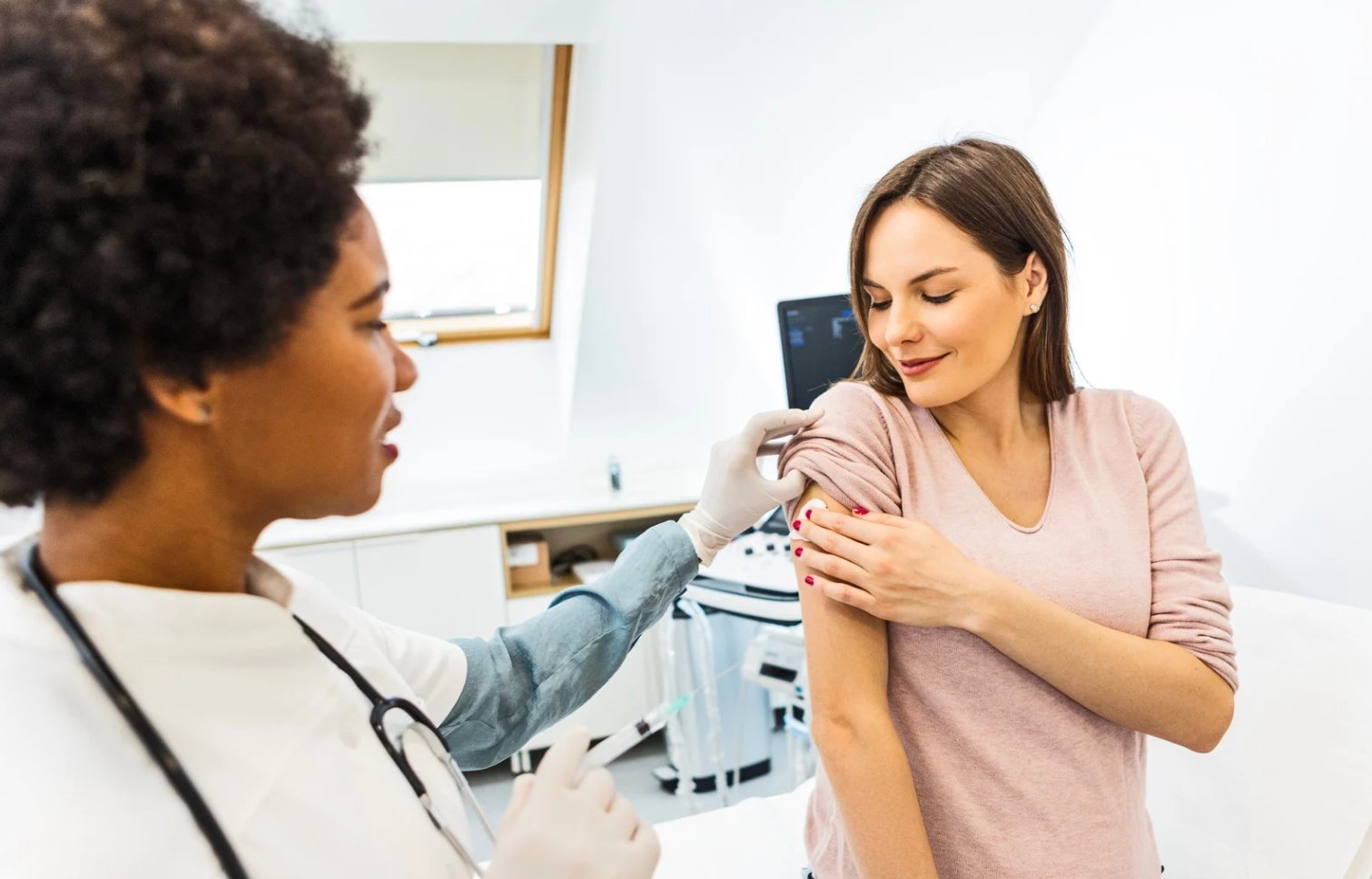
    Why do some people prioritize annual checkups, while others avoid hospitals unless absolutely necessary? Around the world, preventive health habits and screening practices vary drastically, influenced by cultural beliefs, healthcare access, and behavioral norms. As a psychologist and sociologist, I’ve spent years studying how human behavior is shaped not only by personal choices, but by collective narratives — and few topics reveal this better than how we manage our health.

    What are screenings and why do they matter?
    Health screenings — from cancer checks to blood pressure monitoring — are designed to detect disease early, often before symptoms appear. These routines are critical in preventing serious illness, reducing healthcare costs, and saving lives.
    Yet even when screenings are free or accessible, participation rates differ widely. Why? Because prevention is not just medical — it’s psychological and cultural. The choice to get checked is rooted in mindset, trust, fear, and social modeling.

    Prevention around the world: A glimpse into global habits

    Each region approaches health screening with its own rhythm and rationale — sometimes systemic, sometimes deeply personal.

    Japan: Precision and routine

    In Japan, preventive checkups are part of the national culture. Annual health exams, or “ningen dock,” are seen as acts of responsibility. There’s a strong societal value placed on maintaining health for the good of one’s family and community.

    United States: Proactivity meets inequality

    The U.S. emphasizes preventive care in its public health messaging, and many have access to routine screenings through insurance or workplace wellness programs. However, uptake varies dramatically across socioeconomic and racial groups, revealing deep systemic divides.

    Related Article :  Heartburn or GERD? how to tell the difference (and when to get checked)

    Scandinavia: Trust and structure

    In countries like Sweden and Norway, trust in healthcare systems is high, and preventive services are widely used and encouraged. There is less stigma around seeking help, and public campaigns are often holistic — linking mental, physical, and social health.

    France: Medical access with emotional hesitation
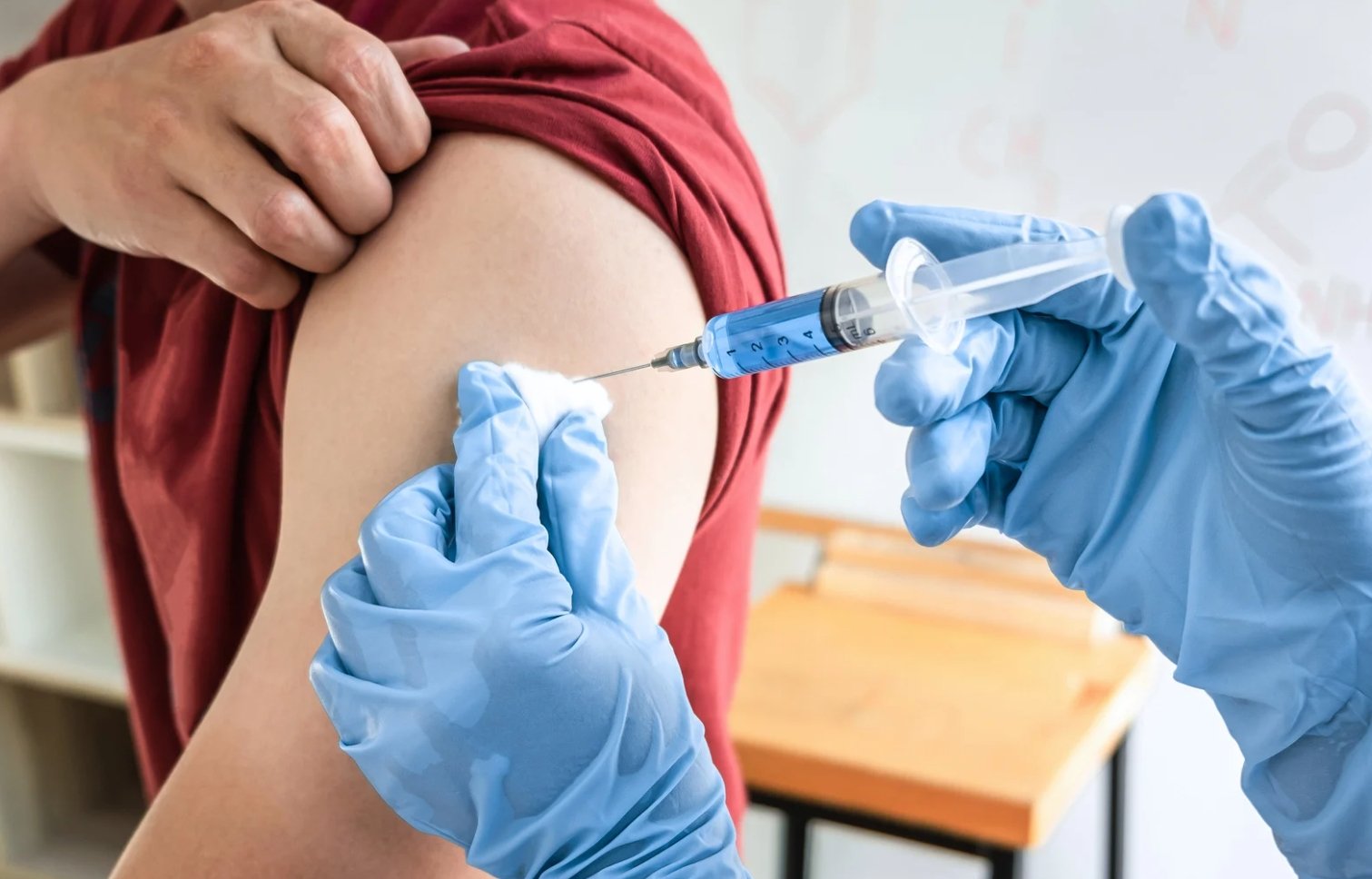
    France offers broad access to screenings through a strong healthcare infrastructure, but cultural resistance can exist around certain exams (such as colonoscopies or mental health assessments), often tied to embarrassment, denial, or privacy concerns.

    Sub-Saharan Africa: Community over clinic

    In many African countries, screenings are often campaign-based (e.g. mobile breast cancer exams or HIV testing). Healthcare access is improving, but prevention is often shaped more by community mobilization than individual initiative.

    Why do these habits differ? A behavioral perspective

    At the heart of these differences are human behaviors rooted in emotion, identity, and environment. Here’s why habits around prevention diverge:

    • Trust: In cultures where trust in medical systems is high, people are more likely to engage in regular screenings.
    • Stigma and fear: In some societies, illness — particularly cancer or mental health — is seen as shameful, leading to avoidance.
    • Cultural values: Collectivist cultures may prioritize health as a shared duty, while individualist cultures may delay until symptoms arise.
    • Role modeling: When leaders, teachers, or parents model prevention, younger generations are more likely to adopt it.
    • Health literacy: Knowing what screenings are, why they matter, and when to do them plays a critical role in behavior.

    Understanding these factors helps explain why two people — even with the same access — might make very different choices.

    Related Article :  National Cancer Prevention Month: Emphasizing Early Detection and Healthy Lifestyle Choices

    What can we learn — and apply — to our own lives?

    So, what lessons can a reader in New York, Nairobi, or Nice take from this global mosaic?

    • Normalize the checkup: Schedule health screenings like you would a haircut. They’re part of maintenance — not fear.
    • Challenge internal bias: If you avoid screenings, ask why. Is it fear of results? A belief that you’re too young? These are emotional cues worth unpacking.
    • Use resources wisely: Whether your system is public, private, or hybrid, find out what preventive services you’re entitled to — and use them.
    • Be a model: Talk openly about your screenings. You might inspire someone in your family or community to prioritize their health, too.
    • Focus on community: Health isn’t just personal. When we take care of ourselves, we protect those around us.
    The habits we form around our health are never random — they’re reflections of our history, our culture, and our inner dialogue. But no matter where you live, one truth is universal: early detection saves lives.
    Whether you’re inspired by Japan’s rigor, Scandinavia’s trust, or your neighbor’s example — the key is to act. Prevention doesn’t start in a clinic. It starts in the mind.
    Follow on Google News
    Share. Facebook Twitter LinkedIn Email WhatsApp Reddit Telegram Threads Copy Link
    Previous Articlehow brain stimulation and training can help curb overeating
    Next Article Top-rated health products you should actually try
    Avatar photo
    Tina Nguyen

    Tina has been a health journalist for over ten years, reporting from various countries around the world. Her international experience gives her a unique and nuanced perspective on global wellness trends, public health challenges, and cultural approaches to healthy living. Known for her curiosity and clarity, Tina strives to deliver reliable, well-researched content that resonates with diverse audiences. She is passionate about making health information both engaging and empowering for readers everywhere.

    Continue reading

    Enhanced Dosage of Common Vaccine Dramatically Reduces Alzheimer’s Disease Risk

    By FRANK JOST

    Beyond the Pill: Secretary Kennedy’s Plan to Shift HHS Focus to “Root Cause” Prevention

    By Frank Jost

    Leading Chinese Health Official Emphasizes Cancer Prevention Through Early Screening and Healthy Lifestyle

    By FRANK JOST

    The End of “Silver Loading”: How New Cost-Sharing Reductions Could Cut Your Monthly Premiums

    By Frank Jost

    National Cancer Prevention Month: Emphasizing Early Detection and the Power of Healthy Living

    By FRANK JOST

    National Cancer Prevention Month: Emphasizing Early Detection and Healthy Lifestyle Choices

    By FRANK JOST

    Opioid crisis update: success stories and the path forward

    By Amelie Goujon

    Vaccination campaigns: the key to preventing disease outbreaks

    By Amelie Goujon

    Autoimmune risk and air pollution: what emerging research could change in prevention

    By Amelie Goujon

    N95, ventilation, or “stay inside”? A practical guide for smoke days and high-AQI alerts

    By Amelie Goujon

    Heartburn or GERD? how to tell the difference (and when to get checked)

    By Frank Jost

    Not all strokes look like FAST: subtle symptoms you shouldn’t ignore

    By Frank Jost
    Add A Comment
    Leave A Reply Cancel Reply

    Subscribe to Our Newsletter

    Join the Live Well Magazine Newsletter and get exclusive tips on health, wellness, lifestyle, and personal growth — straight to your inbox.

    Trending
    Mental Health

    How can exploring Broadway and NYC’s theater district enhance your mental well-being?

    Mental Health

    What are the best strategies to manage hormonal migraines and improve your quality of life?

    Mental Health

    What is codependency and why is it a hidden threat beyond addiction?

    Nutrition

    What are the surprising effects of eggnog on your blood sugar levels?

    What are the hidden side effects of CoQ10 according to a top cardiologist?

    Lifestyle & Habits

    Solo Cooking Simplified: 8 Easy Habits to Eat Healthy When Cooking for One

    Facebook
    • About us
    • Contact us
    • Contributors
    • Legal
    • Privacy
    © 2026 livewellmagazine.org.

    Type above and press Enter to search. Press Esc to cancel.