

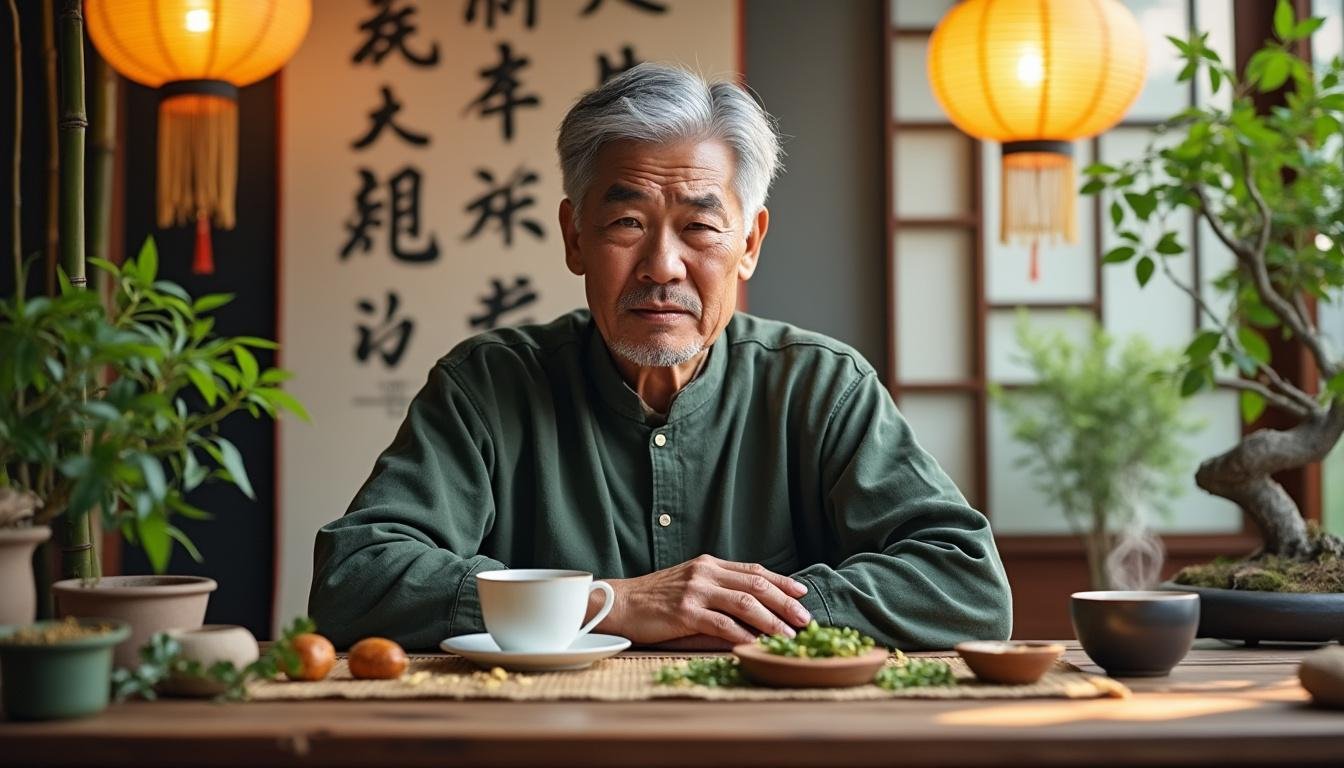
From Skepticism to Relief: A Personal Journey with Traditional Chinese Medicine for Intestinal Inflammation
Alexa Mellardo, a seasoned health journalist, shares her transformative experience battling chronic inflammation using Traditional Chinese Medicine (TCM) to address persistent intestinal inflammation. Like many, Alexa had long endured digestive discomfort, despite trying various diets and eliminating dairy products. “I was always curious but skeptical about acupuncture,” she admits, recalling her initial doubts. Yet, in just 30 days of weekly acupuncture sessions combined with stress management and dietary changes, she witnessed a profound shift in her gut health.

Unlocking the Healing Power of Acupuncture and Holistic Care
Acupuncture, a core element of TCM, relies on inserting fine needles to stimulate the nervous system, reducing pain and inflammation. Alexa’s acupuncturist examined her tongue and pulse—methods fundamental to diagnosing the body’s balance in Chinese medicine—before placing needles on strategic points of her body. The treatment also incorporated cupping therapy to improve circulation and loosen muscle tension. “The effects are subtle but powerful,” explains Haley Parker, an expert acupuncturist. “We’re not forcing the body but helping it to regulate itself.” This approach complements lifestyle modifications such as improved sleep, dietary adjustments, and stress reduction, which Alexa embraced by eliminating processed foods, reducing sugar intake, and practicing abdominal breathing exercises. Her experience highlights the importance of integrating natural remedies with supportive wellness habits.
The Science Behind Traditional Chinese Medicine and Gut Health in 2026
Modern research increasingly validates the efficacy of Traditional Chinese Medicine in treating functional gastrointestinal disorders and inflammatory bowel disease. TCM targets interconnected organs like the spleen, stomach, and liver to restore digestive balance and reduce chronic inflammation. Herbal formulations, immune-boosting botanicals, and acupuncture form a multifaceted therapeutic strategy. According to clinical studies, these natural compounds support the intestinal mucosal barrier and promote regeneration of healthy gut flora, vital for overall wellness.
As specialists underscore, the synergy between alternative medicine and contemporary nutritional science opens new doors for patients reluctant to rely solely on pharmaceuticals. For those interested in exploring complementary therapies in gut health, resources such as herbal remedies backed by science offer invaluable guidance.
Practical Tips for Incorporating TCM Principles into Everyday Life
For individuals seeking to embark on a similar wellness journey, experts advise adopting a holistic lifestyle rather than viewing acupuncture or herbal treatments as standalone cures. This means prioritizing quality sleep, balanced nutrition, consistent physical activity, and stress management techniques. Access to trustworthy information is key, and articles such as this doctor’s insights on foods and habits for well-being can enrich one’s understanding of balanced health.
Alexa’s story remains a compelling testament to the potential of letting patience and openness guide one through non-conventional options. Her case exemplifies how combining natural remedies and lifestyle changes with TCM’s time-honored practices can yield tangible improvements, reducing symptoms like cramping, diarrhea, and fatigue associated with intestinal inflammation.
10 quick checks to spot low-quality supplements before you buy - plus research-backed doses for 12 common ingredients. Free PDF, no spam.
