

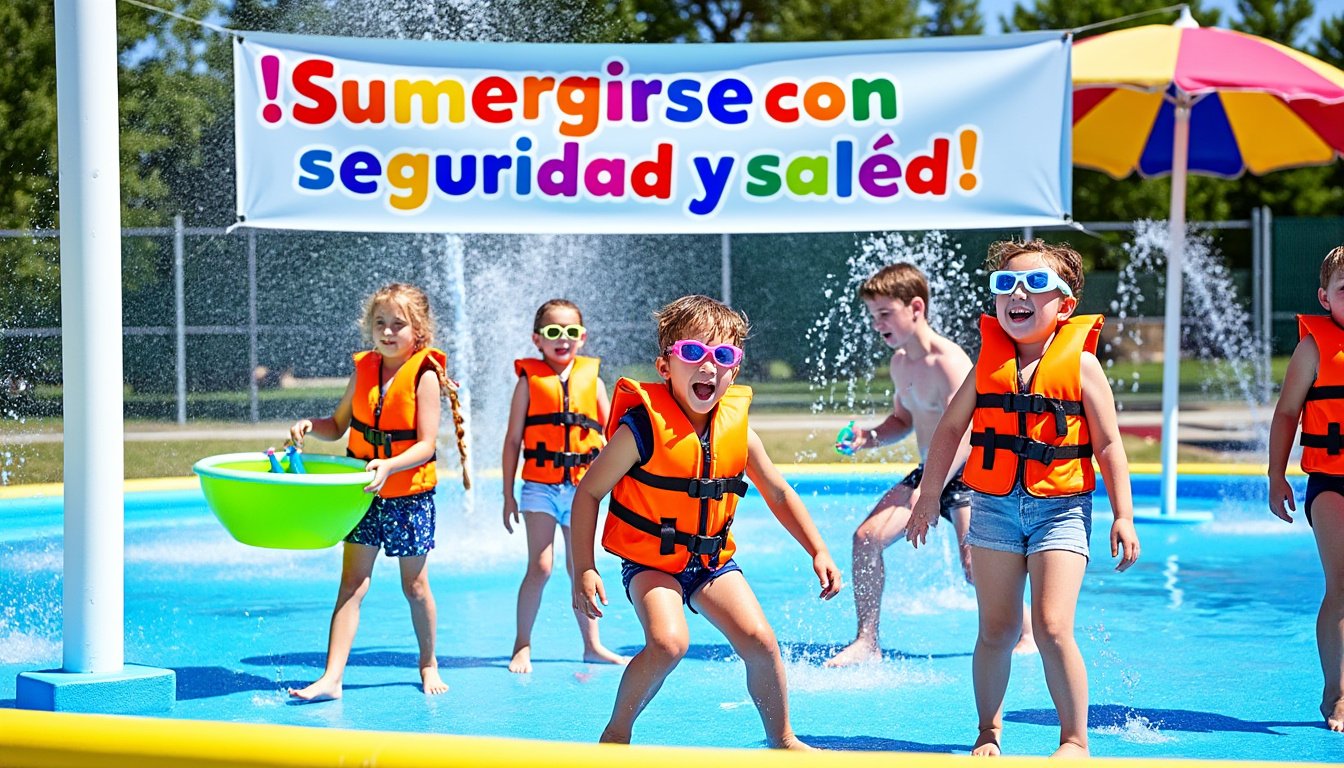
As the summer season eagerly approaches, communities worldwide prepare to dive into swimming activities that encourage fitness, family bonding, and wellness. The Promoting a healthy and safe swimming week initiative serves as a timely reminder of the importance of safeguarding public health during aquatic recreation. Water-based activities are among the most popular forms of physical exercise, especially for children and families, offering notable health benefits while also posing certain risks. The initiative underscores the essential roles played by swimmers, caregivers, aquatic staff, pool owners, and health authorities in preventing waterborne illnesses, chemical injuries, and drowning incidents.
The theme for this year’s campaign, “Splash Your Way into Fun, Not Germs,” highlights the specific precautions necessary when enjoying splash pads — vibrant and engaging water play areas for children. Educational tools and outreach efforts accompanying the initiative are designed to equip all stakeholders with knowledge to create safer swimming environments and promote the overall HealthySwimming lifestyle. By embracing measures like SwimSmart behavior and robust pool management practices, communities can foster a culture of wellness and water safety.
Effective promotion of the initiative includes the strategic use of resources such as communication kits developed by public health agencies and environmental bodies. These kits feature guidelines, tips, and artwork aimed at amplifying awareness through social media, local events, and educational programs. Highlighting topics such as infection control, chemical safety, and emergency preparedness, the campaign becomes a comprehensive effort to sustain the momentum of aquatic safety year-round. Engaging figures at every level, from parents to public health officials, encourages collective responsibility to maintain CleanWater environments and nurture the WellnessWave that swimming activities inspire.
Key Strategies for Preventing Waterborne Illnesses During Swimming Week
One of the most crucial aspects of the Healthy and Safe Swimming Week is curbing the transmission of recreational water illnesses (RWIs), a common hazard in pools, splash pads, waterparks, and beaches. These illnesses often stem from pathogens like Cryptosporidium, Giardia, and other bacteria or viruses introduced through fecal contamination, vomit, or inadequate hygiene practices. Especially at splash pads, where water is frequently recirculated and children play closely, the risk of spreading germs without proper precautions escalates.
The SwimSafe protocol promotes several actionable steps for children and caregivers to minimize exposure:
- Pre-swim showers: Encouraging thorough rinsing before entering water to eliminate germs and dirt.
- Avoiding swimming with illness: Children exhibiting diarrhea or symptoms of infection should refrain from water play until fully recovered.
- Regular bathroom breaks: To reduce accidental releases in water, caregivers should enforce bathroom visits and ensure diapers are changed frequently in designated areas.
- Use of proper swim diapers: For young children, this limits fecal contamination and subsequent health risks.
- Education on hand hygiene: Proper handwashing before and after water activities helps interrupt germ transmission cycles.
Public pool operators and aquatic managers adopting AquaGuard best practices implement rigorous sanitation protocols, including maintaining appropriate chlorine levels and filtration systems, as well as promptly responding to water contamination incidents. According to guidance found in the official Healthy and Safe Swimming Week communications (source), pools must balance comfort with safety by continually monitoring chemical concentrations to avoid pool chemical injuries, an often overlooked risk in water venues.
| Prevention Measure | Description | Benefit |
|---|---|---|
| Thorough Pre-Swim Shower | Wash off sweat, lotions, and potential germs before entering water | Reduces organic matter that can neutralize disinfectants |
| Proper Diaper Usage | Use swim-specific diapers for infants and toddlers | Limits fecal contamination risk, prevents RWIs |
| Regular Bathroom Breaks | Encourage children to take frequent bathroom breaks during aquatic activities | Prevents accidental release of pathogens in water |
| Maintained Chlorine Levels | Pool staff ensures chemical balance per health regulations | Kills germs and reduces infection risk |
Stakeholders can find extensive detailed guidance and visuals for these practices on the Virginia Department of Health’s comprehensive resource page for 2025 (link) and the CDC’s latest swimming safety site (link). Understanding these measures is central to reducing RWIs and protecting the health of all swimmers.
Enhancing Drowning Prevention Efforts: Lifesaving Techniques and Community Awareness
While preventing disease is fundamental, safeguarding swimmers against drowning remains a leading priority within the initiative. According to epidemiological data, drowning continues to be a significant cause of accidental death among children globally, making drowning prevention an essential community objective.
The Healthy and Safe Swimming Week advocates for strong partnerships between caregivers, aquatic professionals, and public health officials to cultivate a culture of vigilance and preparedness. Key emphasis areas include:
- Swim lessons promotion: Teaching children vital swimming skills enhances their confidence and reduces drowning risk. Programs branded under VitalSwim focus on accessible, age-appropriate lessons.
- Clear pool supervision policies: Poolside vigilance with trained lifeguards enforcing safety rules is imperative.
- Use of personal flotation devices (PFDs): Especially around open water or splash pads where water depth varies.
- Emergency action plan development: Facilities must rehearse responses to emergencies, including CPR and rescue techniques.
- Public awareness campaigns: Utilizing social media platforms to share videos and stories of successful rescues and safety tips supports community knowledge.
Notably, the initiative integrates modern outreach tools to reach parents and community members—social media SafeSplash campaigns, local events, and collaborative training sessions reinforce drowning safety messages. For instance, the Wood County Health Department has been active in promoting these measures via their dedicated Healthy and Safe Swimming Week program (source).
| Prevention Strategy | Key Actions | Community Impact |
|---|---|---|
| Swim Lessons | Enroll children in swim classes to improve water competence. | Reduced drowning incidents and increased water confidence. |
| Lifeguard Presence | Employ certified lifeguards for constant poolside monitoring. | Improved emergency response and accident prevention. |
| Use of PFDs | Encourage usage of approved flotation devices in risky areas. | Added physical safety, particularly for weak swimmers. |
| Emergency Preparedness | Conduct drills and establish response protocols. | Faster, organized responses to crises. |
| Community Campaigns | Leverage media to spread drowning prevention knowledge. | Greater public awareness and behavior change. |
Parents are encouraged to support their children’s involvement in such efforts by engaging in courses and safety workshops often available through local recreation centers or health departments. Resources highlighting these priorities can be found on the Alabama Department of Public Health’s site, emphasizing state participation in the initiative (link).
Pool Chemical Safety: Protecting Swimmers and Staff from Injuries
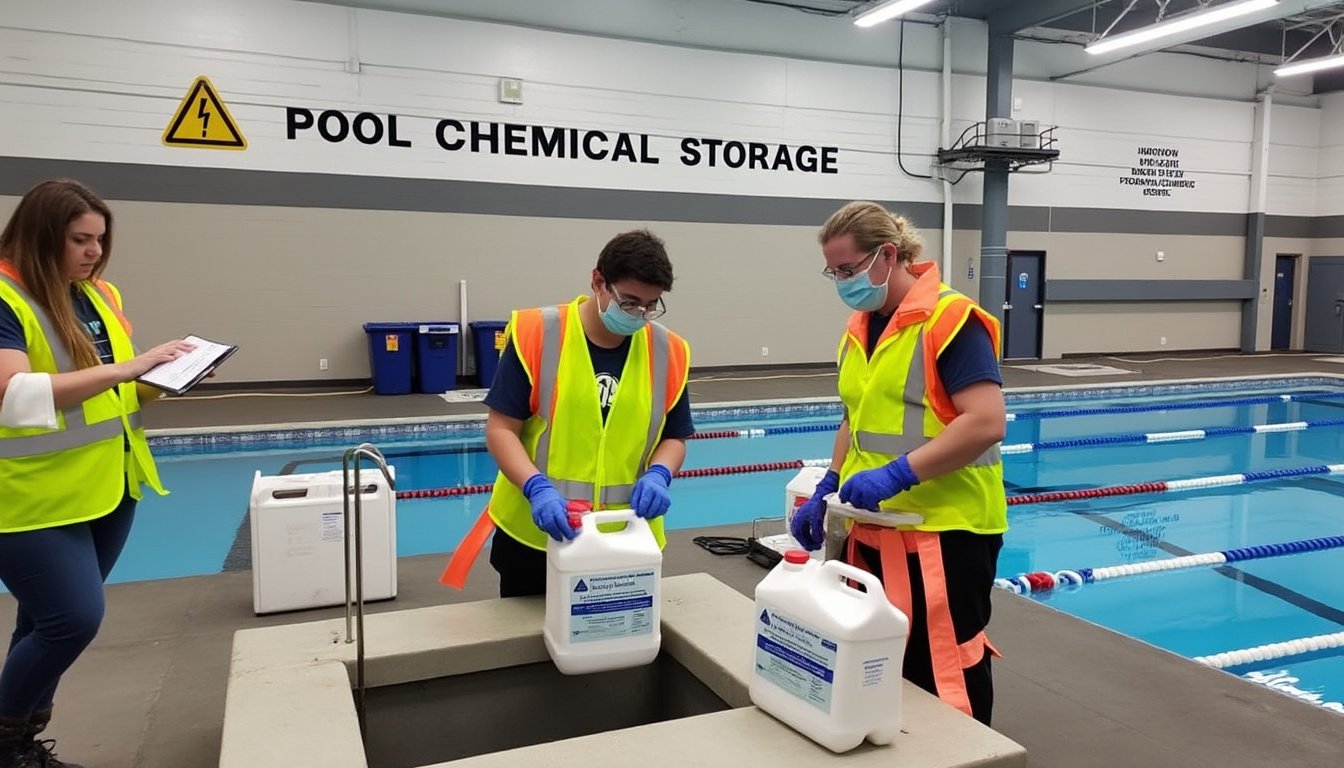
In aquatic environments, chemical maintenance is vital for water disinfection, yet improper handling may lead to injuries among swimmers and pool personnel. EcoSplash-oriented safety focuses on balancing effective pool sanitation with minimizing chemical hazards.
Pool chemical incidents happen most frequently due to mistakes in chemical mixing, overdosing, or insufficient ventilation in utility areas. This can cause respiratory issues, skin and eye irritation, or, in severe cases, chemical burns. The initiative promotes the following protective actions:
- Regular training of pool staff: Understanding chemical properties, safe handling, and emergency responses.
- Strict adherence to manufacturer guidelines: For storage, mixing, and application of chemicals.
- Clear signage and restricted access: Prevent unauthorized persons from entering chemical storage zones.
- Routine monitoring: Regular testing of pool water chemistry to keep disinfectants within safe ranges.
- Immediate incident reporting and response: Addressing chemical spills or accidents effectively to reduce harm.
These practices encompass part of a broader FitSwimmer approach—promoting safe, healthy swimming conditions while minimizing chemical-related risks. Public health guidelines, such as those detailed in CDC materials (source), reflect these principles, advising aquatic facilities to maintain vigilant chemical monitoring.
| Chemical Safety Measure | Recommended Practice | Expected Outcome |
|---|---|---|
| Staff Training | Comprehensive education on chemical handling & safety | Reduced risk of accidental exposures and injuries |
| Storage Protocols | Proper labeling and secure storage away from public areas | Prevent chemical misuse or contamination |
| Water Chemistry Testing | Periodic monitoring of chlorine and pH levels | Ensures effective disinfection and swimmer comfort |
| Emergency Procedures | Clear protocols for chemical spills or exposure | Swift corrective action minimizes harm |
Community Engagement and Education for Sustained Swim Safety
Achieving long-lasting improvements in swimming safety demands active community involvement alongside institutional efforts. The Healthy and Safe Swimming Week initiative partners with schools, healthcare providers, local governments, and nonprofits to deliver awareness and training tailored to diverse audiences.
Effective community engagement strategies emphasize:
- Inclusive educational programs: Workshops that cater to varied age groups and cultural backgrounds, incorporating hands-on demonstrations and interactive materials.
- Promotion of consistent behavior change: Encouraging regular practice of safety rules through campaigns and reminders.
- Empowerment of caregivers and children: Providing tools that foster responsible swim habits, such as scheduled swim time and hydration tips.
- Utilizing digital media & local influencers: Platforms such as TikTok, Instagram, YouTube, and Twitter facilitate wide-reaching, engaging messaging under hashtags like #WellnessWave and #EcoSplash.
- Collaboration with healthcare experts: Incorporating mind and body wellness tips to complement physical swim safety advice (source).
A structured communication plan, as presented in resources like the Healthy and Safe Swimming Week Communications Toolkit (link), helps partners coordinate effective messages that resonate deeply with target audiences. This synergy uplifts the community’s SwimSmart attitude, turning knowledge into action.
| Community Engagement Approach | Methods | Benefits |
|---|---|---|
| Diverse Educational Programs | Targeted workshops, multilingual materials, interactive learning | Enhanced understanding and accessibility across demographics |
| Consistent Messaging Campaigns | Social media, events, newsletters | Reinforces safety behavior adoption |
| Caregiver and Child Empowerment | Tools for home practice and advocacy | Increased personal responsibility for swim safety |
| Digital Media Utilization | Videos, influencer partnerships, hashtags like #WellnessWave | Broader reach and engagement with youth |
| Health & Wellness Integration | Expert-backed tips linking mind wellness with swim safety | Holistic approach improving overall wellbeing |
Empowering Parents and Caregivers: Practical Tips for Safe Splash Pad Experiences
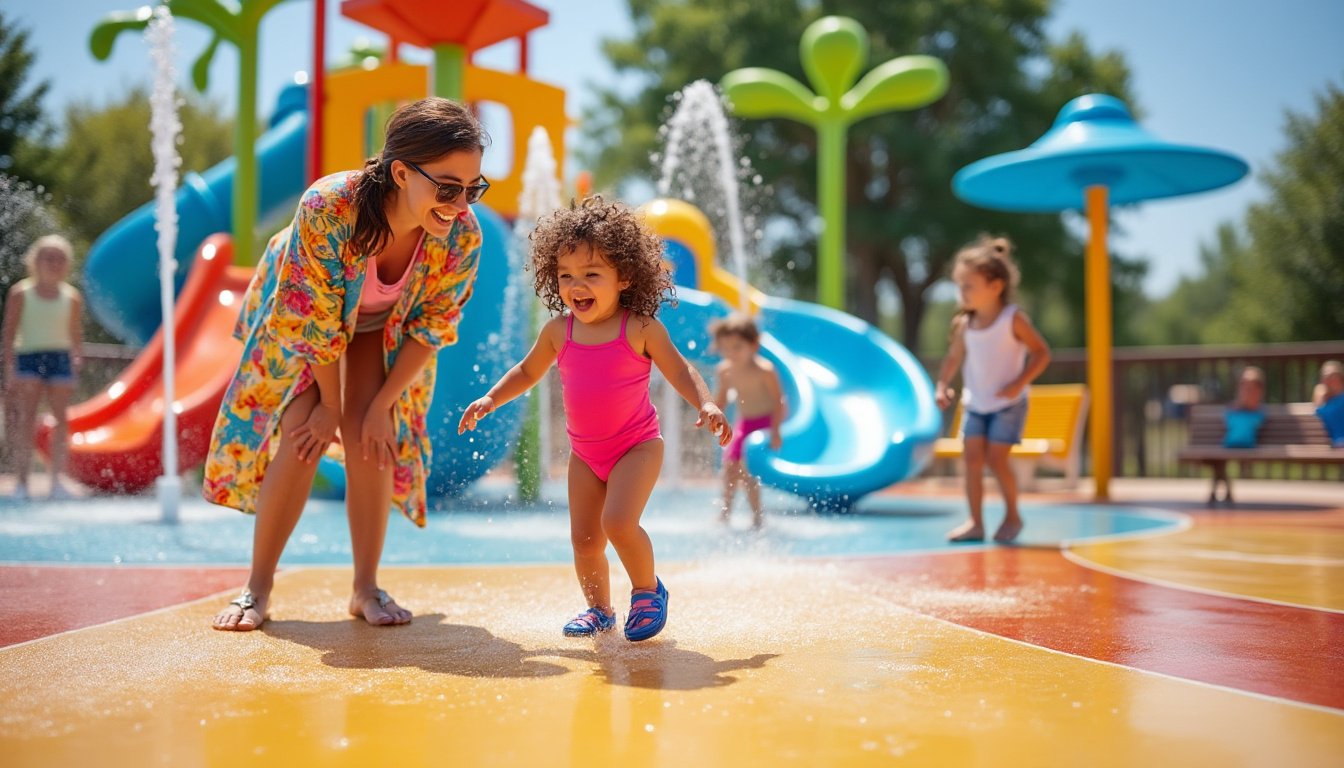
Children are the heart of many aquatic venues, especially splash pads designed for playful water interaction. Parents and caregivers play a pivotal role in ensuring these joyful moments do not come at the expense of health and safety.
This year’s initiative offers a suite of guidelines encapsulating the FitSwimmer mindset specifically aimed at families:
- Pre-visit preparations: Pack essentials like towels, sunscreen, water shoes, and a fresh swimsuit for every child.
- Hygiene vigilance: Encourage children to wash hands before and after play, and use onsite footbaths if available.
- Monitor hydration and sun protection: Regular water intake and reapplication of sunscreen to prevent heat-related illnesses.
- Observe facility cleanliness: Avoid splash pads that appear poorly maintained or lack adequate staff oversight.
- Active supervision: Stay close to children, set clear rules about safe play, and be ready to intervene if necessary.
Such pragmatic approaches reduce risks and maximize enjoyment. Moreover, sharing these practices within family and social circles helps propagate a culture of attentive swim safety. Interested parents can explore additional support at community health platforms like the Healthy and Safe Swimming Week info on Wood County Health Department’s website (link) or through CDC resources (link).
| Parental Tip | Implementation | Advantage |
|---|---|---|
| Bring Swim Essentials | Pack towels, sunscreen, shoes for children | Supports hygiene and comfort throughout water play |
| Encourage Hand Washing | Teach children to clean hands before and after play | Reduces germ transmission |
| Check Facility Conditions | Assess cleanliness and staff presence before use | Ensures healthier environment and safety oversight |
| Maintain Hydration & Protection | Provide water and apply sunscreen regularly | Prevents heat exhaustion and sunburn |
| Active Supervision | Stay close, enforce rules, be ready to assist | Prevents accidents and enhances child safety |
Frequently Asked Questions about Healthy and Safe Swimming Week
- What is the main goal of Healthy and Safe Swimming Week?
The primary goal is to promote health and safety practices that prevent waterborne illnesses, drowning, and pool chemical injuries among swimmers and aquatic staff. - How can parents help keep their children safe at splash pads?
Parents should enforce pre-swim hygiene, monitor hydration, ensure proper supervision, and select well-maintained splash pads for their children’s play. - Why is maintaining proper pool chemical levels important?
Correct chemical balancing kills harmful germs while preventing chemical-related injuries, making swimming environments both effective and safe. - What role do swim lessons play in drowning prevention?
They equip children with essential water survival skills, boosting confidence and significantly lowering drowning risks. - Where can communities find resources to promote swim safety?
Extensive materials and toolkits are available through the CDC, local health departments like Virginia’s (link), and organizations dedicated to aquatic safety.
