

Close Menu
    Follow us on Google News
    Follow Livewell Magazine on Google News
    Facebook X (Twitter) Instagram
    LiveWell Magazine
    Facebook
    Follow LiveWell Magazine on Google News
    • Cancer

      Barry Manilow Opens Up About Embracing Healthier Lifestyle Choices During His Cancer Battle

      April 8, 2026

      Healthy Dad’s Unexpected Cancer Diagnosis Revealed After Ignoring Nighttime Bathroom Trips: ‘A Heartbreaking Surprise’

      February 22, 2026

      BREAKING NEWS: Gene therapy for sickle cell disease: a medical breakthrough still out of reach for many

      December 29, 2025

      How Your Drinking Habits Could Significantly Increase Your Cancer Risk

      December 28, 2025

      Could the time of day you get cancer treatment affect survival? What a new lung cancer study suggests

      December 25, 2025
    • Fitness

      A 65-Year-Old Fitness Trainer’s Guide to Stocking Up on Healthy Foods at Costco

      April 10, 2026

      How many calories do you actually burn by running one mile?

      April 9, 2026

      Biochemist Reveals the Powerful 10-Minute Workout That Keeps the Mind Razor-Sharp All Day

      March 23, 2026

      The best workouts for busy people

      March 3, 2026

      A Fitness Trainer’s Perspective: How My Approach Transformed from 40 to 60

      March 2, 2026
    • Health

      How can better patient-doctor communication help you stay on track with your medication?

      April 8, 2026

      What can an infectious disease doctor’s experiences in Kazakhstan and America teach us about global health?

      April 3, 2026

      Federal Judge Hits Pause on HHS Secretary Kennedy’s Vaccine Policy Overhaul

      March 18, 2026

      Medicare Advantage Shifts: Payments to Plans Increase as Enrollment Hits a New Record

      March 18, 2026

      The battle over “$0 premium” plans: What’s at stake for your healthcare?

      February 19, 2026
    • Lifestyle

      Psychology-Backed Habits to Revolutionize Your Money Mindset

      April 11, 2026

      The ‘Healthy’ Habit That Could Be Holding You Back, Reveals New Research

      April 10, 2026

      How can finding the best flight deals reduce your travel stress and improve your well-being?

      April 9, 2026

      Daily Routine Discovered in New Study That Could Help Slow Down Aging

      April 6, 2026

      The So-Called ‘Healthy’ Habit That May Not Be Beneficial, Reveals New Research

      April 5, 2026
    • Nutrition

      Could eating microbial food reduce your risk of kidney disease?

      April 13, 2026

      What are the most effective nutrition strategies for healthy aging?

      April 10, 2026

      Which 7 vitamin C-packed fruits should you try to boost your immunity?

      April 10, 2026

      Daily Avocado Consumption: Insights from a Dietitian on Its Health Benefits

      March 25, 2026

      Celebrate National Nutrition Month this March with Toi Degree – Salisbury Post

      March 21, 2026
    • Senior

      Nurturing Your Gut After 50: 7 Essential Habits for Lasting Digestive Wellness

      April 3, 2026

      Nourishing Your Golden Years: 10 Essential Nutrition Habits to Promote Healthy Aging and Maintain Independence After 60

      March 27, 2026

      Wound Care Revolution: How a New Medicare Payment System Aims to Cut Waste in Senior Care

      March 19, 2026

      The $2,000 Cap is Here: How the New Annual Out-of-Pocket Drug Limit Saves Seniors Thousands

      March 17, 2026

      Why Conventional Health Tips Might Shift After Turning 50

      March 15, 2026
    • Trends

      Which innovative skincare trends will shape the industry in 2026 according to Uliana-Sofiia Savchenko?

      April 6, 2026

      Transparency at HHS: How the New “Radical Transparency” Initiative Aims to Expose Big Pharma Conflicts

      March 13, 2026

      How Wearable Technology Could Spark a Revolution in Healthier Living

      February 5, 2026

      Early cholesterol treatment in kids may prevent heart disease for life

      January 28, 2026

      Wearable health devices: the future of personalized medicine?

      January 27, 2026
    • Wellness

      Lincoln YMCA to Celebrate Healthy Kids Day on April 11 with Free Event Promoting Summer Wellness

      April 12, 2026

      The 20-Minute Routine That Could Unlock a Healthier Heart and a Sharper Mind

      April 8, 2026

      How can celebrating Día de los Muertos at a Mexican-owned resort enhance your cultural wellness?

      April 6, 2026

      Is the rising cost of a Hawaii vacation becoming a barrier to your travel wellness?

      April 2, 2026

      How will Palma Mallorca’s new party boat and vacation rental rules affect your travel wellness?

      April 1, 2026
    Subscribe
    LiveWell Magazine
    Home»Supplements»Do you really need supplements? Experts weigh in
    Supplements

    Do you really need supplements? Experts weigh in

    Amelie GoujonBy Amelie Goujon1 Comment
    Facebook Twitter Email WhatsApp Pinterest LinkedIn Reddit Telegram Threads
    discover the truth about dietary supplements as experts evaluate their necessity. this article dives deep into the benefits, risks, and recommendations to help you make informed choices about your health.
    Share
    Facebook Twitter LinkedIn Email Reddit Telegram WhatsApp Threads

    In a world flooded with messages that urge us to supplement our diets for better health, it’s tempting to reach for that multivitamin bottle promising an easier path to vitality. Yet, the reality is more nuanced. According to leading specialists like Dr. David Seres from Columbia University Irving Medical Center, individuals maintaining even a moderately balanced diet gain little from generic supplements. While nearly 80% of Americans consume supplements, fewer than 10% actually have a nutritional deficiency warranting such additions. This gap is amplified by the supplement industry’s aggressive marketing, often making unsubstantiated health claims that can confuse and mislead consumers.

    Importantly, not all supplements are harmless. Some, like high-dose green tea extracts, have been linked to severe health risks including liver failure. The regulatory environment remains reactive rather than preventive, with oversight only triggered upon adverse events. For those with diagnosed deficiencies or specific health conditions—such as osteoporosis or malabsorption disorders—a tailored supplement regimen prescribed by healthcare professionals remains essential. Meanwhile, the rest should proceed with caution, leaning on credible sources like USP Verified products from well-known brands including Nature’s Bounty, NOW Foods, and Garden of Life.

    The key takeaway? A thoughtfully balanced diet rich in fruits, vegetables, and whole foods forms the best foundation for health. Before considering supplements, consulting with medical practitioners or registered dietitians can ensure any additions truly benefit your well-being rather than pose unnecessary risks. This approach aligns with the latest expert reviews and regulatory insights shaping the conversation around dietary supplements in 2025.

    Understanding When Supplements Are Truly Necessary for Your Health

    Despite the widespread use of products from companies such as Optimum Nutrition and GNC, expert analysis reveals that supplements are vital only in specific circumstances. Dr. Seres emphasizes that supplementation benefits are limited mainly to those with documented nutritional gaps or certain medical conditions. These may include vitamin D and calcium for osteoporosis sufferers or vitamin B12 for individuals with absorption impairments.

    Related Article :  Psychobiotics: the gut-brain supplements gaining popularity

    Here are critical factors that justify the use of supplements:

    • Diagnosed deficiencies confirmed by blood tests, ensuring targeted therapy rather than guesswork.
    • Chronic illnesses that hinder nutrient absorption, such as Crohn’s disease or celiac disease.
    • Life stages like pregnancy or elderly age groups where nutritional demands evolve.
    • Dietary limitations, such as strict veganism, which may require supplementation for nutrients like B12 and omega-3 fatty acids.
    • Guidance from healthcare professionals to avoid unnecessary or potentially harmful supplement use.

    Understanding these qualifiers can save consumers from wasting money on ineffective or risky products. Brands like Vital Proteins and Thorne Research offer USP-verified options that adhere to stringent quality standards, representing safer choices when supplements are necessary.

    explore the necessity of dietary supplements as experts share their insights and research findings. discover whether supplements are essential for your health or if a balanced diet suffices.

    Beware of Misleading Supplement Claims and Industry Oversight Gaps

    The supplement market in 2025 has ballooned to over 80,000 products, many with health claims such as “supports heart health” or “boosts immunity” that lack robust scientific validation. This environment creates confusion and often leads consumers to self-prescribe supplements unnecessarily.

    Key risks associated with lax regulation and promotional tactics include:

    • False advertising substantiated by cases like the Prevagen memory booster, which faced legal action for inaccurate claims.
    • Potential toxicity from untested ingredients, evidenced by green tea extract supplements leading to liver damage.
    • Variable content quality where actual ingredient amounts differ significantly from label declarations.
    • Delayed regulatory action as enforcement only occurs post-complaint or confirmed adverse events.
    • Consumer confusion due to vague or misleading health benefit statements.

    Experts suggest relying on supplements bearing the USP Verified Mark, which guarantees contents match labels and are free from harmful contaminants. Well-regarded brands including Garden of Life and MegaFood often pursue such certification, contributing to better consumer safety.

    Related Article :  Do you really need supplements? Experts weigh in

    How to Build a Balanced Nutritional Regimen Without Over-Reliance on Supplements

    Medical professionals advocate for a nutrient-rich diet as the cornerstone of health rather than dependence on pills. The latest dietary guidelines emphasize flexibility, promoting foods high in vitamins and minerals over rigid supplement use.

    To optimize your nutritional intake naturally, consider these evidence-based strategies:

    • Fill half your plate with fruits and vegetables to maximize fiber, antioxidants, and essential micronutrients.
    • Incorporate whole grains and lean proteins such as legumes, fish, and poultry for balanced macronutrients.
    • Stay hydrated and moderate processed foods that can contribute to nutrient depletion.
    • Consult registered dietitians for personalized plans addressing unique lifestyle or health concerns.
    • Limit self-prescription of supplements to avoid unnecessary intake and unintended interactions.

    Following these tips aligns with expert recommendations and reduces dependence on unproven dietary supplements. To dive deeper, explore reputable health sources like eMedNews and Harvard Health for up-to-date guidance.
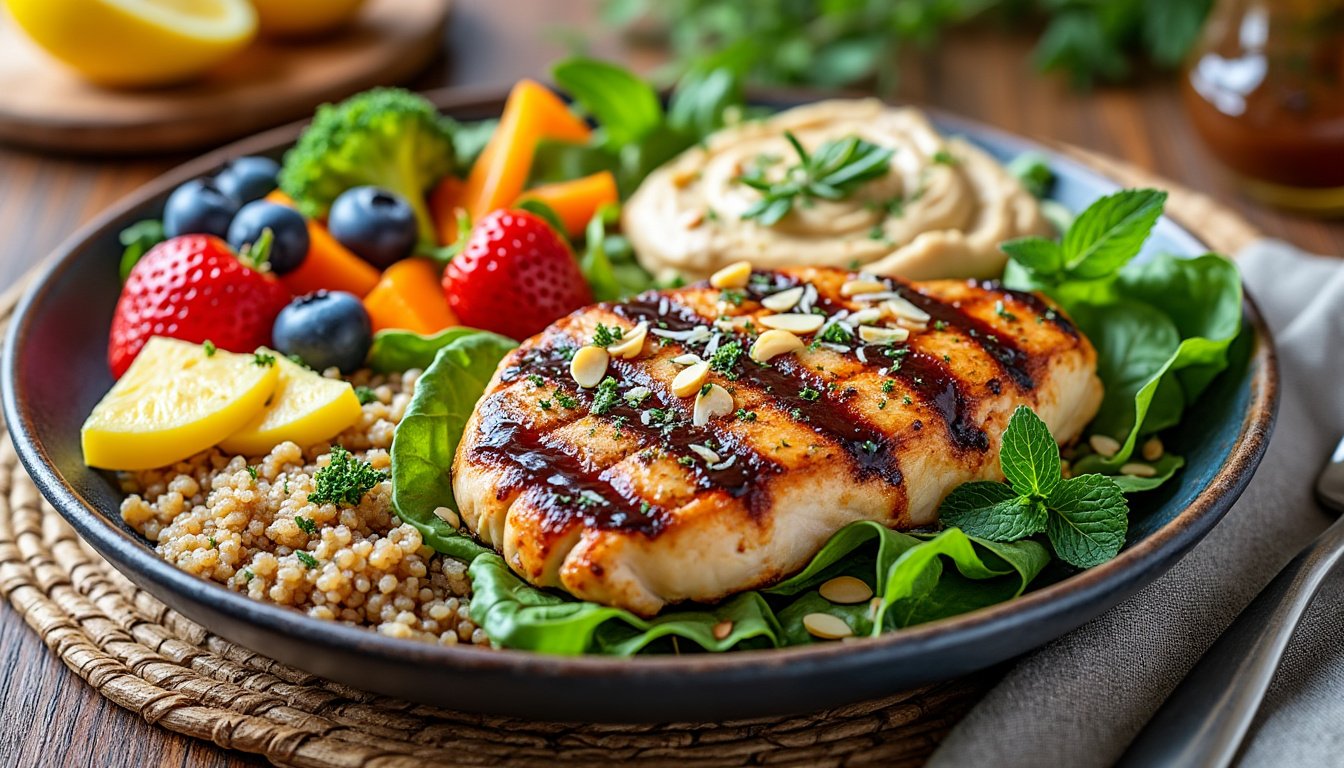
    explore the necessity of supplements with insights from experts. discover whether you truly need to incorporate vitamins and minerals into your diet for optimal health.

    Choosing Trusted Supplement Brands When Necessary

    When supplementation is needed, selecting products from reputable manufacturers is critical. Brands like Nature’s Bounty, NOW Foods, and Herbalife are known for their commitment to quality and often obtain USP verification.

    Consider these points when choosing supplements:

    • Look for verified labeling to ensure product integrity.
    • Check for regulatory compliance including adherence to FDA Good Manufacturing Practices.
    • Research brand reputation and consumer reviews for safety and effectiveness.
    • Avoid products promising miracle cures or unsupported health benefits.
    • Consult healthcare providers before beginning any new supplement regimen.

    Thoughtful selection minimizes risk and enhances the chance of meaningful health benefits when supplementation becomes essential. For those intrigued by the balance between natural health practices and supplementation, resources like Live Well Magazine offer science-backed insights.

    Related Article :  Collagen vs whey: which supplement do active adults prefer?


    Follow on Google News
    Share. Facebook Twitter LinkedIn Email WhatsApp Reddit Telegram Threads Copy Link
    Previous ArticlePromoting a healthy and safe swimming week initiative
    Next Article Eco-friendly swaps for a healthier home
    Avatar photo
    Amelie Goujon

    Amélie has been working in the health sector for over 15 years and now serves as an online journalist specializing in healthy living. Her background in healthcare gives her articles a solid foundation of credibility and empathy. Passionate about wellness, nutrition, and prevention, she translates complex medical topics into clear, accessible content for a wide audience. Through her writing, Amélie aims to empower readers to make informed choices and adopt healthier daily habits.

    Continue reading

    Which are the 6 best vitamins and supplements recommended by experts to boost your immune system?

    By Amelie Goujon

    Do you really need supplements? Experts weigh in

    By Tina Nguyen

    B-complex supplements for fatigue: what people want to know

    By Tina Nguyen

    Melatonin alternatives: what consumers are searching for instead

    By Tina Nguyen

    CoQ10: why adults over 50 are turning to this supplement

    By Tina Nguyen

    Collagen vs whey: which supplement do active adults prefer?

    By Tina Nguyen

    Ashwagandha: the most discussed stress-relief supplement

    By Tina Nguyen

    Supplements most commonly searched for post-viral fatigue

    By Tina Nguyen

    Anti-inflammatory supplements people rely on

    By Tina Nguyen

    NAC supplements: why they’re becoming mainstream

    By Tina Nguyen

    Vitamin D3 + K2: the powerhouse duo for immunity

    By Tina Nguyen

    Collagen 2.0: new formulas women prefer

    By Tina Nguyen
    View 1 Comment

    1 Comment

    1. Pingback: NAC supplements: why they’re becoming mainstream - LiveWell Magazine

    Leave A Reply Cancel Reply

    Subscribe to Our Newsletter

    Join the Live Well Magazine Newsletter and get exclusive tips on health, wellness, lifestyle, and personal growth — straight to your inbox.

    Trending
    Sports & Physical Therapy

    Can these 5 simple exercises help you achieve long-term hip pain relief?

    Health & Safety

    Cardiologist Issues Warning: The Snack You Should Steer Clear of to Protect Your Heart

    Nutrition

    Could eating microbial food reduce your risk of kidney disease?

    Parenting & Family

    Healthy Kids Day: Enjoy Free Family Activities at Stevens Point Area YMCA

    Diet & Weight Loss

    The Ultimate Late-Night Drink for Stable Blood Sugar, According to a Dietitian

    Wellness

    Lincoln YMCA to Celebrate Healthy Kids Day on April 11 with Free Event Promoting Summer Wellness

    Facebook
    • About us
    • Contact us
    • Contributors
    • Legal
    • Privacy
    © 2026 livewellmagazine.org.

    Type above and press Enter to search. Press Esc to cancel.