

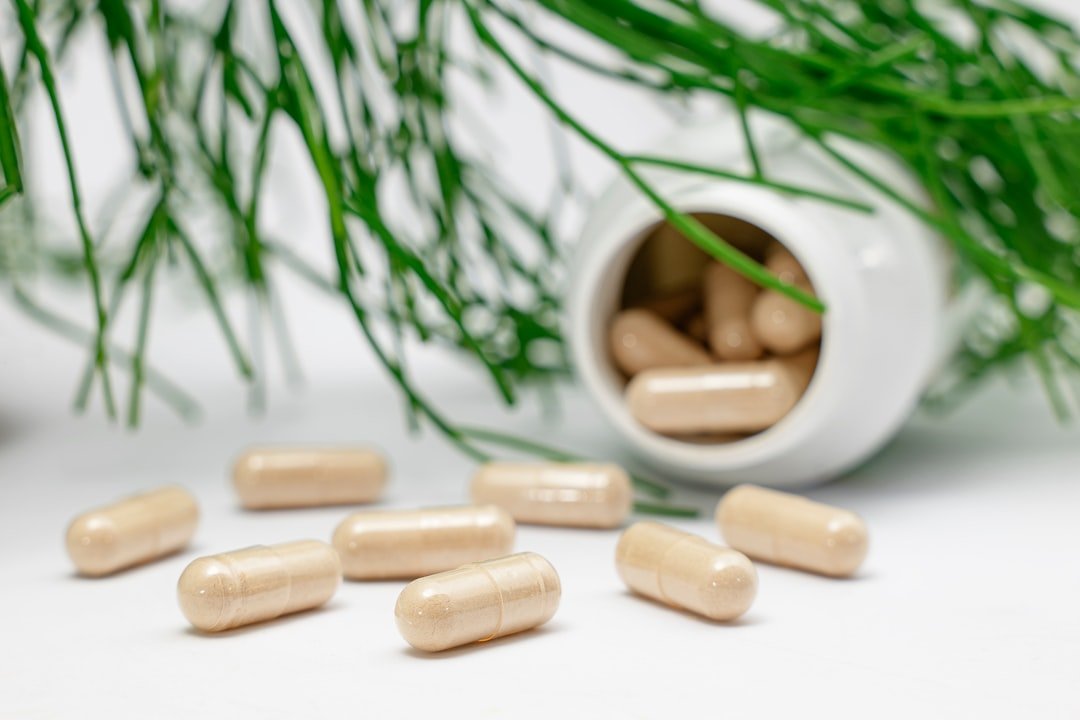
In an era where the global wellness market has ballooned into a $60 billion industry, navigating the aisles of a pharmacy or scrolling through online health stores has become an exercise in overwhelming choice. As we settle into 2026, the noise surrounding dietary supplements has reached a fever pitch, driven by social media influencers and artificial intelligence chatbots dispensing unverified medical advice. While nearly three in five adults currently rely on at least one daily pill to boost their vitality, leading experts from Stanford Medicine are sounding the alarm: most of these products offer no proven benefit for the average person, and some may even pose significant health risks. This investigation dives into the science, separating the necessary medical interventions from the costly hype.
In Brief: Key Takeaways on Supplement Safety
To help decide whether a nootropic might be useful for you, consider this review of RhythmONE that examines its evidence and value.
For readers weighing up whether to add a beauty supplement, is ProNail Complex worth it? summarises the claims, ingredients and what the research says.
10 quick checks to spot low-quality supplements before you buy - plus research-backed doses for 12 common ingredients. Free PDF, no spam.
For anyone questioning whether the claimed benefits stack up, see our Moringa Magic review for an evidence-based appraisal of the formula.
If you’re weighing up whether a product is necessary, read is iGenics worth it? for an evidence-based take on its benefits and limitations.
- Food First Philosophy: Nutrients are absorbed far more effectively from whole foods than from synthetic isolates found in pills.
- Targeted Use Only: Supplements are primarily beneficial for individuals with diagnosed deficiencies, specific dietary restrictions (like vegans), or conditions affecting absorption.
- Safety Gaps: The FDA regulates supplements as food, not drugs, meaning safety and potency are not guaranteed before they hit the shelves.
- The “Natural” Myth: Just because a product is labeled natural does not mean it is safe; serious interactions with prescription medications are a real danger.
- More isn’t Better: High doses of vitamins can lead to toxicity or simply result in “expensive urine,” as the body excretes what it cannot use.
The Reality Check: Identifying Who Actually Needs Dietary Supplements
The prevailing narrative in modern marketing suggests that everyone requires a nutritional boost to survive the stresses of contemporary life. However, clinical dietitians and medical researchers argue that this “blanket approach” is scientifically flawed. Marily Oppezzo, PhD, and Catherine Hu from Stanford Lifestyle Medicine emphasize that supplementation should be treated as a targeted intervention rather than a daily habit for the masses. The human body is incredibly efficient at extracting what it needs from a varied diet, and for the vast majority of healthy adults, a colorful plate provides a more complex and effective nutrient profile than any capsule ever could.
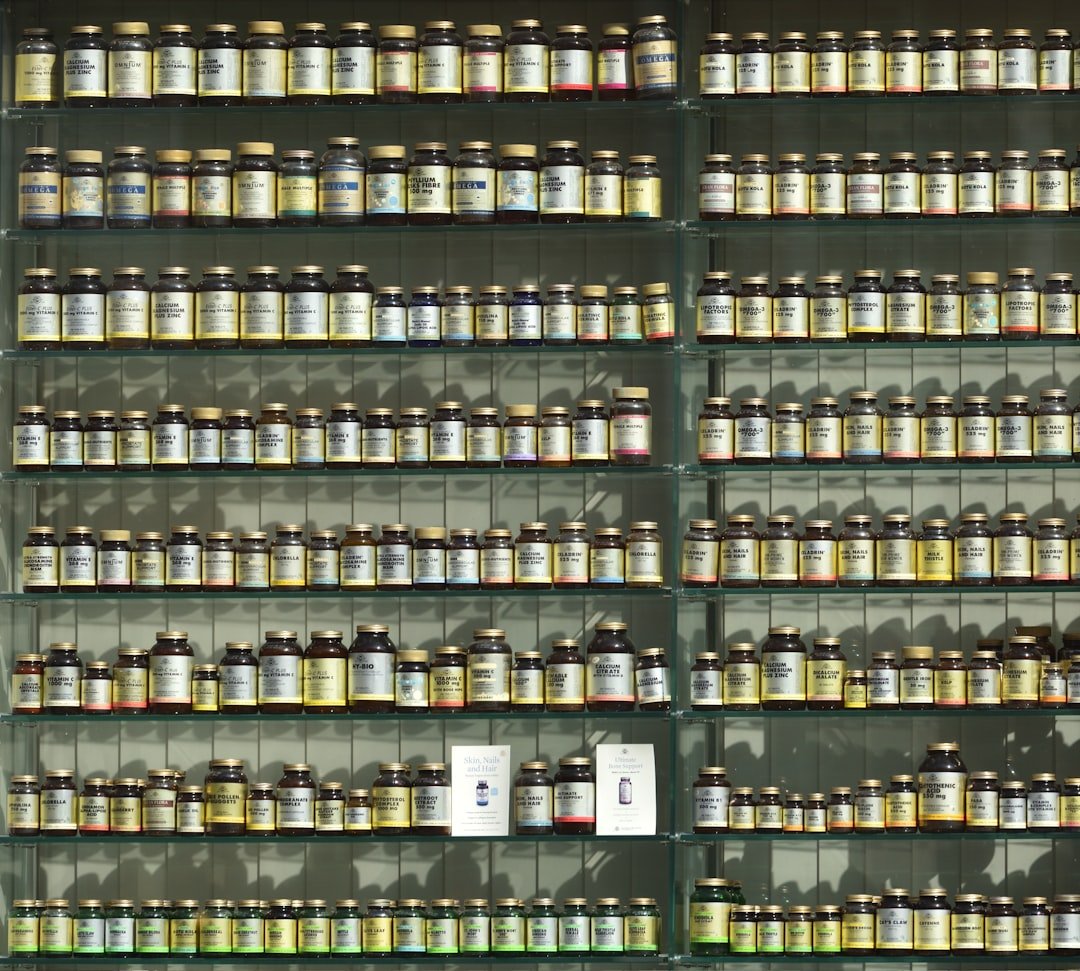
Recognizing True Deficiencies and Clinical Requirements
The only foolproof way to determine a need for supplementation is through biological data, not intuition or advertising. Blood tests tailored to identify specific gaps—such as low iron, Vitamin D, or B12 levels—are the gold standard. Symptoms like persistent fatigue, brittle nails, or unexplained skin changes often signal a deficiency, but these should trigger a visit to a healthcare provider rather than a trip to the supplement aisle. It is crucial to understand when you actually need dietary supplements based on clinical evidence rather than marketing claims.
Certain demographics, however, have non-negotiable needs. For instance, individuals who have undergone bariatric surgery or are utilizing GLP-1 agonists for weight management often consume too few calories to meet their nutritional baselines. Similarly, vegans must supplement with Vitamin B12, a nutrient found almost exclusively in animal products. Ignoring these specific biological requirements can lead to long-term neurological and physiological damage.
The Hidden Dangers Behind “Natural” Labels and Regulation Gaps
A widespread and dangerous misconception is that “natural” equals “safe.” This fallacy is particularly concerning given that the Food and Drug Administration (FDA) does not vet supplements for safety or efficacy before they enter the market. This regulatory gray area means that the purity of the bottle in your cabinet is largely determined by the manufacturer’s integrity. Independent analyses have frequently found alarming contaminants, such as heavy metals in turmeric pills or mycotoxins in algae-based supplements like spirulina. To mitigate risk, consumers should look for verification seals from third-party organizations like USP or NSF.
Furthermore, the chemical potency of these “natural” compounds can wreak havoc when combined with prescription medications. A senior taking blood thinners, for example, could suffer serious complications from taking Vitamin K, which promotes clotting. Similarly, mixing St. John’s Wort with antidepressants can lead to dangerous serotonin levels. Because of these risks, it is imperative to avoid dangerous combinations that could threaten your health by keeping your medical team fully informed of every pill you swallow.

Why the “More is Better” Mentality Fails
The human body is not a storage unit for infinite vitamins; it is a finely tuned biological machine with limits on absorption. When you consume megadoses of vitamins—far exceeding the Recommended Dietary Allowance (RDA)—the best-case scenario is often that your kidneys filter out the excess, resulting in what experts wryly call “expensive urine.” Water-soluble vitamins like the B-complex are classic examples of this phenomenon.
However, the worst-case scenario involves toxicity. Fat-soluble vitamins, which are stored in the body’s tissues, can build up to harmful levels. Excessive Vitamin A can cause liver damage, while too much Vitamin B6 has been linked to nerve damage. Experts weigh in on who should take supplements and emphasize that sticking to standard guidelines is safer than chasing the “super-doses” often promoted online.
Whole Foods vs. Synthetic Isolates: The Absorption Debate
Nature packages nutrients in a complex matrix that scientists struggle to replicate in a lab. When you eat broccoli, you aren’t just getting a single vitamin; you are ingesting fiber, phytochemicals, and co-factors that work synergistically to enhance absorption and health benefits. Extracting a single compound and turning it into a powder often strips away this biological context, rendering the nutrient less potent. For example, while many turn to pills for gut health, research suggests that eating fermented foods like kimchi or yogurt is far superior to taking isolated digestive enzyme supplements or probiotics.
This “food first” approach also serves as a safeguard against the competitive absorption that occurs in multivitamin pills. In a single capsule, minerals like iron and calcium can actually block each other from being absorbed by the body. Splitting nutrient intake throughout the day via meals allows the body to process these essential elements efficiently without chemical interference.
Smart Supplementation Strategies for Healthy Aging
While the general advice leans away from unnecessary pill-popping, aging does change our biological requirements. As we enter our senior years, our ability to absorb certain nutrients, such as Vitamin B12 and calcium, naturally diminishes. This is where strategic supplementation becomes a pillar of preventative health. Women post-menopause often require additional calcium and Vitamin D to protect bone density, while others may need to support their vision or heart health with targeted interventions.
Groups who should consider supplementation include:
- Seniors over 50: Often require extra Vitamin B12, Vitamin D, and Calcium for bone and nerve health.
- Pregnant Patients: Prenatal vitamins with folic acid and omega-3s are non-negotiable for fetal development.
- Restricted Diets: Vegans and vegetarians often lack B12, iron, and zinc.
- Specific Conditions: Those with osteoporosis, macular degeneration, or malabsorption issues (like Crohn’s disease).
Ultimately, supplements should be viewed as a tool to bridge a confirmed gap, not a magic wand for wellness. Before adding anything to your regimen, verify if it is truly necessary or if you are simply buying into the hype. For many, simply avoiding anti-inflammatory supplements and focusing on an anti-inflammatory diet is the wiser, more effective choice.
Are multivitamins necessary for everyone?
No. For most healthy adults with a varied diet, multivitamins are not necessary. They are generally safe but often result in the excretion of unabsorbed nutrients. They are best reserved for those with poor diets or specific absorption issues.
How do I know if a supplement is safe?
Since the FDA does not strictly regulate supplements, look for products verified by independent third-party organizations like US Pharmacopeia (USP), NSF International, or ConsumerLab.com to ensure quality and purity.
Can I take supplements instead of eating vegetables?
No. Supplements cannot replicate the complex matrix of fiber, phytochemicals, and nutrients found in whole foods. Nutrients from food are generally better absorbed and provide synergistic health benefits that pills cannot offer.
What is the risk of taking too much Vitamin D?
While Vitamin D is essential, excessive amounts can lead to toxicity, potentially causing calcium buildup in the blood (hypercalcemia), which can damage the kidneys and heart and ironically weaken bones.
10 quick checks to spot low-quality supplements before you buy - plus research-backed doses for 12 common ingredients. Free PDF, no spam.
