

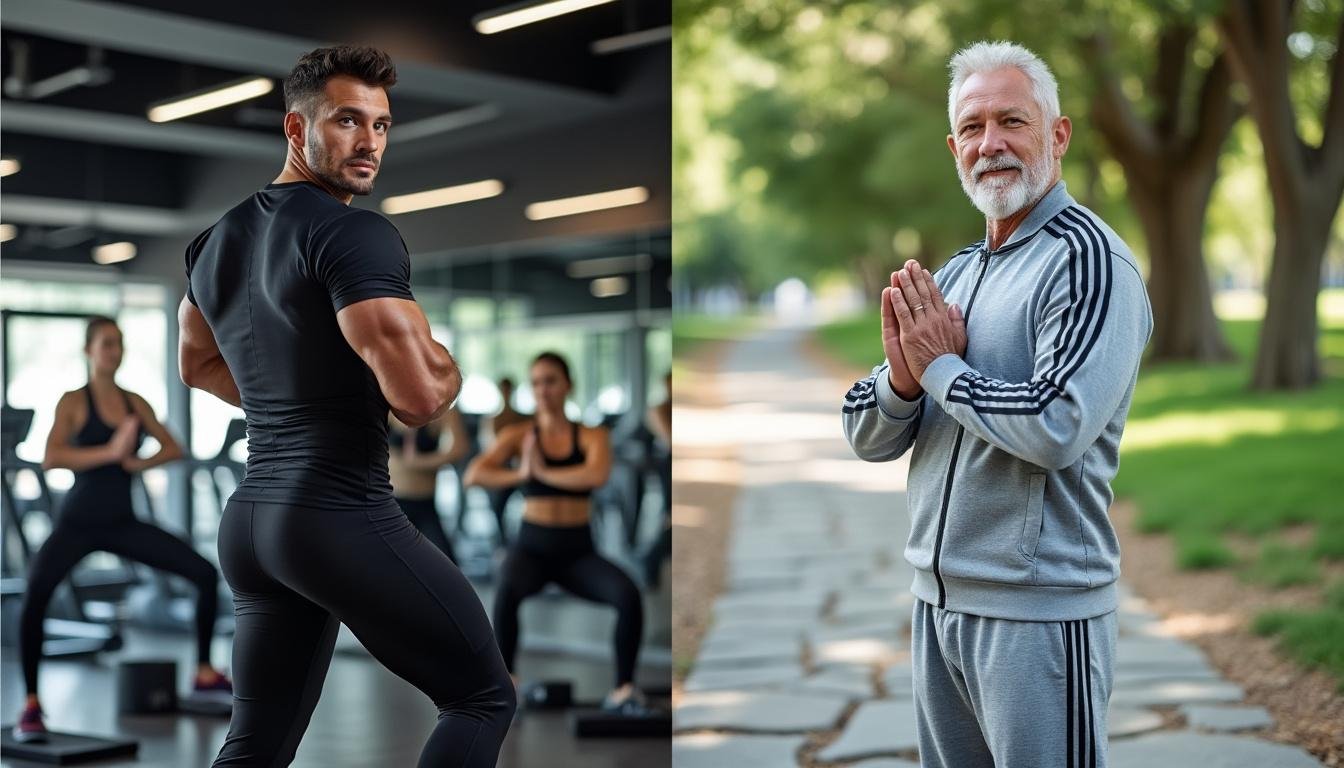
Reevaluating Fitness Priorities: Transitioning from Intensity to Longevity
In the demanding journey of life, aging acts as a great equalizer that touches every individual regardless of their fitness level, diet, or discipline. As a fitness trainer with decades of experience, I distinctly recall the vigor and intensity that defined my workouts at 40. Back then, my sessions were marked by relentless pursuit of high-intensity workouts—sprints, long runs, and grueling weightlifting routines. The satisfaction was deeply tied to that breathless, calorie-burning sensation, and the endorphin rush felt like the ultimate reward for hard work.
However, reaching 60 brought a profound shift in perspective. The objective evolved from striving purely for intensity to prioritizing longevity and functional capability. This transformation deeply impacted how I approach FitnessTraining today. Now, my workouts emphasize sustainability, joint health, and balanced recovery, recognizing that as our bodies age, working smarter becomes more important than pushing harder.
One of the clearest examples of this shift is the move away from long-duration cardio sessions like running in favor of low-impact, joint-friendly activities. Walking, for instance, has risen to the top as a highly efficient form of exercise that promotes cardiovascular health without the strain on joints common to high-impact workouts. Furthermore, incorporating strength training as a foundational element became non-negotiable to counteract muscle loss and preserve mobility.
This approach aligns with insights shared in a trainer’s experience evolving her fitness routine after 40, where it is emphasized that consistency and strategic training beat intensity every time. Whereas my 40-year-old self chased the gratification of intense workouts, the 60-year-old version understands that the ultimate goal is to maintain health, independence, and vitality well into later years.
10 quick checks to spot low-quality supplements before you buy - plus research-backed doses for 12 common ingredients. Free PDF, no spam.
The wisdom gained shows that aggressive routines may not only become less effective but could also increase the risk of injury or burnout. This transition beautifully encapsulates the essence of the WorkoutEvolution from pure physical challenge to holistic, sustainable fitness that honors the natural changes in our bodies.

Strength Training as the Cornerstone of Healthy Aging
Muscle, often described as the currency of aging well, becomes increasingly vital as we transition from our 40s to 60s. After menopause, women experience accelerated muscle loss which profoundly impacts metabolism, bone density, balance, joint stability, and overall independence. Recognizing this, I emphasize strength training more than ever in my routine and coaching philosophy.
At 40, I worked out mainly to look fit, focusing on aesthetics and outward appearance. Fast-forward to 60, and my motivation has pivoted towards staying capable—retaining the power and strength required for simple yet essential daily tasks like carrying groceries, lifting suitcases, or effortlessly rising from the floor. This mindset underpins FitnessJourney transformations for many of my clients navigating this decade.
Effective strength training at this stage involves prioritizing compound lifts—movements that engage multiple muscle groups simultaneously—and incorporating functional exercises like squats, deadlifts, and core stability work. These exercises not only build muscle mass but also enhance joint stability and bone health, which are critical to preventing falls and fractures.
Research highlighted in health experts’ reports echoes this strategy, emphasizing that strength training offers benefits beyond aesthetics. It supports metabolic health, reduces chronic disease risk, and improves mental health by releasing mood-enhancing hormones.
Nevertheless, the approach is tailored for sustainability to ensure longevity without overexertion. I also underscore the importance of gradual progression and listening closely to the body to avoid injuries. Strength training is no longer optional for aging individuals but a fundamental component of a well-rounded lifestyle change aimed at HealthyAging.
Recovery and Hormonal Wellness: The Hidden Pillars of Fitness After 40
Recovery was once considered a luxury in my 40s—rest days often felt like missed opportunities to train harder. However, at 60, recovery is a priority and intrinsic to every workout regimen. I schedule at least two recovery days weekly focused not on inactivity but on restorative practices like gentle stretching, mobility work, and low-impact activities that promote circulation and reduce muscle stiffness.
This emphasis on recovery is closely tied to hormonal changes occurring during menopause. As women navigate perimenopause and menopause, fluctuations in hormones significantly affect sleep quality, energy, and metabolism. These physiological changes mean that hydration, electrolyte balance, and nutrient timing become crucial to maintain workout performance and recovery efficiency.
In particular, I have found that increasing hydration with electrolytes, especially sodium, supports energy levels and muscle function. Hormonal shifts impact fluid balance, so neglecting these adjustments results in sluggishness—a common complaint among women entering their 50s. Adapting hydration habits and rest protocols ensures sustained performance and well-being.
Furthermore, research from leading fitness and wellness experts confirms that prioritizing sleep—aiming for seven or more hours per night—dramatically enhances recovery, mood stabilization, and cognitive function. As I embraced this at 60, the improvements were undeniable in strength gains, emotional regulation, and reduced cravings.
Understanding and respecting these recovery needs marks a significant evolution from past FitnessTraining approaches and is key to developing a smarter, more patient lifestyle that fosters longevity.
Balanced Nutrition: From Calorie Counting to Nourishment and Connection
Nutrition plays a transformative role in modifying body composition and overall health from 40 to 60 years of age. Growing up in a culture steeped in low-fat dogma, I initially embraced calorie counting and restrictive eating to control weight. However, over time and with evolving nutritional science, my philosophy shifted to focusing on quality over quantity.
One of the most meaningful adjustments has been prioritizing protein intake to maintain muscle mass, facilitate recovery, and stabilize blood sugar. Incorporating a variety of high-quality proteins like lean meats, legumes, and dairy at every meal now underpins my nutritional plan, a strategy supported by nutritionists and trainers specializing in midlife health.
Additionally, healthy fats have replaced formerly villainized dietary components. These fats support hormone function, brain health, and satiety, making balanced eating both enjoyable and effective. Instead of chasing fleeting diet trends, the focus now lies in choosing foods that reduce inflammation and encourage gut health, which together help regulate energy levels and mood.
But beyond individual nutrients, nutrition serves a greater purpose—connection. Sharing meals with family and friends, savoring food without guilt, and appreciating its nourishing qualities embody an evolved mindset that values mental and emotional well-being alongside physical health.
This approach aligns with findings from experts who document transformations centered on sustainable lifestyle changes. Prioritizing nourishment rather than restriction creates a positive relationship with food that supports the entire FitnessJourney through midlife.

Embracing Mindset and Functional Fitness: Redefining Success and Strength at 60
Between 40 and 60, the most profound transformation isn’t always physical; it is the evolution in mindset. At 40, success was tightly wrapped in achievement—career milestones, looks, and productivity. Reaching 60, success now means waking up with energy, feeling physically strong, and cherishing meaningful moments with loved ones.
This shift reflects a deeper understanding that functional fitness matters far more than superficial appearance. I increasingly prioritize exercises that enhance mobility, balance, and joint stability to enjoy travel, play with grandchildren, and maintain independence over the decades ahead.
A critical part of this mature perspective is cultivating clear communication and protecting emotional energy. I no longer strive to please everyone but focus on alignment with my values and priorities. This clarity reduces stress and promotes healthier relationships.
Moreover, menopause presents challenges that require openness and education. Hormonal shifts affect sleep, metabolism, and mood, and addressing these proactively—whether through lifestyle adjustments or consulting healthcare providers about options like hormone replacement therapy—is essential. Importantly, lifestyle foundations such as strength training, daily movement, quality protein, stress management, and sleep remain paramount.
In practice, I recommend these foundational habits:
- Incorporating strength training sessions 2-3 times per week focusing on functional movements
- Engaging in regular walking or low-impact cardio to support cardiovascular health without excess joint strain
- Prioritizing hydration with balanced electrolytes, especially during and after workouts
- Ensuring sufficient protein intake tailored to weight and activity level
- Scheduling recovery days that include mobility work and gentle stretching
- Maintaining 7+ hours of quality sleep on most nights
- Adopting mindful, nourishing eating habits that foster both health and joy
This holistic approach truly represents a TrainerPerspective honed through decades and thousands of client transformations, exemplifying a sustainable, adaptable FitnessTraining path that respects the natural changes from age 40 to 60 and beyond.
How should strength training evolve from 40 to 60?
Strength training should become more focused on functional movements and joint stability, with an emphasis on compound lifts, core work, and gradual progression to maintain muscle mass and independence.
Why is recovery more important as we age?
With age, hormonal shifts and slower cellular repair make recovery essential to avoid injury and maintain optimal performance. Recovery days including mobility work, stretching and proper sleep help the body rebuild and balance hormones.
How does nutrition change from 40 to 60?
Nutrition shifts from calorie counting to prioritizing protein for muscle maintenance, embracing healthy fats for hormonal balance, and focusing on quality foods for inflammation reduction and gut health.
What mindset changes support healthy aging?
Transitioning focus from aesthetics to functional fitness, prioritizing meaningful connections, setting boundaries for energy, and openly discussing menopause challenges foster resilience and well-being.
Is walking a sufficient workout after 60?
While walking is excellent for cardiovascular health and joint support, it should be complemented with strength training and mobility exercises for a balanced and effective fitness regimen.
10 quick checks to spot low-quality supplements before you buy - plus research-backed doses for 12 common ingredients. Free PDF, no spam.
