

Close Menu
    Follow us on Google News
    Follow Livewell Magazine on Google News
    Facebook X (Twitter) Instagram
    LiveWell Magazine
    Facebook
    Follow LiveWell Magazine on Google News
    • Cancer

      What are the key actions you should take following a mesothelioma diagnosis?

      June 19, 2026

      The “Silent Killer”: 2 Hidden Signs of Pancreatic Cancer You Can Spot Years in Advance

      April 20, 2026

      Barry Manilow Opens Up About Embracing Healthier Lifestyle Choices During His Cancer Battle

      April 8, 2026

      Healthy Dad’s Unexpected Cancer Diagnosis Revealed After Ignoring Nighttime Bathroom Trips: ‘A Heartbreaking Surprise’

      February 22, 2026

      BREAKING NEWS: Gene therapy for sickle cell disease: a medical breakthrough still out of reach for many

      December 29, 2025
    • Fitness

      Unveiling the Science Behind Why Exercise Feels Tough for Many: Insights and Solutions

      June 27, 2026

      How can you revitalize your cardiovascular health with 8 engaging cardio tips for the reluctant fitness enthusiast?

      June 26, 2026

      Easy Habits to Make Your Workouts Feel Effortless

      June 25, 2026

      What are the top 5 strategies to walk faster and torch more calories?

      June 24, 2026

      Which workout reigns supreme in the ultimate fitness challenge?

      June 15, 2026
    • Health

      How to choose a supplement for dizziness and balance problems

      July 10, 2026

      How vestibular supplements work: Science behind balance and dizziness relief

      July 10, 2026

      Causes of vertigo: Common triggers and when to see a doctor

      July 10, 2026

      How to choose a joint supplement: Evidence-based checklist for better mobility

      July 10, 2026

      How collagen, glucosamine and turmeric work to support mobility

      July 10, 2026
    • Lifestyle

      Effective Strategies to Foster Constructive Peer Feedback in the Workplace

      August 4, 2026

      Healthy Habits: An Abilene Family Nurse Practitioner’s Expert Tips for a Healthier School Year

      August 3, 2026

      Why Place a Bay Leaf in Your Shoes? Discover the Surprising Benefits of This Simple Ritual

      August 2, 2026

      Days to Building Wellness: Your Guide to Healthy Habits

      August 1, 2026

      Discovering Healthy Habits: NET Health Tyler Center’s ‘Learn, Grow, Eat & Go’ Program Empowers Kids

      July 31, 2026
    • Nutrition

      Top 7 Heart-Friendly Foods to Enjoy This July, Recommended by Expert Dietitians

      July 20, 2026

      Expert-Recommended Food Combinations That Boost Nutrient Absorption

      July 14, 2026

      Top 10 Most Beneficial Teas to Sip, Backed by Nutrition Experts

      July 12, 2026

      Daily Avocado Toast: What Registered Experts Reveal About Its Impact on Your Health

      July 8, 2026

      The Ideal After-Dinner Drink for Managing High Cholesterol

      July 6, 2026
    • Senior

      Doctors Reveal the Key Mindset Shift That Boosts Health After 65

      July 6, 2026

      How is the rise of telehealth benefiting senior citizens?

      June 4, 2026

      What are the essential approaches for promoting high-quality senior care and independence?

      May 6, 2026

      Nurturing Your Gut After 50: 7 Essential Habits for Lasting Digestive Wellness

      April 3, 2026

      Nourishing Your Golden Years: 10 Essential Nutrition Habits to Promote Healthy Aging and Maintain Independence After 60

      March 27, 2026
    • Trends

      Why is Zhiyin Zhou advocating for a human-centered approach in AI healthcare evolution?

      June 25, 2026

      What are the innovative approaches to autism therapy by psychologist Valeriia Manchuk?

      June 15, 2026

      What are the innovative techniques in permanent makeup for aesthetic and restorative purposes?

      June 2, 2026

      How could the 7 surprising travel trends of 2026 disrupt your wellness plans and how can you navigate them?

      April 15, 2026

      Which innovative skincare trends will shape the industry in 2026 according to Uliana-Sofiia Savchenko?

      April 6, 2026
    • Wellness

      Glow Up Like a Hip-Hop Star: Essential Skin Care Habits for Radiant, Celebrity-Style Skin

      July 23, 2026

      Dr. Oz Shares 3 Simple, Medication-Free Strategies to Enhance Your Health for Free

      July 12, 2026

      How will new European taxes to combat overtourism affect your travel wellness?

      June 26, 2026

      How could the travel advisory for Nepal amid political turmoil affect your travel wellness?

      June 25, 2026

      How will American Airlines’ new luxury experience impact your travel wellness?

      June 23, 2026
    Subscribe
    LiveWell Magazine
    Home»Healthy Recipes»Is organic really better? The pros and cons of eating clean
    Healthy Recipes

    Is organic really better? The pros and cons of eating clean

    Tina NguyenBy Tina NguyenNo Comments
    Facebook Twitter Email WhatsApp Pinterest LinkedIn Reddit Telegram Threads
    Share
    Facebook Twitter LinkedIn Email Reddit Telegram WhatsApp Threads

    Organic food is everywhere—from the local farmer’s market to the fluorescent aisles of your nearest supermarket. For many, buying organic is almost synonymous with “eating clean,” and the labels promising pesticide-free, hormone-free, and eco-friendly options can feel like a shortcut to health. But is that higher price tag really worth it? Does organic automatically mean better for you and the planet? Let’s break down the facts and the fiction so you can make informed, balanced choices—without the guilt or confusion.

    What does “organic” actually mean?

    In the United States, the term “organic” is regulated by the USDA. To be certified organic, crops must be grown without synthetic pesticides, fertilizers, or genetically modified organisms (GMOs), and livestock must be raised without antibiotics or growth hormones, with access to outdoor grazing.

    But organic doesn’t mean “chemical-free.” Organic farms can still use natural pesticides and treatments. And not all natural methods are safer or more effective than their conventional counterparts. So while the label does imply a more environmentally conscious approach, it’s not a guarantee of purity or superiority.

    The benefits of eating organic

    FREE GUIDE
    The Supplement Safety Checklist

    10 quick checks to spot low-quality supplements before you buy - plus research-backed doses for 12 common ingredients. Free PDF, no spam.

    We respect your inbox. Unsubscribe anytime.
    Thank you! Download your checklist here.

    Fewer synthetic pesticide residues: Studies show that organic produce tends to contain lower levels of pesticide residues. While conventional produce still falls within regulated safety levels, some consumers feel more comfortable minimizing their exposure whenever possible.

    Related Article :  Healthy doesn’t mean boring: 7 indulgent recipes that are actually good for you

    Better animal welfare: Organic standards require more humane treatment of livestock, including access to pasture and less crowded living conditions. For ethically minded eaters, this can be a strong incentive.

    Environmental impact: Organic farming practices aim to protect soil quality, reduce water pollution, and promote biodiversity. If sustainability matters to you, organic may be a better ecological choice.

    Perceived freshness and taste: Some people report that organic fruits and vegetables taste better or have a richer texture. This can be due to factors like smaller-scale farming or shorter supply chains, though this is subjective.

    The downsides (and myths) of organic food

    Price: Organic foods often cost 10% to 50% more than their conventional counterparts. For families on a tight budget, this price difference can be a real barrier. And in many cases, the health benefit doesn’t necessarily match the cost increase.

    Nutrition is nearly identical: Contrary to popular belief, research shows that organic foods are not significantly more nutritious. A comprehensive meta-analysis published in the Annals of Internal Medicine concluded that there’s little difference in vitamin or mineral content between organic and non-organic produce.

    False health halo: A product labeled “organic” isn’t automatically healthy. You can find organic cookies, chips, and sodas. Organic junk food is still junk food, and those labels can give a misleading sense of healthiness.

    Organic vs. conventional: What really matters?
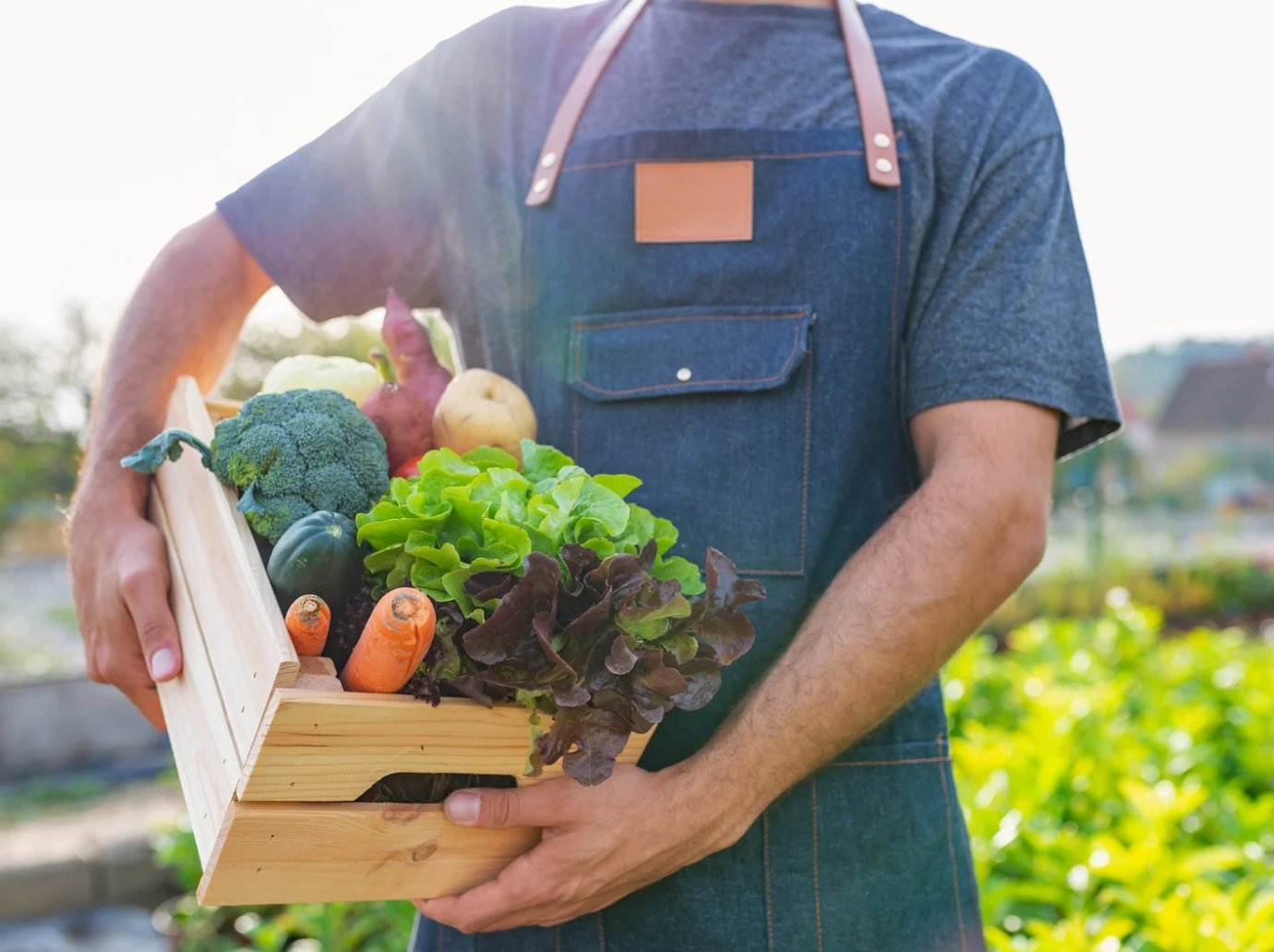
    If you want to prioritize where you spend your grocery dollars, focus on the foods that matter most. The Environmental Working Group’s “Dirty Dozen” and “Clean Fifteen” lists highlight which fruits and vegetables tend to carry more pesticide residues. Buying organic versions of items like strawberries, spinach, and apples may make more sense than splurging on organic bananas or avocados, which have thick skins and minimal exposure.

    Related Article :  Parkinson’s disease is rising worldwide — 5 science-informed habits that may help lower your risk

    For animal products, choose organic or pasture-raised options when possible—especially for dairy, eggs, and meat—since these categories may carry more concerns around hormones and antibiotics.

    How to eat clean on any budget

    You don’t need to go all-organic to eat clean and feel great. Here are practical ways to keep nutrition high and costs manageable:

    • Prioritize whole foods—vegetables, fruits, grains, legumes—whether organic or not
    • Buy in season to get fresher, cheaper produce
    • Shop local or at farmers’ markets, where prices can be lower and labels less necessary
    • Wash fruits and vegetables thoroughly to remove surface pesticides and dirt
    • Don’t get distracted by packaging—organic chips are still chips

    The cleanest diet is often the simplest: minimally processed, colorful, and balanced.

    “Organic” can be a helpful signpost—but it’s not the only path to better health. Eating well is about patterns, not perfection. Whether or not you choose organic, aim for a diet rich in whole foods, with less sugar and more plants. If you do opt for organic, do it consciously—not because the label told you it’s the only “clean” way to eat.

    In the end, a label is just that—a label. Your health comes from what you eat consistently, not how it’s branded.

    FREE GUIDE
    The Supplement Safety Checklist

    10 quick checks to spot low-quality supplements before you buy - plus research-backed doses for 12 common ingredients. Free PDF, no spam.

    We respect your inbox. Unsubscribe anytime.
    Thank you! Download your checklist here.
    organic food
    Follow on Google News
    Share. Facebook Twitter LinkedIn Email WhatsApp Reddit Telegram Threads Copy Link
    Previous ArticleCultivating healthy screening habits for your family
    Next Article Inside your gut: How to choose the right probiotics
    Avatar photo
    Tina Nguyen

    Tina has been a health journalist for over ten years, reporting from various countries around the world. Her international experience gives her a unique and nuanced perspective on global wellness trends, public health challenges, and cultural approaches to healthy living. Known for her curiosity and clarity, Tina strives to deliver reliable, well-researched content that resonates with diverse audiences. She is passionate about making health information both engaging and empowering for readers everywhere.

    Continue reading

    Miranda Kerr Shares Her Unique Breakfast Routine Featuring Venison and Bison

    By FRANK JOST

    RFK Jr. Debuts ‘Healthy’ Cooking Show Amidst Mixed Reactions from Critics

    By FRANK JOST

    Top 7 Heart-Friendly Foods to Enjoy This July, Recommended by Expert Dietitians

    By FRANK JOST

    Expert-Recommended Food Combinations That Boost Nutrient Absorption

    By FRANK JOST

    Top 10 Most Beneficial Teas to Sip, Backed by Nutrition Experts

    By FRANK JOST

    Daily Avocado Toast: What Registered Experts Reveal About Its Impact on Your Health

    By FRANK JOST

    The Ideal After-Dinner Drink for Managing High Cholesterol

    By FRANK JOST

    What are the top 5 scientifically proven drinks to reduce your cholesterol?

    By Amelie Goujon

    What are the unexpected perks of broccoli for your hormonal harmony?

    By Amelie Goujon

    Unveiling the Surprising Reason Behind Bloating After Nutritious Meals (Hint: It’s Not Fiber

    By FRANK JOST

    Natural Foods Proven to Reduce Cholesterol Levels Effectively

    By FRANK JOST

    Sizzle Smart: Essential Healthy Grilling Tips for Your Ultimate Texas Summer Cookout

    By FRANK JOST
    Add A Comment
    Leave A Reply Cancel Reply

    Subscribe to Our Newsletter

    Join the Live Well Magazine Newsletter and get exclusive tips on health, wellness, lifestyle, and personal growth — straight to your inbox.

    Trending
    Health & Safety

    Essential Health Tips to Protect Your Home from Common School Germs

    Uncategorized

    Understanding Why Your Cat Bites and Effective Ways to Prevent It

    Healthy Recipes

    Miranda Kerr Shares Her Unique Breakfast Routine Featuring Venison and Bison

    Lifestyle & Habits

    Effective Strategies to Foster Constructive Peer Feedback in the Workplace

    Diet & Weight Loss

    Top 15 Major U.S. Cities Ranked by the Worst Eating Habits Across the Nation

    Natural Remedies

    Expert-Approved Natural Strategies to Lower Your Cholesterol

    Facebook
    • About us
    • Contact us
    • Contributors
    • Legal
    • Privacy
    © 2026 livewellmagazine.org.

    Type above and press Enter to search. Press Esc to cancel.

    FREE GUIDE
    The Supplement Safety Checklist

    10 quick checks to spot low-quality supplements before you buy - plus research-backed doses for 12 common ingredients. Free PDF, no spam.

    We respect your inbox. Unsubscribe anytime.
    Thank you! Download your checklist here.