
Close Menu
    Follow us on Google News
    Follow Livewell Magazine on Google News
    Facebook X (Twitter) Instagram
    LiveWell Magazine
    Facebook
    Follow LiveWell Magazine on Google News
    • Cancer

      The “Silent Killer”: 2 Hidden Signs of Pancreatic Cancer You Can Spot Years in Advance

      April 20, 2026

      Barry Manilow Opens Up About Embracing Healthier Lifestyle Choices During His Cancer Battle

      April 8, 2026

      Healthy Dad’s Unexpected Cancer Diagnosis Revealed After Ignoring Nighttime Bathroom Trips: ‘A Heartbreaking Surprise’

      February 22, 2026

      BREAKING NEWS: Gene therapy for sickle cell disease: a medical breakthrough still out of reach for many

      December 29, 2025

      How Your Drinking Habits Could Significantly Increase Your Cancer Risk

      December 28, 2025
    • Fitness

      Why does every step matter in your unique running journey?

      May 21, 2026

      How does age impact athletic prowess and power?

      May 19, 2026

      How can you stay active and healthy by embracing winter fitness with outdoor sports?

      May 14, 2026

      How does afternoon exercise transform your blood sugar levels?

      May 7, 2026

      At 100, the ‘First Lady of Fitness’ Shares Her Daily Workout Secrets and One Must-Have Food

      April 15, 2026
    • Health

      How can fast verification tools transform patient care and enhance health outcomes?

      May 15, 2026

      How can you choose the best functional medicine doctor for your health journey?

      May 5, 2026

      How can better patient-doctor communication help you stay on track with your medication?

      April 8, 2026

      What can an infectious disease doctor’s experiences in Kazakhstan and America teach us about global health?

      April 3, 2026

      Federal Judge Hits Pause on HHS Secretary Kennedy’s Vaccine Policy Overhaul

      March 18, 2026
    • Lifestyle

      Can these 6 yoga poses provide instant relief for your period cramps?

      May 28, 2026

      How will the new travel advisory for individuals with “x” gender markers affect your travel wellness?

      May 22, 2026

      What are the surprising life lessons from a freezing cold experience in rural Japan?

      May 11, 2026

      What are some simple tips for maintaining a clean dog mouth?

      May 4, 2026

      How can you break free from the sitting trap and revitalize your life?

      April 22, 2026
    • Nutrition

      Could a daily glass of orange juice be the secret to heart health and longevity?

      June 3, 2026

      Which 14 superfoods can help boost your heart health and slash cholesterol?

      June 2, 2026

      Which foods should you select to protect against age-related health concerns?

      June 1, 2026

      How could eating pickles daily affect your blood pressure?

      May 25, 2026

      Which are the 6 surprising foods that could be sabotaging your health?

      May 22, 2026
    • Senior

      What are the essential approaches for promoting high-quality senior care and independence?

      May 6, 2026

      Nurturing Your Gut After 50: 7 Essential Habits for Lasting Digestive Wellness

      April 3, 2026

      Nourishing Your Golden Years: 10 Essential Nutrition Habits to Promote Healthy Aging and Maintain Independence After 60

      March 27, 2026

      Wound Care Revolution: How a New Medicare Payment System Aims to Cut Waste in Senior Care

      March 19, 2026

      The $2,000 Cap is Here: How the New Annual Out-of-Pocket Drug Limit Saves Seniors Thousands

      March 17, 2026
    • Trends

      What are the innovative techniques in permanent makeup for aesthetic and restorative purposes?

      June 2, 2026

      How could the 7 surprising travel trends of 2026 disrupt your wellness plans and how can you navigate them?

      April 15, 2026

      Which innovative skincare trends will shape the industry in 2026 according to Uliana-Sofiia Savchenko?

      April 6, 2026

      Transparency at HHS: How the New “Radical Transparency” Initiative Aims to Expose Big Pharma Conflicts

      March 13, 2026

      How Wearable Technology Could Spark a Revolution in Healthier Living

      February 5, 2026
    • Wellness

      Could Spain being crowned the top digital nomad destination of 2026 benefit your work-life wellness?

      June 1, 2026

      How can heartfelt reunions at U.S. airports enhance your emotional wellness?

      May 28, 2026

      How will the loss of Bali’s private beaches affect your wellness travel?

      May 27, 2026

      How will the new sleeper train connecting Basel, Copenhagen, and Malmö enhance your travel wellness in 2026?

      May 26, 2026

      How can you revitalize your skin with the Ulike red light therapy mask?

      May 26, 2026
    Subscribe
    LiveWell Magazine
    Home»Cancer»Cancer myths that won’t quit: the top 4 misconceptions to stop believing
    Cancer

    Cancer myths that won’t quit: the top 4 misconceptions to stop believing

    Frank JostBy Frank Jost1 Comment
    Facebook Twitter Email WhatsApp Pinterest LinkedIn Reddit Telegram Threads
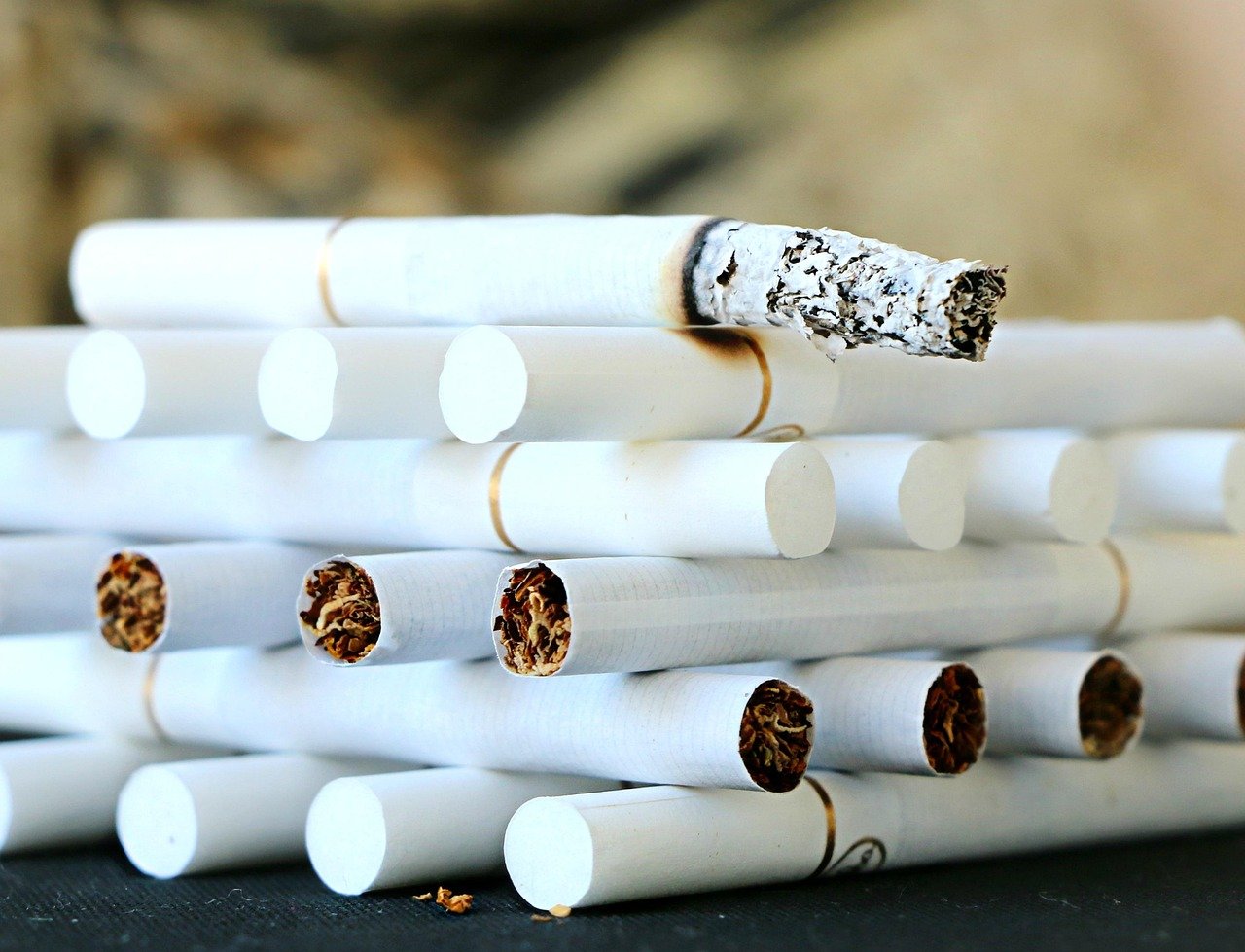
    discover and debunk common cancer myths to better understand the facts about cancer prevention, treatment, and diagnosis.
    Share
    Facebook Twitter LinkedIn Email Reddit Telegram WhatsApp Threads

    In our work, we often focus on clearing pollutants from the air we breathe to safeguard our physical health. But what about the ‘smog’ of misinformation that clouds our understanding of complex diseases like cancer? These persistent myths, passed down through whispers or amplified online, can be just as damaging, fostering unnecessary anxiety and preventing people from making empowered decisions about their well-being. It’s time to open the windows and let in the fresh air of truth. By arming ourselves with scientifically-backed knowledge, we can navigate the path of cancer prevention and treatment with clarity, hope, and courage, turning fear into fuel for a healthier future.

    In brief, here are the key misconceptions we’re clearing up today:

    • ✅ The Myth of Incurability: We’ll explore why a cancer diagnosis is far from a hopeless sentence, highlighting the incredible progress in treatment and survival rates.
    • lump is not an automatic cancer diagnosis; many are harmless.
    • ✨ The Power of Positivity: A strong mindset is a vital tool, but it should complement, not replace, evidence-based medical care.
    • 📊 Decoding the Data: We’ll look at why it seems like cancer is more common today and what the numbers really tell us about risk and prevention.

    Debunking the Myth of Incurability: Hope is a Medical Reality

    One of the most paralyzing cancer myths is the belief that a diagnosis is an automatic death sentence. This outdated notion couldn’t be further from the truth in 2025. While a universal cure for all 100+ types of cancer remains the ultimate goal, many cancers are indeed curable, particularly when detected early. The medical community often defines a “cure” as a five-year remission period with no evidence of recurrence, a milestone countless individuals celebrate each year. For instance, certain skin cancers can be completely removed with a simple excision, and survival rates for diseases like breast cancer and childhood leukemia now approach 90% with modern therapies.

    Related Article :  The unexpected benefits of prioritizing cancer daily

    “When I was diagnosed with prostate cancer, my first thought was, ‘This is it,'” shares Mark, a 72-year-old retired teacher from Florida. “But my oncologist laid out a clear plan. It wasn’t easy, but five years later, I’m cancer-free and spending my days gardening. I learned that cancer didn’t have to defeat me.” Stories like Mark’s are not miracles; they are the result of decades of research, advanced treatments, and the incredible resilience of the human spirit.

    Lump Logic: Why You Shouldn’t Panic Over a New Bump

    Finding an unexpected lump or bump on your body during a self-exam can send a wave of panic through anyone. The immediate fear is often cancer, but it’s crucial to take a breath and remember that not all lumps are malignant. Our bodies can produce a variety of benign (non-cancerous) growths, such as fluid-filled cysts, fibrous fibroadenomas, or fatty lipomas. These growths may feel abnormal, but they pose no threat and sometimes even resolve on their own.

    The purpose of regular check-ups and following guidelines for what cancer screenings you need at every age is precisely to investigate these changes. Your doctor has the tools to differentiate between a harmless lesion and something that requires further attention, saving you from unnecessary worry. Think of screening as a fact-finding mission, not an immediate verdict.
    discover the truth behind common cancer myths and misconceptions. get accurate information to better understand cancer prevention, diagnosis, and treatment.

    The Mind-Body Connection: Balancing Positivity with Proven Medicine

    A positive attitude is an incredibly powerful asset during any health challenge. It can improve quality of life, strengthen resolve, and help patients cope with the emotional and physical toll of treatment. However, the myth that a positive attitude is all you need to beat cancer is not only false but also dangerous. It can create a sense of guilt or failure in patients who are struggling emotionally, and it overlooks the most critical component of recovery: evidence-based medical care.

    Surgery, chemotherapy, radiation, and targeted therapies are the scientifically validated tools that fight cancer cells directly. A healthy mindset, good nutrition, and supportive care, including determining if you really need supplements, are essential partners in this fight—but they cannot replace the primary treatment. The journey of a super survivor is often one that combines medical science with immense personal strength.

    Related Article :  Targeted radiopharmaceuticals: are radioactive precision drugs the future of senior cancer treatment?

    Is Cancer More Common Today? Separating Fact from Perception

    It can certainly feel like cancer diagnoses are more prevalent than ever before, but this perception is misleading. While the absolute number of cases has risen, it’s not because our bodies are suddenly more susceptible. This trend is primarily driven by two key factors: global population growth and increased life expectancy. Simply put, there are more people on the planet, and they are living longer lives, and since many cancers are age-related, more cases are expected.

    When statisticians adjust for age, the data tells a more optimistic story. Incidence rates for many common cancers have actually stabilized or declined, thanks to major public health victories like smoking reduction and the HPV vaccine. For more resources and information, you can always visit the LiveWell Magazine home page.

    Cancer Myth ❌ The Empowering Fact ✅
    There is no cure for cancer. Many cancers are curable, with millions of people living full lives after treatment.
    Any lump you find is cancerous. The vast majority of lumps are benign. Always get them checked, but don’t panic.
    A positive attitude alone can cure cancer. Positivity is a vital support, but it must be paired with proven medical treatments.
    Cancer is more common than ever before. Age-adjusted rates for many cancers are stable or declining due to better prevention.

    If not phones or artificial sweeteners, what are the most important risk factors I should know about?

    The most significant, scientifically-backed risk factors for cancer include tobacco use, excessive alcohol consumption, poor diet, lack of physical activity, obesity, and overexposure to UV radiation from the sun. Age is also a major factor, as is family history for certain types of cancer.

    Related Article :  Drug repurposing saves time and lives: diabetes medication now used in rare cancer

    How can I best support a loved one with cancer without promoting ‘toxic positivity’?

    Instead of saying ‘just stay positive,’ try offering specific, practical help, like cooking a meal or driving them to an appointment. Listen without judgment and validate their feelings, even the negative ones. Let them know it’s okay to have bad days and that you’re there for them no matter what.

    What is the real difference between being ‘cured’ and being ‘in remission’?

    ‘Remission’ means that the signs and symptoms of cancer have decreased or disappeared. It can be partial or complete. ‘Cured’ is a term doctors use more cautiously, typically after a person has been in complete remission for at least five years, as the chance of recurrence drops significantly after that point.

    The illustration photo in this article was generated by an AI model. Fictional testimonials may have been included for illustrative purposes.

    cancer awareness cancer facts cancer misconceptions cancer myths health myths
    Follow on Google News
    Share. Facebook Twitter LinkedIn Email WhatsApp Reddit Telegram Threads Copy Link
    Previous ArticleA 100+ pound turning point: one mom’s story after weight-loss surgery
    Next Article Breastfeeding in public: why it’s still controversial—and what parents want you to know
    Avatar photo
    Frank Jost

    Frank is a seasoned media consultant for LiveWell Magazine, with over two decades of experience in the digital media landscape. His expertise spans online publishing, audience engagement strategies, and health communication. A recognized expert in mutual health insurance, Frank brings a unique perspective that bridges the gap between public health awareness and digital storytelling. He is passionate about making reliable health information accessible to all, and continues to help readers navigate the complexities of wellness and insurance in the digital age. https://www.linkedin.com/in/frank-jost-2097104/

    Continue reading

    The “Silent Killer”: 2 Hidden Signs of Pancreatic Cancer You Can Spot Years in Advance

    By FRANK JOST

    Barry Manilow Opens Up About Embracing Healthier Lifestyle Choices During His Cancer Battle

    By FRANK JOST

    The So-Called ‘Healthy’ Habit That May Not Be Beneficial, Reveals New Research

    By FRANK JOST

    Healthy Dad’s Unexpected Cancer Diagnosis Revealed After Ignoring Nighttime Bathroom Trips: ‘A Heartbreaking Surprise’

    By FRANK JOST

    National Cancer Prevention Month: Emphasizing Early Detection and the Power of Healthy Living

    By FRANK JOST

    National Cancer Prevention Month: Emphasizing Early Detection and Healthy Lifestyle Choices

    By FRANK JOST

    BREAKING NEWS: Gene therapy for sickle cell disease: a medical breakthrough still out of reach for many

    By FRANK JOST

    How Your Drinking Habits Could Significantly Increase Your Cancer Risk

    By FRANK JOST

    Could the time of day you get cancer treatment affect survival? What a new lung cancer study suggests

    By FRANK JOST

    Can exercise lower cancer risk? what the science suggests (and what to do today)

    By Frank Jost

    “Super survivor”: the mental and physical comeback story every older adult needs to read

    By Frank Jost

    Cervical cancer screening is becoming easier — and why that matters for long-term health

    By Tina Nguyen
    View 1 Comment

    1 Comment

    1. Pingback: Gene therapy for sickle cell disease: a medical breakthrough still out of reach for many - LiveWell Magazine

    Leave A Reply Cancel Reply

    Subscribe to Our Newsletter

    Join the Live Well Magazine Newsletter and get exclusive tips on health, wellness, lifestyle, and personal growth — straight to your inbox.

    Trending
    Nutrition

    Could a daily glass of orange juice be the secret to heart health and longevity?

    Trends & Innovation

    What are the innovative techniques in permanent makeup for aesthetic and restorative purposes?

    Nutrition

    Which 14 superfoods can help boost your heart health and slash cholesterol?

    What are Sylvester Stallone’s secrets to vitality and strength at 79?

    Health Products

    What is the reality behind Nature’s Garden CBD?

    Wellness

    Could Spain being crowned the top digital nomad destination of 2026 benefit your work-life wellness?

    Facebook
    • About us
    • Contact us
    • Contributors
    • Legal
    • Privacy
    © 2026 livewellmagazine.org.

    Type above and press Enter to search. Press Esc to cancel.