

Close Menu
    Follow us on Google News
    Follow Livewell Magazine on Google News
    Facebook X (Twitter) Instagram
    LiveWell Magazine
    Facebook
    Follow LiveWell Magazine on Google News
    • Cancer

      The “Silent Killer”: 2 Hidden Signs of Pancreatic Cancer You Can Spot Years in Advance

      April 20, 2026

      Barry Manilow Opens Up About Embracing Healthier Lifestyle Choices During His Cancer Battle

      April 8, 2026

      Healthy Dad’s Unexpected Cancer Diagnosis Revealed After Ignoring Nighttime Bathroom Trips: ‘A Heartbreaking Surprise’

      February 22, 2026

      BREAKING NEWS: Gene therapy for sickle cell disease: a medical breakthrough still out of reach for many

      December 29, 2025

      How Your Drinking Habits Could Significantly Increase Your Cancer Risk

      December 28, 2025
    • Fitness

      At 100, the ‘First Lady of Fitness’ Shares Her Daily Workout Secrets and One Must-Have Food

      April 15, 2026

      How can weighted planks help you elevate your strength and master your core?

      April 14, 2026

      A 65-Year-Old Fitness Trainer’s Guide to Stocking Up on Healthy Foods at Costco

      April 10, 2026

      How many calories do you actually burn by running one mile?

      April 9, 2026

      Biochemist Reveals the Powerful 10-Minute Workout That Keeps the Mind Razor-Sharp All Day

      March 23, 2026
    • Health

      How can better patient-doctor communication help you stay on track with your medication?

      April 8, 2026

      What can an infectious disease doctor’s experiences in Kazakhstan and America teach us about global health?

      April 3, 2026

      Federal Judge Hits Pause on HHS Secretary Kennedy’s Vaccine Policy Overhaul

      March 18, 2026

      Medicare Advantage Shifts: Payments to Plans Increase as Enrollment Hits a New Record

      March 18, 2026

      The battle over “$0 premium” plans: What’s at stake for your healthcare?

      February 19, 2026
    • Lifestyle

      How can you break free from the sitting trap and revitalize your life?

      April 22, 2026

      How can transformative approaches to home life enhance your overall well-being?

      April 17, 2026

      Solo Cooking Simplified: 8 Easy Habits to Eat Healthy When Cooking for One

      April 15, 2026

      Psychology-Backed Habits to Revolutionize Your Money Mindset

      April 11, 2026

      The ‘Healthy’ Habit That Could Be Holding You Back, Reveals New Research

      April 10, 2026
    • Nutrition

      What are the surprising benefits of miso soup for your gut, heart, and immune health?

      April 23, 2026

      How can you nourish your gut with delicious choices for a healthier you?

      April 22, 2026

      What are the surprising effects of eggnog on your blood sugar levels?

      April 16, 2026

      How can effective nutrition help you achieve a faster dental recovery?

      April 15, 2026

      Could eating microbial food reduce your risk of kidney disease?

      April 13, 2026
    • Senior

      Nurturing Your Gut After 50: 7 Essential Habits for Lasting Digestive Wellness

      April 3, 2026

      Nourishing Your Golden Years: 10 Essential Nutrition Habits to Promote Healthy Aging and Maintain Independence After 60

      March 27, 2026

      Wound Care Revolution: How a New Medicare Payment System Aims to Cut Waste in Senior Care

      March 19, 2026

      The $2,000 Cap is Here: How the New Annual Out-of-Pocket Drug Limit Saves Seniors Thousands

      March 17, 2026

      Why Conventional Health Tips Might Shift After Turning 50

      March 15, 2026
    • Trends

      How could the 7 surprising travel trends of 2026 disrupt your wellness plans and how can you navigate them?

      April 15, 2026

      Which innovative skincare trends will shape the industry in 2026 according to Uliana-Sofiia Savchenko?

      April 6, 2026

      Transparency at HHS: How the New “Radical Transparency” Initiative Aims to Expose Big Pharma Conflicts

      March 13, 2026

      How Wearable Technology Could Spark a Revolution in Healthier Living

      February 5, 2026

      Early cholesterol treatment in kids may prevent heart disease for life

      January 28, 2026
    • Wellness

      What is the power of modern med spa care for your well-being?

      April 24, 2026

      What are the top 10 complimentary activities in Seattle for your well-being?

      April 23, 2026

      Where can you find the ultimate wellness retreat in Mexico for tranquil explorers?

      April 14, 2026

      Lincoln YMCA to Celebrate Healthy Kids Day on April 11 with Free Event Promoting Summer Wellness

      April 12, 2026

      The 20-Minute Routine That Could Unlock a Healthier Heart and a Sharper Mind

      April 8, 2026
    Subscribe
    LiveWell Magazine
    Home»Supplements»Do you really need supplements? Experts weigh in
    Supplements

    Do you really need supplements? Experts weigh in

    Amelie GoujonBy Amelie GoujonNo Comments
    Facebook Twitter Email WhatsApp Pinterest LinkedIn Reddit Telegram Threads
    discover what health experts say about the necessity of supplements in your diet. explore insights, benefits, and recommendations to make informed choices for your wellness.
    Share
    Facebook Twitter LinkedIn Email Reddit Telegram WhatsApp Threads

    Walking down the aisles of a health food store can be a bewildering experience. Shelves brim with countless supplements promising everything from enhanced immunity to weight loss, leaving many wondering if these products are truly necessary. In 2025, the conversation around dietary supplements remains as complex as ever. Experts agree that while some individuals genuinely benefit from targeted supplementation, the majority may be spending money needlessly on products that offer little to no advantage—or potentially cause harm. This nuanced perspective comes amid an expanding market dominated by major players like Nature’s Way, NOW Foods, Garden of Life, and Optimum Nutrition, highlighting the critical need for consumers to discern fact from marketing hype.

    The landscape is shaped by scientific advances uncovering the subtleties of micronutrient deficiencies, alongside regulatory evolutions that aim to protect consumers from misleading claims. Yet despite rigorous food fortification programs and the ubiquity of nutrient-rich diets in developed countries, gaps still exist for particular groups.

    Healthy adults with balanced diets typically do not require routine supplementation, but pregnant women, older adults, vegans, and those with limited sun exposure represent populations where supplements like iron, folic acid, vitamin D, or vitamin B12 can be vital. The key lies in personalized, evidence-based approaches rather than indiscriminate use. By exploring recent reviews, clinical insights, and market trends, this article aims to weigh these aspects carefully, equipping readers with expert-backed guidance on whether dietary supplements deserve a place in their health regimen.
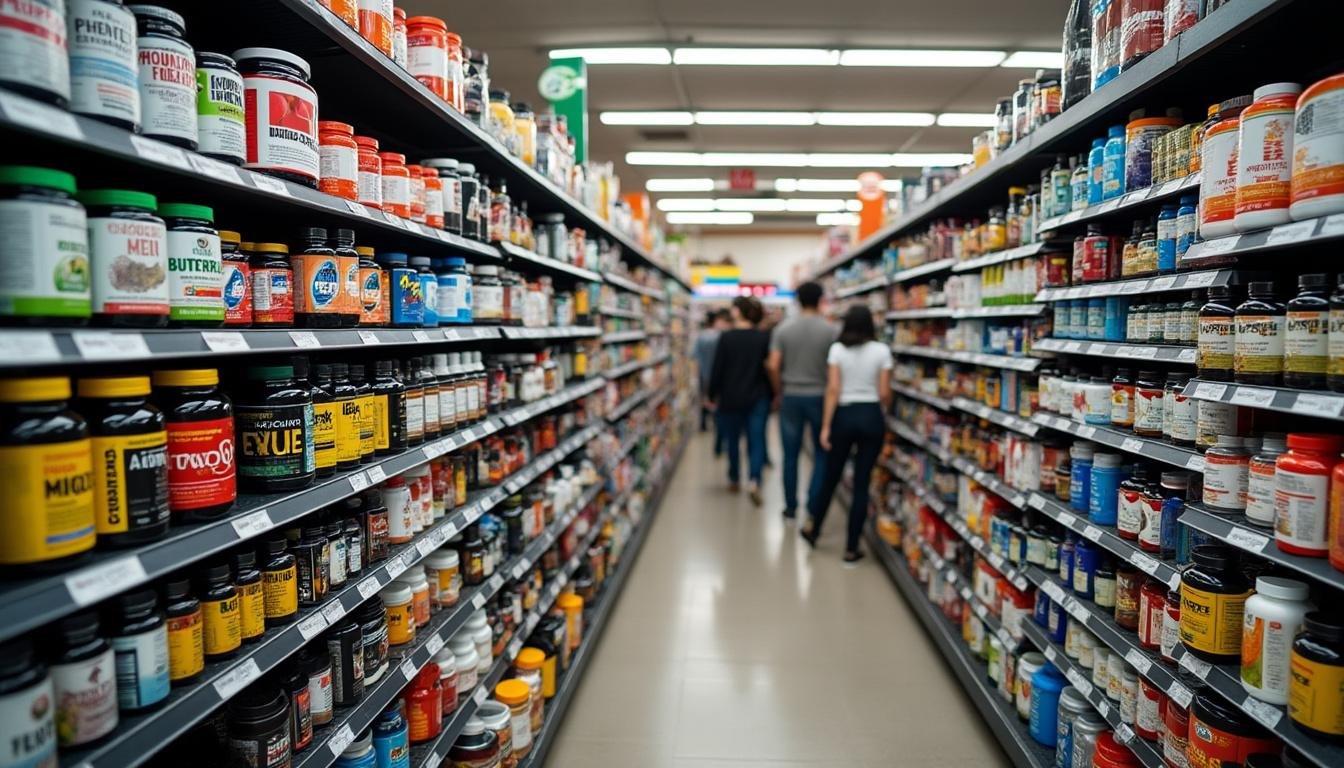
    explore the insights of experts as they analyze the necessity of dietary supplements. discover the facts and myths surrounding supplements and determine if they're truly essential for your health.

    Understanding Micronutrient Needs: When Are Supplements Essential?

    Micronutrients, although required in minute amounts, are indispensable for maintaining physiological functions. Deficiencies in vitamins such as A, B12, D, as well as minerals like iron and zinc, can lead to serious conditions including anemia, rickets, night blindness, and scurvy. Beyond acute manifestations, subtle insufficiencies may impair metabolism, gene expression, and immune response.

    Related Article :  Natural vs. synthetic supplements: Should you care?

    Dr. Lindsay H. Allen’s recent comprehensive review published in The New England Journal of Medicine clarifies why supplements are beneficial only in specific contexts. These contexts predominantly include:

    • Pregnant women: Require iron, folic acid, calcium, and vitamin D to support fetal development.
    • Older adults: Often benefit from vitamin D, B6, and choline supplementation due to decreased absorption and dietary intakes.
    • Vegans and vegetarians: Are at risk for vitamin B12, iron, and zinc deficiencies since these micronutrients are less abundant in plant-based diets.
    • Individuals with limited sun exposure: May suffer from vitamin D insufficiency, especially in northern latitudes or institutionalized settings.

    In low- and middle-income countries, such deficiencies are far more prevalent, necessitating aggressive public health measures including supplementation and food fortification programs.

    While the supplement market offers a multitude of options from brands like BSN, GNC, and Herbalife, indiscriminate use without clinical indication can carry risks such as vitamin E increasing prostate cancer risk or excess iron causing toxicity. The goal is targeted supplementation backed by diagnostics rather than routine use.

    Risks of Overconsumption: Why More Isn’t Always Better

    Many consumers believe that more vitamins and minerals translate to better health, fueling the megadose trend in supplementation. However, scientific evidence warns that excessive intake can provoke adverse effects. For instance:

    • Vitamin E: Overdosing is linked to elevated risks of prostate cancer and infections.
    • High-dose Vitamin A: Can lead to increased bone fractures.
    • Excess iron: Often causes gastrointestinal distress and potential toxicity, particularly in individuals without iron-deficiency anemia.

    Healthcare providers emphasize caution and advise against exceeding 100% of recommended daily allowances unless under medical supervision. Identifying true deficiencies through reliable biochemical markers like serum ferritin and 25(OH)D levels remains paramount before initiating supplementation.

    Related Article :  Do you really need supplements? Experts weigh in

    Evaluating Popular Supplements: Who Gains Real Benefits?

    Multivitamins have long served as convenient nutritional insurance for many, offered by trusted companies such as Garden of Life and Sports Research. While unlikely to harm, their necessity is diminished in individuals consuming a balanced, varied diet. That said, some supplements prove their worth in specific contexts:

    • Calcium: Particularly important for individuals avoiding dairy; intake from supplements like calcium citrate can prevent osteoporosis.
    • Vitamin B12: Critical for older adults and vegetarians to avoid anemia and neurological decline.
    • Vitamin D: Widely underconsumed; supplementation or sensible sun exposure is advised for maintaining bone and immune health.
    • Omega-3 fatty acids: Essential for cardiovascular health, with fish oil supplements from brands like NutraBlast favored when dietary intake of fatty fish is insufficient.
    • Sports supplements: Containing creatine or amino acids from companies like Optimum Nutrition and BSN can offer slight performance edges for athletes engaging in high-intensity activity, but not for recreational users.

    Conversely, supplements promising rapid muscle gain or miraculous cures should be viewed skeptically. Research consistently shows that the foundation of health remains nutrient-rich food consumption and lifestyle balance rather than dependence on supplements.

    Important Guidelines for Choosing Safe and Effective Supplements

    With thousands of products available, selections should prioritize quality and transparency. Follow these expert recommendations:

    1. Choose reputable brands: Established producers like Nature’s Way, NOW Foods, or Vega undergo rigorous quality control to minimize contamination risks.
    2. Review ingredient claims critically: Avoid products promising exaggerated benefits or rapid results unsupported by scientific data.
    3. Consult healthcare professionals: Before beginning any supplement, especially if you have existing health conditions or take medications.
    4. Prefer supplements verified by third-party testing: These certifications bolster trust and product safety.
    5. Don’t exceed recommended dosages: More is not always better and can cause harm.
    Related Article :  GLP-1 support supplements: what to take after stopping weight-loss injections

    Today’s evolving research, found on trusted sources such as US News Health and NIH News in Health, further supports a discerning approach toward supplementation.

    The Future of Supplementation: Personalized Strategies and Emerging Diagnostics

    As we progress, the future of supplementation leans toward personalization, leveraging advances in genomics and metabolomics to detect subtle micronutrient deficits that standard dietary surveys might miss. This refined approach ensures supplements are administered to those who truly need them, improving efficacy while minimizing risks. For example:

    • Using genetic profiling to identify individuals with impaired vitamin D metabolism.
    • Applying metabolomic markers to reveal early-stage deficiencies before symptoms arise.
    • Tailoring supplement combinations to individual metabolic demands.

    Global public health initiatives continue to emphasize fortification and targeted supplementation in vulnerable populations, a model now being refined for broader applications in developed countries. The widespread availability of brands like Herbalife and GNC reflects an ongoing demand, yet prudent use anchored in science holds the key to deriving real benefits.

    Consumers seeking guidance can explore in-depth discussions in resources such as eMedNews’ expert opinions and critical evaluations like those on WebMD. As research evolves, embracing smart supplementation rather than blanket adoption ensures your health investments are wise and effective.

    expert opinions health nutrition supplements wellness
    Follow on Google News
    Share. Facebook Twitter LinkedIn Email WhatsApp Reddit Telegram Threads Copy Link
    Previous ArticleStretching routines that ease chronic pain
    Next Article Eco-friendly swaps for a healthier home
    Avatar photo
    Amelie Goujon

    Amélie has been working in the health sector for over 15 years and now serves as an online journalist specializing in healthy living. Her background in healthcare gives her articles a solid foundation of credibility and empathy. Passionate about wellness, nutrition, and prevention, she translates complex medical topics into clear, accessible content for a wide audience. Through her writing, Amélie aims to empower readers to make informed choices and adopt healthier daily habits.

    Continue reading

    Chris Paul Shares His Motivation Behind Launching a Healthy Snack Brand: ‘Empowering Kids Through Nutrition…

    By FRANK JOST

    What are the most effective nutrition strategies for healthy aging?

    By Amelie Goujon

    The So-Called ‘Healthy’ Habit That May Not Be Beneficial, Reveals New Research

    By FRANK JOST

    Which are the 6 best vitamins and supplements recommended by experts to boost your immune system?

    By Amelie Goujon

    How Strong Friendships Can Actually Boost Your Heart Health—The Science Explained

    By FRANK JOST

    How to stay healthy when the seasons change

    By Tina Nguyen

    Do you really need supplements? Experts weigh in

    By Tina Nguyen

    Unlocking the Secrets to Healthy Aging and Longevity

    By FRANK JOST

    Mindfulness and meditation: the new prescription for mental health

    By Amelie Goujon

    Health and social justice: addressing systemic inequities for better health

    By Amelie Goujon

    Plant-based diets: the health trend taking the nation by storm

    By Amelie Goujon

    Exercise and mental health: the power of physical activity

    By Amelie Goujon
    Add A Comment
    Leave A Reply Cancel Reply

    Subscribe to Our Newsletter

    Join the Live Well Magazine Newsletter and get exclusive tips on health, wellness, lifestyle, and personal growth — straight to your inbox.

    Trending
    Natural Remedies

    Which anti-inflammatory champion reigns supreme for your relief?

    Mental Health

    How can a lost luggage saga and a $2,200 win teach you about managing travel stress and mental wellness?

    Wellness

    What is the power of modern med spa care for your well-being?

    Healthy Recipes

    Which 10 surprising foods boost digestion more effectively than ginger?

    Nutrition

    What are the surprising benefits of miso soup for your gut, heart, and immune health?

    Wellness

    What are the top 10 complimentary activities in Seattle for your well-being?

    Facebook
    • About us
    • Contact us
    • Contributors
    • Legal
    • Privacy
    © 2026 livewellmagazine.org.

    Type above and press Enter to search. Press Esc to cancel.