Close Menu
    Follow us on Google News
    Follow Livewell Magazine on Google News
    Facebook X (Twitter) Instagram
    LiveWell Magazine
    Facebook
    Follow LiveWell Magazine on Google News
    • Cancer

      Barry Manilow Opens Up About Embracing Healthier Lifestyle Choices During His Cancer Battle

      April 8, 2026

      Healthy Dad’s Unexpected Cancer Diagnosis Revealed After Ignoring Nighttime Bathroom Trips: ‘A Heartbreaking Surprise’

      February 22, 2026

      BREAKING NEWS: Gene therapy for sickle cell disease: a medical breakthrough still out of reach for many

      December 29, 2025

      How Your Drinking Habits Could Significantly Increase Your Cancer Risk

      December 28, 2025

      Could the time of day you get cancer treatment affect survival? What a new lung cancer study suggests

      December 25, 2025
    • Fitness

      A 65-Year-Old Fitness Trainer’s Guide to Stocking Up on Healthy Foods at Costco

      April 10, 2026

      How many calories do you actually burn by running one mile?

      April 9, 2026

      Biochemist Reveals the Powerful 10-Minute Workout That Keeps the Mind Razor-Sharp All Day

      March 23, 2026

      The best workouts for busy people

      March 3, 2026

      A Fitness Trainer’s Perspective: How My Approach Transformed from 40 to 60

      March 2, 2026
    • Health

      How can better patient-doctor communication help you stay on track with your medication?

      April 8, 2026

      What can an infectious disease doctor’s experiences in Kazakhstan and America teach us about global health?

      April 3, 2026

      Federal Judge Hits Pause on HHS Secretary Kennedy’s Vaccine Policy Overhaul

      March 18, 2026

      Medicare Advantage Shifts: Payments to Plans Increase as Enrollment Hits a New Record

      March 18, 2026

      The battle over “$0 premium” plans: What’s at stake for your healthcare?

      February 19, 2026
    • Lifestyle

      How can finding the best flight deals reduce your travel stress and improve your well-being?

      April 9, 2026

      Daily Routine Discovered in New Study That Could Help Slow Down Aging

      April 6, 2026

      The So-Called ‘Healthy’ Habit That May Not Be Beneficial, Reveals New Research

      April 5, 2026

      Celebrity Manicurist Reveals Daily Habit That Gradually Weakens Your Nails

      April 5, 2026

      Embracing Emotional Strength: The Key to Healthy Habits and a Longer Life

      April 4, 2026
    • Nutrition

      Which 7 vitamin C-packed fruits should you try to boost your immunity?

      April 10, 2026

      Daily Avocado Consumption: Insights from a Dietitian on Its Health Benefits

      March 25, 2026

      Celebrate National Nutrition Month this March with Toi Degree – Salisbury Post

      March 21, 2026

      Protein-Packed Mediterranean Dinners to Boost Your Heart Health

      March 20, 2026

      Remarkable Health Benefits of Prunes That Transform Them into a Nutritional Powerhouse

      March 6, 2026
    • Senior

      Nurturing Your Gut After 50: 7 Essential Habits for Lasting Digestive Wellness

      April 3, 2026

      Nourishing Your Golden Years: 10 Essential Nutrition Habits to Promote Healthy Aging and Maintain Independence After 60

      March 27, 2026

      Wound Care Revolution: How a New Medicare Payment System Aims to Cut Waste in Senior Care

      March 19, 2026

      The $2,000 Cap is Here: How the New Annual Out-of-Pocket Drug Limit Saves Seniors Thousands

      March 17, 2026

      Why Conventional Health Tips Might Shift After Turning 50

      March 15, 2026
    • Trends

      Which innovative skincare trends will shape the industry in 2026 according to Uliana-Sofiia Savchenko?

      April 6, 2026

      Transparency at HHS: How the New “Radical Transparency” Initiative Aims to Expose Big Pharma Conflicts

      March 13, 2026

      How Wearable Technology Could Spark a Revolution in Healthier Living

      February 5, 2026

      Early cholesterol treatment in kids may prevent heart disease for life

      January 28, 2026

      Wearable health devices: the future of personalized medicine?

      January 27, 2026
    • Wellness

      The 20-Minute Routine That Could Unlock a Healthier Heart and a Sharper Mind

      April 8, 2026

      How can celebrating Día de los Muertos at a Mexican-owned resort enhance your cultural wellness?

      April 6, 2026

      Is the rising cost of a Hawaii vacation becoming a barrier to your travel wellness?

      April 2, 2026

      How will Palma Mallorca’s new party boat and vacation rental rules affect your travel wellness?

      April 1, 2026

      This Wellness Routine Unlocks Greater Brain Benefits Especially for Beginners

      March 28, 2026
    Subscribe
    LiveWell Magazine
    Home»Cancer»Tele-oncology after the pandemic: access, reimbursement, outcomes
    Cancer

    Tele-oncology after the pandemic: access, reimbursement, outcomes

    Tina NguyenBy Tina Nguyen1 Comment
    Facebook Twitter Email WhatsApp Pinterest LinkedIn Reddit Telegram Threads
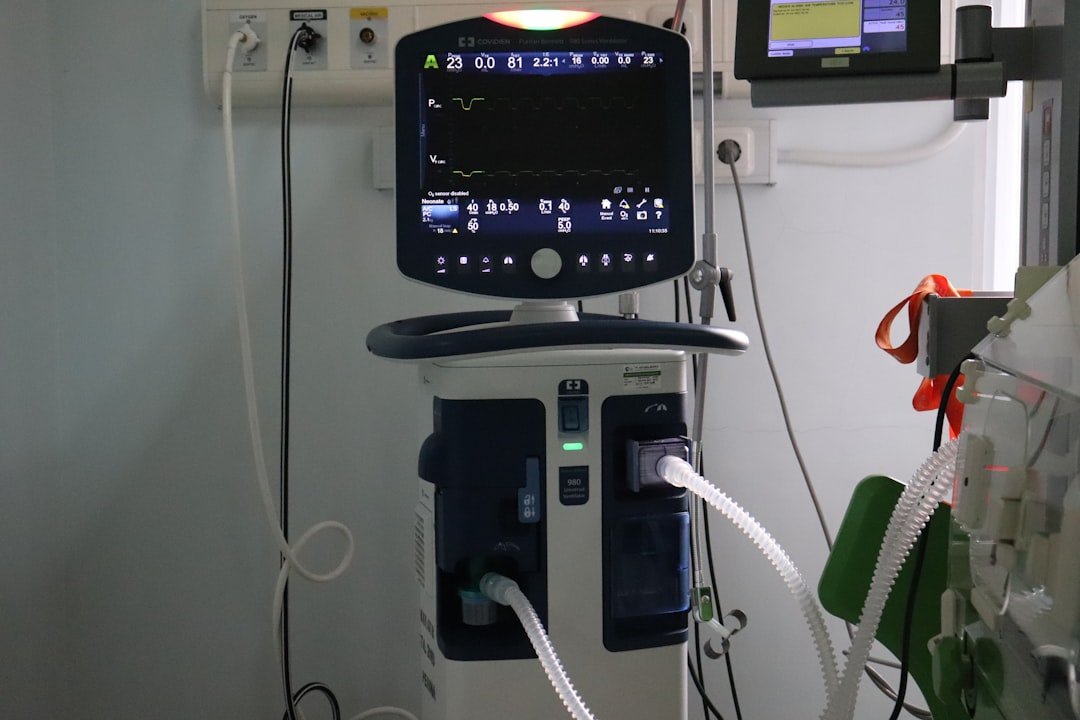
    tele-oncology: delivering cancer care remotely through advanced technology to improve patient access and treatment outcomes.
    Share
    Facebook Twitter LinkedIn Email Reddit Telegram WhatsApp Threads

    The COVID-19 pandemic irrevocably altered the landscape of healthcare, and nowhere has this shift been more profound than in oncology. What began as a stopgap measure to ensure continuity of care has blossomed into a vital component of cancer treatment known as tele-oncology. For millions of seniors battling cancer, virtual consultations moved from a futuristic concept to a present-day reality, offering unprecedented convenience and access. The use of telehealth in cancer care skyrocketed from a mere fraction of a percent pre-pandemic to a significant portion of all visits. Now, as we navigate the post-pandemic era, patients and providers are grappling with the future of this digital revolution. While patient satisfaction with telemedicine remains remarkably high, critical questions about long-term reimbursement, digital equity for all seniors, and the best ways to integrate virtual and in-person care are shaping the next chapter of oncology. The path forward requires a delicate balance between leveraging technology’s benefits and ensuring no patient is left behind.

    In Brief: Tele-Oncology Today

    • 📈 Explosive Growth: Tele-oncology usage surged from under 1% of visits before 2020 to a peak of 33.6%, and it remains a popular option for many follow-up consultations.
    • 👍 High Patient Satisfaction: The vast majority of cancer patients report positive experiences with virtual visits, citing convenience and reduced travel stress as major benefits.
    • 💰 Reimbursement Questions: The future of telehealth hinges on permanent policy changes. The temporary Medicare waivers that fueled its growth face an uncertain future, creating a major hurdle for providers and patients.
    • 🏡 Improved Access: Telehealth has been a lifeline for patients in rural areas, those with mobility issues, and anyone seeking to minimize time away from home and work.
    • 💻 The Digital Divide: A significant challenge remains in ensuring all seniors have the necessary technology and digital literacy to access virtual care effectively.
    Related Article :  Are you at risk for colorectal cancer?

    From Crisis to Convenience: Tele-Oncology’s Enduring Legacy

    Before the pandemic, the idea of discussing complex cancer treatment plans over a video call seemed improbable. Yet, necessity forced a rapid and widespread adoption. This transformation of oncology care was swift, moving from the fringes to the mainstream in a matter of weeks. For many, it was more than just a convenience; it was a critical lifeline. “When I was diagnosed in 2021, my immune system was shot from chemo,” shares Robert, a 72-year-old prostate cancer survivor from rural Montana. “The thought of sitting in a waiting room was terrifying. Being able to talk to my oncologist from my own living room wasn’t just easier—it felt safer. It saved me a three-hour drive for a 20-minute follow-up.” This experience is echoed by thousands, highlighting how virtual care minimizes physical and financial burdens, allowing patients to focus their energy on healing.
    tele-oncology is the use of telecommunication technologies to provide cancer care remotely, improving access to specialists and enhancing patient outcomes.

    Breaking Down Barriers to Quality Cancer Care

    The practical benefits of integrating telemedicine into cancer survivorship care are undeniable. It’s particularly valuable for routine check-ins, managing treatment side effects, and reviewing lab or scan results that don’t require a physical examination. This approach allows in-person visits to be prioritized for more critical interactions, such as initial diagnoses, complex treatment discussions, or physical assessments. Furthermore, telehealth facilitates easier involvement for family members and caregivers, who can join a call from anywhere to offer support and help process information. The challenge now is to create a sustainable model. For telemedicine to remain a core part of cancer care, providers need assurance that adequate and sustainable coverage and reimbursement policy will be in place for the long term, ensuring these vital services continue to be offered.

    Navigating the Hurdles: Reimbursement and Digital Access

    Despite its successes, the future of tele-oncology is not guaranteed. The primary obstacle lies in the complex web of healthcare policy and reimbursement. During the pandemic, federal regulators issued waivers allowing for flexible and broad coverage of telehealth services under Medicare, which was crucial for its adoption. However, questions loom over the future of telehealth policy as these temporary measures expire. Advocacy groups and healthcare systems are pushing for permanent legislation, but the outcome remains uncertain. Alongside policy issues, the “digital divide” presents a significant barrier. Not all seniors have reliable internet access or the devices needed for a video call. Even for those who do, a lack of technical confidence can be a major source of stress. “I had to help my mother set up every single appointment,” says one caregiver. “The hospital’s portal was confusing for her. We need simpler systems if this is going to work for everyone.” Overcoming these telemedicine and cancer care barriers is essential for equitable access.

    Related Article :  The most important FDA cancer approvals of 2025—explained for patients
    tele-oncology is the use of telecommunications technology to provide cancer care remotely, improving access to specialists and enhancing patient support.

    Practical Tips for a Successful Virtual Visit

    To get the most out of your tele-oncology appointment, a little preparation goes a long way. Being ready can reduce anxiety and ensure you have a productive conversation with your care team. It’s also important to understand how your insurance, especially Medicare, covers cancer therapy delivered via telehealth. Don’t hesitate to call your provider’s office or insurance company beforehand to clarify coverage for virtual visits.

    1. 🔌 Test Your Tech: A day or two before your appointment, test your camera, microphone, and internet connection. Make sure your device (computer, tablet, or smartphone) is fully charged.
    2. 🏠 Find a Good Spot: Choose a quiet, well-lit, and private location for your call where you won’t be interrupted.
    3. 📝 Prepare Your Questions: Just as you would for an in-person visit, write down a list of questions, concerns, and symptoms you want to discuss.
    4. 💊 Have Information Ready: Keep your list of current medications and dosages handy, as well as any recent logs of symptoms or side effects.
    5. 🙋‍♀️ Invite a Supporter: Ask a family member or trusted friend to join the call. They can provide emotional support, take notes, and help you remember what was discussed.

    Please note: The illustration photos in this article were generated by an AI model. Fictional testimonials may have been included to illustrate the topics discussed.

    Is tele-oncology as effective as an in-person visit?

    For many situations, yes. Tele-oncology is highly effective for follow-up appointments, managing medication and side effects, and reviewing test results. However, it cannot replace in-person visits that require a physical exam, imaging, or infusion treatments. Most cancer care plans now use a hybrid model, combining the strengths of both virtual and in-person care.

    Related Article :  Epigenetic therapies: can we ‘reset’ cancer cells without the side effects older adults fear most?

    Will Medicare continue to cover telehealth for cancer care?

    This is the key question for 2025 and beyond. While many pandemic-era waivers have been extended temporarily, permanent legislation is needed to ensure long-term coverage. Patients and advocacy groups are urging Congress to make telehealth access permanent for seniors. It’s best to check with your provider and Medicare plan for the most current coverage information.

    What if I’m not comfortable with technology?

    You are not alone. Many healthcare systems offer support to help patients get comfortable with telehealth. Ask your oncologist’s office if they have a ‘tech support’ line, a patient navigator, or simple instruction guides. Don’t hesitate to ask a family member, friend, or caregiver for assistance in setting up and joining your virtual appointment.

    cancer care outcomes healthcare reimbursement post-pandemic healthcare tele-oncology telemedicine access
    Follow on Google News
    Share. Facebook Twitter LinkedIn Email WhatsApp Reddit Telegram Threads Copy Link
    Previous ArticleThe rise of “smart chemotherapy”: why antibody-drug conjugates are changing the rules for aging adults
    Next Article A teen given weeks to live is now cancer-free three years later thanks to a breakthrough immune therapy
    Avatar photo
    Tina Nguyen

    Tina has been a health journalist for over ten years, reporting from various countries around the world. Her international experience gives her a unique and nuanced perspective on global wellness trends, public health challenges, and cultural approaches to healthy living. Known for her curiosity and clarity, Tina strives to deliver reliable, well-researched content that resonates with diverse audiences. She is passionate about making health information both engaging and empowering for readers everywhere.

    Continue reading

    Barry Manilow Opens Up About Embracing Healthier Lifestyle Choices During His Cancer Battle

    By FRANK JOST

    Healthy Dad’s Unexpected Cancer Diagnosis Revealed After Ignoring Nighttime Bathroom Trips: ‘A Heartbreaking Surprise’

    By FRANK JOST

    BREAKING NEWS: Gene therapy for sickle cell disease: a medical breakthrough still out of reach for many

    By FRANK JOST

    How Your Drinking Habits Could Significantly Increase Your Cancer Risk

    By FRANK JOST

    Could the time of day you get cancer treatment affect survival? What a new lung cancer study suggests

    By FRANK JOST

    Can exercise lower cancer risk? what the science suggests (and what to do today)

    By Frank Jost

    Cancer myths that won’t quit: the top 4 misconceptions to stop believing

    By Frank Jost

    “Super survivor”: the mental and physical comeback story every older adult needs to read

    By Frank Jost

    Cervical cancer screening is becoming easier — and why that matters for long-term health

    By Tina Nguyen

    Nanomedicine in oncology: tiny particles, big hope for senior cancer survivors

    By Frank Jost

    Tumor microenvironment drugs: a new way to boost weakened immune systems in seniors

    By Frank Jost

    Epigenetic therapies: can we ‘reset’ cancer cells without the side effects older adults fear most?

    By Frank Jost
    View 1 Comment

    1 Comment

    1. Pingback: Rural seniors and hospital access - LiveWell Magazine

    Leave A Reply Cancel Reply

    Subscribe to Our Newsletter

    Join the Live Well Magazine Newsletter and get exclusive tips on health, wellness, lifestyle, and personal growth — straight to your inbox.

    Trending
    Health & Safety

    What are the six hidden health risks you should be aware of?

    Fitness

    A 65-Year-Old Fitness Trainer’s Guide to Stocking Up on Healthy Foods at Costco

    Nutrition

    Which 7 vitamin C-packed fruits should you try to boost your immunity?

    Screenings & Prevention

    Enhanced Dosage of Common Vaccine Dramatically Reduces Alzheimer’s Disease Risk

    Natural Remedies

    How can you use castor oil to unlock radiant skin and a healthy glow?

    Fitness

    How many calories do you actually burn by running one mile?

    Facebook
    • About us
    • Contact us
    • Contributors
    • Legal
    • Privacy
    © 2026 livewellmagazine.org.

    Type above and press Enter to search. Press Esc to cancel.