
Close Menu
    Follow us on Google News
    Follow Livewell Magazine on Google News
    Facebook X (Twitter) Instagram
    LiveWell Magazine
    Facebook
    Follow LiveWell Magazine on Google News
    • Cancer

      The “Silent Killer”: 2 Hidden Signs of Pancreatic Cancer You Can Spot Years in Advance

      April 20, 2026

      Barry Manilow Opens Up About Embracing Healthier Lifestyle Choices During His Cancer Battle

      April 8, 2026

      Healthy Dad’s Unexpected Cancer Diagnosis Revealed After Ignoring Nighttime Bathroom Trips: ‘A Heartbreaking Surprise’

      February 22, 2026

      BREAKING NEWS: Gene therapy for sickle cell disease: a medical breakthrough still out of reach for many

      December 29, 2025

      How Your Drinking Habits Could Significantly Increase Your Cancer Risk

      December 28, 2025
    • Fitness

      Why does every step matter in your unique running journey?

      May 21, 2026

      How does age impact athletic prowess and power?

      May 19, 2026

      How can you stay active and healthy by embracing winter fitness with outdoor sports?

      May 14, 2026

      How does afternoon exercise transform your blood sugar levels?

      May 7, 2026

      At 100, the ‘First Lady of Fitness’ Shares Her Daily Workout Secrets and One Must-Have Food

      April 15, 2026
    • Health

      How can fast verification tools transform patient care and enhance health outcomes?

      May 15, 2026

      How can you choose the best functional medicine doctor for your health journey?

      May 5, 2026

      How can better patient-doctor communication help you stay on track with your medication?

      April 8, 2026

      What can an infectious disease doctor’s experiences in Kazakhstan and America teach us about global health?

      April 3, 2026

      Federal Judge Hits Pause on HHS Secretary Kennedy’s Vaccine Policy Overhaul

      March 18, 2026
    • Lifestyle

      Can these 6 yoga poses provide instant relief for your period cramps?

      May 28, 2026

      How will the new travel advisory for individuals with “x” gender markers affect your travel wellness?

      May 22, 2026

      What are the surprising life lessons from a freezing cold experience in rural Japan?

      May 11, 2026

      What are some simple tips for maintaining a clean dog mouth?

      May 4, 2026

      How can you break free from the sitting trap and revitalize your life?

      April 22, 2026
    • Nutrition

      How could eating pickles daily affect your blood pressure?

      May 25, 2026

      Which are the 6 surprising foods that could be sabotaging your health?

      May 22, 2026

      Which 9 delicious fruits can help slash your cholesterol levels?

      May 5, 2026

      Which 5 delectable fruits packed with potassium can help support your blood pressure?

      April 27, 2026

      What are the surprising benefits of miso soup for your gut, heart, and immune health?

      April 23, 2026
    • Senior

      What are the essential approaches for promoting high-quality senior care and independence?

      May 6, 2026

      Nurturing Your Gut After 50: 7 Essential Habits for Lasting Digestive Wellness

      April 3, 2026

      Nourishing Your Golden Years: 10 Essential Nutrition Habits to Promote Healthy Aging and Maintain Independence After 60

      March 27, 2026

      Wound Care Revolution: How a New Medicare Payment System Aims to Cut Waste in Senior Care

      March 19, 2026

      The $2,000 Cap is Here: How the New Annual Out-of-Pocket Drug Limit Saves Seniors Thousands

      March 17, 2026
    • Trends

      How could the 7 surprising travel trends of 2026 disrupt your wellness plans and how can you navigate them?

      April 15, 2026

      Which innovative skincare trends will shape the industry in 2026 according to Uliana-Sofiia Savchenko?

      April 6, 2026

      Transparency at HHS: How the New “Radical Transparency” Initiative Aims to Expose Big Pharma Conflicts

      March 13, 2026

      How Wearable Technology Could Spark a Revolution in Healthier Living

      February 5, 2026

      Early cholesterol treatment in kids may prevent heart disease for life

      January 28, 2026
    • Wellness

      How can heartfelt reunions at U.S. airports enhance your emotional wellness?

      May 28, 2026

      How will the loss of Bali’s private beaches affect your wellness travel?

      May 27, 2026

      How will the new sleeper train connecting Basel, Copenhagen, and Malmö enhance your travel wellness in 2026?

      May 26, 2026

      How can you revitalize your skin with the Ulike red light therapy mask?

      May 26, 2026

      How can Dr. Dipali Dhawan’s journey in healthcare leadership inspire your wellness strategy?

      May 21, 2026
    Subscribe
    LiveWell Magazine
    Home»Supplements»Psychobiotics: the gut-brain supplements gaining popularity
    Supplements

    Psychobiotics: the gut-brain supplements gaining popularity

    Tina NguyenBy Tina NguyenNo Comments
    Facebook Twitter Email WhatsApp Pinterest LinkedIn Reddit Telegram Threads
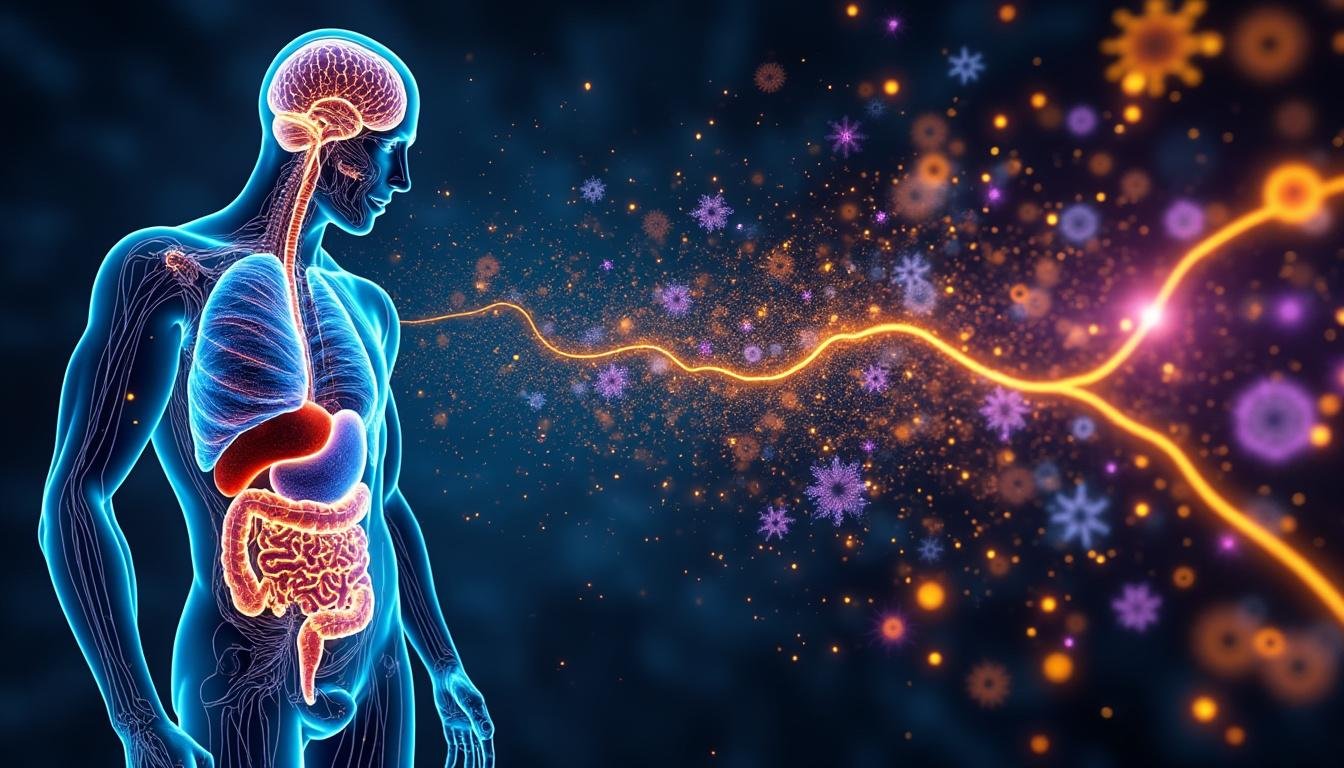
    discover the rising trend of psychobiotics, gut-brain supplements that support mental health by promoting a healthy microbiome and improving mood and cognitive function.
    Share
    Facebook Twitter LinkedIn Email Reddit Telegram WhatsApp Threads

    Ever had a “gut feeling” or “butterflies in your stomach”? It turns out those old sayings are spot on! There’s a superhighway of communication between your gut and your brain, and a new class of supplements called psychobiotics is tapping into this connection to boost mental wellness. Forget everything you thought you knew about bacteria—these tiny microbes might just be your new best friends for a happier mind.

    In Brief: Your Guide to Psychobiotics

    • 🧠 What are they? Psychobiotics are live probiotics (good bacteria) that specifically provide mental health benefits by influencing the gut-brain axis.
    • serotonin, often called the “feel-good” hormone, is actually produced in your gut!
    • 🍽️ Food First: You can find these beneficial microbes in fermented foods like yogurt, kimchi, and sauerkraut, as well as by feeding them with prebiotic foods like garlic, onions, and bananas.
    • 🤔 A Helping Hand: While not a cure-all, research suggests psychobiotics can be a powerful complementary tool alongside traditional approaches to support mood, reduce stress, and improve cognitive function.

    Your Gut is Your “Second Brain” — And It’s Talking!

    Believe it or not, your intestines are lined with about 100 million neurons, a network so vast it’s often called the “second brain.” This isn’t just for digesting your lunch; it’s constantly chatting with your head brain via the vagus nerve. Psychobiotics are the friendly bacteria that can positively influence this conversation. Unlike general probiotics for digestion, psychobiotics are specifically studied for their potential to ease feelings of anxiety, lift mood, and sharpen focus.

    “I started taking a supplement with Bifidobacterium longum a few months ago after reading about the gut-brain link,” shares Martha, 72, a retired teacher from Florida. “It’s been a subtle change, but I feel more resilient to daily stresses, and that nagging ‘brain fog’ feels like it’s finally lifting. It’s fascinating!”

    Related Article :  Butyrate supplements: can they really reduce inflammation?

    How These Tiny Allies Work Their Magic

    So, how can bacteria in your belly affect your brain? It happens in a few clever ways. First, they help produce essential neurotransmitters. An incredible 90% of your body’s serotonin (the “happy chemical”) is made right in your gut. By nurturing the right bacteria, you’re supporting your body’s natural mood-lifting factory. These microbes also help regulate the stress hormone cortisol and reduce inflammation, which is increasingly linked to mood disorders. The intricate microbiota-gut-brain axis is a bustling field of research, showing just how interconnected our physical and mental health truly are.

    Choosing Your Gut’s Best Friends: What to Look For

    Venturing into the world of psychobiotics can feel overwhelming, but a few key strains have shown real promise in studies. Different bacteria offer different potential benefits, making it possible to find a supplement that aligns with your wellness goals. For instance, some research suggests certain strains can help support a balanced microbiome, which is crucial for overall health.

    While research is ongoing, here are some of the most studied players in the psychobiotic field:

    Psychobiotic Strain Strain Potential Mental Wellness Benefit 🧠 Found In 😋
    Lactobacillus rhamnosus May help reduce feelings of anxiety and stress. Yogurt, kefir, certain supplements.
    Bifidobacterium longum Linked to reduced stress and improved memory. Fermented foods, high-quality supplements.
    Lactobacillus helveticus Often studied for its mood-supporting properties. Swiss cheese, probiotic supplements.

    “My doctor and I decided to add a psychobiotic to my wellness plan,” shares David, 68. “It’s not a magic pill, but I feel it supports my overall strategy for staying sharp and positive. Plus, it encouraged me to add more fermented foods to my diet!” It’s important to remember that while the initial findings are exciting, these supplements should be seen as one part of a holistic health plan, not a substitute for professional medical advice. Understanding psychobiotics can empower you to make more informed choices for your health.

    Related Article :  How could going dry this January shuffle your digestive rhythm?

    The Future is Bright (and Full of Good Bacteria!)

    The science of psychobiotics is a rapidly advancing frontier in mental wellness. A 2022 meta-analysis found that participants taking psychobiotic supplements showed significant antidepressant-like effects. While we’re still a few years away from doctors prescribing specific bacterial strains for mood, the evidence strongly suggests that nurturing our inner ecosystem is a powerful tool for health. The conversation is shifting, and many now explore psychobiotic supplements tailored to brain health as a proactive step.

    For now, the best approach is a balanced one. Incorporate probiotic-rich fermented foods and prebiotic fibers into your diet to feed your friendly flora. If you’re considering a supplement, look for clinically studied strains. Always remember, psychobiotics are not a standalone treatment but can play a wonderful supporting role in your journey to optimal mental and physical well-being.

    Please note: The illustration photo in this article was generated by AI. Fictional testimonials may have been included for illustrative purposes to enhance the narrative.

    What’s the difference between a probiotic and a psychobiotic?

    Think of psychobiotics as a specialized category of probiotics. While all probiotics are live microorganisms that offer health benefits, psychobiotics are specific strains that have been shown to positively impact mental health through the gut-brain axis.

    How long does it take for psychobiotics to work?

    Patience is key! It can take anywhere from a few weeks to a couple of months to notice changes, as it takes time for the beneficial bacteria to colonize in your gut and influence the gut-brain connection. Consistency is more important than a high dose.

    Can I get all the psychobiotics I need from food?

    A diet rich in fermented foods like yogurt, kefir, sauerkraut, and kimchi, along with prebiotic foods like garlic, onions, and asparagus, is the best foundation for a healthy gut. Supplements can provide a more targeted and concentrated dose of specific strains that have been studied for mental health benefits.

    Related Article :  The most searched fat-burning supplements: what works and what doesn’t

    Should I talk to my doctor before taking psychobiotic supplements?

    Absolutely. It’s always a great idea to consult with your healthcare provider before starting any new supplement, including psychobiotics. They can help you determine if it’s the right choice for you and ensure it doesn’t interfere with any existing conditions or medications.

    brain supplements gut health gut-brain axis mental health supplements psychobiotics
    Follow on Google News
    Share. Facebook Twitter LinkedIn Email WhatsApp Reddit Telegram Threads Copy Link
    Previous ArticleNew hormone therapy momentum in breast cancer
    Next Article The most important FDA cancer approvals of 2025—explained for patients
    Avatar photo
    Tina Nguyen

    Tina has been a health journalist for over ten years, reporting from various countries around the world. Her international experience gives her a unique and nuanced perspective on global wellness trends, public health challenges, and cultural approaches to healthy living. Known for her curiosity and clarity, Tina strives to deliver reliable, well-researched content that resonates with diverse audiences. She is passionate about making health information both engaging and empowering for readers everywhere.

    Continue reading

    How can supplements help revive your focus and memory in a digital world?

    By Amelie Goujon

    How could going dry this January shuffle your digestive rhythm?

    By Amelie Goujon

    How do vitamin D2 supplements affect your body’s D3 levels?

    By Amelie Goujon

    Menopause Relief: 4 Dietitian-Approved Supplements to Soothe Hot Flashes, Improve Sleep, and Support Heart Health

    By Amelie Goujon

    What are the surprising benefits of miso soup for your gut, heart, and immune health?

    By Amelie Goujon

    How can you nourish your gut with delicious choices for a healthier you?

    By Amelie Goujon

    Nurturing Your Gut After 50: 7 Essential Habits for Lasting Digestive Wellness

    By FRANK JOST

    Which are the 6 best vitamins and supplements recommended by experts to boost your immune system?

    By Amelie Goujon

    Do you really need supplements? Experts weigh in

    By Tina Nguyen

    B-complex supplements for fatigue: what people want to know

    By Tina Nguyen

    Melatonin alternatives: what consumers are searching for instead

    By Tina Nguyen

    CoQ10: why adults over 50 are turning to this supplement

    By Tina Nguyen
    Add A Comment
    Leave A Reply Cancel Reply

    Subscribe to Our Newsletter

    Join the Live Well Magazine Newsletter and get exclusive tips on health, wellness, lifestyle, and personal growth — straight to your inbox.

    Trending
    Mental Health

    Anxiety, Autism, PTSD: The Surprising Pet That Soothes When Dogs Aren’t Enough, Yet Remains Little Known in France

    Sports & Physical Therapy

    What is the ultimate countdown to discovering your marathon finishing time?

    Sustainable Living

    How could the curious case of the English coast’s potato invasion impact your health and environment?

    Supplements

    How can supplements help revive your focus and memory in a digital world?

    What are the side effects and effectiveness of Zmyra?

    Lifestyle & Habits

    Can these 6 yoga poses provide instant relief for your period cramps?

    Facebook
    • About us
    • Contact us
    • Contributors
    • Legal
    • Privacy
    © 2026 livewellmagazine.org.

    Type above and press Enter to search. Press Esc to cancel.