

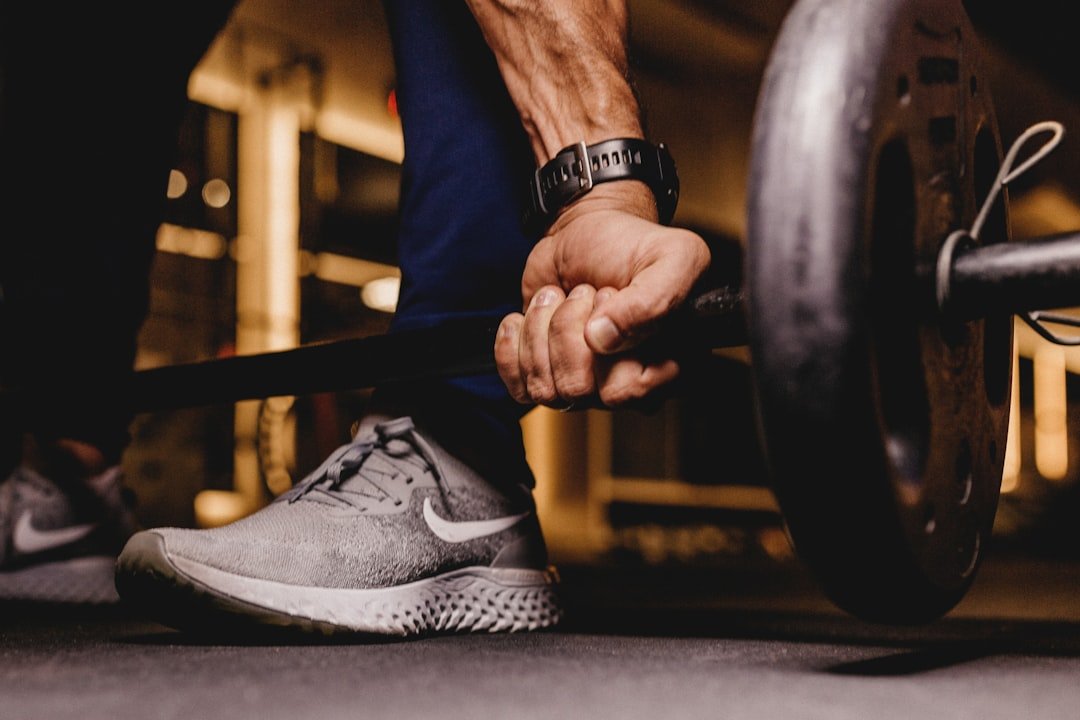
Picture your physical form as a masterfully crafted clockwork mechanism, where every gear must turn in perfect, harmonious synchrony. When you step up to a heavy iron bar resting on the floor, you ask that delicate machinery to perform a monumental task against the relentless pull of gravity. The conventional straight-bar pull is often heralded as the undisputed sovereign of strength in the fitness realm. Yet, as we navigate the evolving wellness landscape of 2026, we increasingly recognize that this royal movement demands an unforgiving toll on our structural foundation.
For those of us focused on preserving joint integrity and ensuring lifelong, pain-free mobility, grinding through sudden lumbar flare-ups feels like a gamble we no longer wish to entertain. Sometimes, the rigid straight bar simply refuses to accommodate the unique architectural quirks of our aging spines, leading to a silent, painful rebellion in the lower back. The hips may feel locked in place, the hamstrings remain frustratingly dormant, and the lower vertebrae endure unnecessary shear forces. But stepping away from the traditional floor pull does not mean abandoning the thrilling quest for lower body power. By rethinking the way we hinge, we can sculpt resilient glutes and hamstrings without the structural compromise.
In Brief:
– Traditional pulls from the floor often trigger hidden lower back discomfort, rapid grip failure, and frustrating mobility roadblocks.
10 quick checks to spot low-quality supplements before you buy - plus research-backed doses for 12 common ingredients. Free PDF, no spam.
– Ideal alternative movements must prioritize the posterior chain while drastically reducing compressive loads on the vertebrae.
– Hexagonal trap bars elegantly shift the center of gravity, protecting the lumbar region during heavy lifting sessions.
– Landmine and Romanian variations offer a guided, poetic stretch to awaken deeply dormant hamstring fibers.
– Machine-based thrusts and elevated rack maneuvers allow for intense muscle isolation without jeopardizing structural health.
Decoding the Friction Between Heavy Iron and Spinal Health
As we gracefully progress through different chapters of our physical lives, the outdated narrative of pushing through agonizing pain is rapidly fading. Today, our training philosophy centers entirely on longevity and the meticulous preservation of our physical vessel. The classic straight-bar pull, while undeniably majestic in its raw display of human power, often clashes violently with the subtle realities of our personal anatomy. When minor deviations in form occur, such as a slight rounding of the spine or a momentary lapse in core bracing, the compressive forces on the delicate lumbar discs magnify exponentially.
This biomechanical friction is a primary reason why many mature fitness enthusiasts find themselves seeking refuge from the traditional lifting setup. The pursuit of muscular growth should never feel like a game of structural roulette. Furthermore, our joints require a fluid symphony of mobility from the ankles, hips, and thoracic spine to wedge perfectly under a static bar. When any of these vital areas lack suppleness, the body instantly compensates, unfairly shifting the heavy burden onto the vulnerable lower back.
Reimagining the Hinge Pattern for Maximum Relief
The true essence of a masterful posterior chain builder lies deeply within the mechanics of the hip hinge. It is a graceful backward glide of the pelvis followed by a powerful, snapping forward drive, completely distinct from the vertical drop of a squat. A magnificent alternative must honor this intricate biomechanical dance while actively lowering the sheer stress on our fragile vertebrae. When we thoughtfully change the lifting angle, elevate the starting point, or shift the center of mass, we invite the targeted muscles to engage fully and safely.
Add to this the sheer frustration of a grip that gives out long before the powerful glute muscles have even warmed up, and the exercise quickly becomes an exercise in futility. It is in these moments of realization that we must look toward simple daily routines that transform long-term well-being, reshaping our entire approach to resistance training. By embracing exercises that gently guide our hips and securely brace our core, we foster an environment where the hamstrings can stretch vividly.
This mindful, imaginative approach ensures that we are not merely mindlessly moving weight from one point to another, but genuinely nourishing the underlying muscle tissue. Progressive overload remains the guiding star of our fitness journey, but it is now achieved through intelligent, joint-friendly modification rather than stubborn repetition. Elevating our training IQ allows us to build an impenetrable lower body armor.
| Movement Variation | Spinal Load Profile | Primary Muscle Focus |
|---|---|---|
| Trap Bar Pull | Significantly Reduced | Glutes, Quads, Hamstrings |
| Romanian Hinge | Moderate (Controlled) | Hamstrings, Erector Spinae |
| Landmine Hinge | Low (Guided Path) | Glutes, Core Stability |
| Elevated Rack Pull | Low (Reduced Range) | Upper Back, Lockout Glutes |
| Machine Thrust | Near Zero | Isolated Glute Maximus |
Five Masterful Substitutes to Sculpt Your Lower Body
Enter the trap bar, a hexagonal sanctuary that fundamentally alters the complex physics of the lift. By simply stepping inside the geometrical frame, the external weight aligns perfectly with your body’s natural center of gravity. This seemingly magical biomechanical shift significantly curtails the dangerous moment arm acting upon the spine, allowing for a much more upright and comfortable torso.
The neutral grip handles offer a welcoming, natural handshake to your joints, drastically reducing the rapid fatigue of the forearms and eliminating the need for awkward lifting straps. It is a brilliant hybrid movement that gracefully borrows the best elements from both the squat and the hinge. This unique combination makes it an absolute cornerstone for anyone looking to build formidable strength without the lingering, dark shadow of back pain.
The Hexagonal Haven and the Romanian Stretch
Equally enchanting is the Romanian lift, a poetic variation that entirely skips the initial, chaotic pull from the gym floor. Beginning from a commanding, fully standing posture, you lower the resistance with deliberate, agonizingly slow control. This intense eccentric focus bathes the hamstrings in sustained tension, awakening muscle fibers that often remain entirely dormant during traditional, explosive lifts.
For those whose daily stiffness limits their lifting depth, this top-down approach is nothing short of a revelation. It actively fosters deep muscle awareness while weaving a bulletproof posterior chain. You learn to trust the tension, feeling the muscular stretch act as a natural brake mechanism before driving back up to a triumphant standing position.
Guided Trajectories and Elevated Triumphs
When raw stability is the missing ingredient in your lifting recipe, the landmine setup provides a beautifully tethered anchor. By placing the heavy load directly in front of you while one end remains securely fixed, the metallic apparatus naturally guides your hips backward on a flawless trajectory. This built-in path control acts as an invisible dance partner, completely preventing the weight from drifting away and pulling your lumbar spine dangerously out of alignment.
It is a wonderfully gentle and forgiving introduction to the hinge pattern, easily scalable to any age or fitness level, and particularly soothing for easily aggravated lower backs. For those energetic days when you crave the exhilarating sensation of moving serious iron but your lower back firmly refuses to cooperate, elevated pulls inside a steel power rack offer a brilliant, pain-free compromise.
Isolated Glute Mastery Without Spinal Compression
By setting the starting position safely above the knees, you completely bypass the most vulnerable and demanding range of motion. This deliberate, intelligent shortening of the bar path focuses your energy entirely on top-end lockout power and glute contraction. It is a fantastic, highly effective strategy frequently utilized by those seeking unconventional daily practices to maintain peak physical condition without accumulating wear and tear.
Sometimes, the absolute best way to train the powerful hinge muscles is to remove the fragile spine from the mathematical equation entirely. Machine-based hip thrusts offer a luxurious, highly focused isolation experience that traditional free weights simply cannot match. By safely locking the pelvis into a guided, padded track, you can channel every ounce of your energy directly into the glutes, proving that you do not need to risk your structural health to build a resilient, awe-inspiring lower body.
10 quick checks to spot low-quality supplements before you buy - plus research-backed doses for 12 common ingredients. Free PDF, no spam.
