

Understanding the Rising Air Quality Index in India and Its Health Implications
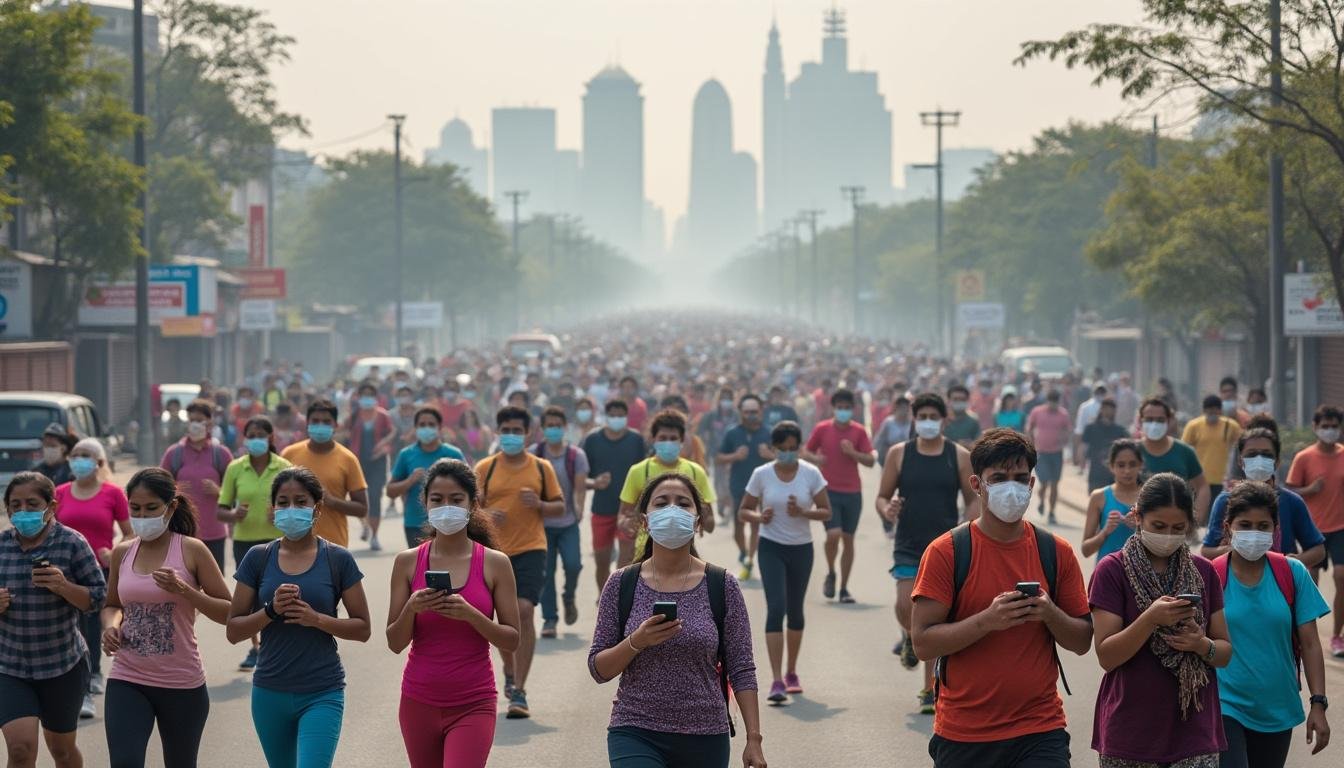
The Air Quality Index (AQI) in India has been surging to dangerous levels, especially around late autumn and the festive season such as Diwali. Urban centers like Delhi, Mumbai, and surrounding cities routinely register AQI levels categorized as “poor” to “very poor,” a significant public health concern. In 2025, this increasing trend has become more acute due to factors such as intensified vehicular emissions, industrial pollutants, crop residue burning, and meteorological conditions exacerbating smog formation.
The implications of poor air quality extend beyond mere visual discomfort; research cited in the Journal of Toxicology highlights how airborne pollutants trigger inflammation and oxidative stress. These reactions potentially impair lung function, increase susceptibility to respiratory infections, and elevate the risk of cardiovascular events. Vulnerable populations, including children, the elderly, and people with chronic cardiovascular or respiratory diseases, are especially at risk.
Understanding these risks emphasizes the urgent need for citizens and health professionals to adopt precautionary measures. Monitoring the AQI closely using smartphone applications can help decide when to avoid outdoor exposure. For example, during early mornings and late evenings, pollutants such as PM2.5 and PM10 spike, necessitating reduced outdoor physical activities.
- Pollution sources: Vehicle exhaust, industrial discharge, crop burning.
- Seasonal influence: Cooler temperatures trap pollutants closer to the ground.
- Health effects: Respiratory distress, asthma exacerbation, heart complications.
- High-risk groups: Children, elderly, and patients with asthma or COPD.
- Real-time monitoring: Utilize AQI monitoring apps recommended by health authorities.
An illustration of sustained exposure to poor air quality can be seen in residents who experience persistent coughs, reduced exercise tolerance, and increased hospital visits during pollution spikes. It is critical to understand that addressing air pollution is not just an environmental effort but a public health emergency requiring individual and governmental action.
Creating a Safe Indoor Environment to Combat High Pollution Levels
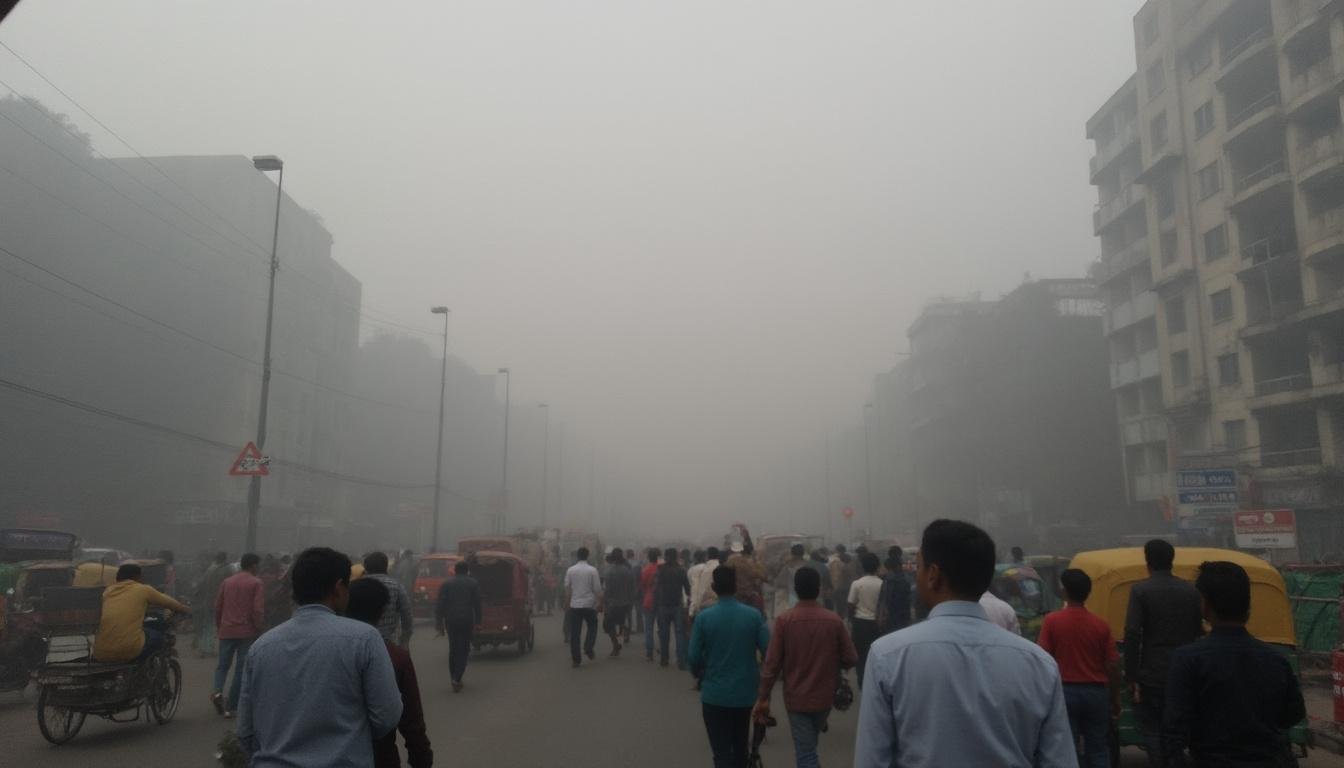
As outdoor air quality deteriorates, designing a clean and safe indoor environment becomes paramount in protecting one’s health. Since the outside air often contains elevated levels of particulate matter (PM), volatile organic compounds (VOCs), and other pollutants, sealing the home against their infiltration is a critical step.
Keeping windows and doors closed during peak pollution times helps reduce indoor contamination. To further enhance air purity, investing in advanced air purifiers from renowned brands such as Honeywell, Philips, Dyson, and Blueair is recommended. These devices are equipped with HEPA filtration technology capable of removing fine PM2.5 particles, allergens, and certain harmful gases from indoor air.
Aside from mechanical filtration, incorporating air-purifying plants can complement the cleansing process. Plants like snake plants and areca palms contribute by absorbing carbon dioxide and releasing oxygen, improving air quality naturally.
- Air purifiers: Prefer models with HEPA filters such as Honeywell and Mi Air Purifier devices designed for Indian urban environments.
- Indoor planting: Snake plants, Areca palms, and Bamboo palms for natural air purification.
- Ventilation management: Close windows during high AQI days; ventilate in early hours when pollution dips.
- Humidity control: Use dehumidifiers or humidifiers where necessary to maintain comfortable indoor humidity levels, limiting the growth of mold and irritants.
- Regular cleaning: Dust and vacuum frequently using HEPA filter-equipped vacuum cleaners (brands like Sharp offer such devices) to reduce indoor particulate build-up.
Data indicates that homes with effective air purification combined with behavioral adjustments experience significantly reduced indoor pollutant levels, creating safer environments for families sensitive to pollution. Aligning indoor air quality with outdoor KPIs, especially during seasons when smog is intense, substantially reduces respiratory and cardiovascular strain.
Effective Use of Masks and Protective Gear to Minimize Exposure Outdoors
When it is unavoidable to go outside during high pollution periods, protecting oneself effectively hinges on the proper use of protective masks. Not all masks deliver equal protection against fine particulate matter prevalent in Indian smog. While cloth and surgical masks may filter larger particles, they do little to block ultrafine PM2.5 particles, harmful gases, and aerosols.
Certified masks such as N95 or N99 respirators are designed to provide significant filtration efficiency, blocking up to 95-99% of airborne particles. Using masks from trusted manufacturers ensures compliance with certifications and user safety. It is advisable to replace disposable masks regularly and maintain reusable masks per manufacturer guidelines.
- Mask types: Choose N95 or N99 certified masks for optimum protection.
- Proper fit: Masks should seal properly without gaps around the nose and cheeks.
- Usage duration: Replace disposable masks every 6-8 hours or when soiled.
- Children’s protection: Sized masks fit for kids help safeguard sensitive respiratory systems.
- Additional gear: Glasses or goggles minimize eye irritation from smog.
Studies from recent health advisories in Indian metropolises emphasize that mask compliance drastically reduces pollutant intake and subsequent health complications, including asthma attacks and cardiovascular stress. For specialized groups such as outdoor workers, investing in high-quality respiratory masks is crucial.
Incorporating these mask habits complements other lifestyle modifications, enhancing overall resilience during pollution spikes. For further expert insights, see the Delhi pollution advisory and protection guidelines.
Nutrition and Hydration Strategies to Boost Immunity Against Pollutants
Beyond external protections, internal resilience against air pollution’s harmful effects is heavily influenced by nutrition and hydration. Consuming a diet rich in antioxidants helps reduce oxidative stress induced by inhaled toxins, safeguarding lung and heart function.
Inclusion of foods abundant in Vitamin C—such as amla (Indian gooseberry), citrus fruits, and green leafy vegetables—supports the immune system. Omega-3 fatty acids found in walnuts, flaxseeds, and fatty fish also exhibit anti-inflammatory properties beneficial for lung health.
Hydration is equally vital. Adequate water intake facilitates mucosal clearance in the respiratory tract, reducing pollutant accumulation and irritation. Dehydration worsens inflammation and limits the body’s natural detoxifying mechanisms.
- Antioxidant-rich foods: Amla, spinach, citrus fruits, and walnuts strengthen pulmonary defenses.
- Healthy fats: Omega-3 fatty acids help combat inflammation caused by pollutants.
- Hydration tips: Drink at least 2-3 liters of water daily, adjusting for climate and activity.
- Supplementation: Consult doctors before taking Vitamin C or Omega-3 supplements, especially for those with chronic diseases.
- Avoid irritants: Minimize intake of processed foods, excessive caffeine, and alcohol that may exacerbate inflammation.
The synergy between a protective lifestyle, including diet and hydration, has been well-documented by pulmonologists. For expert recommendations on diet and nutrient timing in relation to respiratory health, readers can explore additional tips at trusted health resources.

Lung Health Maintenance Through Breathing Exercises and Regular Check-Ups
Maintaining optimal lung health is a proactive defense against the cumulative damage caused by chronic exposure to poor air quality. Breathing exercises can bolster lung capacity and oxygen intake efficiency even when outdoor air fails to meet health standards.
Practices such as deep diaphragmatic breathing and pursed-lips breathing help improve ventilation, increase oxygen exchange, and reduce airway resistance. These exercises are simple to perform indoors where the air is cleaner, thus minimizing pollutant inhalation.
- Deep breathing: Enhances lung volume and oxygen absorption.
- Pursed-lips breathing: Helps keep airways open, useful for those with obstructive lung disease.
- Consistent practice: Aim for 5-10 minutes daily.
- Limit strenuous activity: Avoid intense outdoor exercise when AQI levels are hazardous.
- Regular health check-ups: Essential for early detection of pollution-related respiratory or cardiovascular strain.
Engaging with healthcare professionals for periodic lung function tests and blood pressure monitoring is recommended. These assessments help track the impact of air quality and enable timely interventions. Pulmonologists often emphasize that routine medical supervision coupled with breathing exercises form a powerful combination to mitigate pollution effects.
Reading through seven essential steps for lung protection can provide additional insights for at-risk individuals and families.
What are the most effective ways to monitor air quality daily?
Using smartphone applications that provide real-time AQI updates, such as the Central Pollution Control Board’s official app or popular weather platforms, helps individuals make informed decisions about outdoor activities.
Which air purifiers are best suited for Indian urban homes?
Air purifiers from Honeywell, Philips, Dyson, and Blueair equipped with HEPA and activated carbon filters are highly effective in filtering fine particulate matter and odors commonly found in Indian cities.
How often should N95 masks be replaced?
Disposable N95 masks should be replaced after 6-8 hours of use or sooner if they become damp, damaged, or soiled to ensure maximum protection.
Can dietary changes significantly improve resistance to air pollution?
Yes, diets rich in antioxidants like vitamin C and omega-3 fatty acids help reduce inflammation and strengthen the immune system, making the body more resilient to pollution-induced stress.
Are breathing exercises effective in combating pollution effects?
Regular practice of breathing techniques such as diaphragmatic and pursed-lips breathing improves lung capacity and airway function, which can mitigate the negative impacts of polluted air.
