


Understanding the Impact of Sugar and Refined Carbohydrates on Longevity
Eating habits significantly influence our life expectancy and overall health, a fact increasingly supported by research in 2026. Among various dietary components, the frequent overconsumption of sugar and refined carbohydrates stands out as a major contributor to accelerated aging and chronic disease development. Registered dietitian Melanie Murphy Richter explains that consistent blood sugar spikes caused by high intake of sugary foods can induce metabolic and inflammatory stress on the body, key drivers behind faster biological aging and ailments like cardiovascular disease and cognitive decline.
Rather than advocating for the complete elimination of carbohydrates, Murphy Richter encourages adopting a more balanced approach. For example, instead of eating white pasta every day, one might alternate with whole grain or legume-based alternatives that provide more fiber and micronutrients. This helps stabilize blood glucose levels and reduces long-term strain on metabolic systems.
Consider how typical eating habits involving sugary snacks or beverages create repeated insulin surges throughout the day. Over years, such habits can lead to insulin resistance, a precursor to type 2 diabetes and other chronic diseases associated with premature aging. On the other hand, diets emphasizing fiber-rich plants, healthy fats like nuts or olive oil, and balanced protein sources contribute to metabolic resilience and support healthy living.
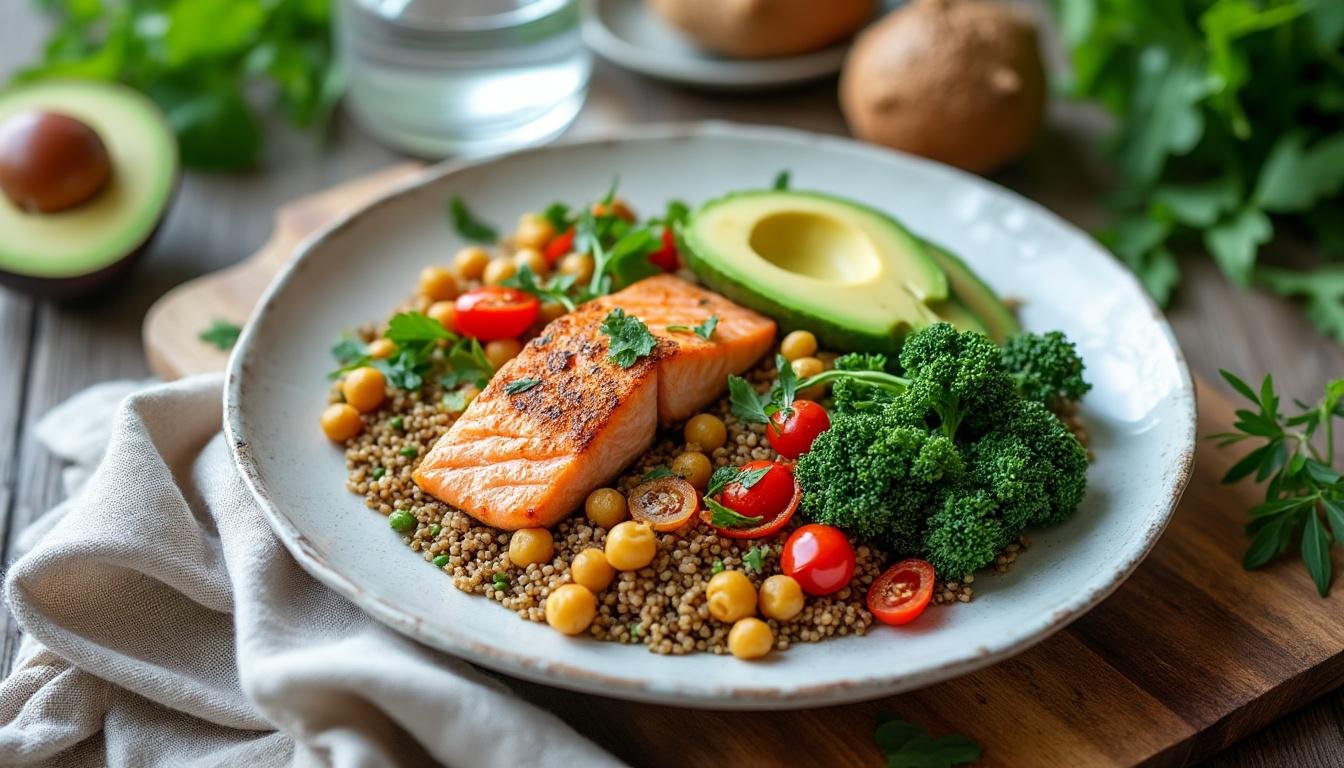
For instance, a meal combining roasted vegetables, quinoa, and grilled salmon not only delivers nutrients but also helps maintain steady blood sugar levels compared to a meal centered around white bread and processed sauces. Switching to foods with a low glycemic index can be a practical dietary tip to promote longevity.
10 quick checks to spot low-quality supplements before you buy - plus research-backed doses for 12 common ingredients. Free PDF, no spam.
This understanding highlights the importance of moderation and variety in carbohydrate choices rather than strict elimination, which aligns with evolving nutrition advice. Maintaining this balance supports sustained energy and biological stability needed for longer, healthier lives.

The Hidden Dangers of Ultra-Processed Foods and How to Avoid Them for Healthy Aging
The rise of convenience culture has ushered in an era dominated by ultra-processed foods (UPFs), which, despite their appeal, pose serious risks to healthy diet goals and longevity. These foods, including sugary cereals, ready-to-eat meals, sodas, and factory-processed meats, are typically high in inflammatory fats, refined carbohydrates, and additives that can disrupt gut health and metabolic function over time.
Melanie Murphy Richter emphasizes that habitual consumption of UPFs displaces nutrient-dense whole foods in the diet, leading to deficiencies that undermine the body’s ability to age well. For example, the lower intake of vitamins, minerals, and fiber found in minimally processed foods impacts immune function, brain health, and cardiovascular resilience.
A practical strategy to reduce reliance on UPFs involves preparing meals from scratch using whole ingredients such as fresh vegetables, legumes, whole grains, and lean proteins. These foods nourish the cells and gut microbiome, essentials for longevity-supportive diets.
Moreover, reducing salt intake by limiting processed ready meals helps manage blood pressure, a critical factor in preventing chronic disease. It is also helpful to become more mindful of nutrition labels and choose products with fewer additives and natural ingredients.
Transitioning from high-UPF diets to whole-food-based menus can seem challenging due to time constraints or preferences established early in life. However, fostering these changes gradually aligns with evidence-based diet tips that emphasize sustainability and maximizing nutritional quality for better metabolic health over decades.
An awareness of this nutrition challenge also connects with public health warnings on alarming trends in American eating habits and risks faced by younger generations, as discussed on platforms like Live Well Magazine.
Balancing Animal Protein for Longevity: Finding the Right Mix in Your Diet
Another eating habit that can affect life expectancy negatively is the long-term overconsumption of animal protein, particularly processed and red meats. Studies have firmly linked such dietary patterns with a higher incidence of colorectal cancer and greater activation of biological pathways tied to cellular aging.
According to dietitian Melanie Murphy Richter, food choices heavily skewed towards animal protein, especially when plant intake is insufficient, may accelerate deterioration of metabolic health. Conversely, adopting a more plant-forward diet while allowing for age-appropriate animal protein consumption supports a longer healthspan and robust metabolism.
A practical example is substituting some red meat portions with plant-based proteins like lentils, chickpeas, tofu, or nuts. This approach not only supplies essential amino acids but also includes beneficial fibers and antioxidants supportive of cellular repair and anti-inflammatory processes.
It’s important to highlight that moderated animal protein intake, rather than complete avoidance, is recommended for managing metabolic function over the lifespan. For older adults, including high-quality animal proteins at balanced levels plays a role in preserving muscle mass, a critical factor in maintaining metabolic health and preventing frailty.
This nuanced understanding reflects advances in nutritional science focusing on tailoring protein intake according to age and lifestyle while prioritizing plant-based elements, a message echoed in expert articles like those found on Live Well Magazine’s nutrition insights.
Why Prioritizing Gut Health Is Vital for Long-Term Wellness and Life Expectancy
Emerging research in 2026 continues to underscore the central role of gut health beyond simple digestion. As Melanie Murphy Richter explains, the gut is a powerhouse affecting immune response, inflammation levels, metabolic efficiency, and even cognitive function. Neglecting gut health can silently accelerate aging processes across several physiological systems.
A diet lacking in diverse fibers and fermented foods can reduce the diversity and resilience of the gut microbiome, a critical player in maintaining systemic health. Chronic imbalance in gut bacteria has been linked to increased inflammation, immune dysregulation, and higher risk of chronic diseases.
To support a healthy gut microbiome, nutritionists recommend incorporating a variety of fiber-rich plants such as fruits, vegetables, legumes, and whole grains. Additionally, fermented foods like yogurt, sauerkraut, and kimchi contribute beneficial probiotics that bolster digestive and immune functions.
Consistent meal timing has also been identified as a positive factor in sustaining metabolic rhythms and fostering microbiome health. These lifestyle elements collectively enhance the body’s ability to adapt to stress and maintain resilience — key goals for extending healthspan.
Practically, one might begin by adding a daily serving of fermented food or increasing vegetable intake gradually. This approach can harmonize with other healthy living practices and complement exercise and stress management efforts.
Understanding the complexities of gut health encourages a shift from reactive to proactive nutrition, where supporting digestive wellbeing becomes a priority before health problems manifest.
Consistent Nourishment and Avoiding Metabolic Stress: The Role of Balanced Fueling in Aging Well
While much attention often focuses on what to limit in the diet, the importance of not under-fueling or chronically restricting food intake cannot be underestimated for longevity. Melanie Murphy Richter reminds us that long-term restrictive eating, frequent meal skipping, or inconsistent nourishment can place continuous stress on the body.
Such metabolic stress affects hormone balance, muscle preservation, and metabolic flexibility, all of which are critical in maintaining youthful physiological function. Over time, insufficient nutrition can accelerate biological aging and increase the risk of chronic diseases.
For example, muscle tissue requires adequate energy and protein to be maintained, especially as we age. Muscle mass helps protect the skeleton, regulate blood sugar, and support overall metabolic health. When nutrition is inconsistent, muscle loss accelerates, leading to frailty and decreased physical resilience.
Healthy aging, therefore, is better supported by consistent, sufficient nourishment tailored to individual needs, coupled with regular physical activity. This balanced approach aids in preserving metabolic resilience and functionality through life’s later stages.
Key diet tips for avoiding metabolic stress include establishing regular meal schedules, prioritizing nutrient-dense foods, and avoiding overly restrictive diets unless medically indicated. This strategy fosters a nurturing internal environment conducive to long-lasting wellness.
The message echoes across multiple expert analyses emphasizing sustainable diet and lifestyle changes over quick fixes, a standpoint well represented by insights shared in articles exploring healthy eating habits and their connection to longevity.
How do eating habits influence life expectancy?
Consistent eating patterns that reduce metabolic and inflammatory stress support cellular resilience and longevity, while poor habits such as overconsumption of sugar and processed foods increase chronic disease risk and accelerate aging.
Why is limiting ultra-processed foods important for healthy aging?
Ultra-processed foods often contain inflammatory components and additives that disrupt gut health and metabolic function, reducing nutrient intake and accelerating biological aging.
Is it necessary to completely eliminate animal protein for longevity?
No, balanced and thoughtful inclusion of animal protein alongside plant-based foods supports metabolic health and muscle preservation, which are crucial for healthy aging.
What role does gut health play in longevity?
Gut health affects immune function, inflammation, metabolism, and brain health. Supporting it with fiber-rich and fermented foods contributes to a resilient microbiome and slower aging.
How can one avoid metabolic stress while dieting?
Consistent and adequate nourishment that meets the body’s needs, combined with balanced eating schedules and avoiding extreme restrictions, helps maintain metabolic flexibility and healthy aging.
10 quick checks to spot low-quality supplements before you buy - plus research-backed doses for 12 common ingredients. Free PDF, no spam.
