

Close Menu
    Follow us on Google News
    Follow Livewell Magazine on Google News
    Facebook X (Twitter) Instagram
    LiveWell Magazine
    Facebook
    Follow LiveWell Magazine on Google News
    • Cancer

      The “Silent Killer”: 2 Hidden Signs of Pancreatic Cancer You Can Spot Years in Advance

      April 20, 2026

      Barry Manilow Opens Up About Embracing Healthier Lifestyle Choices During His Cancer Battle

      April 8, 2026

      Healthy Dad’s Unexpected Cancer Diagnosis Revealed After Ignoring Nighttime Bathroom Trips: ‘A Heartbreaking Surprise’

      February 22, 2026

      BREAKING NEWS: Gene therapy for sickle cell disease: a medical breakthrough still out of reach for many

      December 29, 2025

      How Your Drinking Habits Could Significantly Increase Your Cancer Risk

      December 28, 2025
    • Fitness

      At 100, the ‘First Lady of Fitness’ Shares Her Daily Workout Secrets and One Must-Have Food

      April 15, 2026

      How can weighted planks help you elevate your strength and master your core?

      April 14, 2026

      A 65-Year-Old Fitness Trainer’s Guide to Stocking Up on Healthy Foods at Costco

      April 10, 2026

      How many calories do you actually burn by running one mile?

      April 9, 2026

      Biochemist Reveals the Powerful 10-Minute Workout That Keeps the Mind Razor-Sharp All Day

      March 23, 2026
    • Health

      How can better patient-doctor communication help you stay on track with your medication?

      April 8, 2026

      What can an infectious disease doctor’s experiences in Kazakhstan and America teach us about global health?

      April 3, 2026

      Federal Judge Hits Pause on HHS Secretary Kennedy’s Vaccine Policy Overhaul

      March 18, 2026

      Medicare Advantage Shifts: Payments to Plans Increase as Enrollment Hits a New Record

      March 18, 2026

      The battle over “$0 premium” plans: What’s at stake for your healthcare?

      February 19, 2026
    • Lifestyle

      How can transformative approaches to home life enhance your overall well-being?

      April 17, 2026

      Solo Cooking Simplified: 8 Easy Habits to Eat Healthy When Cooking for One

      April 15, 2026

      Psychology-Backed Habits to Revolutionize Your Money Mindset

      April 11, 2026

      The ‘Healthy’ Habit That Could Be Holding You Back, Reveals New Research

      April 10, 2026

      How can finding the best flight deals reduce your travel stress and improve your well-being?

      April 9, 2026
    • Nutrition

      What are the surprising effects of eggnog on your blood sugar levels?

      April 16, 2026

      How can effective nutrition help you achieve a faster dental recovery?

      April 15, 2026

      Could eating microbial food reduce your risk of kidney disease?

      April 13, 2026

      What are the most effective nutrition strategies for healthy aging?

      April 10, 2026

      Which 7 vitamin C-packed fruits should you try to boost your immunity?

      April 10, 2026
    • Senior

      Nurturing Your Gut After 50: 7 Essential Habits for Lasting Digestive Wellness

      April 3, 2026

      Nourishing Your Golden Years: 10 Essential Nutrition Habits to Promote Healthy Aging and Maintain Independence After 60

      March 27, 2026

      Wound Care Revolution: How a New Medicare Payment System Aims to Cut Waste in Senior Care

      March 19, 2026

      The $2,000 Cap is Here: How the New Annual Out-of-Pocket Drug Limit Saves Seniors Thousands

      March 17, 2026

      Why Conventional Health Tips Might Shift After Turning 50

      March 15, 2026
    • Trends

      How could the 7 surprising travel trends of 2026 disrupt your wellness plans and how can you navigate them?

      April 15, 2026

      Which innovative skincare trends will shape the industry in 2026 according to Uliana-Sofiia Savchenko?

      April 6, 2026

      Transparency at HHS: How the New “Radical Transparency” Initiative Aims to Expose Big Pharma Conflicts

      March 13, 2026

      How Wearable Technology Could Spark a Revolution in Healthier Living

      February 5, 2026

      Early cholesterol treatment in kids may prevent heart disease for life

      January 28, 2026
    • Wellness

      Where can you find the ultimate wellness retreat in Mexico for tranquil explorers?

      April 14, 2026

      Lincoln YMCA to Celebrate Healthy Kids Day on April 11 with Free Event Promoting Summer Wellness

      April 12, 2026

      The 20-Minute Routine That Could Unlock a Healthier Heart and a Sharper Mind

      April 8, 2026

      How can celebrating Día de los Muertos at a Mexican-owned resort enhance your cultural wellness?

      April 6, 2026

      Is the rising cost of a Hawaii vacation becoming a barrier to your travel wellness?

      April 2, 2026
    Subscribe
    LiveWell Magazine
    Home»Mental Health»“Real men don’t cry” is a lie: the mental health myth hurting families
    Mental Health

    “Real men don’t cry” is a lie: the mental health myth hurting families

    Frank JostBy Frank JostNo Comments
    Facebook Twitter Email WhatsApp Pinterest LinkedIn Reddit Telegram Threads
    explore mental health topics, tips, and resources to improve well-being and support a balanced lifestyle.
    Share
    Facebook Twitter LinkedIn Email Reddit Telegram WhatsApp Threads

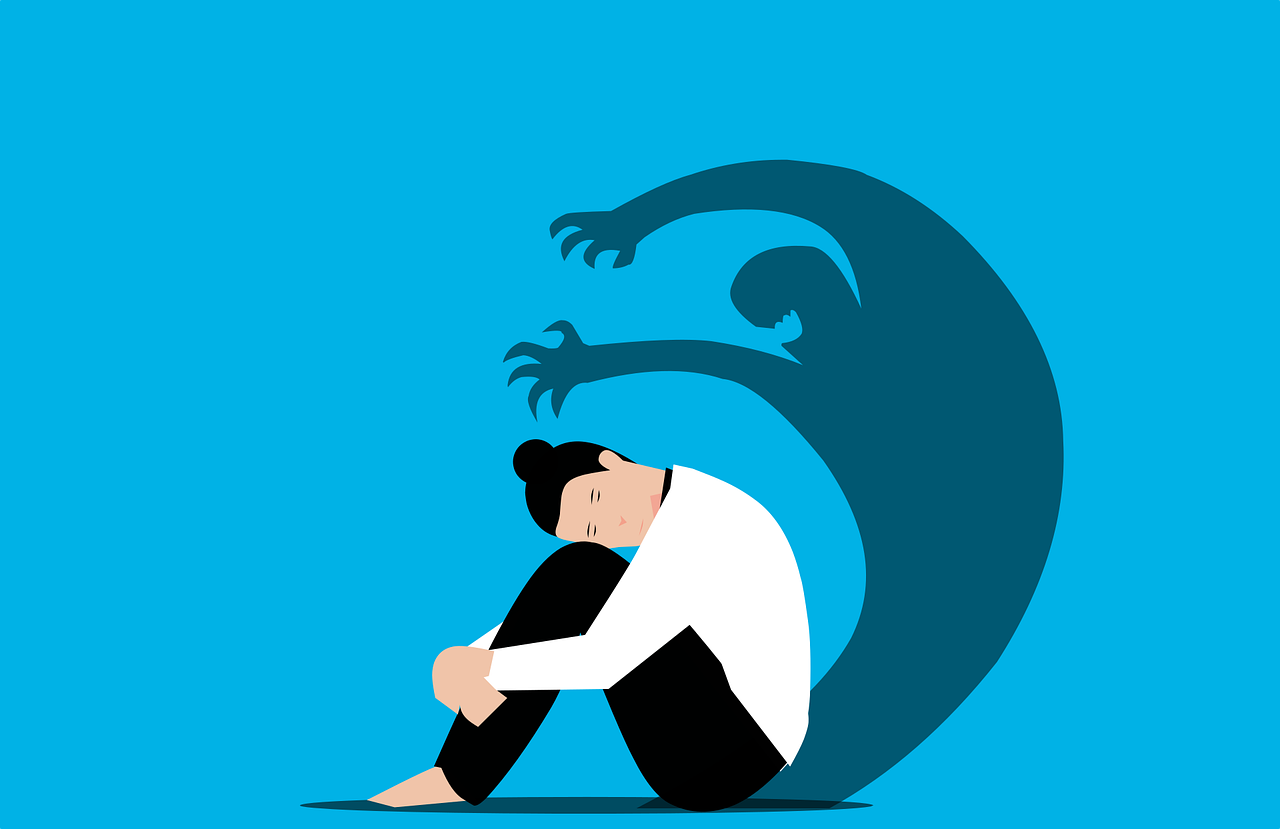
    For generations, a simple, damaging phrase has echoed in the lives of boys and men: “Real men don’t cry.” This cultural command to suppress emotion has created a silent crisis, particularly affecting senior men who were raised under the strictest codes of stoicism. This long-held belief, rooted in a flawed vision of masculinity, has left countless men struggling with loneliness, anxiety, and depression in silence. The cost is devastatingly high, leading to fractured families, addiction, and serious health consequences. But a new day is dawning. As a society, we are finally beginning to understand that true strength lies not in emotional suppression, but in the courage to be vulnerable. It’s a journey of unlearning and healing, and it’s a path that offers profound rewards—deeper connections, improved health, and a more authentic way of living, no matter your age.

    In Brief: Key Takeaways

    • The myth that “real men don’t cry” is a primary driver of the “male loneliness epidemic,” leading to severe mental and physical health issues.
    • Emotional repression, learned in childhood, often resurfaces in later life as anxiety, broken relationships, and an increased risk of heart disease, stroke, and dementia.
    • Seeking help is a sign of courage and strength, not weakness. Resources are more accessible than ever, including teletherapy options.
    • Embracing vulnerability can repair family bonds and lead to a more fulfilling, authentic life in your senior years.

    The High Cost of Silence: Unmasking the “Male Loneliness Epidemic”

    For too long, society has handed men a script that allows for little emotional range beyond anger or stoicism. This has fueled what many experts now call the “male loneliness epidemic,” a crisis where men, especially in their later years, experience profound isolation. Decades of prioritizing a career over social connections and bottling up feelings take their toll. The statistics for 2025 are stark: men are significantly less likely to seek help for mental health challenges, yet they face a higher risk for depression, substance abuse, and even suicide. This isn’t just a mental health issue; it’s a physical one. Chronic loneliness and repressed emotion have been scientifically shown to increase the risk of heart disease, stroke, dementia, and premature death. It’s a silent storm raging beneath a calm exterior, and it’s time to acknowledge the waves.

    Related Article :  Desire a More Youthful Mind? Recent Studies Reveal These Healthy Habits Boost Brain Vitality
    explore comprehensive resources and tips on mental health to improve well-being, manage stress, and support emotional balance for a healthier life.

    Breaking a Lifelong Habit: From Stoicism to Strength

    Why do so many men suffer silently? The answer often lies in a lifetime of conditioning. From a young age, boys are taught that expressing vulnerability is synonymous with weakness. This emotional straitjacket, as documented by experts like William Pollack and Ronald Levant, forces feelings underground, where they fester and resurface in adulthood as anxiety, failed relationships, or a midlife collapse. As these men enter their senior years, the cumulative effect can be overwhelming. The good news is that it’s never too late to rewrite the script. Understanding these roots is the first step toward healing and developing powerful strategies for enhancing brain health and mental clarity.

    “For 70 years, I thought I had to carry the world on my shoulders alone,” shares John, a 75-year-old retired mechanic. “I never talked about my fears, not even with my wife. When I finally started talking to a therapist, it was like a dam broke. It didn’t make me weaker; it made me feel human. My relationship with my kids has never been better.”

    A New Chapter: Embracing Emotional Wellness in Your Golden Years

    Let’s shatter the old narrative together. Talking about your feelings, checking in with friends, and seeking professional support are profound acts of strength. Every man deserves support without judgment, and recognizing this is a core tenet of the surprising link between mental health and happiness. The journey toward emotional wellness is not about erasing the past but about building a healthier future. It involves learning to connect with yourself and others on a deeper level. This path leads to stronger family bonds, richer friendships, and a renewed sense of purpose. It’s a powerful reminder of why mental health is making a huge comeback in our wellness conversations, and it’s a movement every man can be a part of.
    Related Article :  Unveiling the Paradox: How a 'Healthy' Habit Could Elevate Your Dementia Risk by 15%, According to Recent Research
    explore effective strategies and support for maintaining mental health and well-being. learn about common challenges and ways to foster a positive mindset.

    Practical Steps Toward a More Fulfilling Life

    Building emotional resilience is an active process. It starts with small, intentional steps. If you or a man in your life is struggling to open up, consider these starting points to help stay sharp as you age:

    • 🗣️ Start a Real Conversation: Use open-ended questions. Instead of “How are you?” try “What’s been on your mind lately?”
    • 🤝 Find Your Tribe: Reconnect with old friends or join a local club for veterans, hobbyists, or walkers. Shared activities create natural opportunities for connection.
    • 🧑‍⚕️ Seek Professional Insight: Therapy is not a last resort; it’s a tool for growth. Explore accessible options like Medicare-covered teletherapy.
    • ✍️ Write It Down: Journaling can be a powerful, private way to process thoughts and emotions you’re not ready to share.

    Here’s a look at how we can reframe outdated ideas about masculinity:

    The Old Myth 🤫 The New Truth 💪
    “You have to be tough all the time.” “Vulnerability is the foundation of courage.” ❤️
    “Solve your own problems.” “True strength is knowing when to ask for help.” 🤝
    “Don’t talk about your feelings.” “Sharing your story can heal you and others.” 🗣️

    I’ve lived my whole life this way. Is it too late for me to change?

    Absolutely not. The human brain is capable of creating new neural pathways at any age. Starting to express emotions and build connections in your 60s, 70s, or 80s can have a profoundly positive impact on your well-being and relationships. It’s a journey of one small step at a time.

    What if my family and friends think I’m weak for seeking therapy?

    This is a common fear, but often, the people who love you will be relieved and proud. True strength is facing your challenges. By taking this step, you’re not only helping yourself but also modeling healthy behavior for younger generations in your family.

    Related Article :  Drew Barrymore Reveals Seven Empowering Practices to Boost Confidence on Tough Days

    How can I support a husband, father, or friend who won’t open up?

    Patience and gentle encouragement are key. Create a safe, non-judgmental space. Share your own vulnerabilities first. Instead of saying ‘You should talk to someone,’ try ‘I’m here to listen if you ever want to talk about anything.’ Suggest a shared activity, as men often connect better side-by-side (e.g., fishing, walking, working on a project).

    Please note: The illustration photos accompanying this article were generated by AI. Fictional testimonials may have been included for illustrative purposes to highlight the experiences discussed.

    emotional expression men's mental health mental health myth real men don’t cry toxic masculinity
    Follow on Google News
    Share. Facebook Twitter LinkedIn Email WhatsApp Reddit Telegram Threads Copy Link
    Previous ArticleKeep your weight off the nice list: holiday habits that don’t feel like punishment
    Next Article Fuel to play well: 5 nutrition tips for teen athletes
    Avatar photo
    Frank Jost

    Frank is a seasoned media consultant for LiveWell Magazine, with over two decades of experience in the digital media landscape. His expertise spans online publishing, audience engagement strategies, and health communication. A recognized expert in mutual health insurance, Frank brings a unique perspective that bridges the gap between public health awareness and digital storytelling. He is passionate about making reliable health information accessible to all, and continues to help readers navigate the complexities of wellness and insurance in the digital age. https://www.linkedin.com/in/frank-jost-2097104/

    Continue reading

    How can exploring Broadway and NYC’s theater district enhance your mental well-being?

    By Amelie Goujon

    What are the best strategies to manage hormonal migraines and improve your quality of life?

    By Amelie Goujon

    What is codependency and why is it a hidden threat beyond addiction?

    By Amelie Goujon

    Mental Health Monday: Dr. Jess Tranchina’s 6 Essential Habits for Healthier Aging

    By FRANK JOST

    Could everyday sweeteners be fast-tracking your brain’s aging process?

    By Amelie Goujon

    Doctor Cautions That Boomers’ Excessive Screen Time Could Imitate Dementia Symptoms

    By FRANK JOST

    How can you unlock your brain’s potential and preserve cognitive vitality after 40?

    By Amelie Goujon

    ‘Antisocial’ Behaviors That Reveal High Intelligence, According to a Psychologist

    By FRANK JOST

    Mindfulness and meditation: the new prescription for mental health

    By Amelie Goujon

    Mental health apps: separating fact from fiction in the app store

    By Amelie Goujon

    The mental health legacy of the covid-19 pandemic: what comes next?

    By Amelie Goujon

    Blue Monday 2026: Unveiling Why This Monday Is Labeled the Most Depressing Day of the Year

    By Amelie Goujon
    Add A Comment
    Leave A Reply Cancel Reply

    Subscribe to Our Newsletter

    Join the Live Well Magazine Newsletter and get exclusive tips on health, wellness, lifestyle, and personal growth — straight to your inbox.

    Trending
    Health & Safety

    What are the essential tips for selecting the best health insurance plan in the USA?

    Health & Safety

    Does the timing of your coffee consumption affect heart disease risk and longevity?

    Cancer

    The “Silent Killer”: 2 Hidden Signs of Pancreatic Cancer You Can Spot Years in Advance

    Diet & Weight Loss

    Which 7 delicious cheeses can support your belly fat loss journey?

    Lifestyle & Habits

    How can transformative approaches to home life enhance your overall well-being?

    Mental Health

    How can exploring Broadway and NYC’s theater district enhance your mental well-being?

    Facebook
    • About us
    • Contact us
    • Contributors
    • Legal
    • Privacy
    © 2026 livewellmagazine.org.

    Type above and press Enter to search. Press Esc to cancel.