Close Menu
    Follow us on Google News
    Follow Livewell Magazine on Google News
    Facebook X (Twitter) Instagram
    LiveWell Magazine
    Facebook
    Follow LiveWell Magazine on Google News
    • Cancer

      The “Silent Killer”: 2 Hidden Signs of Pancreatic Cancer You Can Spot Years in Advance

      April 20, 2026

      Barry Manilow Opens Up About Embracing Healthier Lifestyle Choices During His Cancer Battle

      April 8, 2026

      Healthy Dad’s Unexpected Cancer Diagnosis Revealed After Ignoring Nighttime Bathroom Trips: ‘A Heartbreaking Surprise’

      February 22, 2026

      BREAKING NEWS: Gene therapy for sickle cell disease: a medical breakthrough still out of reach for many

      December 29, 2025

      How Your Drinking Habits Could Significantly Increase Your Cancer Risk

      December 28, 2025
    • Fitness

      At 100, the ‘First Lady of Fitness’ Shares Her Daily Workout Secrets and One Must-Have Food

      April 15, 2026

      How can weighted planks help you elevate your strength and master your core?

      April 14, 2026

      A 65-Year-Old Fitness Trainer’s Guide to Stocking Up on Healthy Foods at Costco

      April 10, 2026

      How many calories do you actually burn by running one mile?

      April 9, 2026

      Biochemist Reveals the Powerful 10-Minute Workout That Keeps the Mind Razor-Sharp All Day

      March 23, 2026
    • Health

      How can better patient-doctor communication help you stay on track with your medication?

      April 8, 2026

      What can an infectious disease doctor’s experiences in Kazakhstan and America teach us about global health?

      April 3, 2026

      Federal Judge Hits Pause on HHS Secretary Kennedy’s Vaccine Policy Overhaul

      March 18, 2026

      Medicare Advantage Shifts: Payments to Plans Increase as Enrollment Hits a New Record

      March 18, 2026

      The battle over “$0 premium” plans: What’s at stake for your healthcare?

      February 19, 2026
    • Lifestyle

      How can transformative approaches to home life enhance your overall well-being?

      April 17, 2026

      Solo Cooking Simplified: 8 Easy Habits to Eat Healthy When Cooking for One

      April 15, 2026

      Psychology-Backed Habits to Revolutionize Your Money Mindset

      April 11, 2026

      The ‘Healthy’ Habit That Could Be Holding You Back, Reveals New Research

      April 10, 2026

      How can finding the best flight deals reduce your travel stress and improve your well-being?

      April 9, 2026
    • Nutrition

      What are the surprising effects of eggnog on your blood sugar levels?

      April 16, 2026

      How can effective nutrition help you achieve a faster dental recovery?

      April 15, 2026

      Could eating microbial food reduce your risk of kidney disease?

      April 13, 2026

      What are the most effective nutrition strategies for healthy aging?

      April 10, 2026

      Which 7 vitamin C-packed fruits should you try to boost your immunity?

      April 10, 2026
    • Senior

      Nurturing Your Gut After 50: 7 Essential Habits for Lasting Digestive Wellness

      April 3, 2026

      Nourishing Your Golden Years: 10 Essential Nutrition Habits to Promote Healthy Aging and Maintain Independence After 60

      March 27, 2026

      Wound Care Revolution: How a New Medicare Payment System Aims to Cut Waste in Senior Care

      March 19, 2026

      The $2,000 Cap is Here: How the New Annual Out-of-Pocket Drug Limit Saves Seniors Thousands

      March 17, 2026

      Why Conventional Health Tips Might Shift After Turning 50

      March 15, 2026
    • Trends

      How could the 7 surprising travel trends of 2026 disrupt your wellness plans and how can you navigate them?

      April 15, 2026

      Which innovative skincare trends will shape the industry in 2026 according to Uliana-Sofiia Savchenko?

      April 6, 2026

      Transparency at HHS: How the New “Radical Transparency” Initiative Aims to Expose Big Pharma Conflicts

      March 13, 2026

      How Wearable Technology Could Spark a Revolution in Healthier Living

      February 5, 2026

      Early cholesterol treatment in kids may prevent heart disease for life

      January 28, 2026
    • Wellness

      Where can you find the ultimate wellness retreat in Mexico for tranquil explorers?

      April 14, 2026

      Lincoln YMCA to Celebrate Healthy Kids Day on April 11 with Free Event Promoting Summer Wellness

      April 12, 2026

      The 20-Minute Routine That Could Unlock a Healthier Heart and a Sharper Mind

      April 8, 2026

      How can celebrating Día de los Muertos at a Mexican-owned resort enhance your cultural wellness?

      April 6, 2026

      Is the rising cost of a Hawaii vacation becoming a barrier to your travel wellness?

      April 2, 2026
    Subscribe
    LiveWell Magazine
    Home»Mental Health»New research links ultra-processed food to depression – should you worry?
    Mental Health

    New research links ultra-processed food to depression – should you worry?

    Frank JostBy Frank JostNo Comments
    Facebook Twitter Email WhatsApp Pinterest LinkedIn Reddit Telegram Threads
    Share
    Facebook Twitter LinkedIn Email Reddit Telegram WhatsApp Threads

    Ultra-processed foods are everywhere — from brightly packaged snacks to frozen dinners and sugary drinks. They’re quick, cheap, and often tasty. But new research is raising red flags: frequent consumption of these foods may be linked to a higher risk of depression. For many Americans who rely on these items daily, that’s an alarming connection.

    Should you be concerned? And how strong is the evidence linking diet to mental health? Let’s take a closer look at what the latest science reveals — and what steps you can take to protect your mind and body.

    What the research says about UPFs and depression

    In a recent study published in a major peer-reviewed journal, researchers followed over 30,000 adults for several years. They found that individuals who consumed large amounts of ultra-processed foods (UPFs) — particularly those high in artificial sweeteners and emulsifiers — had a significantly higher risk of developing symptoms of depression.

    This adds to a growing body of evidence suggesting that diets rich in highly processed items are associated not just with weight gain and cardiovascular disease, but also with mental health issues. Although causality hasn’t been firmly established, the correlation is strong enough to warrant concern and further investigation.

    The science behind food and mood

    As a physician and nutritionist, I see more patients beginning to connect their eating habits to their emotional well-being — and the science backs them up. Ultra-processed foods are typically low in fiber, protein, and essential nutrients, and high in added sugars, unhealthy fats, and synthetic additives.

    These ingredients can disrupt the gut microbiome, trigger systemic inflammation, and lead to rapid fluctuations in blood sugar levels. All of these effects are known contributors to mood instability, fatigue, and even clinical depression. The gut-brain axis — the communication network between your digestive system and brain — plays a key role in regulating mood, and UPFs do it no favors.

    Related Article :  Natural ways to cope with anxiety and stress

    What exactly are ultra-processed foods?

    Not all processed foods are harmful. Canned beans, whole-grain bread, or frozen vegetables are technically “processed,” but still offer nutritional value. Ultra-processed foods, on the other hand, are industrially manufactured products that include multiple ingredients not found in home kitchens.

    Examples include:

    • Packaged snacks like cookies, chips, and crackers
    • Sugary breakfast cereals and flavored yogurts
    • Soft drinks and artificially sweetened beverages
    • Instant noodles and ready-to-eat meals
    • Processed meats like hot dogs and chicken nuggets

    These foods are often engineered for taste and shelf life, not for health. Their high consumption has been linked to obesity, diabetes, metabolic syndrome, and now, potentially, depression.

    How diet affects performance and mental resilience
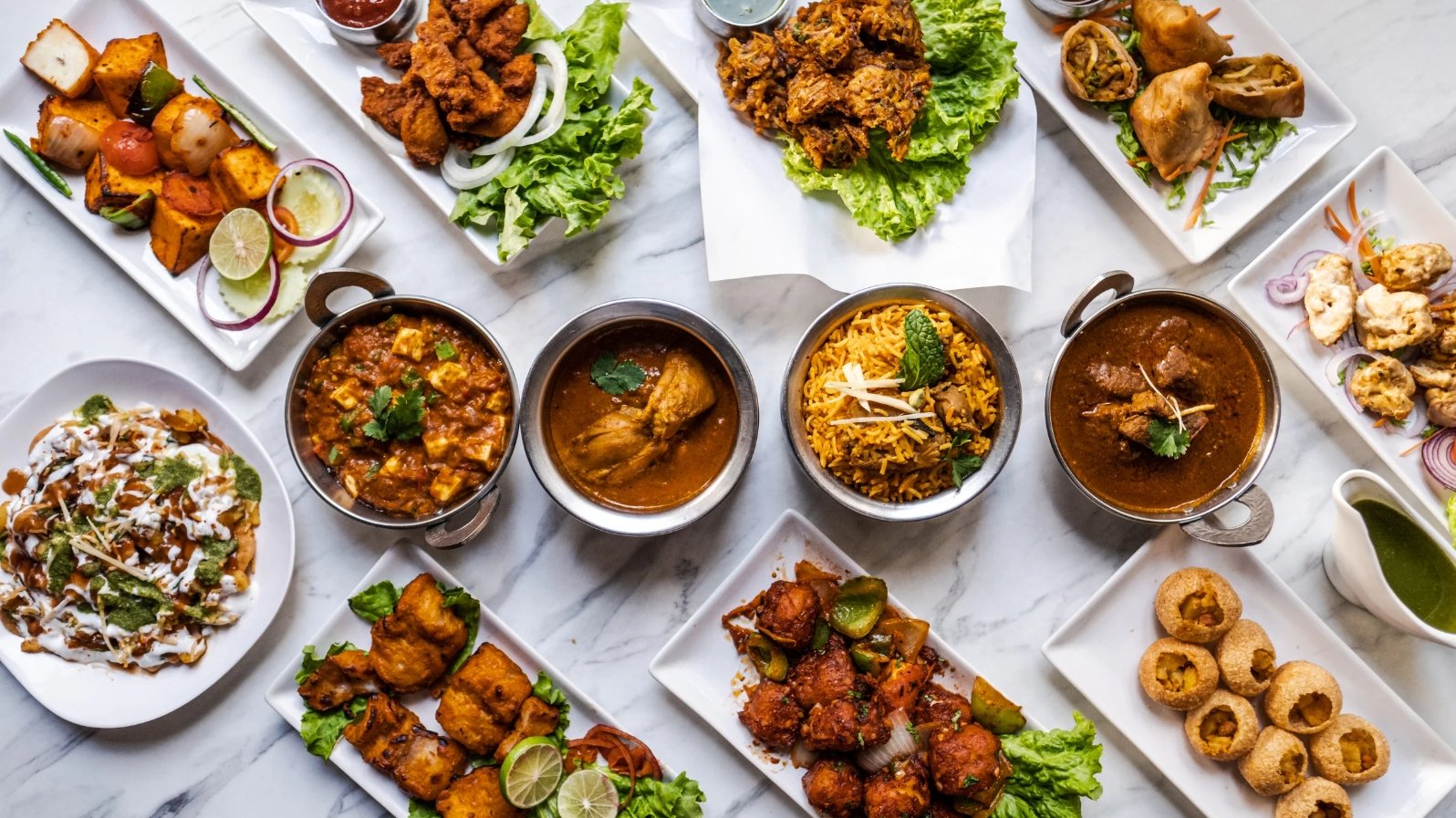
    From a sports trainer’s perspective, nutrition doesn’t just affect physical strength — it has a direct impact on mental clarity, motivation, and recovery. A diet dominated by UPFs can impair sleep, increase irritability, and reduce the capacity to handle stress — all of which are critical for both athletic and daily performance.

    Conversely, whole foods such as lean proteins, healthy fats, vegetables, legumes, and fermented foods support neurotransmitter balance and reduce inflammation. This kind of nutrition fosters a stable mood and sustained energy — essential elements for both mental and physical health.

    Practical strategies to reduce ultra-processed foods

    Cutting out UPFs doesn’t mean overhauling your entire diet overnight. Small changes can add up. Here are some steps to begin:

    • Read labels and limit foods with unfamiliar additives or more than five ingredients
    • Replace sugary drinks with water, herbal teas, or naturally flavored sparkling water
    • Plan meals using whole foods: fresh produce, whole grains, and unprocessed proteins
    • Prepare simple snacks like nuts, yogurt, or fruit instead of packaged bars or chips
    Related Article :  Mental Health Monday: Dr. Jess Tranchina’s 6 Essential Habits for Healthier Aging

    Not only will these changes support better mental health, but they will also enhance physical performance, sleep quality, and overall well-being.

    Conclusion: A wake-up call for modern eating habits

    The link between ultra-processed foods and depression may not be fully proven yet — but the warning signs are clear. Our mental health is not isolated from what we eat. As both a medical and nutritional professional, I encourage you to view food as a powerful ally in your daily mental resilience.

    • Ultra-processed foods are convenient, but they come at a cost
    • Long-term consumption may increase your risk of mood disorders
    • A whole-food-based diet supports emotional and physical balance
    • Simple daily choices can lead to measurable improvements in mental health

    In short, the research is a wake-up call. It’s not just about weight or cholesterol anymore — your mental clarity, mood, and resilience may depend on what’s on your plate.

    Follow on Google News
    Share. Facebook Twitter LinkedIn Email WhatsApp Reddit Telegram Threads Copy Link
    Previous ArticleShould we ban energy drinks for teens? What recent proposals reveal about youth health
    Next Article Why your social life in retirement matters more than your blood pressure
    Avatar photo
    Frank Jost

    Frank is a seasoned media consultant for LiveWell Magazine, with over two decades of experience in the digital media landscape. His expertise spans online publishing, audience engagement strategies, and health communication. A recognized expert in mutual health insurance, Frank brings a unique perspective that bridges the gap between public health awareness and digital storytelling. He is passionate about making reliable health information accessible to all, and continues to help readers navigate the complexities of wellness and insurance in the digital age. https://www.linkedin.com/in/frank-jost-2097104/

    Continue reading

    How can exploring Broadway and NYC’s theater district enhance your mental well-being?

    By Amelie Goujon

    What are the best strategies to manage hormonal migraines and improve your quality of life?

    By Amelie Goujon

    What is codependency and why is it a hidden threat beyond addiction?

    By Amelie Goujon

    What are the surprising effects of eggnog on your blood sugar levels?

    By Amelie Goujon

    How can effective nutrition help you achieve a faster dental recovery?

    By Amelie Goujon

    Mental Health Monday: Dr. Jess Tranchina’s 6 Essential Habits for Healthier Aging

    By FRANK JOST

    Could everyday sweeteners be fast-tracking your brain’s aging process?

    By Amelie Goujon

    Could eating microbial food reduce your risk of kidney disease?

    By Amelie Goujon

    What are the most effective nutrition strategies for healthy aging?

    By Amelie Goujon

    Which 7 vitamin C-packed fruits should you try to boost your immunity?

    By Amelie Goujon

    Doctor Cautions That Boomers’ Excessive Screen Time Could Imitate Dementia Symptoms

    By FRANK JOST

    How can you unlock your brain’s potential and preserve cognitive vitality after 40?

    By Amelie Goujon
    Add A Comment
    Leave A Reply Cancel Reply

    Subscribe to Our Newsletter

    Join the Live Well Magazine Newsletter and get exclusive tips on health, wellness, lifestyle, and personal growth — straight to your inbox.

    Trending
    Health & Safety

    What are the essential tips for selecting the best health insurance plan in the USA?

    Health & Safety

    Does the timing of your coffee consumption affect heart disease risk and longevity?

    Cancer

    The “Silent Killer”: 2 Hidden Signs of Pancreatic Cancer You Can Spot Years in Advance

    Diet & Weight Loss

    Which 7 delicious cheeses can support your belly fat loss journey?

    Lifestyle & Habits

    How can transformative approaches to home life enhance your overall well-being?

    Mental Health

    How can exploring Broadway and NYC’s theater district enhance your mental well-being?

    Facebook
    • About us
    • Contact us
    • Contributors
    • Legal
    • Privacy
    © 2026 livewellmagazine.org.

    Type above and press Enter to search. Press Esc to cancel.