

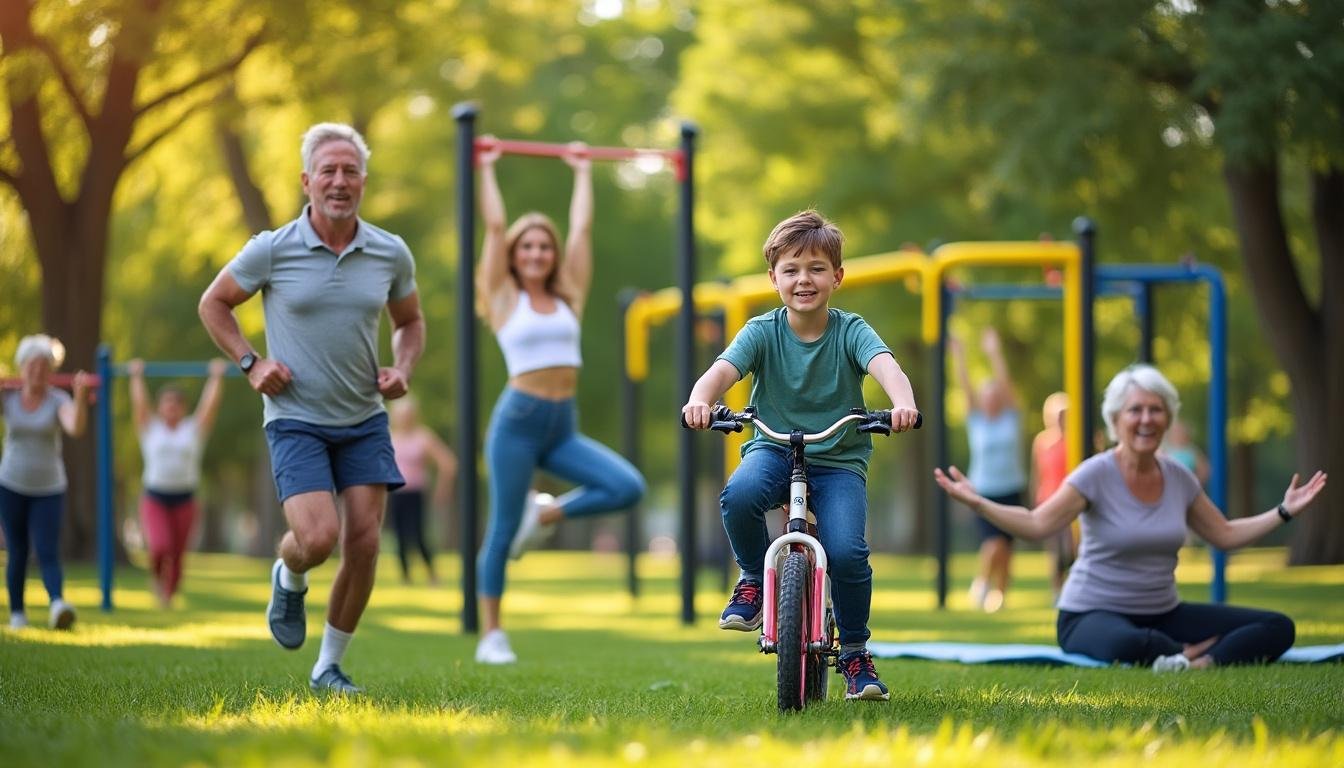
In the quest for a longer, healthier life, the timing of when to start adopting healthy habits plays a crucial role. While aging is an inevitable journey, the focus in 2025 has shifted significantly towards extending not just lifespan but “healthspan” — the years lived in good health and vitality. Experts in longevity, wellness, and preventive health increasingly emphasize starting healthy living practices early to counteract the biological wear and tear associated with time. Yet, the question remains: when exactly is the optimal age to begin fostering habits that enhance life extension, boost fitness, and promote holistic health? Recent findings challenge old assumptions about genetics being the primary factor in aging well and highlight the power of lifestyle medicine and nutritional science in shaping our longevity.
Dr. Eric Topol of the Scripps Research Institute, a renowned cardiologist and longevity scientist, underscores that “It’s never too early or too late” to prioritize healthy aging habits. His evidence-based approach reveals that individuals who begin incorporating balanced nutrition, regular strength training, meaningful social interactions, and mental stimulation by their 50s can gain up to a decade of healthier life before age-related diseases manifest more severely. The importance of fiber intake, avoidance of ultra-processed foods, and sound sleep patterns reinforce how lifestyle choices impact wellness deeply, far beyond genetics.
In today’s health landscape, where vitality is intertwined with both physical and cognitive wellness, experts advocate that adopting strategic healthy living practices throughout adulthood can effectively slow biological aging. Moreover, public health initiatives and community-level support help dismantle barriers that prevent individuals from maintaining these habits at all life stages. This article explores the optimal age to cultivate these essential habits by dissecting current research, expert insights, and practical guidance on fostering longevity through actionable lifestyle changes.
Why Starting Healthy Habits Early Boosts Longevity and Life Extension
The foundation of enhancing longevity and wellness lies in understanding the biology of aging and the role of lifestyle choices in moderating this process. Aging naturally involves a decline in muscle mass, bone density, immune function, and cognitive capabilities. This cumulative wear results in a rise in chronic diseases such as cardiovascular disease, cancer, and Alzheimer’s, typically becoming more evident as people enter their 60s. However, the trajectory toward such conditions can be significantly influenced by when a person begins implementing healthy habits.
10 quick checks to spot low-quality supplements before you buy - plus research-backed doses for 12 common ingredients. Free PDF, no spam.
Scientific studies from the Scripps Research Institute and others have consistently shown that individuals who embrace healthy living principles earlier in life enjoy a longer healthspan. This includes exercising regularly, prioritizing a Mediterranean-style diet rich in fiber, minimizing ultra-processed food intake, and maintaining mental agility. Below is a summary of why early adoption is beneficial:
- Muscle Mass Preservation: Starting strength training before significant muscle loss (typically after age 50) helps maintain physical agility and balance.
- Bone Density Maintenance: Resistance training and adequate nutritional support can slow osteoporosis onset.
- Immune System Support: Exercise and nutritional balance keep the immune system robust to prevent illnesses.
- Cognitive Protection: Early mental activity routines reduce risks of cognitive decline in later years.
For instance, Dr. Topol references his personal experience in adopting strength training in his late 60s, reflecting how even later starts yield marked improvements in fitness and wellness. Nevertheless, the accumulative impact of beginning at 50 rather than 60 can add up to 7-10 years of healthy, active life.
| Age Range | Key Aging Challenges | Optimal Healthy Habits to Begin | Potential Healthspan Gain |
|---|---|---|---|
| 30s-40s | Early metabolic slowdowns, lifestyle inertia | Balanced diet, fitness routines, stress management | Maximizes long-term vitality and disease prevention |
| 50s | Onset of muscle loss, bone density decline | Resistance training, dietary fiber focus, social engagement | 7-10 additional healthy years |
| 60s and beyond | Increased risk of chronic diseases | Continued fitness, mental stimulation, preventive health | Improved quality of life; slowed disease progression |
The key takeaway is that healthy living is a lifelong journey. Early initiation of holistic health practices not only delays the onset of debilitating conditions but also amplifies vitality well into advanced years.
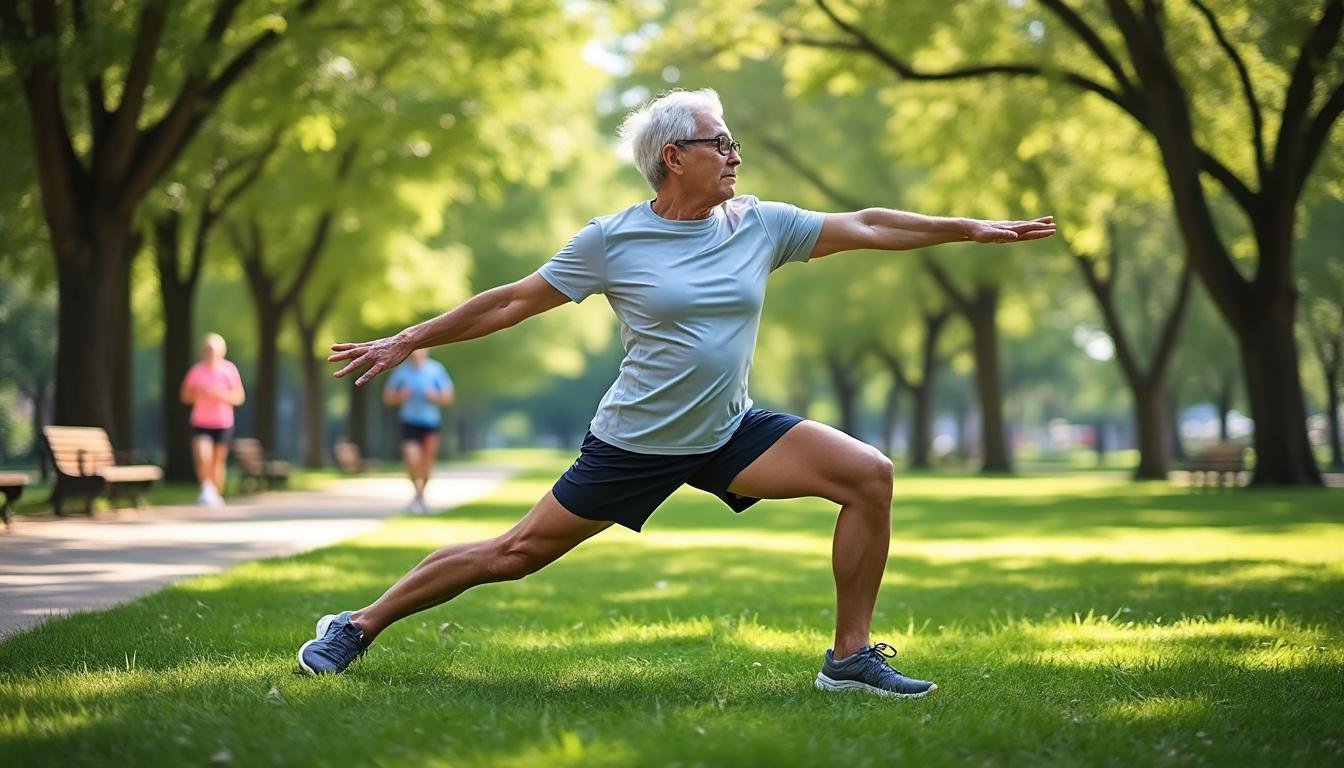
Implementing Early Lifestyle Changes to Avoid Midlife Health Decline
Preventive health frameworks emphasize that midlife is a pivotal window to avoid irreversible metabolic and physiological damage. While genetics form a base, lifestyle medicine interventions including diet improvement and fitness enhancements carry substantial influence over longevity outcomes. The principles of nutritional science highlight fiber’s role in preventing cardiovascular disease and type 2 diabetes, conditions that surge during middle age.
To concretely support healthspan extension, individuals in their 30s and 40s should cultivate several habits consistently. These include:
- Adopting a Mediterranean diet rich in vegetables, healthy fats, lean proteins, and whole grains.
- Integrating 100 minutes weekly of resistance and aerobic exercises to build strength and cardiovascular resilience.
- Maintaining mental engagement through lifelong learning, mindfulness, or hobbies.
- Ensuring sound sleep hygiene to support restorative processes.
- Establishing social networks that nurture emotional wellness.
Such habits form a resilient base for health, visibly reducing risks of diseases that emerge during later life stages. The rise of ultra-processed foods and sedentary lifestyles has necessitated intentional, science-backed strategies to stay ahead of chronic illness trends.
For those unsure where to start, the Lipman Longevity Pyramid offers a comprehensive blueprint combining nutrition, fitness, and mental health designed to optimize life extension. It stresses the synergy of lifestyle elements rather than isolated interventions, a philosophy supported by multiple longevity experts referenced in recent discussions on creating healthy habits that can help you age well (see this detailed expert compilation).
The Impact of Starting Healthy Habits After 50: It’s Never Too Late
While earlier is better, it is a misconception that lifestyle changes past 50 or 60 are ineffective. The body can still respond dynamically, rebuilding strength, improving cardiovascular health, and enhancing cognitive function when appropriate health behaviors are adopted. Many people reach their 60s with avoidable chronic conditions that could be mitigated by late adoption of wellness routines.
Dr. Topol’s insights reveal that initiating strength training three times a week, focusing on fiber intake and natural diets, and committing to mental exercises can arrest or reverse aspects of biological aging. For example, an individual who begins these habits at 60 may gain crucial years of independence and vitality. The difference lies in the degree of impact:
- Physical Fitness: Muscle mass and bone density can be partially restored with consistent resistance training.
- Cognitive Wellness: Mental stimulation activities, social engagement, and quality sleep reduce dementia risks.
- Immune Support: Healthy nutrition and activity bolster resistance to infections and inflammatory diseases.
- Mental Health: Reducing isolation through socialization improves longevity and happiness.
These findings are reinforced by resources such as the Johns Hopkins Medicine guidelines on healthy aging at any age (learn more). This reassuring message encourages broad adoption of fitness and wellness strategies regardless of chronological age.
| Age Group | Recommended Habits | Primary Benefits |
|---|---|---|
| 50-60 | Strength training, nutrition optimization, social engagement | Enhanced muscle strength and reduced chronic disease risk |
| 60-70 | Mental fitness, moderate exercise, sleep regulation | Better cognitive health and quality of life |
| 70+ | Balance training, social connections, preventive screenings | Falls prevention and sustained independence |
Additionally, adopting heart-healthy routines proven to improve overall body wellness from head to toe (such as discussed in this recent study) further solidifies the multidimensional benefits achievable at any age.
Overcoming Barriers to Healthy Living in Older Adults
It’s common for people in later decades to face unique challenges such as chronic pain, reduced mobility, or limited access to facilities, which can interfere with maintaining fitness and nutritional regimens. Community programs, family support, and healthcare partnerships are critical in helping older adults embrace lifestyle changes. Some effective strategies include:
- Offering tailored fitness classes focused on balance and strength.
- Providing nutrition counseling with attention to age-specific needs.
- Facilitating group social activities to combat isolation.
- Utilizing telehealth for mental and physical wellness coaching.
The synergy of these support networks enhances adherence and fosters a positive mindset, which, as explained in building a longevity mindset article (read more here), is a critical pillar of life extension.
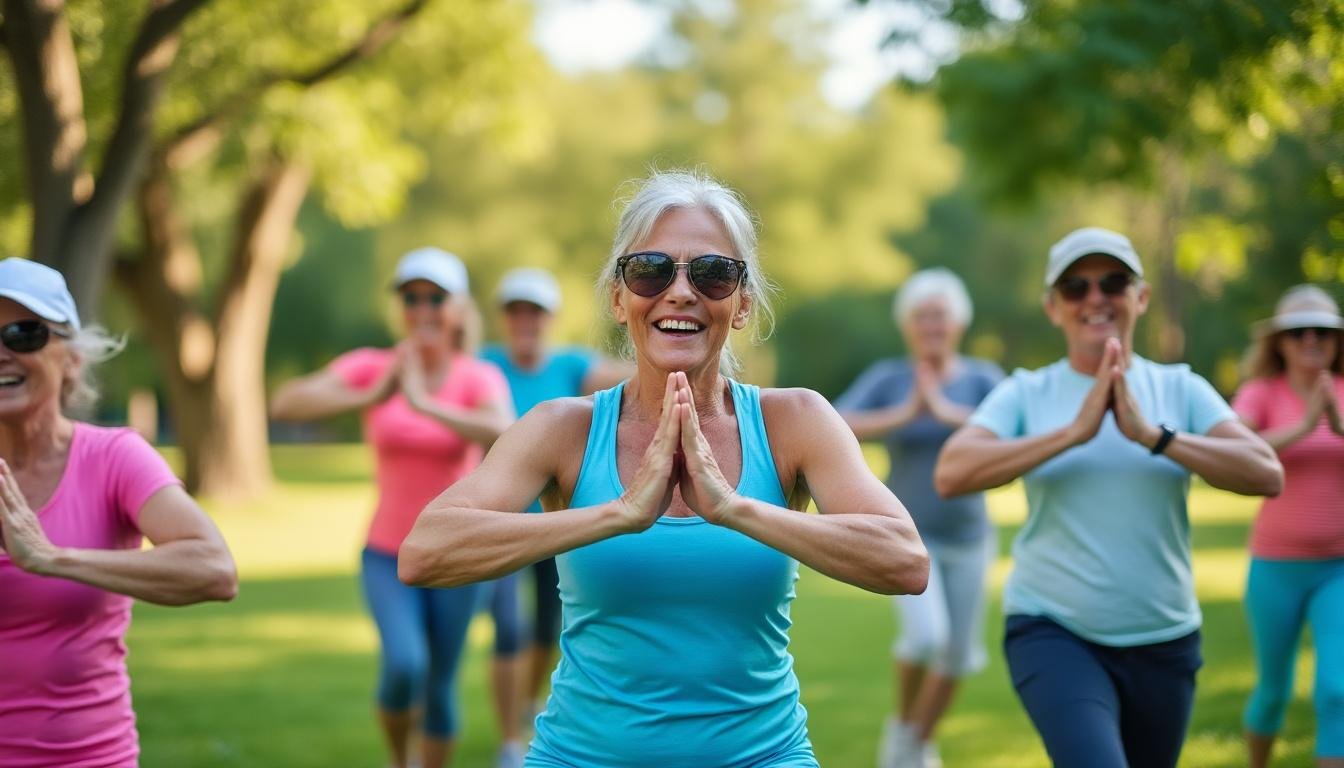
The Role of Nutrition and Exercise Across Different Life Stages in Promoting Holistic Health
Nutrition and physical activity are pillars of lifestyle medicine that powerfully influence longevity and prevention of age-related diseases. Their impact varies but remains vital at every stage of life. Nutritional science advances have identified specific nutrients—fiber, antioxidants, healthy fats—that guard against inflammation, a cornerstone of many chronic conditions.
Exercise complements nutrition by enhancing cardiovascular health, muscle function, and metabolic regulation. Optimizing these at different ages requires tailored approaches. Consider this table summarizing stage-specific nutritional and fitness priorities:
| Life Stage | Nutritional Focus | Exercise Focus | Expected Wellness Outcomes |
|---|---|---|---|
| 20s–40s | Balanced macronutrients, rich in plant-based foods and fiber | Regular aerobic and strength training exercises | Prevention of metabolic diseases, strong bone and muscle development |
| 50s–60s | Increased protein, fiber, antioxidants | Resistance training and balance exercises | Support for muscle mass retention, reduced inflammation |
| 70s and older | Easy-to-digest nutrients, hydration, vitamin D, and calcium | Gentle aerobic, flexibility, and balance exercises | Fall prevention, cognitive support, and immune system maintenance |
Nutritional focus shifts toward foods that support gut health and reduce oxidative stress, while exercise becomes more targeted on balance and maintaining mobility. Wellness is therefore a dynamic goal adapting to life’s changing needs.
Experts warn against the reliance on unnecessary supplements, emphasizing whole-food based nutrition instead. Social connections and spending time outdoors also add layers of benefit to mental and physical health, as found in recent wellness studies.
Practical Habits to Integrate Nutrition and Fitness for Life Extension
The following actionable habits can be integrated gradually to foster lifelong healthy living:
- Follow a Mediterranean-style diet emphasizing fresh vegetables, nuts, olive oil, and seafood.
- Incorporate at least 25–30 grams of daily fiber through whole grains and legumes.
- Engage in 100 minutes per week of resistance training to maintain strength.
- Avoid ultra-processed foods high in sugars and unhealthy fats.
- Participate regularly in social and outdoor activities to boost mental wellness.
Maintaining these habits is foundational in the Lipman Longevity Pyramid approach (explore the blueprint here), promoting resilience and vitality over decades.

Strategies to Sustain Healthy Habits and Foster a Longevity Mindset at Any Age
Success in life extension depends not only on starting healthy habits but critically on sustaining them. Lifestyle transformation involves psychological as well as physical changes. The “longevity mindset” is a concept gaining traction wherein individuals cultivate mental frameworks that prioritize wellness goals long-term. Sustaining fitness, nutrition, and mental wellness becomes easier with strategic behavior design.
Consider these techniques to embed healthy habits into daily life:
- Set realistic, incremental goals: Small, attainable changes reduce burnout and increase adherence.
- Use social accountability: Engaging family or community support enhances consistency.
- Integrate habits into routines: Associating activities with daily tasks builds automaticity.
- Track progress: Monitoring through apps or journals reinforces motivation.
- Celebrate milestones: Recognition of achievements nurtures positive reinforcement.
Building such a mindset counteracts the temptation to abandon practices by reframing healthy living as a lifelong journey rather than a temporary effort. Those interested in detailed longevity habit strategies can refer to specialized resources highlighting expert advice (see expert recommendations).
Maintaining Motivation and Overcoming Setbacks
Even with the best plans, individuals may encounter periods of low motivation or health-related setbacks. Resilience-building is essential for long-term success in wellness. Supportive networks, adaptive goals, and access to health professionals can empower people through inevitable challenges. Recognizing that progress is non-linear preserves optimism and re-energizes commitment to life extension.
Additionally, integrating wellness into workplace culture, family life, and social circles creates an environment conducive to sustained healthy behaviors. This holistic approach elevates vitality and overall quality of life through consistent, life-affirming choices.
Frequently Asked Questions (FAQ) About Optimal Timing for Healthy Habit Adoption
- Q1: At what age should I start exercising for longevity?
A: Ideally, begin incorporating physical fitness routines in your 30s or 40s to build a strong foundation, but starting anytime, even after 60, can provide significant health benefits.
- Q2: Is diet more important than exercise when trying to live longer?
A: Both are crucial and complementary; balanced nutrition supports bodily functions and aids exercise recovery, while exercise maintains muscle mass, cardiovascular health, and cognitive function.
- Q3: Can I reverse age-related diseases by changing my lifestyle late in life?
A: While complete reversal may not always be possible, lifestyle changes can slow progression, reduce symptoms, and improve quality of life at any age.
- Q4: How important is mental stimulation for healthy aging?
A: Mental engagement is vital; it protects brain health and reduces risks of cognitive decline and dementia, making it an essential component of wellness strategies.
- Q5: Are supplements necessary for longevity?
A: Most experts recommend obtaining nutrients from whole foods rather than supplements, unless prescribed or clinically indicated, as excessive supplements can sometimes do more harm than good.
10 quick checks to spot low-quality supplements before you buy - plus research-backed doses for 12 common ingredients. Free PDF, no spam.
