

Neuro Serge side effects and safety: what you should know
If you’re researching Neuro Serge, it’s sensible to check safety as well as the benefits the maker claims. See our Neuro Serge review for overall safety assessment and read on for a practical guide to possible side effects, interactions and who should be cautious.
What is Neuro Serge marketed as?
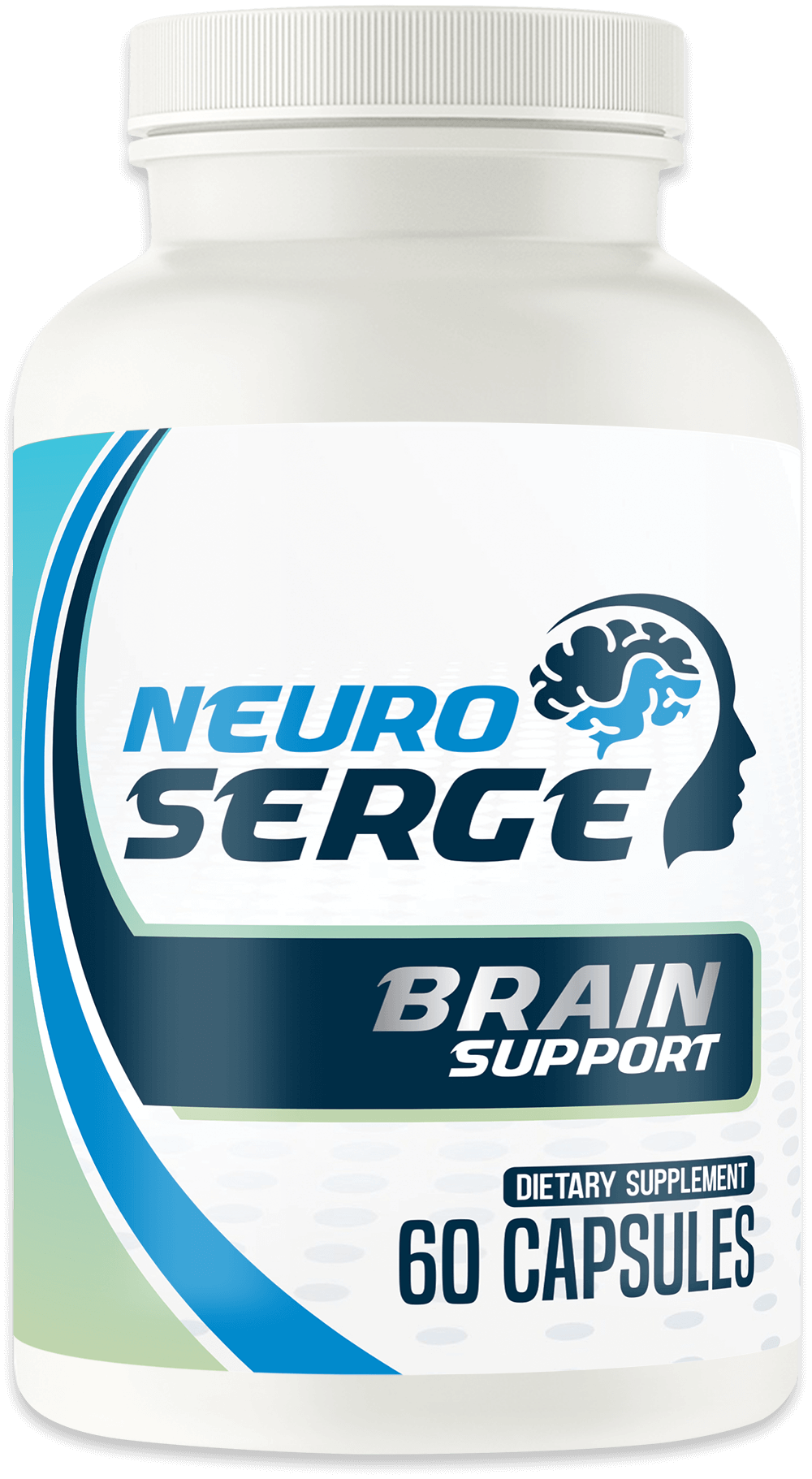
Neuro Serge is marketed as a capsule formula containing a proprietary blend of 20+ plants and nutrients “specially designed to support a healthy brain.” The sales information states the product is a natural, non-GMO, gluten-free formula with “no stimulants” and “non-habit forming.” It lists ingredients such as olive leaf, Cinnamomum cassia (cinnamon), deglycyrrhizinated licorice, green tea extract, grape seed extract and bilberry — among others.
Commonly reported side effects and what to expect
The company highlights benefits based on clinical research of individual ingredients, but does not provide a comprehensive adverse-event profile for the full product. For multi-ingredient supplements, side effects usually come from one or more constituent ingredients or interactions between them.
Reported issues with similar botanical blends can include mild digestive symptoms (bloating, nausea, diarrhoea), headaches, sleep disturbances or transient jitteriness. The sales materials for Neuro Serge say the product contains “no stimulants”, but some extracts (for example, green tea extract) can contain naturally occurring caffeine or caffeine-like compounds unless explicitly decaffeinated — so people sensitive to caffeine should be cautious.
10 quick checks to spot low-quality supplements before you buy - plus research-backed doses for 12 common ingredients. Free PDF, no spam.
Ingredients to be cautious about
- Cinnamon (Cinnamomum cassia) — makers often say it can support insulin levels and a healthy inflammatory response. Cinnamon cassia in large amounts may have effects on blood sugar and liver enzymes; if you take diabetes medicines, it could theoretically affect glucose control.
- Deglycyrrhizinated licorice (DGL) — DGL has had the glycyrrhizin compound largely removed to reduce certain risks, but some people remain sensitive to licorice products. Licorice-derived compounds can affect blood pressure and potassium levels in some formulations.
- Green tea extract — often advertised for antioxidant and metabolic support. Extracts can contain caffeine and may interact with stimulant drugs or increase bleeding risk when combined with anticoagulants, according to general supplements guidance.
- Grape seed and bilberry extracts — generally well tolerated, but botanical extracts can affect blood pressure, blood flow and interact with blood-thinning medications in some people.
- Olive leaf — marketed for heart and metabolic support; like other botanicals it can influence blood pressure and medication effects in sensitive individuals.
These points do not mean these effects will occur if you take Neuro Serge; they are common areas to check because the manufacturer highlights these ingredient activities.
Who should avoid or use extra caution
Before taking Neuro Serge you should consider avoiding or seeking medical advice if you:
- Are pregnant or breastfeeding — ingredients in multi-herbal formulas are often not studied in pregnancy, so most manufacturers and health providers advise avoiding unless a clinician says otherwise.
- Have diabetes or take medicines to lower blood sugar — cinnamon and other ingredients may affect glucose control.
- Take blood thinners (warfarin, DOACs) or expect to have surgery — some botanical extracts can influence clotting.
- Have high blood pressure or are on blood-pressure medicines — olive leaf, licorice derivatives and grape seed can have cardiovascular effects in some people.
- Are taking multiple prescription medications — interactions are possible even if individual risks seem small.
- Have known allergies to any listed components — stop immediately if you notice an allergic reaction (rash, swelling, breathing difficulty).
Interactions and combining with medicines
Because Neuro Serge contains a mix of active botanical extracts and nutrients, there’s potential for interactions with prescription drugs. The most commonly relevant interaction areas for the ingredients listed by the maker are:
- Blood sugar control — can alter the effect of antidiabetic drugs.
- Bleeding risk — combinations with anticoagulant or antiplatelet drugs can increase bleeding risk in some cases.
- Liver metabolism — some plant extracts can affect liver enzymes that process medicines, altering blood levels of prescription drugs.
Always check with your GP or pharmacist before starting a new supplement if you’re on regular medication. Bring the product label or a list of active ingredients so they can advise on specific interactions.
How to reduce risk if you decide to try it
- Discuss with your GP or pharmacist first, especially if you have chronic conditions or take medication.
- Follow the manufacturer’s dosage instructions and do not exceed the recommended intake.
- Start with a single dose and watch for immediate reactions; some people prefer a lower daily frequency at first to assess tolerance.
- Stop and seek advice if you develop worrying symptoms — chest pain, severe breathlessness, swelling of the face or throat, severe rash, persistent vomiting or dizziness.
If you want a fuller safety and ingredient review, See our Neuro Serge review for overall safety assessment which examines the formulation and customer reports in more depth.
If you’re considering buying, check current availability and terms here:
Check Neuro Serge availability →
Choosing to try a multi-ingredient brain supplement is a personal decision. Use caution, check with a healthcare professional, and report any adverse effects to your GP and the MHRA or the relevant regulator.
Medical disclaimer: This article is informational only and not a substitute for personalised medical advice from a qualified clinician.
Related reading
- Neuro Serge review: full verdict
- Neuro Serge vs leading brain supplements: which is best for mental energy?
- Early signs of cognitive decline: what to watch for and when to act
10 quick checks to spot low-quality supplements before you buy - plus research-backed doses for 12 common ingredients. Free PDF, no spam.
