

Are there side effects of iGenics? Safety, dosing and precautions
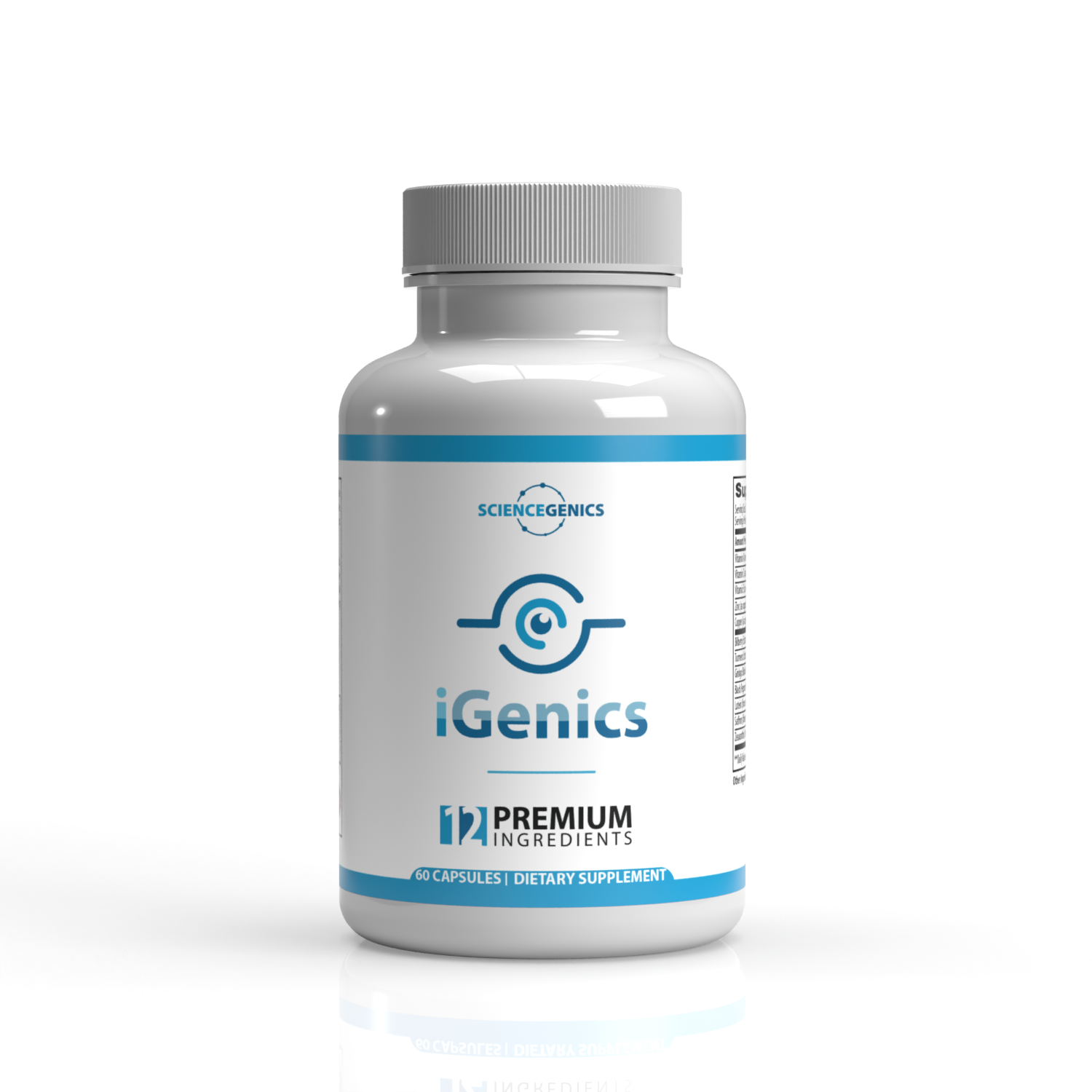
If you’re researching iGenics, you’ve probably seen the manufacturer’s claims that the supplement is a “plant‑based vision support” product that combines 12 ingredients—including Gingko Biloba, Bilberry, Saffron, Turmeric and an AREDs‑2 style mix—to “support healthier eyesight” and a healthy inflammatory response. See our iGenics review for a complete safety and efficacy assessment.
This page focuses on safety: what side effects have been reported or are plausibly linked to the ingredients, how dosing and interactions are handled, and who should check with a clinician before trying the product. The content here is informational and not medical advice.
What the maker says about iGenics
According to the product page, iGenics is made in a GMP‑certified US facility, uses natural, vegan ingredients with “zero fillers” and is “third‑party tested.” The site markets the formula as containing AREDs‑2 nutrients plus plant extracts (Gingko, Bilberry, Saffron, Turmeric and Bioperine) and highlights antioxidant and anti‑inflammatory support.
These are marketing claims; they are not a substitute for clinical evidence. The manufacturer also advises people who are pregnant, nursing, taking medication or who have medical conditions to consult a physician before using their products.
10 quick checks to spot low-quality supplements before you buy - plus research-backed doses for 12 common ingredients. Free PDF, no spam.
Which side effects might be expected?
Because iGenics is a multi‑ingredient botanical supplement, any side effects are most likely to come from individual components. Below are commonly reported or plausible effects linked with some of the named ingredients. This is based on known profiles of these herbs and nutrients, not on proprietary clinical trials of iGenics itself.
- Gingko biloba: Gingko can occasionally cause headaches, stomach upset, dizziness or allergic skin reactions. It is also associated with an increased risk of bleeding, particularly if taken with blood‑thinning medications (for example warfarin, aspirin or newer anticoagulants).
- Turmeric / Curcumin: Generally well tolerated in food amounts, higher supplemental doses may cause gastrointestinal upset (nausea, diarrhoea, indigestion) and, rarely, an increase in liver enzymes. Turmeric can also affect blood clotting.
- Bilberry: Typically considered safe for most people in moderate doses, some users report mild gastrointestinal symptoms or headaches.
- Saffron: Low‑dose saffron used in supplements is usually tolerated, but higher amounts have been linked with nausea, dizziness and sedation in some reports. Very large doses are not recommended, and safety in pregnancy is not established.
- Black pepper extract (Bioperine): Bioperine is used to enhance absorption of other ingredients. It is usually well tolerated but can increase the absorption (and therefore effects) of certain drugs and supplements, potentially changing their side‑effect profile.
- AREDS‑2 nutrients: The AREDs‑2 formulation involves vitamins and minerals commonly used for eye health (for example lutein, zeaxanthin, vitamin C, vitamin E and zinc in various combinations). Side effects depend on the specific vitamins/minerals and amounts—high doses of some vitamins/minerals can cause stomach upset or other problems and may interact with medication.
Possible interactions and groups who should avoid iGenics (or check with a clinician)
Caution is sensible if you are in any of the following groups:
- People taking anticoagulant or antiplatelet medication (eg warfarin, clopidogrel, aspirin) — gingko and turmeric can affect bleeding risk.
- Those on multiple prescription drugs — Bioperine can increase absorption of some medicines and alter their effects.
- Pregnant or breastfeeding women — safety of many herbal supplements (including concentrated extracts) is not well established during pregnancy or lactation.
- People with liver disease or with a history of gallbladder issues — turmeric/curcumin may affect liver enzymes or bile flow in sensitive individuals.
- Individuals with known allergies to any botanical in the formula.
If you are unsure whether iGenics is suitable for you, speak to your GP or pharmacist. They can check for interactions with your current medicines and advise on safety.
Dosing — follow the label and the clinician
The product page refers to a 30‑day supply, but it doesn’t publish a single standard dose on the site text we reviewed. As with any supplement, follow the label instructions on the actual bottle or the packaging supplied with your order. Do not exceed the recommended dose.
If you have kidney disease, liver disease or a chronic condition that affects dosing or nutrient handling, ask your clinician whether a particular supplement dose is appropriate.
Reporting side effects and quality considerations
If you experience new or worrying symptoms after starting a supplement, stop taking it and seek medical advice. In the UK you can report suspected side effects of herbal or dietary supplements to the Yellow Card scheme via the Medicines and Healthcare products Regulatory Agency (MHRA).
iGenics states it is manufactured in a GMP‑certified facility and that ingredients are third‑party tested; while these are reassuring quality signals, they are not guarantees of safety for every individual. Purchasing from reputable retailers and keeping product packaging helps if you need to report issues or check ingredient lists.
In short: the maker markets iGenics as a natural, plant‑based vision support formula with AREDs‑2 and botanicals. Side effects are usually mild but can include gastrointestinal issues, headache, dizziness or bleeding risk linked to some ingredients. Always follow label directions and consult your GP or pharmacist if you take medicines, are pregnant or have health conditions.
Medical disclaimer: This article is informational only and does not replace professional medical advice. If you have health concerns or are taking medication, consult your GP or pharmacist.
Related reading
- iGenics review: full verdict
- iGenics vs OmegaVision: which vision supplement is better?
- Age-related macular degeneration: symptoms, risk factors and prevention
10 quick checks to spot low-quality supplements before you buy - plus research-backed doses for 12 common ingredients. Free PDF, no spam.
