

Close Menu
    Follow us on Google News
    Follow Livewell Magazine on Google News
    Facebook X (Twitter) Instagram
    LiveWell Magazine
    Facebook
    Follow LiveWell Magazine on Google News
    • Cancer

      The “Silent Killer”: 2 Hidden Signs of Pancreatic Cancer You Can Spot Years in Advance

      April 20, 2026

      Barry Manilow Opens Up About Embracing Healthier Lifestyle Choices During His Cancer Battle

      April 8, 2026

      Healthy Dad’s Unexpected Cancer Diagnosis Revealed After Ignoring Nighttime Bathroom Trips: ‘A Heartbreaking Surprise’

      February 22, 2026

      BREAKING NEWS: Gene therapy for sickle cell disease: a medical breakthrough still out of reach for many

      December 29, 2025

      How Your Drinking Habits Could Significantly Increase Your Cancer Risk

      December 28, 2025
    • Fitness

      How does age impact athletic prowess and power?

      May 19, 2026

      How can you stay active and healthy by embracing winter fitness with outdoor sports?

      May 14, 2026

      How does afternoon exercise transform your blood sugar levels?

      May 7, 2026

      At 100, the ‘First Lady of Fitness’ Shares Her Daily Workout Secrets and One Must-Have Food

      April 15, 2026

      How can weighted planks help you elevate your strength and master your core?

      April 14, 2026
    • Health

      How can fast verification tools transform patient care and enhance health outcomes?

      May 15, 2026

      How can you choose the best functional medicine doctor for your health journey?

      May 5, 2026

      How can better patient-doctor communication help you stay on track with your medication?

      April 8, 2026

      What can an infectious disease doctor’s experiences in Kazakhstan and America teach us about global health?

      April 3, 2026

      Federal Judge Hits Pause on HHS Secretary Kennedy’s Vaccine Policy Overhaul

      March 18, 2026
    • Lifestyle

      What are the surprising life lessons from a freezing cold experience in rural Japan?

      May 11, 2026

      What are some simple tips for maintaining a clean dog mouth?

      May 4, 2026

      How can you break free from the sitting trap and revitalize your life?

      April 22, 2026

      How can transformative approaches to home life enhance your overall well-being?

      April 17, 2026

      Solo Cooking Simplified: 8 Easy Habits to Eat Healthy When Cooking for One

      April 15, 2026
    • Nutrition

      Which 9 delicious fruits can help slash your cholesterol levels?

      May 5, 2026

      Which 5 delectable fruits packed with potassium can help support your blood pressure?

      April 27, 2026

      What are the surprising benefits of miso soup for your gut, heart, and immune health?

      April 23, 2026

      How can you nourish your gut with delicious choices for a healthier you?

      April 22, 2026

      What are the surprising effects of eggnog on your blood sugar levels?

      April 16, 2026
    • Senior

      What are the essential approaches for promoting high-quality senior care and independence?

      May 6, 2026

      Nurturing Your Gut After 50: 7 Essential Habits for Lasting Digestive Wellness

      April 3, 2026

      Nourishing Your Golden Years: 10 Essential Nutrition Habits to Promote Healthy Aging and Maintain Independence After 60

      March 27, 2026

      Wound Care Revolution: How a New Medicare Payment System Aims to Cut Waste in Senior Care

      March 19, 2026

      The $2,000 Cap is Here: How the New Annual Out-of-Pocket Drug Limit Saves Seniors Thousands

      March 17, 2026
    • Trends

      How could the 7 surprising travel trends of 2026 disrupt your wellness plans and how can you navigate them?

      April 15, 2026

      Which innovative skincare trends will shape the industry in 2026 according to Uliana-Sofiia Savchenko?

      April 6, 2026

      Transparency at HHS: How the New “Radical Transparency” Initiative Aims to Expose Big Pharma Conflicts

      March 13, 2026

      How Wearable Technology Could Spark a Revolution in Healthier Living

      February 5, 2026

      Early cholesterol treatment in kids may prevent heart disease for life

      January 28, 2026
    • Wellness

      Can you experience the incredible spa at Stanglwirt Hotel for your ultimate wellness?

      May 18, 2026

      How can you manage your stress and maintain your well-being if your flight is suddenly cancelled?

      May 18, 2026

      How does your oral health affect your overall wellness?

      May 15, 2026

      How can exploring the mysterious history of Munich’s historic cathedral benefit your mental and cultural wellness?

      May 15, 2026

      Can green tea and vitamin B3 unlock your brain power?

      May 14, 2026
    Subscribe
    LiveWell Magazine
    Home»Cancer»New research links ultra-processed foods to mental health issues – should we worry?
    Cancer

    New research links ultra-processed foods to mental health issues – should we worry?

    Tina NguyenBy Tina NguyenNo Comments
    Facebook Twitter Email WhatsApp Pinterest LinkedIn Reddit Telegram Threads
    Share
    Facebook Twitter LinkedIn Email Reddit Telegram WhatsApp Threads

    New research links ultra-processed foods to mental health issues – should we worry?

    A new wave of scientific studies is raising questions about how the foods we eat may influence not just our physical health, but our mental well-being too. Recent research has identified a possible connection between ultra-processed food consumption and increased rates of depression, anxiety, and cognitive decline. For many, this raises an urgent and unsettling question: should we be worried?

    What are ultra-processed foods and why are they everywhere?

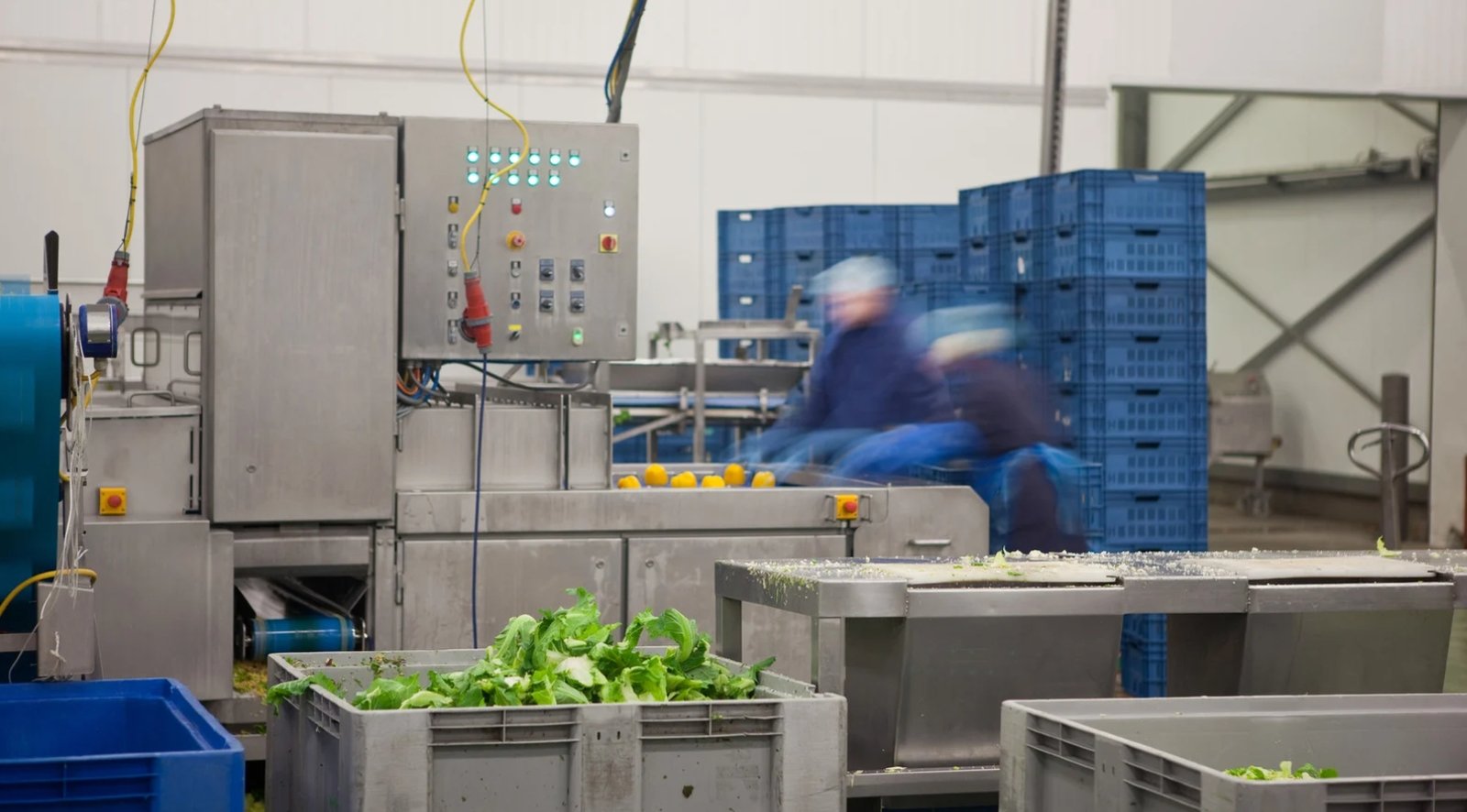
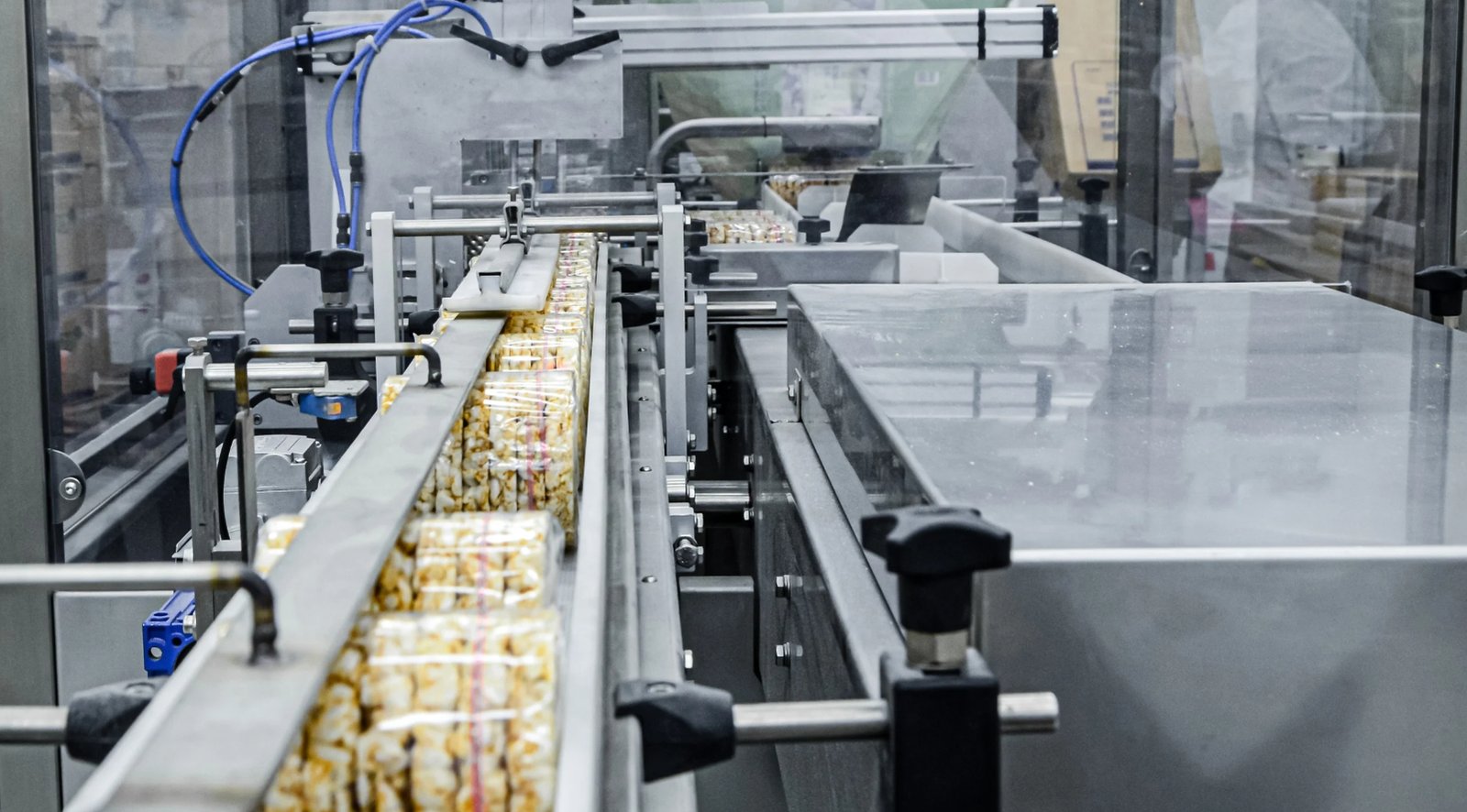
    Ultra-processed foods are industrially manufactured products made primarily from artificial ingredients, refined sugars, hydrogenated oils, and additives. Common examples include packaged snacks, sugary breakfast cereals, microwaveable meals, processed meats, and sodas. These products are designed for convenience and long shelf life, but often lack nutritional value.

    According to a recent peer-reviewed study, people who consume higher quantities of ultra-processed foods may experience a significantly higher risk of mood disorders, especially when these foods make up more than 50% of their daily caloric intake. The concern is not only about what’s added, but also what’s missing—essential nutrients that support brain function.

    A physician’s view: connecting food and mental health
    From a doctor’s standpoint, the link between ultra-processed foods and mental health isn’t surprising. Chronic inflammation, gut microbiome disruption, and insulin resistance—all linked to poor diets—are now known to influence brain chemistry and mood regulation. These underlying health shifts may be subtle at first, but they can build up over time and affect psychological resilience.

    In clinical practice, more patients are reporting mood instability, poor sleep, and anxiety alongside lifestyle patterns that include heavy consumption of processed products. While food is not the only factor influencing mental health, it’s emerging as a key modifiable risk factor.

    Related Article :  Could the time of day you get cancer treatment affect survival? What a new lung cancer study suggests

    The nutritionist’s lens: what your brain really wants

    Nutritionists have long warned that diets high in refined carbohydrates and artificial additives can alter neurotransmitter balance. The brain needs steady supplies of omega-3 fatty acids, B vitamins, antioxidants, and fiber—all largely absent in ultra-processed foods. These nutrients help produce serotonin and dopamine, the body’s natural mood stabilizers.

    Replacing ultra-processed meals with nutrient-dense whole foods—like leafy greens, nuts, legumes, and lean proteins—can positively impact mood, concentration, and energy. Even small changes, such as swapping packaged snacks for fruit or adding whole grains to lunch, can make a noticeable difference over time.

    Molecular research: the biological mechanisms at play

    At the cellular level, ultra-processed foods may promote neuroinflammation and oxidative stress—two conditions associated with depression and neurodegeneration. A molecular researcher would point to studies showing how artificial emulsifiers and preservatives can impair gut-brain signaling pathways.

    Some compounds in these foods may also interfere with neuroplasticity, the brain’s ability to form new connections. In animal studies, long-term consumption of processed ingredients has been linked to memory loss and reduced emotional control. While more human trials are needed, the existing data paints a concerning picture.

    Beyond cancer: what an oncologist sees in dietary patterns
    From an oncologist’s perspective, the risks tied to ultra-processed food are not limited to cancer. Diets rich in synthetic ingredients and poor in fiber are associated with systemic inflammation and metabolic stress—two factors that worsen overall health outcomes, including mental health. While these foods are not carcinogens per se, they contribute to an environment that compromises the body’s natural defenses.

    Related Article :  Top-rated health products you should actually try

    Long-term exposure to pro-inflammatory diets may weaken resilience to both physical and mental illnesses. This is particularly concerning in patients undergoing cancer treatment, where mood and nutrition both play key roles in recovery and outlook.

    So… should we be worried?

    As a health journalist summarizing these perspectives, the short answer is: we should be mindful, not fearful. The emerging link between ultra-processed foods and mental health is compelling, but more longitudinal studies are needed to prove causation. What we know already is that diet plays a powerful role in how we feel, think, and age.

    Reducing ultra-processed food intake doesn’t require a radical lifestyle shift. It starts with awareness, followed by small, consistent changes toward more whole, plant-based, and minimally processed meals. Given the mounting evidence, these changes can benefit not only your physical health—but also your peace of mind.

    Follow on Google News
    Share. Facebook Twitter LinkedIn Email WhatsApp Reddit Telegram Threads Copy Link
    Previous ArticleThe senior’s guide to moving smart in the summer sun
    Next Article The surprising link between nursing & caregiving and happiness
    Avatar photo
    Tina Nguyen

    Tina has been a health journalist for over ten years, reporting from various countries around the world. Her international experience gives her a unique and nuanced perspective on global wellness trends, public health challenges, and cultural approaches to healthy living. Known for her curiosity and clarity, Tina strives to deliver reliable, well-researched content that resonates with diverse audiences. She is passionate about making health information both engaging and empowering for readers everywhere.

    Continue reading

    How can dental implants help transform your life?

    By Amelie Goujon

    What are the most effective methods for chin hair removal?

    By Amelie Goujon

    Which 9 delicious fruits can help slash your cholesterol levels?

    By Amelie Goujon

    Which 5 delectable fruits packed with potassium can help support your blood pressure?

    By Amelie Goujon

    What are the surprising benefits of miso soup for your gut, heart, and immune health?

    By Amelie Goujon

    How can you nourish your gut with delicious choices for a healthier you?

    By Amelie Goujon

    The “Silent Killer”: 2 Hidden Signs of Pancreatic Cancer You Can Spot Years in Advance

    By FRANK JOST

    What are the surprising effects of eggnog on your blood sugar levels?

    By Amelie Goujon

    What are the hidden side effects of CoQ10 according to a top cardiologist?

    By Amelie Goujon

    How could the 7 surprising travel trends of 2026 disrupt your wellness plans and how can you navigate them?

    By Amelie Goujon

    How can effective nutrition help you achieve a faster dental recovery?

    By Amelie Goujon

    Could eating microbial food reduce your risk of kidney disease?

    By Amelie Goujon
    Add A Comment
    Leave A Reply Cancel Reply

    Subscribe to Our Newsletter

    Join the Live Well Magazine Newsletter and get exclusive tips on health, wellness, lifestyle, and personal growth — straight to your inbox.

    Trending
    Uncategorized

    What is the secret behind the incredible transformation of Dan Hamill and Jordi Webber in ‘Spartacus: House of Ashur’?

    Hydration

    How could going dry this January shuffle your digestive rhythm?

    Fitness

    How does age impact athletic prowess and power?

    Sports & Physical Therapy

    What are the top 5 deadlift alternatives to amplify your muscle gains while easing back strain?

    Wellness

    Can you experience the incredible spa at Stanglwirt Hotel for your ultimate wellness?

    Wellness

    How can you manage your stress and maintain your well-being if your flight is suddenly cancelled?

    Facebook
    • About us
    • Contact us
    • Contributors
    • Legal
    • Privacy
    © 2026 livewellmagazine.org.

    Type above and press Enter to search. Press Esc to cancel.