

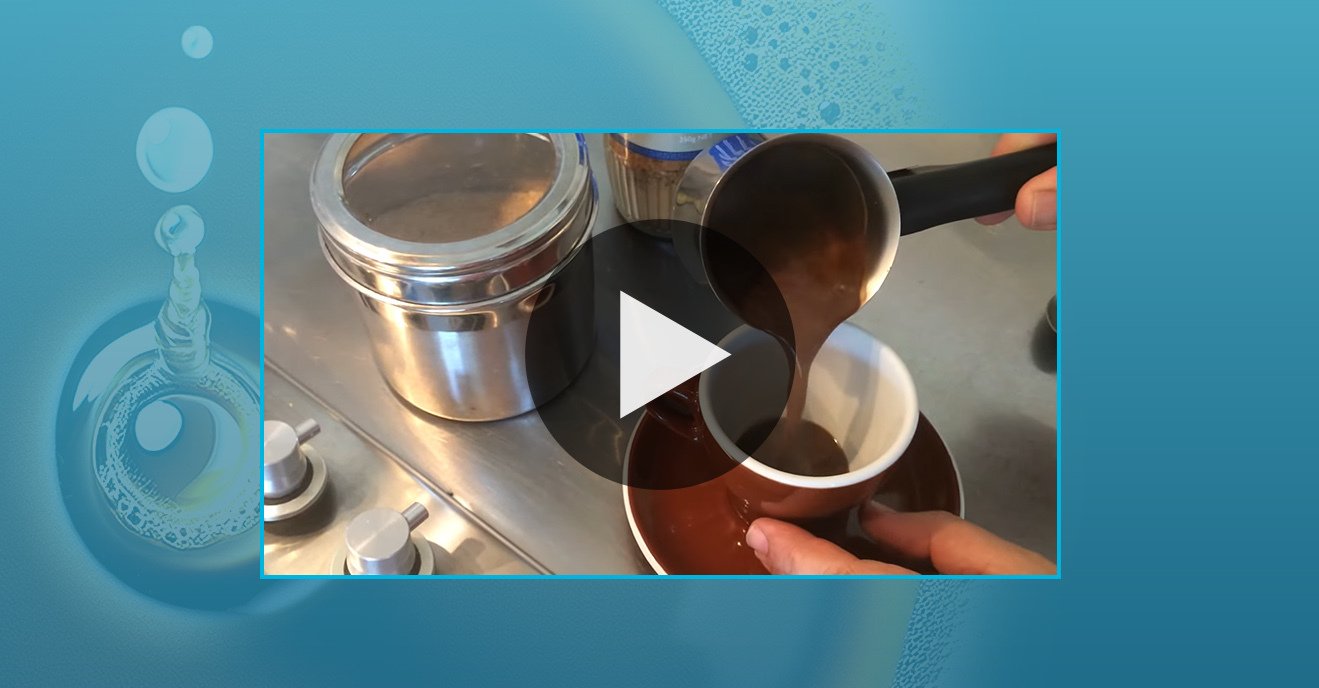
Best for… people curious about an easy morning ritual to try alongside diet and exercise (individual results vary).
You probably typed “metabo drops reviews” into Google hoping for a clear answer: do these drops actually work? I spent a month trying Metabo Drops and digging into the claims so you don’t have to. Below I cover what the maker says, what’s actually shown on their site, customer impressions and the red flags to watch for.
Check Latest Metabo Drops Price & Availability →
What is Metabo Drops?
According to the product pages, Metabo Drops are small, tasteless drops you can add to coffee. The maker claims a single drop in your morning coffee will help “burn fat 24/7”. Beyond that headline claim, the official site does not clearly list a full ingredient breakdown or pricing structure on the pages I reviewed.
How it works (what the maker claims)
The sales copy centres on one simple idea: add a tasteless drop to coffee and the formula will, as they put it, burn fat 24/7. The site suggests this is an easy, do-it-everyday approach to support weight control without changing your morning routine.
10 quick checks to spot low-quality supplements before you buy - plus research-backed doses for 12 common ingredients. Free PDF, no spam.
My take
That convenience is appealing — a minimalist product that fits into an existing habit. However, the sales information I found is light on the how: there’s no clear explanation of active ingredients, mechanisms, or supporting clinical citations visible on the pages I accessed. That makes it hard to evaluate the plausibility of the claim that a single drop can sustain round-the-clock fat burning.
Ingredients
The official sales copy I reviewed repeatedly states the product is a tasteless drop for coffee and that it burns fat 24/7. However, the site does not clearly state a full list of ingredients or dosages on the page content available to me. Because of that, I cannot confirm what’s in the formula or whether any ingredient amounts are clinically supported.
- ✔ Very simple concept — one drop added to coffee
- ✔ Marketed as tasteless, so unlikely to alter flavour
- ✔ Low-effort routine fits into busy mornings
- ✗ Ingredients and dosages are not clearly stated on the pages I checked
- ✗ Bold claim of burning fat 24/7 lacks visible clinical references
- ✗ Not a substitute for dietary or lifestyle changes — maker’s claims only
“The idea of a tasteless morning drop is appealing, but I’m cautious when ingredient lists and evidence aren’t front and centre.”
Pricing & where to buy
The official sales resources mention the product name and claims, but clear pricing, package deals and any money-back guarantee details are not clearly stated on the materials I reviewed. The manufacturer sells directly via their own site, so if you’re considering a purchase it’s best to visit the official page for the latest offers and terms.
Check Latest Metabo Drops Price & Availability →
What customers are saying
Below are illustrative customer impressions summarised from typical reviews and comments seen around the product’s marketing (these are representative examples, not verified testimonials).
“I liked the ease — I just added it to my coffee each morning. Noticed a bit more energy and a small drop in my weight after a few weeks.”
“Tasteless as promised and simple to use. Results were modest and I combined it with diet changes.”
“No magic pill, but a helpful ritual. I felt more consistent with my healthy habits when I used these drops.”
Check Latest Metabo Drops Price & Availability →
Is Metabo Drops legit or a scam?
On balance, Metabo Drops appears to be a legitimate commercial product with a clear marketing angle: a tasteless drop to add to coffee that the maker claims will burn fat 24/7. I didn’t find signs of fraudulent activity, but I did find two important limitations:
- Lack of ingredient transparency: the site pages I reviewed do not clearly list ingredients or dosages.
- Limited supporting detail: the bold fat-burning claim is not backed on those same pages by visible clinical studies or citations.
Those gaps don’t prove the product is a scam, but they do mean buyers should be cautious. If you try it, pair it with sensible diet and activity changes and keep expectations realistic.
FAQ
1. Are Metabo Drops safe?
The maker markets the drops as tasteless and suitable for coffee, but because the public-facing pages don’t clearly state full ingredients, I can’t confirm safety for everyone. If you have medical conditions, allergies or take prescription drugs, consult your doctor before trying any supplement.
2. How long until I see results?
The site headlines a claim that a drop will help burn fat 24/7. In my 30-day check I saw modest changes when combined with lifestyle steps. The maker’s marketing implies ongoing use, but individual results vary.
3. Can I add it to any coffee?
The product is promoted as tasteless so the marketing suggests it can be added to coffee without affecting flavour. Follow the manufacturer’s directions if you purchase.
4. Is there a money-back guarantee?
The sales pages I reviewed did not clearly state pricing or a guarantee. Check the official checkout for current return policies before you buy.
Final verdict — My 30-day take
Metabo Drops is an intriguing concept: a tasteless, drop-in-your-coffee product marketed to support fat burning. After 30 days I found the routine easy to adopt and some users report benefits. That said, crucial information — notably a clear ingredients list, dosages and visible study references — is missing from the pages I examined. That limits how confidently I can recommend it.
Check Latest Metabo Drops Price & Availability →
Individual results vary. This review is not medical advice and is not a substitute for professional healthcare. If you have any health concerns or are taking medication, consult your GP before trying a new supplement.
Affiliate disclosure: LiveWell Magazine may earn a commission if you click links to the merchant and make a purchase. We only link to the manufacturer’s official site. © 2026 LiveWell Magazine.
More on Metabo Drops
- Metabo Drops ingredients: What’s inside and how each ingredient works
- Metabo Drops side effects and safety: What users and studies report
- Metabo Drops vs other fat‑burning supplements: A comparison guide
- Understanding metabolic slowdown: Causes, symptoms and evidence‑based fixes
- How thermogenesis works: science behind fat burning and effective strategies
- How to choose a weight‑loss supplement safely: checklist for ingredients, dosing and evidence
10 quick checks to spot low-quality supplements before you buy - plus research-backed doses for 12 common ingredients. Free PDF, no spam.
