

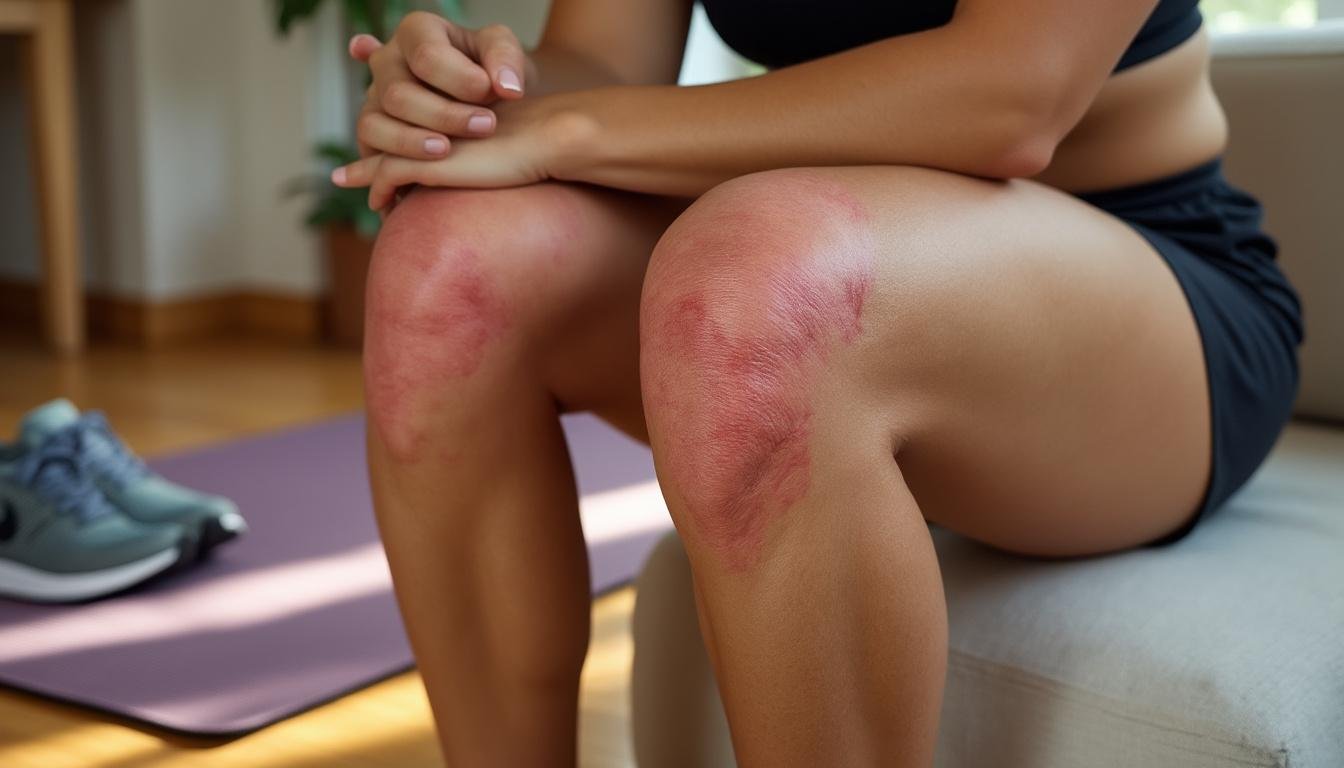
Knee health is an often overlooked but vital aspect of our overall well-being, especially as we age. Taking a moment to listen to what your knees are signaling can prevent minor discomfort from turning into severe medical issues that impact mobility and quality of life. The knee, designed to bear immense pressure, carries your body weight while allowing you to walk, run, and engage in countless activities. Yet, this joint is also prone to wear, injury, and chronic conditions, particularly among seniors. Reports indicate that about one in four adults in the U.S. experience knee pain, highlighting the need for awareness and timely intervention.
Recognizing the early signs of knee trouble can be challenging. Sometimes, discomfort is dismissed as a part of aging, but it often points to underlying conditions such as cartilage damage, meniscus tears, or osteoarthritis. Early detection through simple self-assessments and attention to subtle symptoms is crucial. For instance, if habitual actions such as climbing stairs or walking cause pain or if stiffness and swelling develop, these are signals to address promptly. Taking such proactive measures can reduce the progression of joint damage, improve functional outcomes, and allow you to maintain an active lifestyle with less pain.
As medical professionals dedicated to geriatric health, we emphasize the importance of understanding these early warnings. Moreover, innovations in knee support products, such as knee braces from trusted brands like Bauerfeind or Copper Fit and topical pain relievers such as Voltaren and Biofreeze, offer symptomatic relief alongside physical therapy and lifestyle changes. Incorporating evidence-based strategies for joint care, including targeted exercises and nutritional support, can make a significant difference in maintaining knee function well into your senior years.
Early Warning Signs of Knee Problems Every Senior Should Recognize
Few things are as disruptive as knee pain when it starts affecting your routine activities without warning. Identifying early symptoms can lead to interventions that prevent more serious damage. Not all knee pain requires surgery or invasive treatments, but knowing the difference can spare you unnecessary suffering.
10 quick checks to spot low-quality supplements before you buy - plus research-backed doses for 12 common ingredients. Free PDF, no spam.
The following symptoms serve as the principal red flags for knee issues:
- Joint deformity: Any visible alteration in your knee’s shape compared to the other can indicate structural damage like fractures or dislocations. Immediate assessment by a healthcare professional is necessary.
- Difficulty walking or limping: When walking is accompanied by a limp or pain that makes you avoid putting weight on the knee, it may signal degenerative conditions or injury.
- Instability or wobbling: Feeling that your knee might give way or collapse during movement suggests ligament or meniscus damage.
- Persistent or worsening pain: Pain lasting more than 48 hours without improvement merits medical evaluation, especially if it impedes daily routines or sleep.
- Swelling and redness: Indicates inflammation or possible infection needing prompt diagnosis.
- Reduced range of motion: Difficulty bending or straightening the knee after an injury is a warning sign that requires professional attention.
One practical way to check your knee’s health is through the “duck walk” method. Standing with feet slightly wider than shoulder-width, squat down with thighs parallel to the ground and take small forward and backward steps. Sharp or stabbing pains during this test indicate potential cartilage damage, while locking sensations could point to meniscus tears. However, due to the test’s physical demands, it’s not recommended for individuals over 50 without supervision.
For those interested in further preventive strategies, exploring effective stretching routines that ease chronic pain can be an excellent complement to medical care, enhancing flexibility and reducing stiffness commonly experienced by older adults.
Common Causes Behind Early Knee Discomfort in Seniors and Their Implications
Knee pain rarely develops without a cause. Aging, repetitive stress, and previous injuries all contribute to the wide array of knee joint problems. Understanding these causes can guide targeted interventions and lifestyle adjustments.
Osteoarthritis: The Leading Culprit
It is estimated that over 60% of men above 60 suffer from osteoarthritis, with an even higher percentage in women. This degenerative joint disease results from the gradual breakdown of cartilage—the protective cushioning between bones. Typical symptoms include aching pain during movement, stiffness after rest, and occasional swelling.
Ignoring these signs can lead to debilitating loss of knee function, but managing weight, incorporating low-impact activities, and using supportive devices like practical lifestyle changes to reduce your risk of rheumatoid arthritis can help slow progression and maintain mobility.
Meniscus Tears and Ligament Injuries
Trauma or degeneration can also cause meniscus injuries or ligament tears, often characterized by sharp pain, clicking sounds, or feelings of instability. Sudden locking or inability to bear weight warrants urgent attention. Surgical and non-surgical options vary depending on injury severity, joint age, and activity level.
Biomechanical and Muscle Weakness Factors
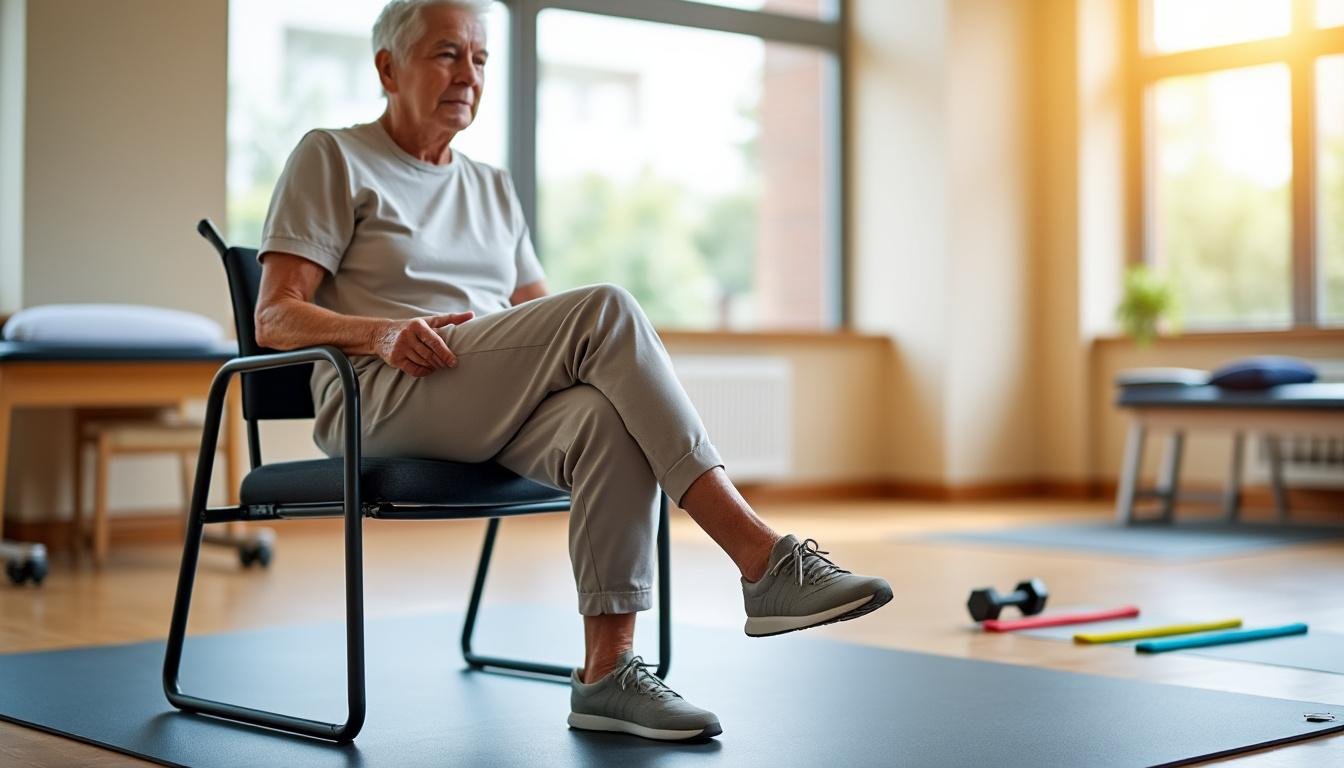
Weakness in knee-supporting muscles, especially the quadriceps, often exacerbates joint strain. Simple yet effective exercises, such as seated leg lifts that strengthen key muscle groups, are instrumental in safeguarding knee integrity. Ensuring muscles are robust improves stability and reduces injury risks.
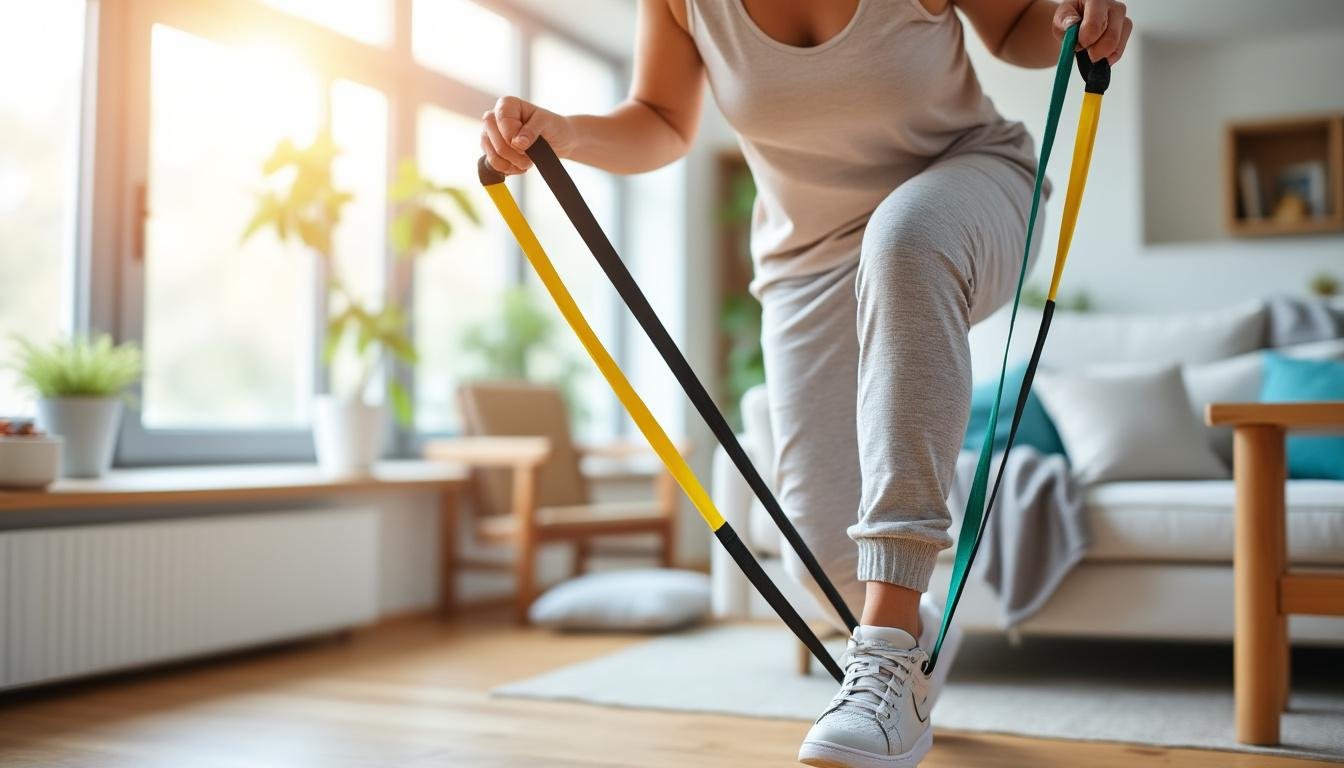
While some advanced braces from reputable companies like Dr. Scholl’s or DonJoy offer external support, daily reinforcement through exercise remains invaluable for sustainable knee health—often supplemented with therapies like TheraBand resistance exercises for incremental load building.
Practical Exercises and Lifestyle Modifications to Protect Your Knees
Exercise and lifestyle adjustments form the cornerstone of maintaining healthy knees. They not only counteract degeneration but improve overall quality of life.
- Quadriceps strengthening: The seated leg raise is straightforward and promotes knee stability. Sit down, straighten your leg, and contract your thigh muscle while lifting it. Holding for 30 seconds builds endurance over time.
- Low-impact aerobic activities: Swimming, cycling, or gentle walking reduce stress on the knee joints while preserving cardiovascular fitness.
- Weight management: Excess pounds increase joint pressure, accelerating cartilage wear.
- Proper footwear: Well-fitted shoes and insoles from trusted brands such as ACE Brand or Bauerfeind help maintain alignment and motion integrity.
- Rest and recovery: Alternating activity with adequate rest and applying topical analgesics like Icy Hot or Biofreeze assists in pain management.
For seniors engaging in these activities, knowledge about the benefits of each approach is vital. Online resources such as the best workouts for busy people offer curated plans compatible with older adults’ needs and capabilities.
When to Seek Professional Help: Identifying Critical Knee Issues
Knowing when to consult a medical professional for knee pain can hasten diagnosis and prevent chronic disability. Not all knee soreness requires immediate attention, but specific signs mandate prompt evaluation:
- Sudden deformity or visible swelling of the joint
- Severe pain interfering with walking or weight-bearing
- Persistent instability or feeling that the knee will buckle
- Redness accompanied by warmth and fever, which may imply infection
- Inability to fully extend or flex the knee
Delaying care often worsens joint damage. Specialists may employ imaging like MRI to detect cartilage or meniscal damage precisely, guiding tailored treatment plans. Pain management options range from oral medications to targeted therapies such as Osteo Bi-Flex supplements or wearing supports from Copper Fit and TheraBand for enhanced joint protection during activity.
Understanding serious knee symptoms helps older adults feel empowered to make timely decisions and avoid complications. Proven guidelines emphasize early diagnosis and conservative treatments before considering surgery, aligning with improved mobility goals typical of senior wellness plans.
Integrating Comprehensive Knee Care for Sustainable Mobility
Combining symptom recognition, medical intervention, and self-care routines culminates in optimal knee health. Commitment to daily care routines including muscle strengthening, weight control, and joint protection can significantly relieve discomfort.
- Incorporate mild daily walks to sustain joint mobility
- Use pain relievers like Voltaren judiciously under medical advice for inflammation control
- Apply physiotherapy techniques recommended by healthcare providers for personalized strengthening
- Consider supplements such as Osteo Bi-Flex for cartilage support and joint cushioning
- Wear advanced knee braces and supports whenever engaging in physically demanding activities
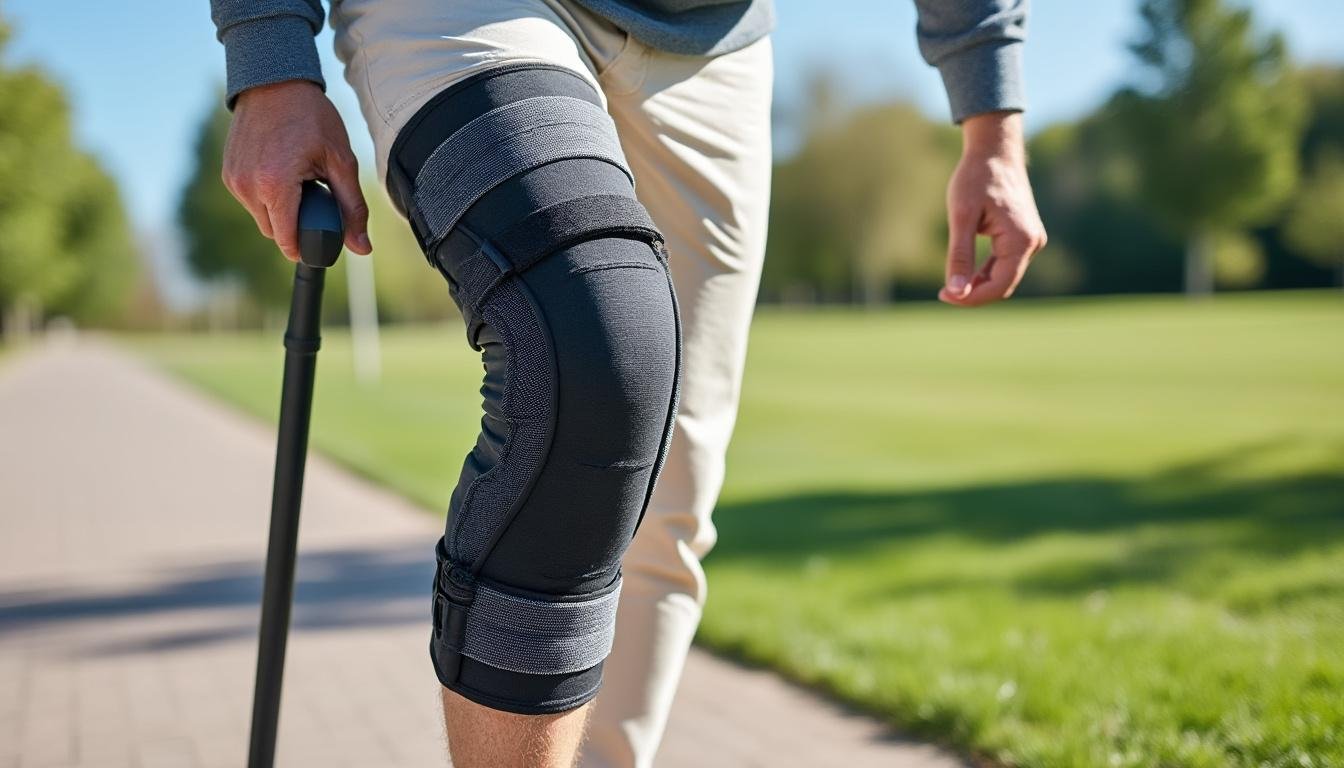
Manufacturers like DonJoy and Bauerfeind now offer technologically advanced knee supports that combine comfort with robust protection, helping older adults stay active without compromising joint integrity. Additionally, educational content on establishing six daily habits for women over 50 to enhance longevity and well-being contributes to holistic senior health, emphasizing that knee care is integral to overall vitality.
For added support during exercise or recovery, consider specialized knee braces like the Cambivo Patella Knee Brace, designed to stabilize the joint and accelerate healing with intelligent compression technology.
10 quick checks to spot low-quality supplements before you buy - plus research-backed doses for 12 common ingredients. Free PDF, no spam.
