


In today’s fast-paced world, unhealthy eating habits have become a pervasive challenge impacting global health. Scientific breakthroughs in neuroscience are now illuminating fresh pathways to combat these patterns, leveraging cutting-edge technologies and cognitive strategies to transform the way individuals make decisions about food. Researchers from leading institutions, such as the Mind, Brain, and Behavior Research Center at the University of Granada (UGR), are spearheading efforts to untangle the complex neural mechanisms responsible for impulsive eating behaviors, particularly in populations facing overweight and binge eating struggles.
These innovative approaches are built upon the integration of NeuroNutrition principles and the development of targeted interventions that harness neuroplasticity — the brain’s ability to rewire itself. By combining techniques such as Transcranial Magnetic Stimulation (TMS) with specialized inhibitory control training, the research focuses on regulating the often hyperactive impulsive neural systems, reclaiming conscious decision-making, and ultimately empowering healthier food choices aligned with long-term wellness.
Beyond the laboratory, applications like the FoodTrainer mobile app reflect the promise of digital tools designed to bolster self-regulation and cognitive control, ingredients central to effective behavior modification in nutrition. With so many factors converging — from the reward circuits that drive craving to the cognitive biases that favor energy-dense foods — these breakthroughs in BrainFuel science highlight how a HealthyMind Solutions framework can shape future dietary interventions, blending neuroscience with practical lifestyle coaching to create sustainable change.
As this field evolves, collaborative insights from global neuroscience research unveil how MindOverMunch approaches are paving new avenues for personalized, adaptive, and neurocognitively informed nutrition. This article delves deep into these emerging neuroscientific strategies, shedding light on their mechanisms, efficacy, and implications for conquering unhealthy eating patterns.
How Neuroscientific Techniques Transform Impulsive Eating into Conscious Food Choices
Decoding the neural underpinnings of impulsive eating remains a crucial step to innovating effective interventions. At the core of this issue lies a dynamic between two competing brain systems: the impulsive system, which drives immediate reward-seeking behaviors, and the reflective or executive system, responsible for deliberate, long-term planning and decision-making. Among people prone to obesity and binge eating, the impulsive network often remains hyperactive, overshadowing the reflective control mechanisms. This imbalance hampers their ability to regulate food intake consciously, fostering persistent unhealthy eating patterns.
Neuroscientists at the University of Granada’s Mind, Brain, and Behavior Research Center (CIMCYC) have pioneered a dual approach combining Transcranial Magnetic Stimulation (TMS) with inhibitory control training to recalibrate this neural dynamic. TMS, a non-invasive method, delivers magnetic pulses targeted to specific brain regions to modulate their activity. Strategic application of TMS over key regions involved in self-regulation can downshift hyperactivity within circuits linked to impulsivity while enhancing connectivity related to executive control functions.
This priming effect is further supported by inhibitory control training administered via engaging platforms such as the FoodTrainer app. The app leverages interactive exercises designed to fortify users’ cognitive inhibitory skills, enabling them to better suppress automatic, unhealthy food-related impulses. Clinical trials funded by the Ministry of Science, Innovation, and Universities in Spain have demonstrated promising improvements in both anthropometric measures and behavioral patterns following combined TMS and cognitive training protocols.
NeuroBalance: Integrating Brain Stimulation and Cognitive Training
The synergy between BrainFuel technologies and cognitive exercises exemplifies the novel NeuroBalance approach essential for the success of such interventions. The neurobiological rationale is that while TMS prepares and modulates the cortical landscape, inhibitory control training consolidates and integrates these neuromodulatory effects into conscious behavioral change.
- Modulation of Impulsive Networks: TMS dampens the overactive reward circuits that hijack decision-making in environments saturated with tempting, unhealthy food cues.
- Augmentation of Reflective Functions: Enhanced prefrontal cortex activity supports goal-oriented choices, strengthening the healthyMind solutions framework.
- Circuit Plasticity: Combined intervention promotes neural rewiring, reinforcing pathways associated with self-control and mindful eating.
These strategies align with current cognitive neuroscience findings that link inhibitory control deficits with overeating and that demonstrate the brain’s plastic potential for behavioral optimization through targeted stimulation and practice.
| Intervention Component | Target Brain Region | Intended Effect | Outcome Examples |
|---|---|---|---|
| Transcranial Magnetic Stimulation (TMS) | Prefrontal Cortex | Enhance executive functioning and reduce impulsivity | Decreased cravings, improved dietary self-regulation |
| Inhibitory Control Training | Frontostriatal Circuits | Strengthen cognitive inhibition over automatic responses | Improved resistance to unhealthy food cues, better food choices |
| FoodTrainer App Exercises | Cognitive Control Centers | Practical skill reinforcement through interactive tasks | Long-term habit formation aligned with wellness goals |
Experts emphasize that integrative approaches combining neurotechnologies and behavioral training could revolutionize treatment for eating-related disorders, as supported by extensive reviews on the evolving landscape of neuroscientific advances in nutrition science source.
Role of the Reward Circuit and Cognitive Bias in Unhealthy Eating Patterns
The human brain’s reward system intricately influences decision-making around food consumption, especially when high-calorie, palatable options are available. In individuals prone to overeating, this system exhibits hyperactivation in response to food stimuli, amplifying cravings and undermining conscious dietary intentions.
Scientific research shows that this heightened sensitivity to rewarding stimuli, such as high-sugar and high-fat foods, correlates with attentional biases that favor unhealthy choices. Rather than engaging in reflective thought processes, these individuals react semi-automatically, often failing to override immediate desires despite negative health outcomes.
Researchers at CIMCYC have provided critical insights by mapping these neural and cognitive mechanisms, demonstrating that the overpowering influence of reward-related brain areas — including the nucleus accumbens and ventral tegmental area — can overshadow reflective regions like the dorsolateral prefrontal cortex. This imbalance compromises inhibitory control, making it challenging to sustain behavioral change without specialized intervention.
Strategies to Overcome Cognitive Biases and Reinforce Self-Control
Addressing these reward-based biases requires multifaceted techniques that target behavioral and attentional components alongside neurocognitive training. The four main pillars of effective intervention include:
- Reducing impulsivity: TMS and inhibitory control exercises reduce the automatic drive toward unhealthy foods.
- Retraining attention: Cognitive exercises shift focus away from unhealthy food cues to healthier alternatives.
- Enhancing inhibitory control: Improve the neural circuitry responsible for suppressing maladaptive eating impulses.
- Supporting physical exercise: Integrated behavioral protocols encourage movement, complementing dietary interventions.
These strategies are instrumental in cultivating sustainable habits and are reflected in programs like Mindful Bites and Cognitive Eats, which harness neuroscience to support individuals’ self-regulatory capacities in daily life.
| Behavioral Challenge | Neuroscientific Intervention | Target Mechanism | Expected Benefits |
|---|---|---|---|
| Heightened attention to unhealthy food | Attentional bias retraining | Selective focus modulation | Reduced cravings, healthier food choices |
| Impulsive food intake | Inhibitory control training (FoodTrainer app) | Strengthening cognitive control | Delayed gratification, planned eating |
| Difficulty maintaining consistent exercise | Behavioral activation protocols | Motivation enhancement | Improved metabolic health and weight management |
New findings also underscore the significance of individual differences in response to interventions, advocating for personalized neurocognitive treatment that considers genetic, endocrine, and psychosocial factors source.
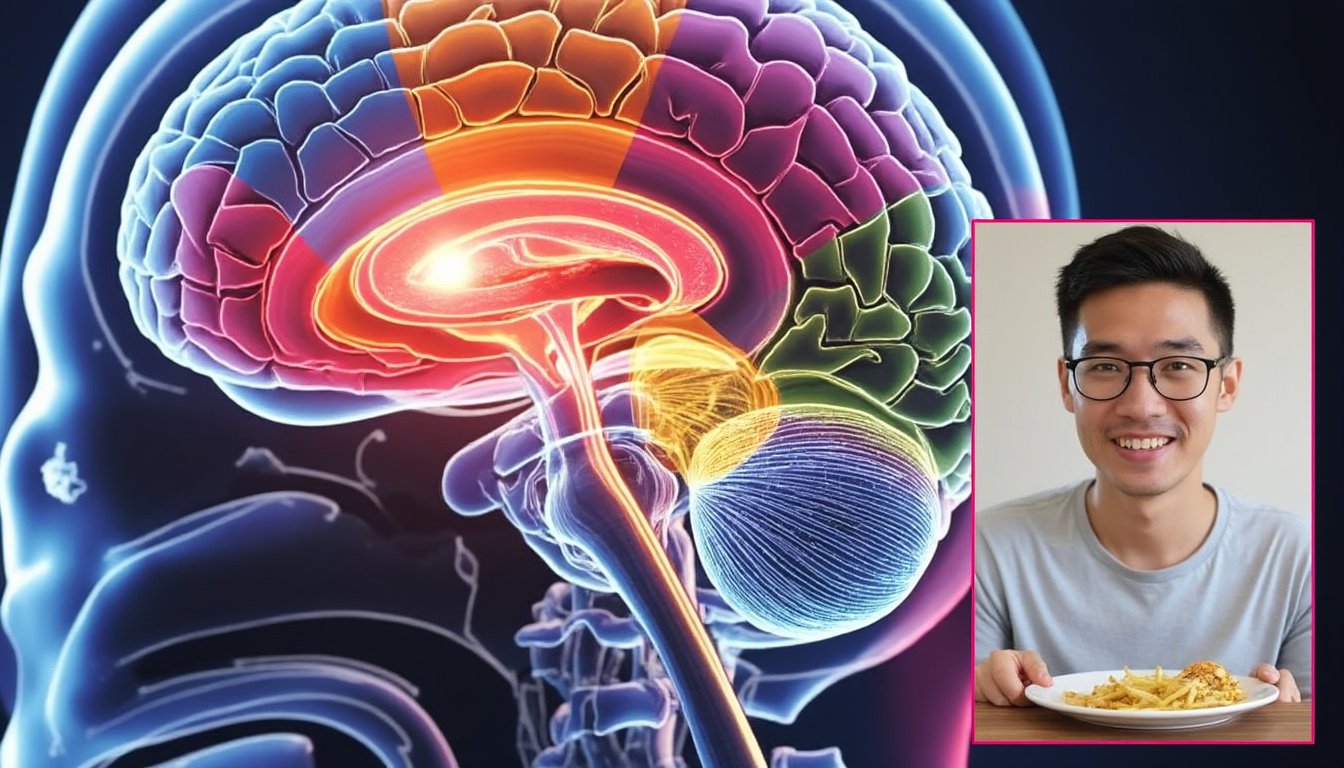
Neurotechnology Tools Revolutionizing Healthy Eating Interventions
Technological innovations in neuroscience have expanded the toolkit available to practitioners targeting unhealthy eating patterns. Among these, Transcranial Magnetic Stimulation (TMS) stands out for its non-invasive capability to modulate brain circuits linked to self-control and reward processing.
TMS employs fluctuating magnetic fields to induce electrical currents within specific cortical regions, altering neuronal excitability. By calibrating frequency and intensity, practitioners can fine-tune whether to upregulate or inhibit targeted neural pathways. This precision paves the way for customized brain-based therapies with minimal discomfort or risk.
Complementary to TMS, the integration of mobile applications such as FoodTrainer exemplifies how digital delivery can translate neuroscience into practical skill-building. This approach aligns with the latest research advocating for scalable and accessible methods to enhance inhibitory control and cognitive flexibility.
Comparative Overview of Neurotechnology Applications in Dietary Regulation
| Technology | Function | Application in Eating Behavior | Advantages |
|---|---|---|---|
| Transcranial Magnetic Stimulation (TMS) | Modulate brain excitability | Reduce impulsivity, enhance executive control | Non-invasive, targeted, rapid effects |
| FoodTrainer App | Cognitive inhibitory training | Enhance self-control through interactive exercises | Accessible, user-friendly, reinforces habits |
| NeuroBalance Protocols | Combination Therapy | Synergistic boosting of executive function | Maximized neuroplastic benefits, personalized approach |
As research advances, these technologies form the backbone of WellnessNeuro initiatives, emphasizing the potential for integrative cognitive and neurostimulation therapies to serve as cornerstones of future dietary health frameworks. Evidence from clinical trials supports continued investment into refining these tools for broader clinical and community settings source.
Personalized Neuroscientific Approaches to Address Eating Behaviors and Weight Management
Recognizing individual variability stands as a core principle for the next generation of neuroscientific interventions. Factors ranging from genetic predisposition and hormonal regulation to environmental context shape eating behaviors and susceptibility to weight gain.
Researchers, including those at CIMCYC, emphasize that body weight management transcends simplistic calorie intake models, requiring a multidimensional perspective incorporating emotional, cognitive, physiological, and social contributors. NeuroBalance protocols are designed with this holistic viewpoint, aiming to tailor treatments that resonate with each person’s unique neurocognitive profile.
This personalization is operationalized through comprehensive assessments including MRI scans, behavioral tests, and biochemical analysis, which collectively inform adaptive interventions. Such precision medicines aspire to maximize efficacy by targeting the precise neural networks and cognitive biases specific to an individual.
Multi-factorial Framework for Personalized Food Behavior Interventions
- Genetic and Endocrine Influences: Understanding gene variants and hormonal imbalances that impact appetite and reward sensitivity.
- Neurocognitive Profiling: Mapping executive function strengths and inhibitory control challenges via neuroimaging and cognitive testing.
- Behavioral and Environmental Context: Considering stressors, lifestyle routines, and accessibility to food choices.
- Dynamic Adjustment: Iterative tuning of intervention components based on ongoing response monitoring.
| Factor | Assessment Method | Intervention Strategy | Expected Outcome |
|---|---|---|---|
| Genetic Variation | Genome Sequencing | Personalized dietary recommendations and pharmacological adjuncts | Improved metabolic response and weight control |
| Brain Activity | MRI & Cognitive Tests | Targeted TMS and cognitive training | Optimized executive control |
| Hormonal Balance | Blood Biomarker Analysis | Adjustment of intervention timing and nutrition plans | Reduced cravings and improved satiety |
| Psychosocial Environment | Behavioral Interviews | Supportive counseling and habit coaching | Long-term adherence to healthy behaviors |
This framework exemplifies the frontier of WellnessNeuro research, underscoring the importance of integrating diverse biological and psychological factors in designing targeted and effective SmartDiet programs. Interested readers may explore comprehensive reviews on this topic source.
The Future of Neuroscientific Nutrition: Mindful Eating and Beyond
The emergence of NeuroNutrition as a scientific discipline heralds a transformative shift in combating unhealthy eating behaviors. By marrying insights from cognitive neuroscience, behavioral psychology, and digital technology, future interventions promise a more refined influence over brain circuits governing food choice, impulsivity, and reward.
Concepts such as Mindful Bites, PsychoTaste, and Cognitive Eats illustrate emerging paradigms where eating is intertwined with attentive awareness, sensory engagement, and neurocognitive regulation. These holistic approaches aim to recalibrate the eating experience itself, moving it towards a sustainable pattern that satisfies physiological needs without succumbing to the pitfalls of compulsive overeating.
Moreover, the integration of real-time feedback systems, neuroadaptive apps, and personalized coaching endeavors to democratize access to these advances, bridging the gap between scientific discovery and everyday practice. As scientific understanding deepens, frameworks like HealthyMind Solutions will likely evolve into comprehensive platforms that dovetail prevention, treatment, and wellness promotion seamlessly.
Key Trends Driving the Next Wave of Brain-Based Dietary Interventions
- Real-time Neurofeedback: Devices that monitor brain activity during eating to foster immediate self-regulation.
- Adaptive Cognitive Training: Personalized skill development responding dynamically to progress and setbacks.
- Integrated Lifestyle Coaching: Multimodal support encompassing nutrition, exercise, and stress management.
- Social and Community Engagement: Platforms that build supportive networks to sustain healthy eating habits.
- Use of AI and Machine Learning: To predict relapse risk and tailor interventions proactively.
| Future Innovation | Description | Potential Impact |
|---|---|---|
| Neuroadaptive Apps | Apps that modify training exercises based on brain activity patterns | Increased training efficacy and engagement |
| Virtual Reality Mindful Eating | Immersive environments fostering sensory awareness while eating | Heightened mindfulness, reduced impulsivity |
| AI-Driven Coaching | Personalized recommendations and continuous monitoring | Improved adherence and relapse prevention |
| Community Platforms | Social hubs to share progress and challenges | Stronger accountability and motivation |
The rise of WellnessNeuro approaches underlines that conquering unhealthy eating is not merely about restricting access or willpower but understanding and scientifically nurturing the brain’s capacity for change. These innovations open promising avenues for individuals seeking sustainable wellness through MindOverMunch and SmartDiet practices, backed by rigorous neuroscientific validation. For more insights, see source.
Frequently Asked Questions (FAQ) about Neuroscientific Strategies for Healthy Eating
- What is Transcranial Magnetic Stimulation (TMS) and how does it help with unhealthy eating?
TMS is a non-invasive brain stimulation technique that modulates neural activity in specific brain regions involved in impulse control and decision-making. By enhancing executive brain functions, TMS helps individuals resist impulsive eating behaviors and make healthier food choices. - How does inhibitory control training improve eating habits?
This training strengthens the brain’s ability to suppress automatic or impulsive responses to unhealthy food cues, enabling more conscious and deliberate decisions aligned with long-term health goals. - Are these neuroscientific interventions effective for everyone?
Effectiveness varies based on individual neurocognitive profiles, genetics, and environmental factors. Personalized approaches increasingly optimize outcomes by tailoring interventions to each person’s unique needs. - Can mobile apps like FoodTrainer play a significant role in managing unhealthy eating?
Yes, apps provide accessible, interactive platforms to practice inhibitory control exercises regularly, reinforcing cognitive skills essential for sustained healthy eating behavior. - What future developments are expected in brain-based nutrition interventions?
Advances will likely include real-time neurofeedback, AI-driven adaptive training, and integrated lifestyle support, all designed to deliver highly personalized and effective nutrition management strategies.
