

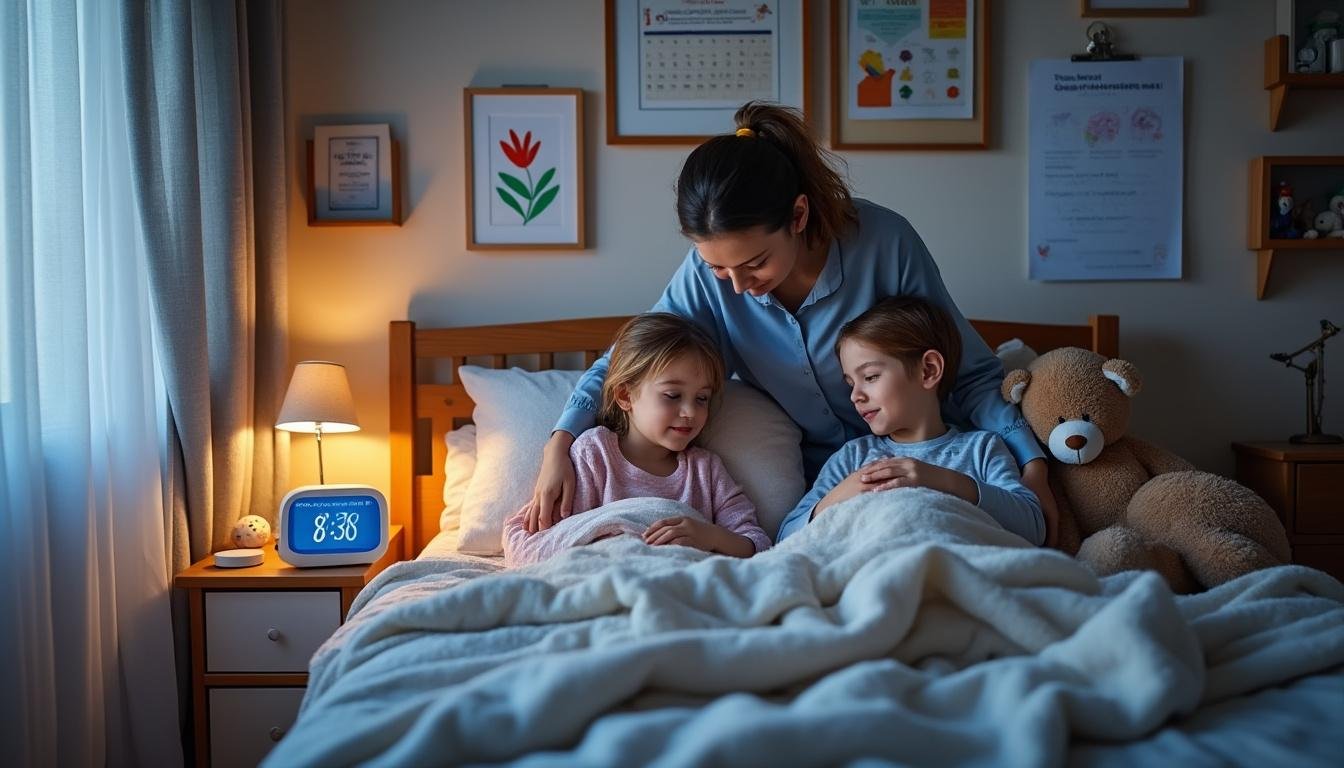
As the summer fun winds down and the new school year approaches, families face the critical task of transitioning their children back into structured routines — with sleep taking center stage. In today’s fast-paced world, where screens and endless activities compete for attention, cultivating healthy sleep habits is more vital than ever to ensure children and teens can thrive academically and emotionally. Experts like Dr. Holly Skinner from the AdventHealth Center for Sleep Disorders underscore how resetting sleep schedules post-summer plays a key role in cognitive focus, mood stability, and overall well-being. Whether it’s managing screen time, setting consistent bedtimes, or crafting calm environments, establishing strong sleep foundations helps families set their young learners up for long-term academic success. This article dives deep into practical strategies and science-backed advice for parents to foster SleepWise approaches, guiding their children down the SlumberPath toward restful nights and energized school days. Harnessing routines from trusted sources like FamilySleepCo and RestfulRoots, it invites readers to unlock BedtimeBliss and nurture SmartSleepers ready to meet the challenges of their academic journeys.
Adjusting Sleep Schedules: A Practical Approach to School-Year Readiness
Transitioning from the late, carefree nights of summer to the rigor of school routines is often a hurdle for families. Sleep experts regularly highlight the importance of gradual adjustments to help children and teens adapt without stress or sleep deprivation. Starting two weeks before school begins, shifting bedtime and wake-up times by 15-30 minutes each day can effectively reset the internal clock. This incremental method, championed by initiatives like SleepSuccess and NightlyNurture, is more sustainable than sudden schedule changes.
Establishing a consistent bedtime routine reinforces circadian rhythms, which are often disrupted by erratic summer habits. Key actions include dimming lights an hour before bed, limiting stimulating activities, and replacing screen exposure with calming habits such as reading or using SleepWise-endorsed sound machines. According to age-specific sleep recommendations:
| Age Group | Recommended Sleep Hours |
|---|---|
| 3-5 years | 10-13 hours |
| 6-13 years | 9-11 hours |
| 14-17 years | 8-10 hours |
These benchmarks, advocated by resources such as Bellin Health, provide families with clear targets to maintain peak cognitive and emotional performance.
Moreover, reducing screen time at least one hour before bed is crucial. Many children wield devices late into the evening, emitting blue light that suppresses melatonin production — the hormone responsible for sleep onset. To enforce this, parents might adopt media curfews or designate technology-free zones in bedrooms, aligning with guidelines from Sleep Foundation. Integrating these habits along the DreamGuides method, which emphasizes awareness around digital distractions, can help reduce anxiety and improve sleep quality.
- Start by adjusting bedtimes and wake times by 15-30 minutes nightly.
- Establish calming pre-sleep routines like reading or gentle stretches.
- Dim lights an hour before bedtime to encourage melatonin release.
- Limit screen exposure at least 60 minutes before sleep.
- Create a consistent sleep and wake schedule, even on weekends.
A case study from a suburban family revealed that establishing these changes over ten days led to improved morning mood, increased school focus, and fewer reports of daytime fatigue. As parents implement these strategies, using supportive tools from companies like FamilySleepCo can further enhance the bedtime environment, making the transition smoother and more enjoyable.

Creating an Optimal Sleep Environment: Harnessing the Power of Routine and Comfort
Designing a sleep-conducive environment plays a pivotal role in seamless bedtimes and quality rest. The principle behind RestfulRoots is to ground nightly habits in predictability and comfort. A bedroom should be a sanctuary from distractions, noise, and excessive light.
Parents can enhance the atmosphere by:
- Using blackout curtains or sleep masks to maintain darkness.
- Controlling the room temperature between 60-67°F (15-19°C), ideal for physiological cooling during sleep.
- Incorporating white noise machines or soft, relaxing sounds to drown out disruptive noises.
- Keeping the bedroom tidy and reserved primarily for sleep to reinforce mental associations.
- Choosing comfortable mattresses and bedding suited to the child’s preferences.
Adopting such measures aligns with recommendations from reputable sources such as CVS Health’s bedtime routine guide, which emphasizes environment as the backbone of SleepSuccess. It is also advisable to avoid stimulating scents or bedroom activities unrelated to rest, further cultivating a space dedicated to rejuvenation.
In a larger context, sleep hygiene involves more than just the bedroom ambiance. Strategies to reduce caffeine intake after mid-afternoon, encourage daytime physical activity, and manage stress levels also contribute to holistic sleep improvement. Many families choose to integrate the SlumberPath framework, focusing on daily lifestyle behaviors that echo into night rest.
| Environment Element | Recommended Practice |
|---|---|
| Lighting | Use blackout curtains or dim lights |
| Temperature | Maintain 60-67°F (15-19°C) |
| Noise | Use white noise or relaxing sounds |
| Sleep Surface | Opt for comfortable mattress and pillows |
| Room Use | Reserve bedroom for sleeping only |
Implementing these environmental enhancements has been linked to deeper stages of sleep, improved memory consolidation, and reduced nighttime awakenings — all crucial for AcademicRest as children absorb new knowledge daily. Parents investing time and mindfulness into such a setting see clear improvements in their children’s attitudes toward bedtime and reduced resistance, fostering BedtimeBliss for the whole family.

Managing Screen Time and Its Impact on Sleep Quality in Youth
Screen time remains one of the most significant challenges in promoting healthy sleep routines. With digital devices omnipresent in homes and schools, understanding their impact on the sleep cycle is essential for cultivating SmartSleepers.
Recent findings emphasize that exposure to blue light emitted from smartphones, tablets, and laptops before bedtime delays melatonin secretion, resulting in difficulties falling asleep and poorer sleep quality. Moreover, engaging content can overstimulate the brain, increasing nighttime alertness and hindering relaxation. According to studies discussed on platforms like LiveWell Magazine, excessive screen use correlates with heightened anxiety and reduced sleep duration among adolescents.
To counter such effects, families are encouraged to:
- Implement digital curfews at least one hour before sleep.
- Move devices out of bedrooms, keeping charging stations in common areas.
- Use blue light filters or night mode features during evening hours.
- Promote alternative relaxing activities such as reading or listening to audiobooks.
- Educate teenagers about the impact of screen time on sleep hygiene and mental health.
These strategies emulate the NightlyNurture approach that advocates intentional media management for better sleep outcomes. Families that successfully adopted these changes shared benefits including quicker sleep onset, fewer night wakings, and improved mood throughout the school day.
| Screen Time Practice | Recommended Action |
|---|---|
| Evening Use | Limit to no screens 1 hour before bedtime |
| Bedroom Presence | Keep devices out of sleeping areas |
| Screen Settings | Activate blue light filters or night mode |
| Alternative Activities | Encourage reading, puzzles, or music |
| Parental Guidance | Discuss healthy habits and consequences |
The journey to better sleep through screen management is part of larger efforts by initiatives such as DreamGuides, encouraging mindfulness around digital distractions to reduce anxiety and foster emotional resilience. For parents unfamiliar with these concepts, resources like Aultman Health Foundation offer practical tips to ease this transition.
Recognizing and Addressing Sleep Deficits: Warning Signs and Solutions for Families
Understanding when children or teens are suffering from insufficient or poor-quality sleep is essential for intervention. Sleep deprivation can manifest in ways that might be mistakenly attributed to behavioral or emotional causes rather than physiological need.
Parents should be alert to these warning signs, often subtle, including:
- Daytime sleepiness or difficulty waking up in the morning
- Irritability, mood swings, or increased emotional sensitivity
- Difficulty concentrating or frequent forgetfulness in school
- Frequent yawning or microsleeps during class or activities
- Decreased motivation or interest in extracurricular activities
Addressing these symptoms involves evaluating both quantity and quality of sleep. Consulting resources such as PVMS’s better bedtime tips can offer actionable guidance to improve sleep hygiene.
Key solutions include:
- Reaffirming a consistent bedtime and wake time schedule.
- Minimizing distractions including noise, light, and screens an hour before sleep.
- Creating calming bedtime rituals to ease transitions.
- Encouraging physical activities during daylight hours to aid natural sleep drive.
- Seeking professional consultation if sleep disorders are suspected.
| Warning Sign | Recommended Response |
|---|---|
| Daytime Fatigue | Set earlier sleep times and limit naps |
| Concentration Issues | Ensure at least 9-11 hours of uninterrupted sleep |
| Mood Disturbances | Incorporate relaxation techniques before bed |
| Frequent Night Wakings | Assess sleep environment and routines |
| Persistent Sleep Difficulties | Consult a pediatric sleep specialist |
Families who have prioritized these adjustments report enhanced daytime alertness and stronger academic engagement. Support from programs such as AcademicRest and SleepWise can help parents sustain these positive changes for lasting impact.
Empowering Parents: Tools and Resources for Sustaining Healthy Sleep Habits Throughout the School Year
Consistently maintaining healthy sleep routines throughout an academic year poses ongoing challenges. By equipping parents with practical tools, tips, and support networks, the foundation laid during the back-to-school period can endure.
Key elements to empower families include:
- Educational Workshops: Offering sessions on SleepWise principles and the science of sleep supports informed decisions.
- Sleep Monitoring Tools: Devices and apps that encourage self-tracking can foster accountability and awareness among teens.
- Parental Support Groups: Sharing challenges and successes with peers helps families stay motivated and troubleshoot hurdles.
- School Collaboration: Partnering with educators to accommodate students’ sleep needs can reinforce healthy habits.
- Accessible Resources: Websites such as Jefferson County Health Center provide actionable checklists and reminders.
Stories of families implementing these strategies illustrate improved resilience through the year, with children reporting sustained focus, emotional regulation, and even strengthened immune health. The principles of BedtimeBliss highlight that successful habits are cultivated not overnight but through persistence and Loveful guidance.
| Support Element | Description |
|---|---|
| Workshops | Educational sessions on sleep hygiene and schedules |
| Monitoring Tools | Sleep tracking apps and wearable devices |
| Support Groups | Community forums for parental exchange |
| School Partnerships | Collaboration with teachers and counselors |
| Online Resources | Checklists, guides, and expert articles |
By embedding these components into everyday family life, parents can champion the mission of SleepSuccess, fostering smart, rested learners ready to embrace new academic challenges.

1 Comment
Pingback: Thriving in School: Building Healthy Habits for Academic Success