
Close Menu
    Follow us on Google News
    Follow Livewell Magazine on Google News
    Facebook X (Twitter) Instagram
    LiveWell Magazine
    Facebook
    Follow LiveWell Magazine on Google News
    • Cancer

      The “Silent Killer”: 2 Hidden Signs of Pancreatic Cancer You Can Spot Years in Advance

      April 20, 2026

      Barry Manilow Opens Up About Embracing Healthier Lifestyle Choices During His Cancer Battle

      April 8, 2026

      Healthy Dad’s Unexpected Cancer Diagnosis Revealed After Ignoring Nighttime Bathroom Trips: ‘A Heartbreaking Surprise’

      February 22, 2026

      BREAKING NEWS: Gene therapy for sickle cell disease: a medical breakthrough still out of reach for many

      December 29, 2025

      How Your Drinking Habits Could Significantly Increase Your Cancer Risk

      December 28, 2025
    • Fitness

      How does age impact athletic prowess and power?

      May 19, 2026

      How can you stay active and healthy by embracing winter fitness with outdoor sports?

      May 14, 2026

      How does afternoon exercise transform your blood sugar levels?

      May 7, 2026

      At 100, the ‘First Lady of Fitness’ Shares Her Daily Workout Secrets and One Must-Have Food

      April 15, 2026

      How can weighted planks help you elevate your strength and master your core?

      April 14, 2026
    • Health

      How can fast verification tools transform patient care and enhance health outcomes?

      May 15, 2026

      How can you choose the best functional medicine doctor for your health journey?

      May 5, 2026

      How can better patient-doctor communication help you stay on track with your medication?

      April 8, 2026

      What can an infectious disease doctor’s experiences in Kazakhstan and America teach us about global health?

      April 3, 2026

      Federal Judge Hits Pause on HHS Secretary Kennedy’s Vaccine Policy Overhaul

      March 18, 2026
    • Lifestyle

      What are the surprising life lessons from a freezing cold experience in rural Japan?

      May 11, 2026

      What are some simple tips for maintaining a clean dog mouth?

      May 4, 2026

      How can you break free from the sitting trap and revitalize your life?

      April 22, 2026

      How can transformative approaches to home life enhance your overall well-being?

      April 17, 2026

      Solo Cooking Simplified: 8 Easy Habits to Eat Healthy When Cooking for One

      April 15, 2026
    • Nutrition

      Which 9 delicious fruits can help slash your cholesterol levels?

      May 5, 2026

      Which 5 delectable fruits packed with potassium can help support your blood pressure?

      April 27, 2026

      What are the surprising benefits of miso soup for your gut, heart, and immune health?

      April 23, 2026

      How can you nourish your gut with delicious choices for a healthier you?

      April 22, 2026

      What are the surprising effects of eggnog on your blood sugar levels?

      April 16, 2026
    • Senior

      What are the essential approaches for promoting high-quality senior care and independence?

      May 6, 2026

      Nurturing Your Gut After 50: 7 Essential Habits for Lasting Digestive Wellness

      April 3, 2026

      Nourishing Your Golden Years: 10 Essential Nutrition Habits to Promote Healthy Aging and Maintain Independence After 60

      March 27, 2026

      Wound Care Revolution: How a New Medicare Payment System Aims to Cut Waste in Senior Care

      March 19, 2026

      The $2,000 Cap is Here: How the New Annual Out-of-Pocket Drug Limit Saves Seniors Thousands

      March 17, 2026
    • Trends

      How could the 7 surprising travel trends of 2026 disrupt your wellness plans and how can you navigate them?

      April 15, 2026

      Which innovative skincare trends will shape the industry in 2026 according to Uliana-Sofiia Savchenko?

      April 6, 2026

      Transparency at HHS: How the New “Radical Transparency” Initiative Aims to Expose Big Pharma Conflicts

      March 13, 2026

      How Wearable Technology Could Spark a Revolution in Healthier Living

      February 5, 2026

      Early cholesterol treatment in kids may prevent heart disease for life

      January 28, 2026
    • Wellness

      Can you experience the incredible spa at Stanglwirt Hotel for your ultimate wellness?

      May 18, 2026

      How can you manage your stress and maintain your well-being if your flight is suddenly cancelled?

      May 18, 2026

      How does your oral health affect your overall wellness?

      May 15, 2026

      How can exploring the mysterious history of Munich’s historic cathedral benefit your mental and cultural wellness?

      May 15, 2026

      Can green tea and vitamin B3 unlock your brain power?

      May 14, 2026
    Subscribe
    LiveWell Magazine
    Home»Hydration»How much water do you really need each day?
    Hydration

    How much water do you really need each day?

    Amelie GoujonBy Amelie GoujonNo Comments
    Facebook Twitter Email WhatsApp Pinterest LinkedIn Reddit Telegram Threads
    discover the essential amount of water your body needs each day, learn about the factors that influence hydration, and get practical tips for staying healthy and well-hydrated.
    Share
    Facebook Twitter LinkedIn Email Reddit Telegram WhatsApp Threads

    Water composes roughly 60% of the human body, underscoring its critical role in maintaining health and vitality. Intriguingly, a 160-pound adult harbors approximately 12 gallons of water distributed throughout their cells, tissues, and organs. Yet, despite this vital necessity, the majority of Americans—about 75%—are chronically underhydrated, failing to meet water intake benchmarks appropriate for their age and lifestyle. Understanding exactly how much water you need daily is not merely a matter of following the common “8 glasses a day” dictum; it requires a nuanced approach that considers age, weight, activity level, and environmental conditions. Tailored hydration strategies, fortified by products such as Evian, Smartwater, or Hydro Flask, ensure that each individual maintains optimal body function, cognitive clarity, and energy. This comprehensive overview explores age-specific water requirements, highlights the dangers of dehydration across life stages, and offers practical advice to transform hydration from a mundane task into a proactive health investment.

    Age-Specific Water Intake Guidelines: Know Your Needs

    Hydration needs vary significantly from infancy through senior years, reflecting physiological changes and activity patterns. Utilizing authoritative resources like the Mayo Clinic and Harvard Health, alongside practical tools such as the Daily Water Intake Calculator, provides personalized hydration targets. Below are essential water intake benchmarks tailored to different age groups:

    • Infants (0-6 months): No additional water. Breast milk or formula, which is 87% water, suffices exclusively.
    • Infants (6-12 months): Introduction of 4-8 ounces of water daily alongside solids and milk.
    • Toddlers (1-3 years): Approximately 1.3 liters (44 ounces) of fluids daily with a focus on water and milk.
    • Children (4-8 years): About 1.6 liters (54 ounces) daily, including 5 cups of water plus milk.
    • Preteens and Teens (9-18 years): Hydration needs rise sharply: 2.1 liters (71 ounces) for preteens, 2.3 liters (78 ounces) for girls, and up to 3.3 liters (112 ounces) for boys, especially with active lifestyles.
    • Adults: Women require around 2.7 liters (91 ounces), and men about 3.7 liters (125 ounces) of total fluids daily, encompassing water and other beverages.
    • Pregnant and Breastfeeding Women: Increased needs—about 8-12 cups for pregnancy and up to 16 cups during breastfeeding.
    • Seniors (65+ years): Maintain similar fluid intake as adults but monitor due to decreased thirst sensation and potential medication effects.
    Related Article :  Why hydration is more than just drinking water

    These guidelines integrate insights from reputable medical sources like Mayo Clinic and Harvard Health. Using hydration-enhancing products such as Brita filters, S’well bottles, or insulated CamelBak containers can aid in consistently meeting these requirements, particularly in demanding climates or during intense physical activity.
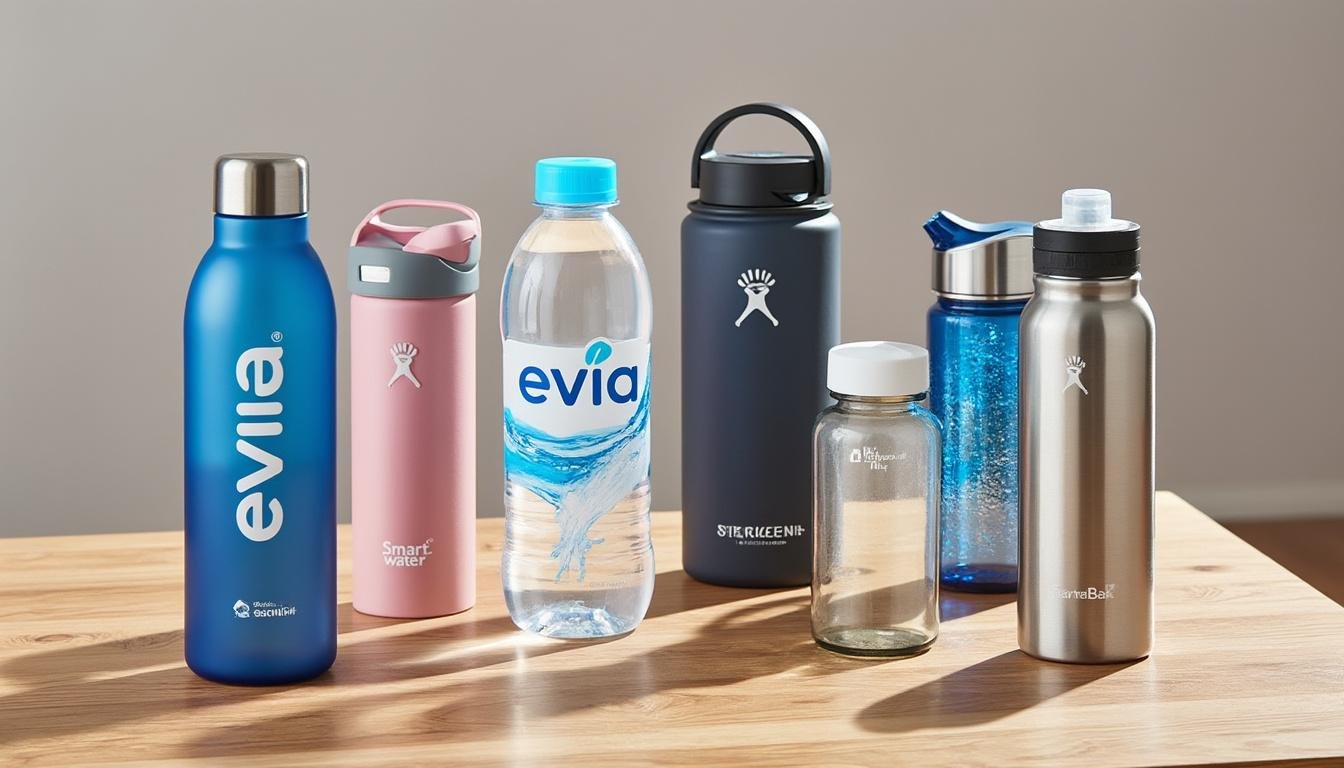
    discover how much water you actually need each day, based on science and your lifestyle. learn hydration tips and common myths to stay healthy and energized.

    Recognizing the Vital Role of Water Throughout the Aging Process

    Water facilitates critical physiological operations—regulating temperature, removing wastes, cushioning joints, and nourishing cells. Even mild dehydration can adversely impact mood, cognition, and energy levels. For children, a mere 1-2% dehydration impairs school performance, while adults might experience fatigue or cognitive sluggishness. Seniors face additional challenges: diminished thirst response, mobility limitations, and medication interactions all elevate the risk of dehydration, which can exacerbate cognitive decline and increase fall risk.

    • Maintain scheduled hydration: Especially important for older adults who may not sense thirst.
    • Accessible fluids: Keep water within easy reach using user-friendly containers like Hydro Flask or Brita pitchers.
    • Variety: Include water-rich foods and herbal teas to enhance intake.
    • Monitor urine characteristics: Aim for pale-yellow urine, a sign of adequate hydration.

    By fostering these habits, seniors and their caregivers can significantly mitigate dehydration risks. This is crucial as studies have found that chronic dehydration is alarmingly common in the elderly population, affecting quality of life and increasing hospitalization rates.

    Transforming Everyday Hydration into a Healthy Habit

    Creating effective hydration routines is essential for sustaining health across all age groups. Small lifestyle adjustments—such as starting the day with a glass of water, utilizing smart bottles like S’well or Brita for convenient access, and incorporating water-rich fruits like watermelon and cucumber—can make a significant difference.

    • Use hydration reminders: Apps or alarms to prompt drinking consistently throughout the day.
    • Choose high-quality bottled water for on-the-go: Options like Fiji Water or Nestle Pure Life combine convenience and premium taste.
    • Moderate caffeine and alcohol: Both act as diuretics and can exacerbate dehydration.
    • Avoid sugary beverages: These can undermine hydration despite fluid intake.
    Related Article :  The truth about carbs: what nutritionists want you to know

    For athletes and those exercising intensely, adhering to guidelines from the American Council on Exercise by consuming water before, during, and after workouts is pivotal. Sports drinks with electrolytes should be reserved for workouts exceeding 60-90 minutes. For shorter sessions, plain water and trusted brands like Aquafina or Dasani suffice in replenishing fluids without excess sugar.

    daily water intake health tips hydration nutrition water consumption
    Follow on Google News
    Share. Facebook Twitter LinkedIn Email WhatsApp Reddit Telegram Threads Copy Link
    Previous Articlebuild strong bones by adopting healthy habits today
    Next Article Guiding families to cultivate healthy sleep routines for a successful academic year
    Avatar photo
    Amelie Goujon

    Amélie has been working in the health sector for over 15 years and now serves as an online journalist specializing in healthy living. Her background in healthcare gives her articles a solid foundation of credibility and empathy. Passionate about wellness, nutrition, and prevention, she translates complex medical topics into clear, accessible content for a wide audience. Through her writing, Amélie aims to empower readers to make informed choices and adopt healthier daily habits.

    Continue reading

    How could going dry this January shuffle your digestive rhythm?

    By Amelie Goujon

    Chris Paul Shares His Motivation Behind Launching a Healthy Snack Brand: ‘Empowering Kids Through Nutrition…

    By FRANK JOST

    What are the most effective nutrition strategies for healthy aging?

    By Amelie Goujon

    The So-Called ‘Healthy’ Habit That May Not Be Beneficial, Reveals New Research

    By FRANK JOST

    The Top Morning Routine Gastroenterologists Recommend for Better Digestion and Easy Bowel Movements

    By FRANK JOST

    PT’s Highly Effective Habit to Lower the Risk of a Serious Health Condition

    By FRANK JOST

    Weekend Habits Secretly Affecting Your Insulin Resistance

    By FRANK JOST

    Top Longevity Specialist Reveals the #1 Superfood for Vibrant Aging – You Won’t Believe What It Is…

    By FRANK JOST

    Essential Evening Habits to Improve Your Blood Sugar Levels, According to Experts

    By FRANK JOST

    How to stay healthy when the seasons change

    By Tina Nguyen

    How much water do you really need each day?

    By Tina Nguyen

    Do you really need supplements? Experts weigh in

    By Tina Nguyen
    Add A Comment
    Leave A Reply Cancel Reply

    Subscribe to Our Newsletter

    Join the Live Well Magazine Newsletter and get exclusive tips on health, wellness, lifestyle, and personal growth — straight to your inbox.

    Trending
    Hydration

    How could going dry this January shuffle your digestive rhythm?

    Fitness

    How does age impact athletic prowess and power?

    Sports & Physical Therapy

    What are the top 5 deadlift alternatives to amplify your muscle gains while easing back strain?

    Wellness

    Can you experience the incredible spa at Stanglwirt Hotel for your ultimate wellness?

    Wellness

    How can you manage your stress and maintain your well-being if your flight is suddenly cancelled?

    Natural Remedies

    Ants Invading Your Summer Garden? This Affordable Spice Powder Stops Them Without Harming Your Plants

    Facebook
    • About us
    • Contact us
    • Contributors
    • Legal
    • Privacy
    © 2026 livewellmagazine.org.

    Type above and press Enter to search. Press Esc to cancel.