
Close Menu
    Follow us on Google News
    Follow Livewell Magazine on Google News
    Facebook X (Twitter) Instagram
    LiveWell Magazine
    Facebook
    Follow LiveWell Magazine on Google News
    • Cancer

      Barry Manilow Opens Up About Embracing Healthier Lifestyle Choices During His Cancer Battle

      April 8, 2026

      Healthy Dad’s Unexpected Cancer Diagnosis Revealed After Ignoring Nighttime Bathroom Trips: ‘A Heartbreaking Surprise’

      February 22, 2026

      BREAKING NEWS: Gene therapy for sickle cell disease: a medical breakthrough still out of reach for many

      December 29, 2025

      How Your Drinking Habits Could Significantly Increase Your Cancer Risk

      December 28, 2025

      Could the time of day you get cancer treatment affect survival? What a new lung cancer study suggests

      December 25, 2025
    • Fitness

      A 65-Year-Old Fitness Trainer’s Guide to Stocking Up on Healthy Foods at Costco

      April 10, 2026

      How many calories do you actually burn by running one mile?

      April 9, 2026

      Biochemist Reveals the Powerful 10-Minute Workout That Keeps the Mind Razor-Sharp All Day

      March 23, 2026

      The best workouts for busy people

      March 3, 2026

      A Fitness Trainer’s Perspective: How My Approach Transformed from 40 to 60

      March 2, 2026
    • Health

      How can better patient-doctor communication help you stay on track with your medication?

      April 8, 2026

      What can an infectious disease doctor’s experiences in Kazakhstan and America teach us about global health?

      April 3, 2026

      Federal Judge Hits Pause on HHS Secretary Kennedy’s Vaccine Policy Overhaul

      March 18, 2026

      Medicare Advantage Shifts: Payments to Plans Increase as Enrollment Hits a New Record

      March 18, 2026

      The battle over “$0 premium” plans: What’s at stake for your healthcare?

      February 19, 2026
    • Lifestyle

      How can finding the best flight deals reduce your travel stress and improve your well-being?

      April 9, 2026

      Daily Routine Discovered in New Study That Could Help Slow Down Aging

      April 6, 2026

      The So-Called ‘Healthy’ Habit That May Not Be Beneficial, Reveals New Research

      April 5, 2026

      Celebrity Manicurist Reveals Daily Habit That Gradually Weakens Your Nails

      April 5, 2026

      Embracing Emotional Strength: The Key to Healthy Habits and a Longer Life

      April 4, 2026
    • Nutrition

      Which 7 vitamin C-packed fruits should you try to boost your immunity?

      April 10, 2026

      Daily Avocado Consumption: Insights from a Dietitian on Its Health Benefits

      March 25, 2026

      Celebrate National Nutrition Month this March with Toi Degree – Salisbury Post

      March 21, 2026

      Protein-Packed Mediterranean Dinners to Boost Your Heart Health

      March 20, 2026

      Remarkable Health Benefits of Prunes That Transform Them into a Nutritional Powerhouse

      March 6, 2026
    • Senior

      Nurturing Your Gut After 50: 7 Essential Habits for Lasting Digestive Wellness

      April 3, 2026

      Nourishing Your Golden Years: 10 Essential Nutrition Habits to Promote Healthy Aging and Maintain Independence After 60

      March 27, 2026

      Wound Care Revolution: How a New Medicare Payment System Aims to Cut Waste in Senior Care

      March 19, 2026

      The $2,000 Cap is Here: How the New Annual Out-of-Pocket Drug Limit Saves Seniors Thousands

      March 17, 2026

      Why Conventional Health Tips Might Shift After Turning 50

      March 15, 2026
    • Trends

      Which innovative skincare trends will shape the industry in 2026 according to Uliana-Sofiia Savchenko?

      April 6, 2026

      Transparency at HHS: How the New “Radical Transparency” Initiative Aims to Expose Big Pharma Conflicts

      March 13, 2026

      How Wearable Technology Could Spark a Revolution in Healthier Living

      February 5, 2026

      Early cholesterol treatment in kids may prevent heart disease for life

      January 28, 2026

      Wearable health devices: the future of personalized medicine?

      January 27, 2026
    • Wellness

      The 20-Minute Routine That Could Unlock a Healthier Heart and a Sharper Mind

      April 8, 2026

      How can celebrating Día de los Muertos at a Mexican-owned resort enhance your cultural wellness?

      April 6, 2026

      Is the rising cost of a Hawaii vacation becoming a barrier to your travel wellness?

      April 2, 2026

      How will Palma Mallorca’s new party boat and vacation rental rules affect your travel wellness?

      April 1, 2026

      This Wellness Routine Unlocks Greater Brain Benefits Especially for Beginners

      March 28, 2026
    Subscribe
    LiveWell Magazine
    Home»Senior»Doctors were shocked by this health resources habit that actually improves your health
    Senior

    Doctors were shocked by this health resources habit that actually improves your health

    Tina NguyenBy Tina NguyenNo Comments
    Facebook Twitter Email WhatsApp Pinterest LinkedIn Reddit Telegram Threads
    Share
    Facebook Twitter LinkedIn Email Reddit Telegram WhatsApp Threads

    It’s not a high-tech procedure. It doesn’t require a prescription. And yet, this simple, everyday habit has been surprising physicians, nutritionists, and wellness experts around the world. What’s even more unexpected? It’s completely free and accessible to anyone with a phone, tablet, or even a pen and paper. As a medical doctor, nutritionist, and trainer specializing in aging and chronic conditions, I’ve seen firsthand how this overlooked habit can improve quality of life — especially for older adults.

    What is it? The act of actively using health resources — such as tracking symptoms, recording meals or vitals, or checking trusted health platforms regularly — is turning out to be a major driver of healthier decisions, better communication with physicians, and even disease prevention.

    The underestimated power of self-tracking and health journaling
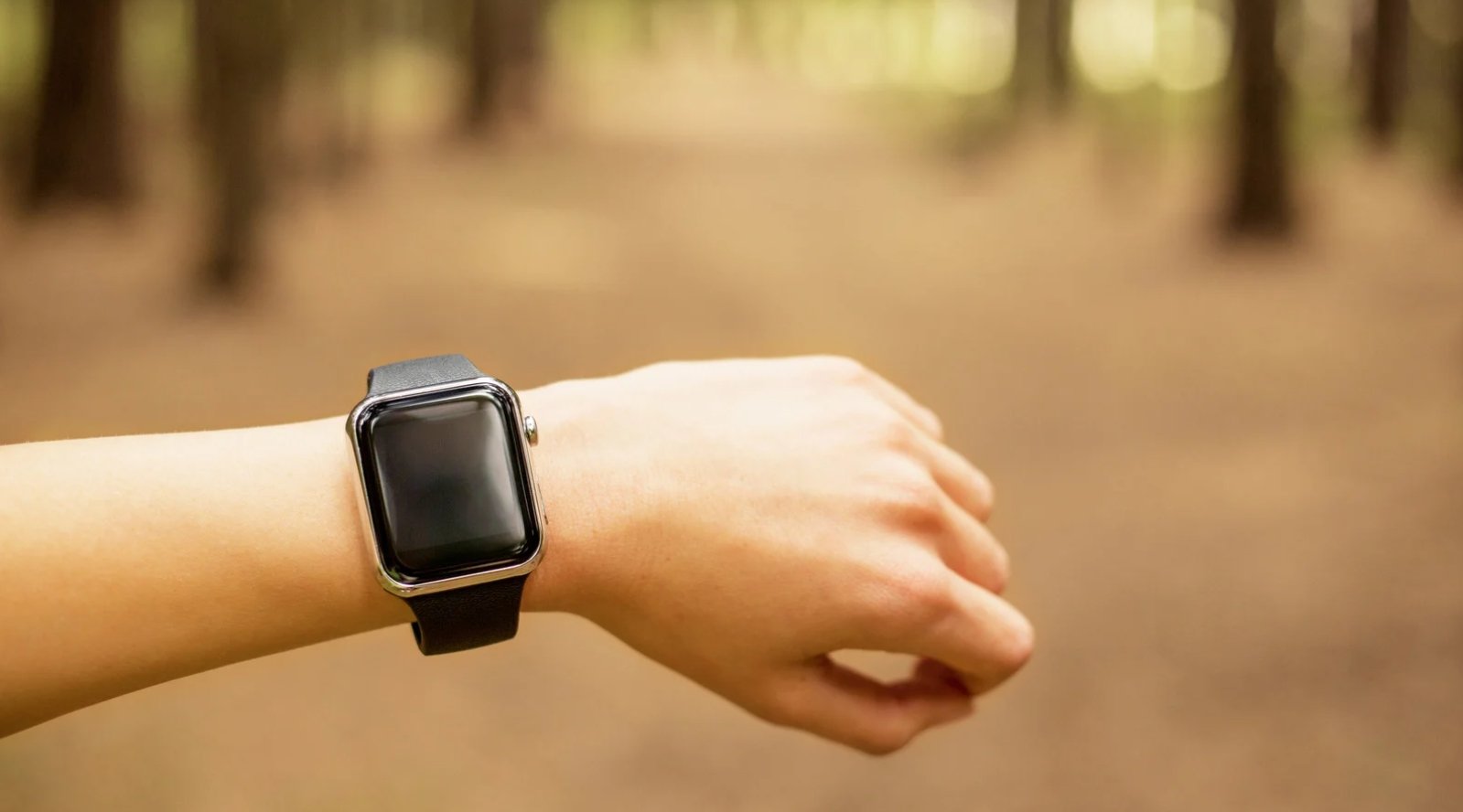
    Most people don’t consider themselves “data analysts” of their own lives. But writing down your blood pressure, noting how you felt after a certain meal, or logging your step count can provide valuable insights into your well-being. Doctors are now realizing how much this data, when recorded over time, helps detect patterns that are often missed during brief clinic visits.

    Whether it’s a digital app or a paper notebook, the habit of tracking one’s health is empowering. Patients become more engaged in their care, more aware of their body’s signals, and better equipped to manage chronic conditions. This habit doesn’t replace medical advice — it enhances it.

    Why this habit surprised medical professionals

    Traditionally, health care has been reactive — responding to illness after it occurs. But now, a shift is happening. Doctors are increasingly recommending proactive behaviors, and this self-monitoring habit is one of them. It’s surprising because it requires no drugs, no surgeries, and no professional training. And yet, its effects can be profound.

    Related Article :  Heatwave workout: how older adults can exercise without risk

    Recent studies show that patients who regularly track blood glucose, hydration, physical activity, or mood are more likely to meet treatment goals and less likely to end up in emergency situations. This is especially critical for older adults, who often face multiple health issues at once and may struggle with memory or medication compliance.

    How health tracking benefits older adults in particular

    With age, the body becomes more sensitive to environmental changes, medication interactions, and nutritional gaps. Keeping a daily log of symptoms, meals, water intake, or mobility levels can help seniors detect early signs of trouble before they escalate into hospital visits.

    For example, recording dizziness episodes might reveal a pattern linked to blood pressure fluctuations. Logging meals may uncover unintentional under-eating. Writing down sleep quality can expose undiagnosed apnea or anxiety. In every case, information leads to intervention.

    Digital resources vs. pen and paper: what works best?
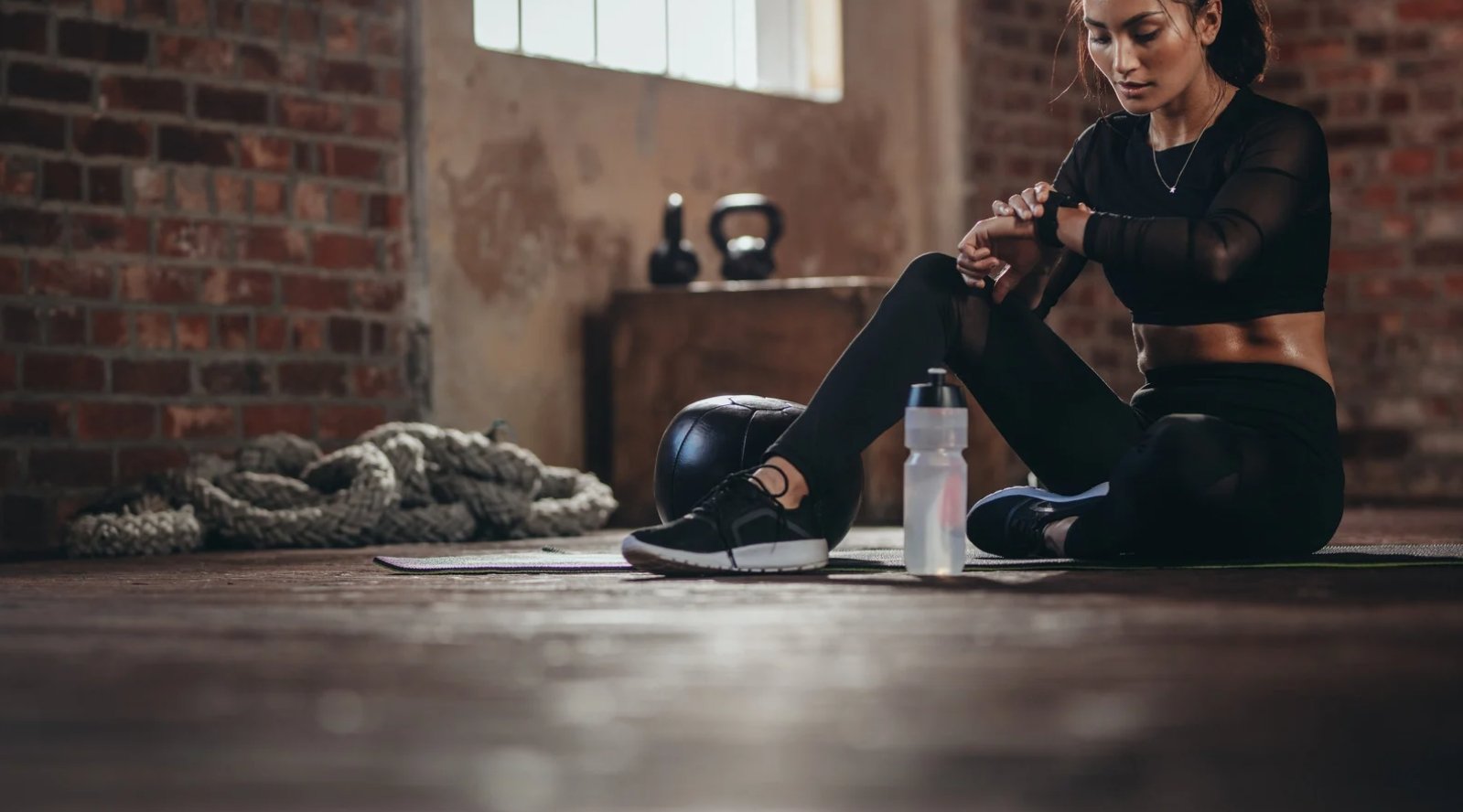
    There’s no single right way to engage in this habit. For tech-savvy seniors or their caregivers, digital apps offer alerts, graphs, and easy sharing with medical professionals. Platforms like blood pressure monitors with Bluetooth, food diary apps, or step counters make the process seamless.

    But paper works just as well. A handwritten journal, kept on a nightstand or kitchen table, offers the same benefits. What matters is consistency, not format. The key is to capture daily snapshots of health-related behavior and changes.

    How to build the habit into daily life

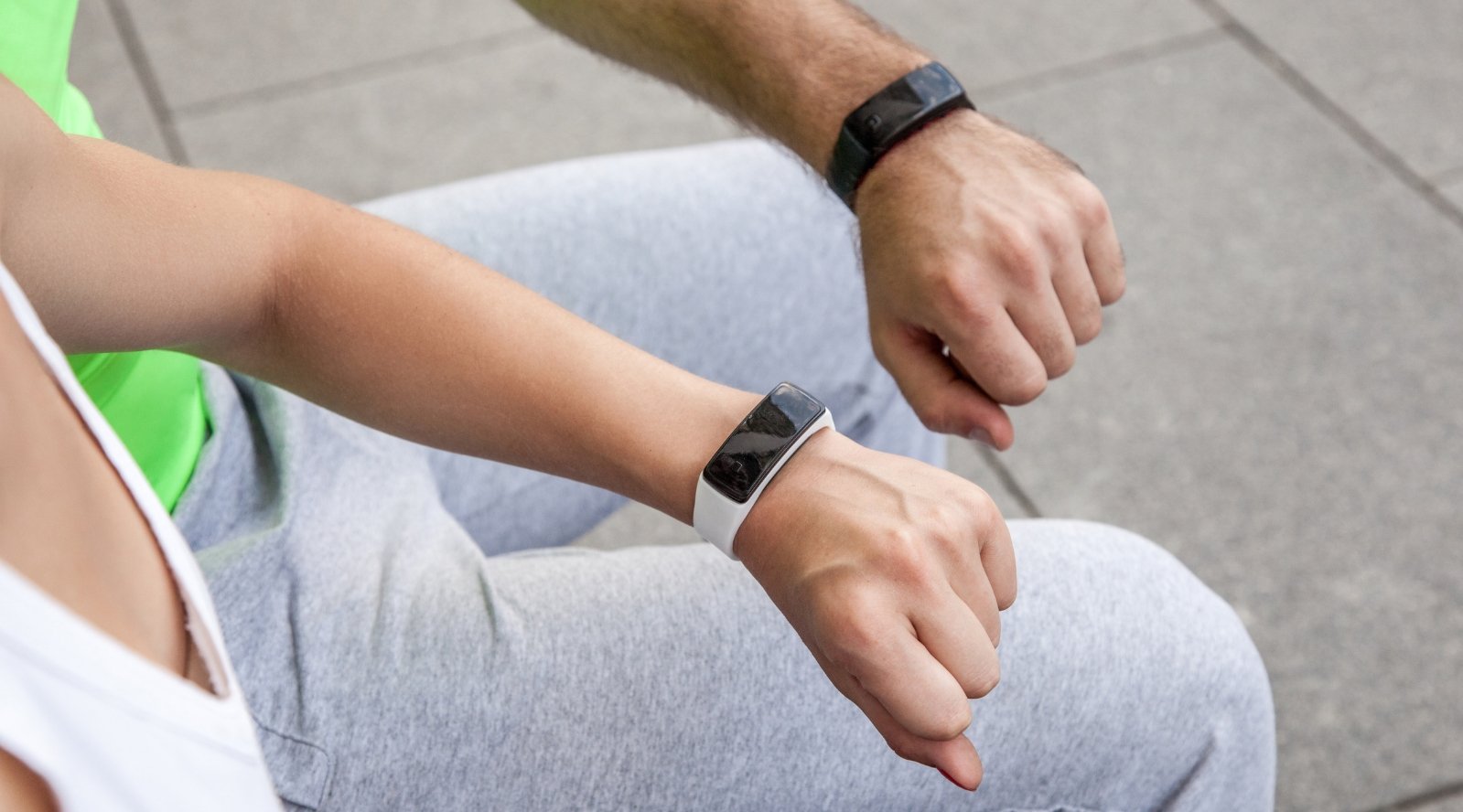
    Like brushing your teeth, health tracking becomes second nature with repetition. Choose the same time every day — after breakfast, before bedtime, or following a walk. Keep tools within reach: a notebook, a phone, a water bottle, or a fitness band. Start small, with one category, such as hydration or blood sugar, and build from there.

    Related Article :  Living with gluten intolerance: 4 tips for success

    For older adults, it can also be helpful to include a caregiver or loved one in the habit. This adds accountability and can provide emotional support. If cognitive challenges are present, a simple checklist or a voice note system can still encourage engagement without stress.

    The mental and emotional boost of tracking progress

    Beyond physical benefits, this habit also improves emotional health. Seeing progress on paper — better step counts, improved sleep, or more balanced meals — gives a sense of achievement and control. This is especially important for older adults facing limitations or new diagnoses.

    Health journaling often becomes a moment of reflection. It encourages mindfulness, gratitude, and awareness. In some cases, patients even discover they feel better just by noticing how they feel — a psychological shift that has real-world health effects.

    A quiet revolution in preventive care

    In clinics and hospitals, doctors are now starting to ask a new question: “Are you keeping a log of your symptoms or habits?” The old model of patient as passive recipient is giving way to one where patients are partners in care. And this habit of tracking — simple, low-tech, and often dismissed — is now considered a best practice.

    For seniors, in particular, it bridges the gap between short doctor visits and everyday life. It creates a narrative, a timeline, a context — one that doctors can act on with greater precision. It can even reduce unnecessary tests or interventions when clear patterns emerge through the log.

    This quiet health habit — keeping track of your body’s signals, behaviors, and routines — has earned the respect of the medical community for good reason. It empowers patients, improves communication with providers, and encourages healthier choices every day.

    Related Article :  Cultivating a lifestyle of healthy habits

    Whether you’re managing a chronic condition, recovering from an illness, or simply aging with intention, consider this your invitation to join the growing number of people who track their health — and are healthier because of it.

    Follow on Google News
    Share. Facebook Twitter LinkedIn Email WhatsApp Reddit Telegram Threads Copy Link
    Previous ArticleHeatwave workout: how older adults can exercise without risk
    Next Article Gene editing vs. tumors: CRISPR takes on solid cancers in new human trials
    Avatar photo
    Tina Nguyen

    Tina has been a health journalist for over ten years, reporting from various countries around the world. Her international experience gives her a unique and nuanced perspective on global wellness trends, public health challenges, and cultural approaches to healthy living. Known for her curiosity and clarity, Tina strives to deliver reliable, well-researched content that resonates with diverse audiences. She is passionate about making health information both engaging and empowering for readers everywhere.

    Continue reading

    Which 7 vitamin C-packed fruits should you try to boost your immunity?

    By Amelie Goujon

    How can finding the best flight deals reduce your travel stress and improve your well-being?

    By Amelie Goujon

    How can better patient-doctor communication help you stay on track with your medication?

    By Amelie Goujon

    Daily Routine Discovered in New Study That Could Help Slow Down Aging

    By FRANK JOST

    Which innovative skincare trends will shape the industry in 2026 according to Uliana-Sofiia Savchenko?

    By Amelie Goujon

    The So-Called ‘Healthy’ Habit That May Not Be Beneficial, Reveals New Research

    By FRANK JOST

    Celebrity Manicurist Reveals Daily Habit That Gradually Weakens Your Nails

    By FRANK JOST

    Embracing Emotional Strength: The Key to Healthy Habits and a Longer Life

    By FRANK JOST

    The Unseen Price of Unwavering Consistency: A New Perspective on Habit Formation

    By FRANK JOST

    Nurturing Your Gut After 50: 7 Essential Habits for Lasting Digestive Wellness

    By FRANK JOST

    What can an infectious disease doctor’s experiences in Kazakhstan and America teach us about global health?

    By Amelie Goujon

    Happiness Guru Reveals 7 Key Habits That Foster Long-Term Joy and Well-Being

    By FRANK JOST
    Add A Comment
    Leave A Reply Cancel Reply

    Subscribe to Our Newsletter

    Join the Live Well Magazine Newsletter and get exclusive tips on health, wellness, lifestyle, and personal growth — straight to your inbox.

    Trending
    Health & Safety

    What are the six hidden health risks you should be aware of?

    Fitness

    A 65-Year-Old Fitness Trainer’s Guide to Stocking Up on Healthy Foods at Costco

    Nutrition

    Which 7 vitamin C-packed fruits should you try to boost your immunity?

    Screenings & Prevention

    Enhanced Dosage of Common Vaccine Dramatically Reduces Alzheimer’s Disease Risk

    Natural Remedies

    How can you use castor oil to unlock radiant skin and a healthy glow?

    Fitness

    How many calories do you actually burn by running one mile?

    Facebook
    • About us
    • Contact us
    • Contributors
    • Legal
    • Privacy
    © 2026 livewellmagazine.org.

    Type above and press Enter to search. Press Esc to cancel.