

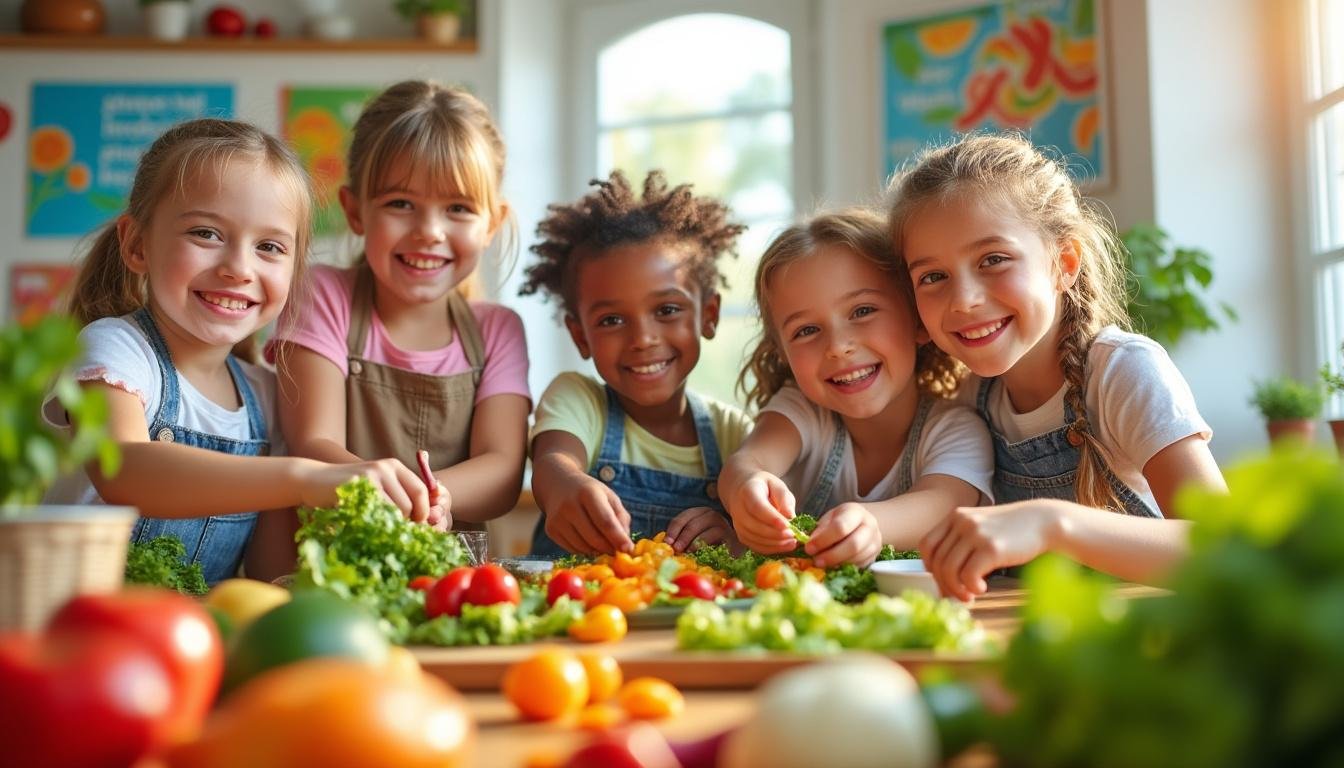
Understanding the relationship between children’s prosocial behavior and their diet opens new pathways for nurturing healthier generations. Recent research reveals that fostering empathy and kindness in children correlates with more sustained healthy eating habits, particularly increased fruit and vegetable consumption during adolescence. This insight challenges conventional approaches to dietary interventions by suggesting that promoting social-emotional skills such as cooperation, sharing, and caring is not just beneficial for social cohesion but also for health outcomes. Emphasizing positive communication and emotional growth with children nurtures not only their interpersonal abilities but also their internal motivation towards choosing nutritious foods. As debates about childhood nutrition evolve in 2025, integrating empathy development into health promotion strategies offers an innovative and holistic framework.
As families, educators, and healthcare providers seek novel and effective ways to promote well-being, exploring the intersection of kindness and nutrition yields fertile ground. Children who consistently display behaviors like helping others or showing compassion receive psychological benefits such as improved mood and resilience, which in turn can shape their relationship with food. The confluence of social behavior and eating practices suggests that interventions like MindfulMunchkins and HeartfulPlates programs that blend empathy cultivation with nutrition education could revolutionize lifelong dietary habits. This multifaceted approach provides a promising alternative to traditional diet-centric methods, aiming to nurture the whole child in environments rich with KindBites and CaringCuisines.
How Empathy Shapes Children’s Healthy Eating Habits
The American Journal of Preventive Medicine recently published an insightful study underscoring how children’s prosocial behaviors—such as kindness, cooperation, and helpfulness—are linked to healthier eating habits in later life. By tracking a cohort of children aged 5 to 17 years through the Millennium Cohort Study in the United Kingdom, researchers revealed that kids exhibiting consistent empathy were more inclined to consume fruits and vegetables during adolescence.
Empathy, often viewed purely as a social or emotional competency, emerges here as a powerful health asset. When children engage in EmpathyEats behavior patterns—like offering help or sharing with peers—they reinforce social connections that improve psychological well-being. This positive emotional state is closely tied to better dietary choices. For example, children who practice empathy often experience a greater sense of purpose and competence, helping buffer stress and promoting mindful decision-making, including food preferences.
10 quick checks to spot low-quality supplements before you buy - plus research-backed doses for 12 common ingredients. Free PDF, no spam.
Practical implications extend to parenting and community support programs. Incorporating empathy-building exercises into daily routines can be seamlessly paired with nutritional education to cultivate enduring healthy habits. Parents might encourage children to prepare meals for family members or share healthy recipes with friends, building empathy while reinforcing nutrition. Experts also recommend using positive language around food to avoid pressure and instead highlight food as a nurturing experience. For more on fostering empathy to encourage healthy eating, visit this resource.
- Regular prosocial activities like volunteering and helping peers nourish empathy.
- Positive reinforcement from caregivers promotes kind behaviors linked to healthier eating.
- Mindful interactions around food increase children’s awareness and appreciation of nutrition.
- Peer influence through shared values supports sustained healthy dietary choices.
| Age Range | Prosocial Behavior Examples | Associated Dietary Outcomes |
|---|---|---|
| 5-7 years | Sharing toys, helping with chores | Beginning of fruit and vegetable preference |
| 8-11 years | Kindness to peers, cooperation in group activities | Increased consumption of healthy snacks |
| 12-17 years | Volunteering, empathy-based decision making | Stable intake of fruits, vegetables, and balanced meals |
Explore the detailed findings and implications of this study.
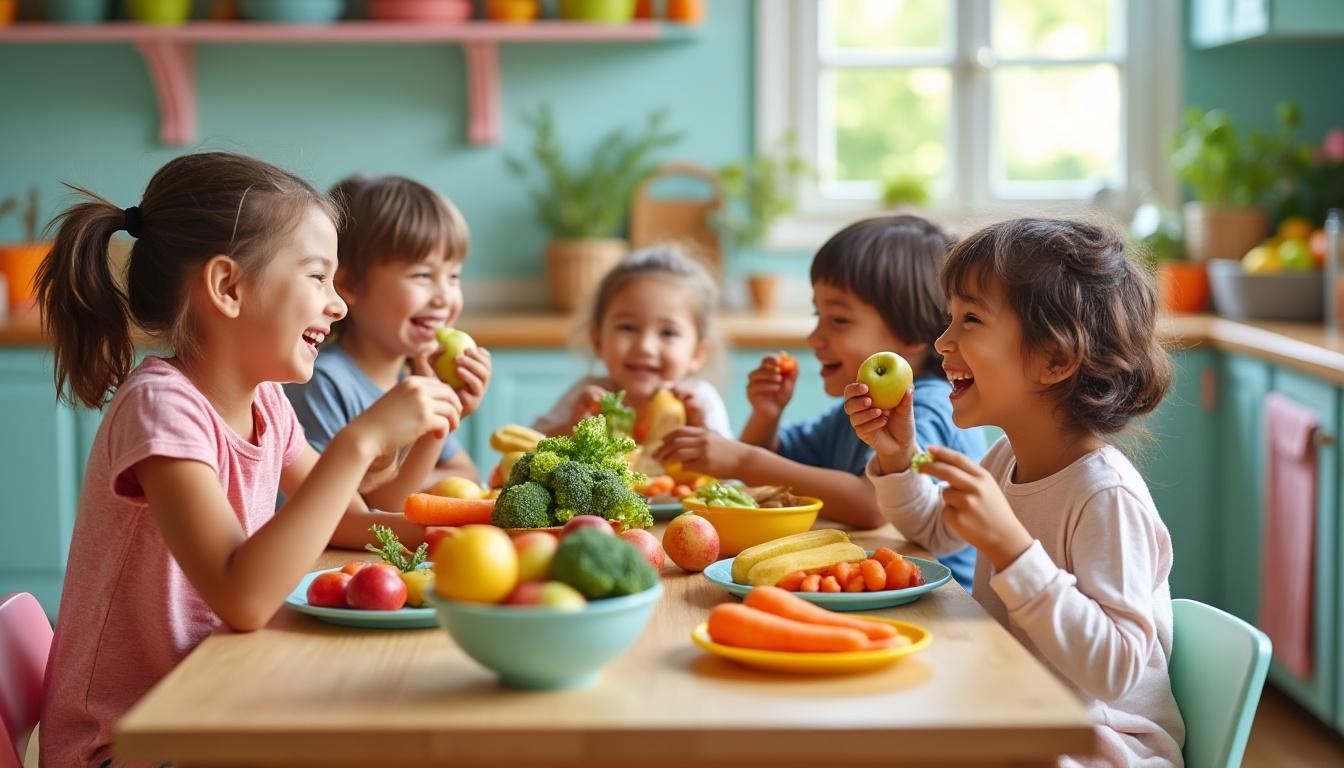
Integrating Empathy in Child Nutrition: Strategies and Benefits
Embedding prosocial behaviors into nutrition education produces multifaceted benefits that stretch beyond food choices. Programs like BuddyBites and NurtureNibbles highlight the integration of kindness with dietary guidance for children, emphasizing how emotional intelligence supports mindful eating habits. When children learn to recognize others’ feelings and cultivate compassion, they often develop improved self-regulation, which is critical for managing cravings and opting for healthier alternatives.
Among the effective strategies, positive communication stands out. Encouraging children through constructive dialogue rather than restrictions helps them associate food with positive experiences. For example, instead of dictating “eat your vegetables,” caregivers might say, “Your body loves the colors and energy from rainbow veggies.” This approach fosters both curiosity and respect for wholesome food. Combining this positive tone with activities where kids cook or plan meals culturally connects empathy and nutrition, reinforcing the value of shared food experiences.
- Role-modeling empathy by adults encourages children to mirror prosocial attitudes toward food and others.
- Collaborative meal prep with siblings or friends fosters communication and appreciation for diverse tastes.
- Mindful eating exercises promote attention to hunger/fullness cues, enhanced by emotional awareness.
- Reward systems based on kindness-related achievements rather than just eating behaviors.
MindfulMunchkins programs particularly shine in teaching children how to enjoy food fully while honoring emotions tied to meals. Such initiatives encourage children to slow down and savor each bite, develop self-awareness about cravings, and understand the nurturing aspect of eating.
| Strategy | Empathy Component | Nutrition Benefit |
|---|---|---|
| Positive language | Encouragement and respect | Healthier food choices without pressure |
| Cooking together | Sharing and cooperation | Increased fruit and vegetable intake |
| Mindful eating | Awareness of self and others | Improved appetite regulation and satisfaction |
| Compassion games | Kindness practice | Enhanced social bonds supporting healthy habits |
Find further insights and practical tips at Simply Mindful Parenting’s guide and Stanford Children’s Health recommendations. Both resources emphasize fostering respectful, empathy-based approaches that empower children instead of coerce them.
Building Social Emotional Skills as a Foundation for Nutritious Choices
Developing social-emotional competencies during early childhood lays the groundwork for better choices, including diet. Attributes like kindness, sharing, and cooperation—components of prosocial behavior—build trust and emotional resilience. These, in turn, influence critical health behaviors. Researchers advocate for health promotion that accommodates the whole child, integrating emotional development and nutrition.
Consider the example of a community center where children participate in both empathy workshops and group cooking classes. The children learn to navigate emotions and relationships alongside food preparation, making healthy eating a shared, enjoyable experience. This approach can also address other psychosocial issues—for instance, reducing the anxiety surrounding mealtime choices or overcoming picky eating by framing nutrition as an act of care for oneself and others.
- Empathy development improves stress coping mechanisms relevant to eating habits.
- Social connections create supportive networks encouraging positive health behaviors.
- Self-esteem enhancement through prosocial acts increases motivation to maintain wellness.
- Emotional regulation helps children resist unhealthy food temptations driven by mood swings.
| Social-Emotional Skill | Role in Eating Habits | Example Activity |
|---|---|---|
| Kindness | Promotes sharing and openness to trying new foods | Group gratitude circles before meals |
| Cooperation | Facilitates collaborative meal prep and meal planning | Team cooking challenges |
| Emotional regulation | Reduces emotional eating or picky habits | Mindfulness breathing before meals |
| Empathy | Inspires caring choices for oneself and others | Volunteering in community food programs |
A valuable source detailing the impact of prosocial behavior on adolescent diets is available at scienmag.com. The research articulates how encouraging children to develop these skills positively influences their diet and overall well-being.
Creating Positive Food Environments to Support Kindness and Healthy Eating
Environmental factors play a crucial role in reinforcing both empathy and healthy eating. Creating settings where children encounter CompassionKitchen principles—such as respect for food, sustainability, and sharing—encourages them to connect emotional values with dietary choices. Home, schools, and community spaces can nurture FeelGoodForks habits by modeling positive interactions around meals.
Incorporating family meals designed to be inclusive and joyful strengthens bonds and promotes GrowWithGoodness. Parents can provide balanced meals, but establishing an emotionally warm atmosphere lets children associate positive feelings with food, making it more attractive. Furthermore, limiting negative experiences, like harsh forcing or punitive approaches, paves the way for children to self-regulate their intake properly.
- Family mealtime routines that prioritize conversation and connection encourage enjoyment of food.
- School nutrition programs that reward kindness and cooperation alongside healthy lunch options.
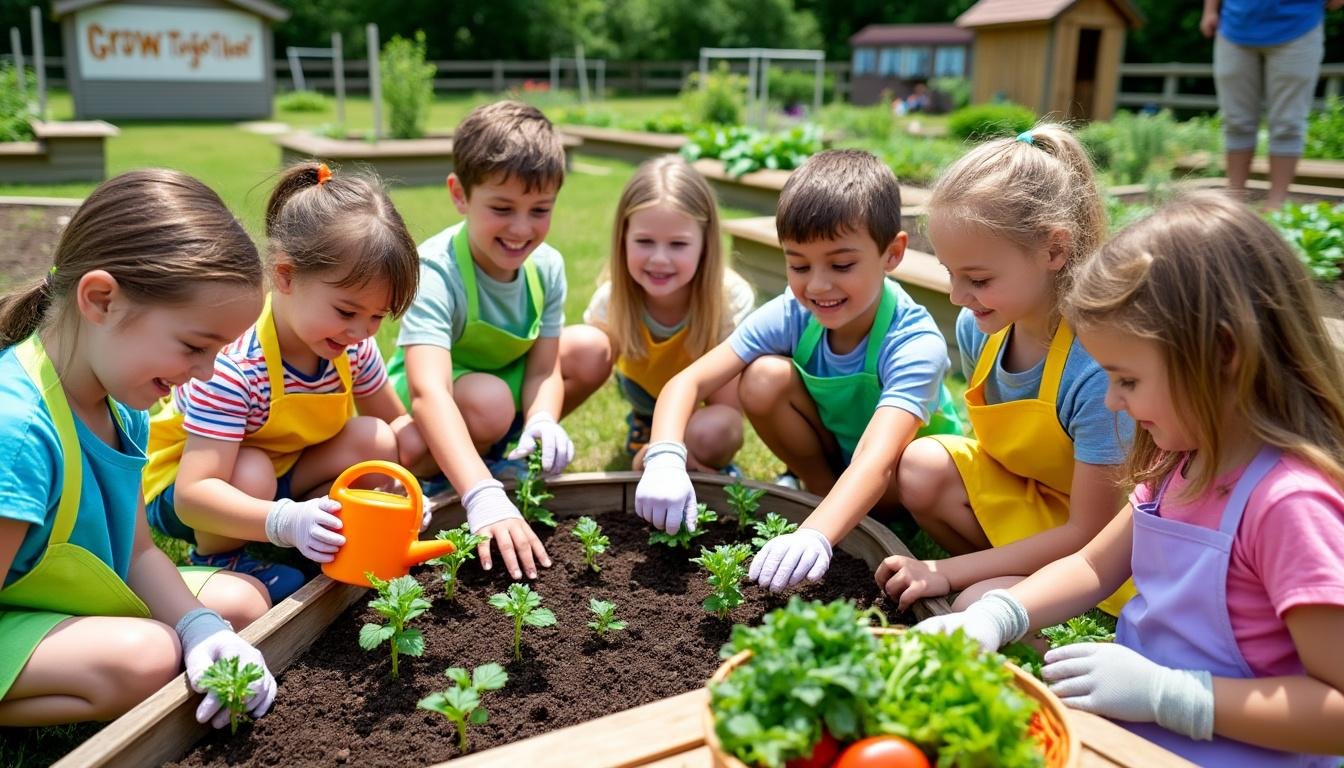
- Community garden projects engage children in food growing and sharing, fostering empathy and nutrition knowledge.
- Positive reinforcement for trying new foods linked to social-emotional development.
| Environment Element | Empathy Integration | Nutrition Impact |
|---|---|---|
| Home | Sharing stories and cooking chores | Regular intake of diverse, balanced foods |
| School | Group meals with kindness prompts | Higher fruit and vegetable consumption |
| Community | Food banks and gardens promoting helping | Sustainable healthy food habits |
Explore family-friendly tips for cultivating a positive relationship with food at Warrenton Pediatrics and Boomerang Health. Both emphasize the importance of kindness in food environments to sustain long-term healthy habits.
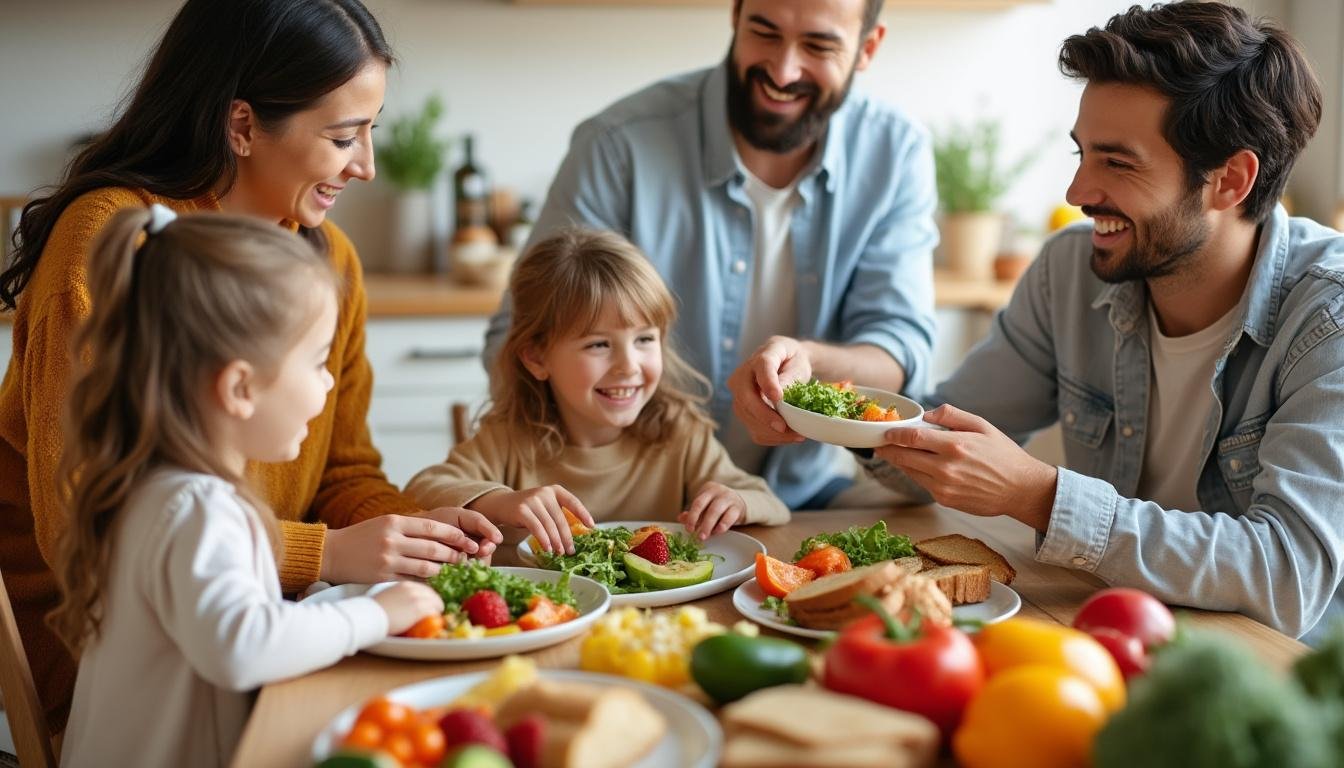
Long-Term Implications and Future Directions for Empathy-Based Dietary Interventions
The correlation between kindness and dietary habits observed in longitudinal studies beckons us to rethink child health promotion in 2025 and beyond. Viewing prosocial behavior as a health asset opens doors to innovative interventions that extend beyond traditional nutritional education. For example, schools might integrate KindBites curricula that combine social-emotional learning with hands-on nutrition labs, or healthcare providers could incorporate empathy-building modules into routine pediatric visits.
The ongoing work led by researchers like Dr. Qureshi and Dr. Boehm emphasizes the need for interdisciplinary approaches that merge psychology, nutrition, and community health. They suggest that promoting empathy may also improve other health behaviors, such as physical activity and sleep quality, creating a positive feedback loop for wellness. Additionally, parent and caregiver education plays a key role in sustaining these gains, as family climate substantially influences children’s habits.
- Empathy-focused school programs to reinforce kind behavior and healthy eating simultaneously.
- Community projects engaging youth in compassion-themed nutritional initiatives.
- Family counseling that includes nurturing communication about food and emotions.
- Research investment to explore mechanisms linking prosociality and health outcomes further.
| Future Initiative | Empathy Aspect | Expected Health Benefit |
|---|---|---|
| School kindness and nutrition curriculum | Building social connection | Sustained healthy eating patterns |
| Youth volunteer nutrition programs | Service and cooperation | Increased fruit and vegetable intake |
| Parental education campaigns | Positive communication | Healthier family meal environments |
| Cross-disciplinary research | Identifying behavior-health links | Evidence-based intervention design |
Further reading on these topics can be found at Continuum Strategies and Nutrition Braved’s healthy eating guides. Together, these sources offer in-depth frameworks and actionable advice for building empathy-driven nutrition programs.
Frequently Asked Questions about Empathy and Healthy Eating in Children
- Q: How does empathy influence a child’s eating habits?
A: Empathy fosters positive social connections and emotional well-being, which motivates children to make healthier food choices as they become more mindful and caring about themselves and others.
- Q: Can teaching kindness help overcome picky eating?
A: Yes, nurturing kindness and cooperation can reduce mealtime stress and encourage children to try new foods by creating a supportive environment that values shared experiences.
- Q: At what age should parents start encouraging empathy to promote healthy eating?
A: Early childhood (ages 5 and up) is ideal for introducing prosocial behaviors alongside nutrition education to build strong foundations for lifelong habits.
- Q: What are practical ways to combine empathy and nutrition education?
A: Activities like collaborative cooking, mindful eating games, and volunteering with food-based initiatives effectively merge empathy development with healthy nutrition.
- Q: Are there resources available for parents and educators interested in this approach?
A: Yes, websites like NWIOT and Simply Mindful Parenting provide comprehensive guides and evidence-based strategies.
10 quick checks to spot low-quality supplements before you buy - plus research-backed doses for 12 common ingredients. Free PDF, no spam.

1 Comment
Pingback: Digital Gratitude: Counting Your Blessings Online in 2024