
Close Menu
    Follow us on Google News
    Follow Livewell Magazine on Google News
    Facebook X (Twitter) Instagram
    LiveWell Magazine
    Facebook
    Follow LiveWell Magazine on Google News
    • Cancer

      The “Silent Killer”: 2 Hidden Signs of Pancreatic Cancer You Can Spot Years in Advance

      April 20, 2026

      Barry Manilow Opens Up About Embracing Healthier Lifestyle Choices During His Cancer Battle

      April 8, 2026

      Healthy Dad’s Unexpected Cancer Diagnosis Revealed After Ignoring Nighttime Bathroom Trips: ‘A Heartbreaking Surprise’

      February 22, 2026

      BREAKING NEWS: Gene therapy for sickle cell disease: a medical breakthrough still out of reach for many

      December 29, 2025

      How Your Drinking Habits Could Significantly Increase Your Cancer Risk

      December 28, 2025
    • Fitness

      At 100, the ‘First Lady of Fitness’ Shares Her Daily Workout Secrets and One Must-Have Food

      April 15, 2026

      How can weighted planks help you elevate your strength and master your core?

      April 14, 2026

      A 65-Year-Old Fitness Trainer’s Guide to Stocking Up on Healthy Foods at Costco

      April 10, 2026

      How many calories do you actually burn by running one mile?

      April 9, 2026

      Biochemist Reveals the Powerful 10-Minute Workout That Keeps the Mind Razor-Sharp All Day

      March 23, 2026
    • Health

      How can better patient-doctor communication help you stay on track with your medication?

      April 8, 2026

      What can an infectious disease doctor’s experiences in Kazakhstan and America teach us about global health?

      April 3, 2026

      Federal Judge Hits Pause on HHS Secretary Kennedy’s Vaccine Policy Overhaul

      March 18, 2026

      Medicare Advantage Shifts: Payments to Plans Increase as Enrollment Hits a New Record

      March 18, 2026

      The battle over “$0 premium” plans: What’s at stake for your healthcare?

      February 19, 2026
    • Lifestyle

      How can transformative approaches to home life enhance your overall well-being?

      April 17, 2026

      Solo Cooking Simplified: 8 Easy Habits to Eat Healthy When Cooking for One

      April 15, 2026

      Psychology-Backed Habits to Revolutionize Your Money Mindset

      April 11, 2026

      The ‘Healthy’ Habit That Could Be Holding You Back, Reveals New Research

      April 10, 2026

      How can finding the best flight deals reduce your travel stress and improve your well-being?

      April 9, 2026
    • Nutrition

      What are the surprising effects of eggnog on your blood sugar levels?

      April 16, 2026

      How can effective nutrition help you achieve a faster dental recovery?

      April 15, 2026

      Could eating microbial food reduce your risk of kidney disease?

      April 13, 2026

      What are the most effective nutrition strategies for healthy aging?

      April 10, 2026

      Which 7 vitamin C-packed fruits should you try to boost your immunity?

      April 10, 2026
    • Senior

      Nurturing Your Gut After 50: 7 Essential Habits for Lasting Digestive Wellness

      April 3, 2026

      Nourishing Your Golden Years: 10 Essential Nutrition Habits to Promote Healthy Aging and Maintain Independence After 60

      March 27, 2026

      Wound Care Revolution: How a New Medicare Payment System Aims to Cut Waste in Senior Care

      March 19, 2026

      The $2,000 Cap is Here: How the New Annual Out-of-Pocket Drug Limit Saves Seniors Thousands

      March 17, 2026

      Why Conventional Health Tips Might Shift After Turning 50

      March 15, 2026
    • Trends

      How could the 7 surprising travel trends of 2026 disrupt your wellness plans and how can you navigate them?

      April 15, 2026

      Which innovative skincare trends will shape the industry in 2026 according to Uliana-Sofiia Savchenko?

      April 6, 2026

      Transparency at HHS: How the New “Radical Transparency” Initiative Aims to Expose Big Pharma Conflicts

      March 13, 2026

      How Wearable Technology Could Spark a Revolution in Healthier Living

      February 5, 2026

      Early cholesterol treatment in kids may prevent heart disease for life

      January 28, 2026
    • Wellness

      Where can you find the ultimate wellness retreat in Mexico for tranquil explorers?

      April 14, 2026

      Lincoln YMCA to Celebrate Healthy Kids Day on April 11 with Free Event Promoting Summer Wellness

      April 12, 2026

      The 20-Minute Routine That Could Unlock a Healthier Heart and a Sharper Mind

      April 8, 2026

      How can celebrating Día de los Muertos at a Mexican-owned resort enhance your cultural wellness?

      April 6, 2026

      Is the rising cost of a Hawaii vacation becoming a barrier to your travel wellness?

      April 2, 2026
    Subscribe
    LiveWell Magazine
    Home»Cancer»Drug repurposing saves time and lives: diabetes medication now used in rare cancer
    Cancer

    Drug repurposing saves time and lives: diabetes medication now used in rare cancer

    Frank JostBy Frank JostNo Comments
    Facebook Twitter Email WhatsApp Pinterest LinkedIn Reddit Telegram Threads
    Share
    Facebook Twitter LinkedIn Email Reddit Telegram WhatsApp Threads

    In the race to find faster, more effective treatments for cancer, researchers have begun looking in unexpected places—like the pharmacy shelves where old drugs sit, long approved for other uses. This strategy, known as drug repurposing, is transforming how we approach cancer care. And in some cases, it’s doing more than saving time—it’s saving lives.

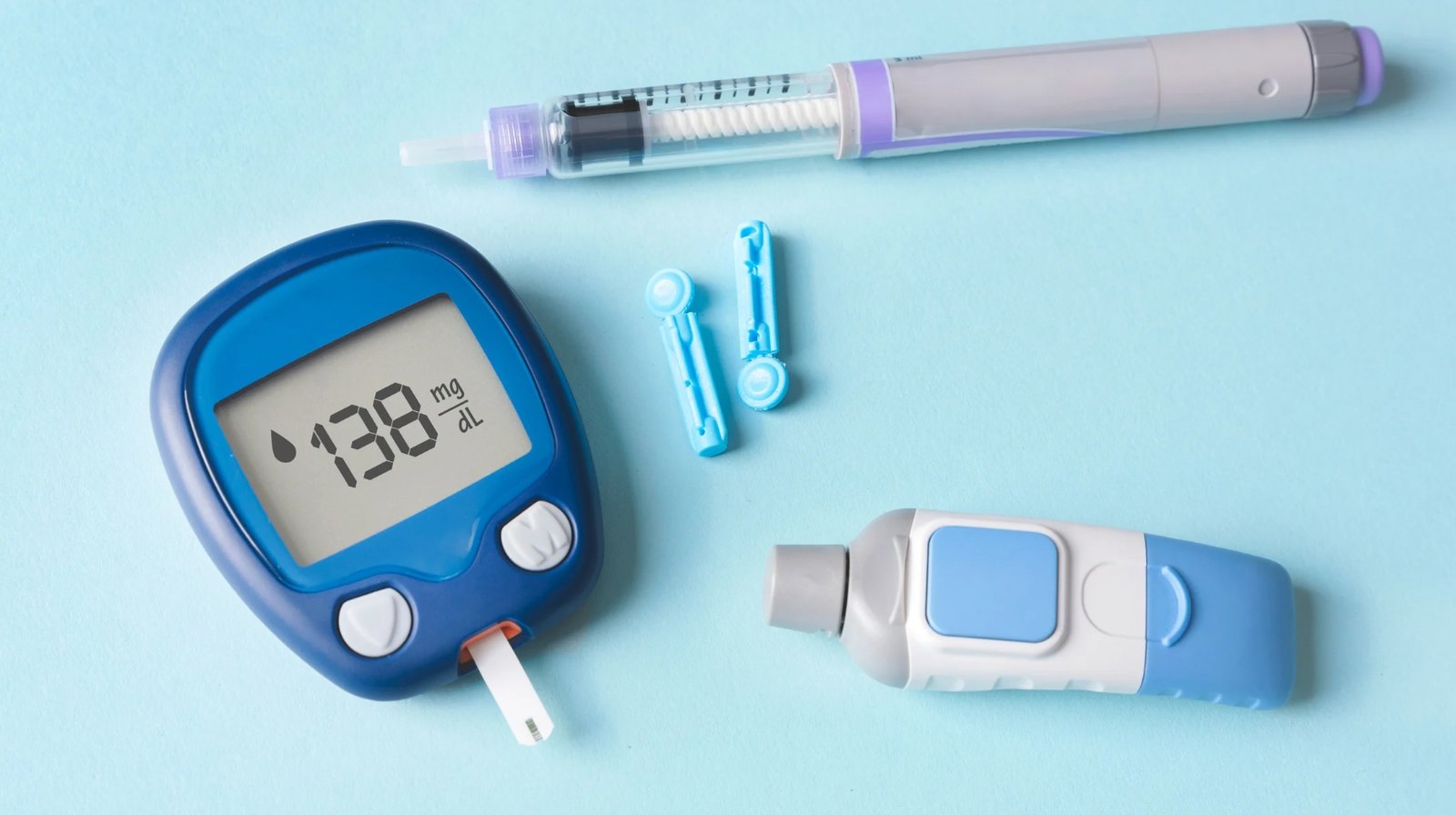
    One of the most promising examples? A common diabetes medication is now being studied and used to treat certain rare forms of cancer. This surprising pivot illustrates the power of medical innovation and the urgent need for new solutions in oncology.

    What is drug repurposing?

    Drug repurposing involves taking an existing medication—already approved for one condition—and using it to treat another. This method has gained momentum in recent years because it significantly shortens the timeline for bringing therapies to patients. These drugs already have known safety profiles, dosing guidelines, and manufacturing protocols, which means fewer hurdles for regulatory approval.

    Instead of starting from scratch, researchers build on what is already known, using new data and clinical trials to explore different therapeutic potentials. In cancer treatment, where time is critical, this approach has become a valuable tool.

    The diabetes drug making waves in oncology
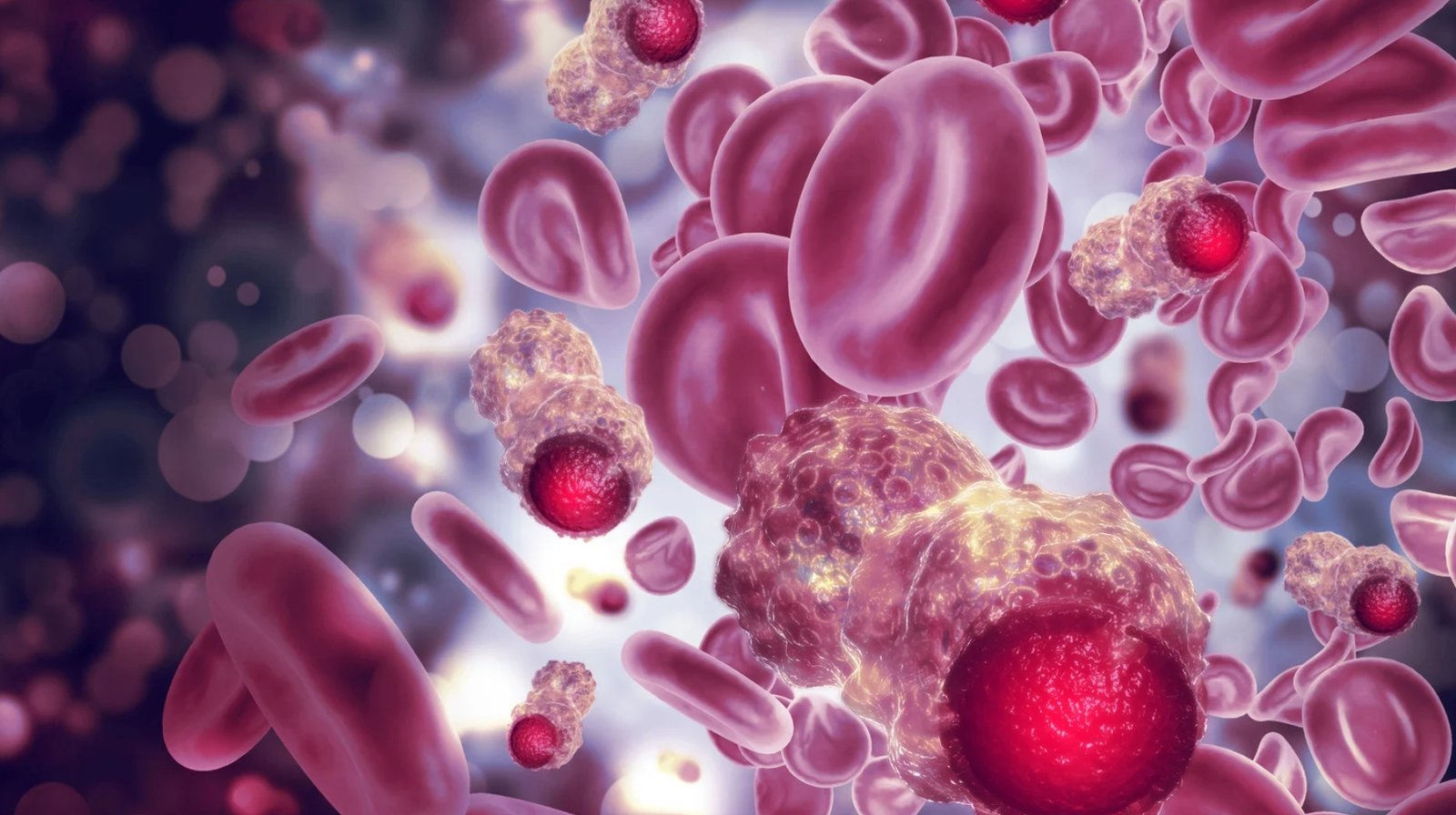
    One of the best-known examples of repurposing is the use of metformin, a drug traditionally prescribed to manage type 2 diabetes. Metformin works by lowering blood sugar and improving insulin sensitivity, but researchers noticed something unusual: patients on metformin seemed to have lower rates of cancer incidence and mortality.

    This observation led to a growing body of research. Now, metformin is being explored for its potential in treating rare cancers such as neuroendocrine tumors, ovarian cancer, and even glioblastoma. Its ability to alter metabolic pathways and inhibit certain cancer cell growth patterns has opened the door to targeted studies and early-phase clinical trials.

    Related Article :  Why cancer is making a huge comeback (and what it means for your health)

    How the transition happens: from diabetes to cancer

    The journey from diabetes drug to cancer therapy doesn’t happen overnight. It begins with observations in large population studies, often followed by laboratory research to understand the mechanisms involved. If results are promising, early-phase clinical trials are initiated to test safety and efficacy in the new context.

    These trials may start with patients who have exhausted other treatment options, especially in the case of rare or treatment-resistant cancers. Metformin’s long-standing safety record makes it a compelling candidate for such off-label use, with a growing number of oncologists incorporating it as part of experimental or adjunctive therapies.

    The medical benefits of repurposed drugs

    For patients and providers, repurposed drugs offer several key advantages:

    • Faster development timelines: Skipping early safety testing means patients can access treatments sooner. • Lower costs: These medications are often available as generics, making them affordable. • Better safety data: With years or even decades of use in other conditions, doctors have confidence in managing side effects.

    In cancer care, where new drugs can take 10–15 years and billions of dollars to reach the market, repurposing offers a more agile solution. It’s not just smart science—it’s compassionate care.

    Cautions and ethical considerations

    As a doctor and oncologist, I always urge caution alongside enthusiasm. Not every promising lab result translates into real-world success. Repurposed drugs must still undergo rigorous trials to confirm their value in a new context. Using them prematurely or without clinical oversight can create false hope, delays in proven treatments, or unintended harm.

    Ethically, it’s essential to communicate clearly with patients: repurposed medications are not miracle cures, but they can be powerful tools when used as part of a thoughtful, evidence-based treatment plan.

    Related Article :  Transparency at HHS: How the New "Radical Transparency" Initiative Aims to Expose Big Pharma Conflicts

    What this means for the future of cancer care

    Metformin is not the only repurposed drug in the oncology spotlight. Others—like aspirin, statins, and anti-inflammatory medications—are also being studied for cancer prevention and treatment. This signals a broader shift toward precision medicine, where we look at the biology of disease, not just the label on the bottle.

    By rethinking how we use familiar medications, we unlock new pathways for treatment—especially for patients facing rare, aggressive, or underfunded cancers. The repurposing strategy brings hope to families, accelerates innovation, and reminds us that progress doesn’t always require reinventing the wheel.

    In a world where cancer treatments often come with high costs, long waits, and uncertain outcomes, drug repurposing is a rare bright spot. It leverages the science we already trust to find new answers for the diseases we fear most.

    And in the case of a diabetes medication now helping to fight rare cancers, it proves that sometimes, the medicine we need is already within reach—we just need to see it differently.

    Follow on Google News
    Share. Facebook Twitter LinkedIn Email WhatsApp Reddit Telegram Threads Copy Link
    Previous ArticleA blood test for early detection? Biotech startups rush to bring it to market
    Next Article The surprising link between sustainable living and happiness
    Avatar photo
    Frank Jost

    Frank is a seasoned media consultant for LiveWell Magazine, with over two decades of experience in the digital media landscape. His expertise spans online publishing, audience engagement strategies, and health communication. A recognized expert in mutual health insurance, Frank brings a unique perspective that bridges the gap between public health awareness and digital storytelling. He is passionate about making reliable health information accessible to all, and continues to help readers navigate the complexities of wellness and insurance in the digital age. https://www.linkedin.com/in/frank-jost-2097104/

    Continue reading

    The “Silent Killer”: 2 Hidden Signs of Pancreatic Cancer You Can Spot Years in Advance

    By FRANK JOST

    How could the 7 surprising travel trends of 2026 disrupt your wellness plans and how can you navigate them?

    By Amelie Goujon

    Barry Manilow Opens Up About Embracing Healthier Lifestyle Choices During His Cancer Battle

    By FRANK JOST

    Which innovative skincare trends will shape the industry in 2026 according to Uliana-Sofiia Savchenko?

    By Amelie Goujon

    Transparency at HHS: How the New “Radical Transparency” Initiative Aims to Expose Big Pharma Conflicts

    By Frank Jost

    Healthy Dad’s Unexpected Cancer Diagnosis Revealed After Ignoring Nighttime Bathroom Trips: ‘A Heartbreaking Surprise’

    By FRANK JOST

    How Wearable Technology Could Spark a Revolution in Healthier Living

    By FRANK JOST

    Early cholesterol treatment in kids may prevent heart disease for life

    By FRANK JOST

    Wearable health devices: the future of personalized medicine?

    By Amelie Goujon

    AI in healthcare: ethical considerations and promising applications

    By Amelie Goujon

    Plant-based diets: the health trend taking the nation by storm

    By Amelie Goujon

    When vaccine recommendations change: what it means for hepatitis A, flu, meningitis & rotavirus

    By FRANK JOST
    Add A Comment
    Leave A Reply Cancel Reply

    Subscribe to Our Newsletter

    Join the Live Well Magazine Newsletter and get exclusive tips on health, wellness, lifestyle, and personal growth — straight to your inbox.

    Trending
    Seasonal Health

    Should you choose dumbbells, kettlebells, or barbels for optimal strength training?

    Health & Safety

    What are the essential tips for selecting the best health insurance plan in the USA?

    Health & Safety

    Does the timing of your coffee consumption affect heart disease risk and longevity?

    Cancer

    The “Silent Killer”: 2 Hidden Signs of Pancreatic Cancer You Can Spot Years in Advance

    Diet & Weight Loss

    Which 7 delicious cheeses can support your belly fat loss journey?

    Lifestyle & Habits

    How can transformative approaches to home life enhance your overall well-being?

    Facebook
    • About us
    • Contact us
    • Contributors
    • Legal
    • Privacy
    © 2026 livewellmagazine.org.

    Type above and press Enter to search. Press Esc to cancel.