Close Menu
    Follow us on Google News
    Follow Livewell Magazine on Google News
    Facebook X (Twitter) Instagram
    LiveWell Magazine
    Facebook
    Follow LiveWell Magazine on Google News
    • Cancer

      What are the key actions you should take following a mesothelioma diagnosis?

      June 19, 2026

      The “Silent Killer”: 2 Hidden Signs of Pancreatic Cancer You Can Spot Years in Advance

      April 20, 2026

      Barry Manilow Opens Up About Embracing Healthier Lifestyle Choices During His Cancer Battle

      April 8, 2026

      Healthy Dad’s Unexpected Cancer Diagnosis Revealed After Ignoring Nighttime Bathroom Trips: ‘A Heartbreaking Surprise’

      February 22, 2026

      BREAKING NEWS: Gene therapy for sickle cell disease: a medical breakthrough still out of reach for many

      December 29, 2025
    • Fitness

      Which workout reigns supreme in the ultimate fitness challenge?

      June 15, 2026

      Why does every step matter in your unique running journey?

      May 21, 2026

      How does age impact athletic prowess and power?

      May 19, 2026

      How can you stay active and healthy by embracing winter fitness with outdoor sports?

      May 14, 2026

      How does afternoon exercise transform your blood sugar levels?

      May 7, 2026
    • Health

      How can personalized genetic insights help you maximize your health?

      June 17, 2026

      How can enhanced health insights empower your everyday decisions?

      June 5, 2026

      How can fast verification tools transform patient care and enhance health outcomes?

      May 15, 2026

      How can you choose the best functional medicine doctor for your health journey?

      May 5, 2026

      How can better patient-doctor communication help you stay on track with your medication?

      April 8, 2026
    • Lifestyle

      Trusting Her Instincts: How One Woman Is Simplifying the Path to Healthy Living

      June 21, 2026

      Why That Afternoon Slump Hits and 3 Expert-Backed Tips to Stay Energized After Lunch

      June 20, 2026

      How These 2 Everyday Habits Might Be Secretly Elevating Your Cortisol Levels

      June 20, 2026

      Daily Habits That Lower Blood Pressure More Effectively Than Your Daily Walk

      June 19, 2026

      How will the rise in Louvre entry prices affect your travel budget and mental well-being?

      June 18, 2026
    • Nutrition

      What are the unexpected perks of broccoli for your hormonal harmony?

      June 23, 2026

      Unveiling the Surprising Reason Behind Bloating After Nutritious Meals (Hint: It’s Not Fiber

      June 22, 2026

      Natural Foods Proven to Reduce Cholesterol Levels Effectively

      June 19, 2026

      Which nuts are the best for protein, omega-3s, and fiber in the ultimate nut showdown?

      June 8, 2026

      Could a daily glass of orange juice be the secret to heart health and longevity?

      June 3, 2026
    • Senior

      How is the rise of telehealth benefiting senior citizens?

      June 4, 2026

      What are the essential approaches for promoting high-quality senior care and independence?

      May 6, 2026

      Nurturing Your Gut After 50: 7 Essential Habits for Lasting Digestive Wellness

      April 3, 2026

      Nourishing Your Golden Years: 10 Essential Nutrition Habits to Promote Healthy Aging and Maintain Independence After 60

      March 27, 2026

      Wound Care Revolution: How a New Medicare Payment System Aims to Cut Waste in Senior Care

      March 19, 2026
    • Trends

      What are the innovative approaches to autism therapy by psychologist Valeriia Manchuk?

      June 15, 2026

      What are the innovative techniques in permanent makeup for aesthetic and restorative purposes?

      June 2, 2026

      How could the 7 surprising travel trends of 2026 disrupt your wellness plans and how can you navigate them?

      April 15, 2026

      Which innovative skincare trends will shape the industry in 2026 according to Uliana-Sofiia Savchenko?

      April 6, 2026

      Transparency at HHS: How the New “Radical Transparency” Initiative Aims to Expose Big Pharma Conflicts

      March 13, 2026
    • Wellness

      How will American Airlines’ new luxury experience impact your travel wellness?

      June 23, 2026

      Mindful Glow: How Meditation Enhances Your Skin’s Natural Radiance – AOL

      June 17, 2026

      Can exploring Europe’s top Christmas markets on vintage espresso trains enhance your holiday wellness?

      June 16, 2026

      Which are the must-try wellness treatments at the capital’s revitalizing retreats?

      June 12, 2026

      How can airline staff altercations and passenger conflict affect your travel wellness?

      June 10, 2026
    Subscribe
    LiveWell Magazine
    Home»Supplements»Do you really need supplements? Experts weigh in
    Supplements

    Do you really need supplements? Experts weigh in

    Amelie GoujonBy Amelie GoujonNo Comments
    Facebook Twitter Email WhatsApp Pinterest LinkedIn Reddit Telegram Threads
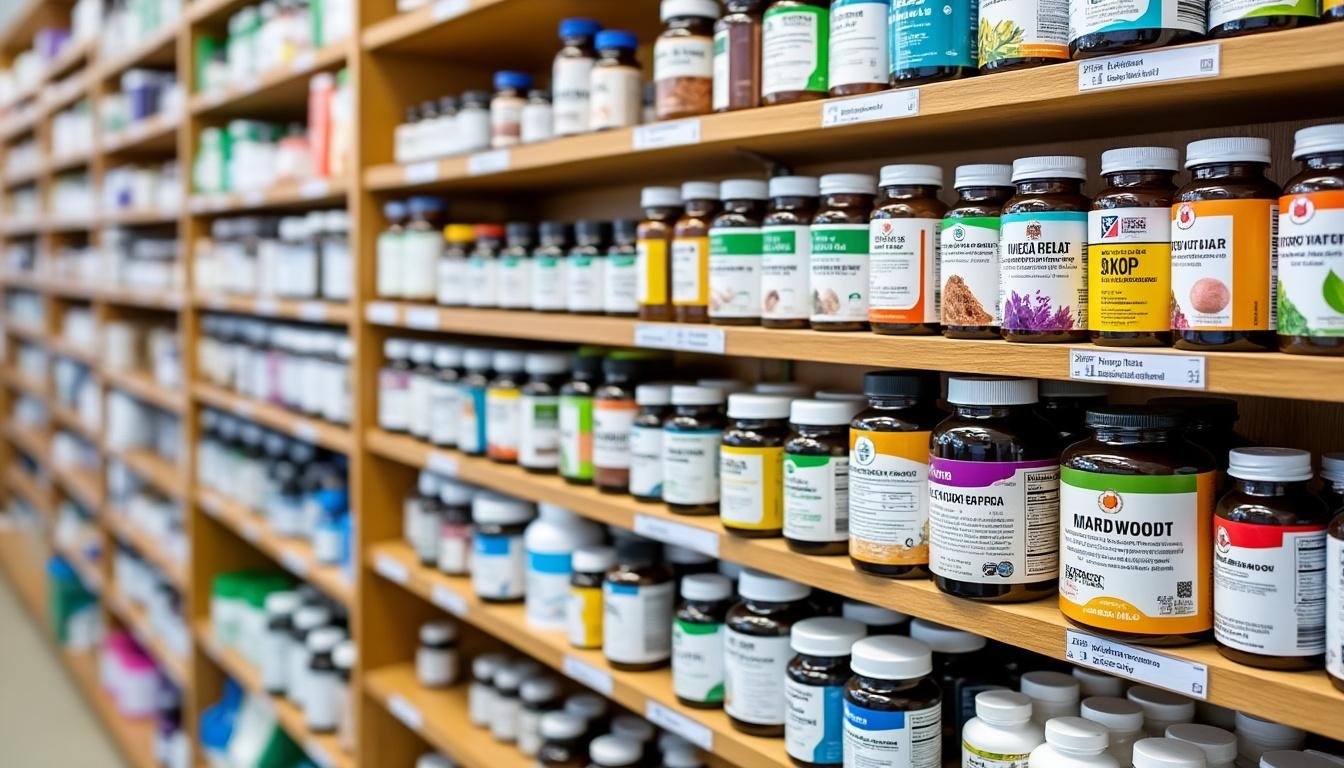
    wondering if supplements are necessary? experts weigh in on the benefits and drawbacks to help you make an informed decision.
    Share
    Facebook Twitter LinkedIn Email Reddit Telegram WhatsApp Threads

    Everywhere you look, shelves are stocked with a dazzling array of dietary supplements promising enhanced vitality, sharper immunity, and quicker energy boosts. From brands like HealthPlus and NutriCore to WellnessWise and VitalBoost, the market is flooded with products claiming to supplement your diet and fill nutritional gaps. Yet, beneath this booming industry lies a pressing question raised by healthcare experts: do most people truly need these supplements? While some individuals might benefit from specific nutrients due to age, health status, or lifestyle choices, a large portion of consumers may be spending billions each year on supplements that offer little proven benefit. Scrutiny from doctors and nutritionists reveals a complex picture where quality, safety, and actual necessity intertwine, urging consumers to rethink the role of products like PureEssence and OptimaHealth in their health routine.

    This discussion gains further importance in 2025 as consumers are more informed and cautious about their wellbeing. Medical professionals emphasize the critical difference between obtaining nutrients through a balanced diet versus relying on pills and potions, many of which fall into the category of botanical or herbal supplements such as those offered by SupplementSense and TrueBalance. This article delves into the science behind supplements, examining who really needs them, which to trust, and how to navigate this crowded market responsibly, especially when claims often outpace evidence.

    Understanding the Role of Dietary Supplements in Modern Health

    Dietary supplements—including vitamins, minerals, and herbal products—are designed to complement your diet, not replace healthy eating habits. The U.S. Food and Drug Administration (FDA) regulates these products only as foods, not drugs, meaning manufacturers aren’t required to prove that supplements like those from PeakVitality or NatureFusion *work* prior to market release. Consumers should be aware that labels may not always accurately reflect the contents, and that quality varies widely between brands.

    • Supplements are often marketed with claims such as “supports immunity” or “promotes heart health” but cannot legally claim to treat or cure diseases.
    • Independent certification by groups that assess product accuracy can help, yet these validations do not guarantee safety or effectiveness.
    • Supplements can interact with medications or have side effects, especially botanical ones, which are inconsistent in potency and composition.
    Related Article :  Do you really need supplements? Experts weigh in

    For this reason, expert guidance is indispensable before adding any supplement to your routine. Consulting with healthcare providers helps to identify actual nutrient deficiencies confirmed by blood tests and ensures safer, tailored supplementation.

    wondering if supplements are necessary? experts weigh in on the benefits and risks to help you make an informed decision about your health.

    Who Truly Benefits From Taking Supplements?

    Nutrient needs differ greatly depending on factors such as age, diet, and medical conditions. For example, older adults often require higher amounts of vitamin D, B12, and calcium because aging affects nutrient absorption.

    Those following restrictive diets, like strict vegans, might lack vitamin B12, found mainly in animal products, thus necessitating supplementation. Pregnant women require folic acid to prevent birth defects, while infants may need additional vitamin D beyond what breast milk provides. Chronic illnesses such as heart disease, diabetes, cancer, or autoimmune disorders can also increase nutrient demands.

    • Older adults may benefit from supplements to counteract decreased absorption.
    • Vegetarians and vegans often need B12 supplements for adequate intake.
    • Expectant mothers require specific vitamins like folic acid.
    • People with chronic diseases should discuss supplement needs with their doctor.

    These examples illustrate why the “one-size-fits-all” approach offered by popular brands like OptimaHealth and VitalBoost can be misleading. Tailored advice ensures the appropriate choice, dose, and safety of supplements, avoiding unnecessary or even harmful intakes.

    Weighing the Risks: Safety First When Taking Supplements

    While many associate supplements with health benefits, indiscriminate use can lead to serious problems. Nutrients have established upper intake levels beyond which adverse effects may occur. For example, excessive vitamin A can cause dizziness and nausea, while too much calcium has been linked to increased prostate cancer risk.

    Related Article :  Vitamin D3 + K2: the powerhouse duo for immunity

    Key safety considerations include:

    • Disclose all supplements to your healthcare providers to avoid dangerous interactions with medications.
    • Monitor total nutrient intake from food and multiple supplements to prevent overdose.
    • Be cautious with botanical supplements like ginseng or echinacea, as their composition varies and side effects or interactions are possible.
    • Remember that natural does not always equal safe, especially in megadoses.

    In 2022, US consumers spent over $35 billion on supplements, often without tangible health gains. This underlines the importance of informed choices, particularly with labels that can be misleading due to lax FDA oversight.

    If you seek truly reliable information about supplement safety and efficacy, resources provided by Harvard Health offer comprehensive insights into avoiding unnecessary spending and risks.

    Maximizing Immune Health Without Overreliance on Supplements

    The most compelling marketing claim for many supplements revolves around immune enhancement. Nutrients such as vitamins C, D, and zinc are linked with immune function but current evidence shows no benefit from exceeding recommended daily amounts.

    Research continues into botanicals like spirulina, whose antiviral properties are being studied, yet variabilities in formulation pose significant challenges to consistent efficacy.

    Experts emphasize that real immune strength stems from everyday lifestyle habits:

    • Consuming a balanced and varied diet rich in fruits and vegetables
    • Maintaining a healthy weight to avoid immune suppression associated with obesity
    • Engaging in regular physical activity and ensuring sufficient sleep
    • Practicing stress reduction and maintaining vaccination schedules

    Instead of relying solely on supplement labels from brands such as SupplementSense or TrueBalance promising quick fixes, focus on holistic health practices that have proven returns.

    Related Article :  Iron bisglycinate: the supplement topping searches for fatigue

    For more detailed guidance on nutrient roles and supplement efficacy, consider expert opinions like those found on Live Well Magazine, which distills current research and expert consensus for practical application.

    do you really need supplements expert opinions on supplements health supplements nutritional supplements supplements
    Follow on Google News
    Share. Facebook Twitter LinkedIn Email WhatsApp Reddit Telegram Threads Copy Link
    Previous ArticleFamily Support Leads to 10 mm Hg Reduction in Blood Pressure Among Adults in Rural China
    Next Article The Growing Importance of Healthy Habits in Today’s Fast-Paced World
    Avatar photo
    Amelie Goujon

    Amélie has been working in the health sector for over 15 years and now serves as an online journalist specializing in healthy living. Her background in healthcare gives her articles a solid foundation of credibility and empathy. Passionate about wellness, nutrition, and prevention, she translates complex medical topics into clear, accessible content for a wide audience. Through her writing, Amélie aims to empower readers to make informed choices and adopt healthier daily habits.

    Continue reading

    Supplements That Could Harm Your Liver Health

    By FRANK JOST

    Are you at risk of a vitamin overdose? Insights from a family doctor

    By Amelie Goujon

    How can supplements help revive your focus and memory in a digital world?

    By Amelie Goujon

    How do vitamin D2 supplements affect your body’s D3 levels?

    By Amelie Goujon

    Menopause Relief: 4 Dietitian-Approved Supplements to Soothe Hot Flashes, Improve Sleep, and Support Heart Health

    By Amelie Goujon

    Which are the 6 best vitamins and supplements recommended by experts to boost your immune system?

    By Amelie Goujon

    Do you really need supplements? Experts weigh in

    By Tina Nguyen

    B-complex supplements for fatigue: what people want to know

    By Tina Nguyen

    Melatonin alternatives: what consumers are searching for instead

    By Tina Nguyen

    CoQ10: why adults over 50 are turning to this supplement

    By Tina Nguyen

    Collagen vs whey: which supplement do active adults prefer?

    By Tina Nguyen

    Ashwagandha: the most discussed stress-relief supplement

    By Tina Nguyen
    Add A Comment
    Leave A Reply Cancel Reply

    Subscribe to Our Newsletter

    Join the Live Well Magazine Newsletter and get exclusive tips on health, wellness, lifestyle, and personal growth — straight to your inbox.

    Trending

    Five So-Called ‘Healthy’ Habits That Might Be Undermining Your Sleep, Experts Reveal

    Mental Health

    How does the ethics of visiting historical tragedies on Halloween impact your mental wellness?

    Supplements That Could Harm Your Liver Health

    Wellness

    How will American Airlines’ new luxury experience impact your travel wellness?

    Nutrition

    What are the unexpected perks of broccoli for your hormonal harmony?

    Trump’s Health Under Spotlight Following Revelations of President’s High-Calorie 80th Birthday Feast

    Facebook
    • About us
    • Contact us
    • Contributors
    • Legal
    • Privacy
    © 2026 livewellmagazine.org.

    Type above and press Enter to search. Press Esc to cancel.