

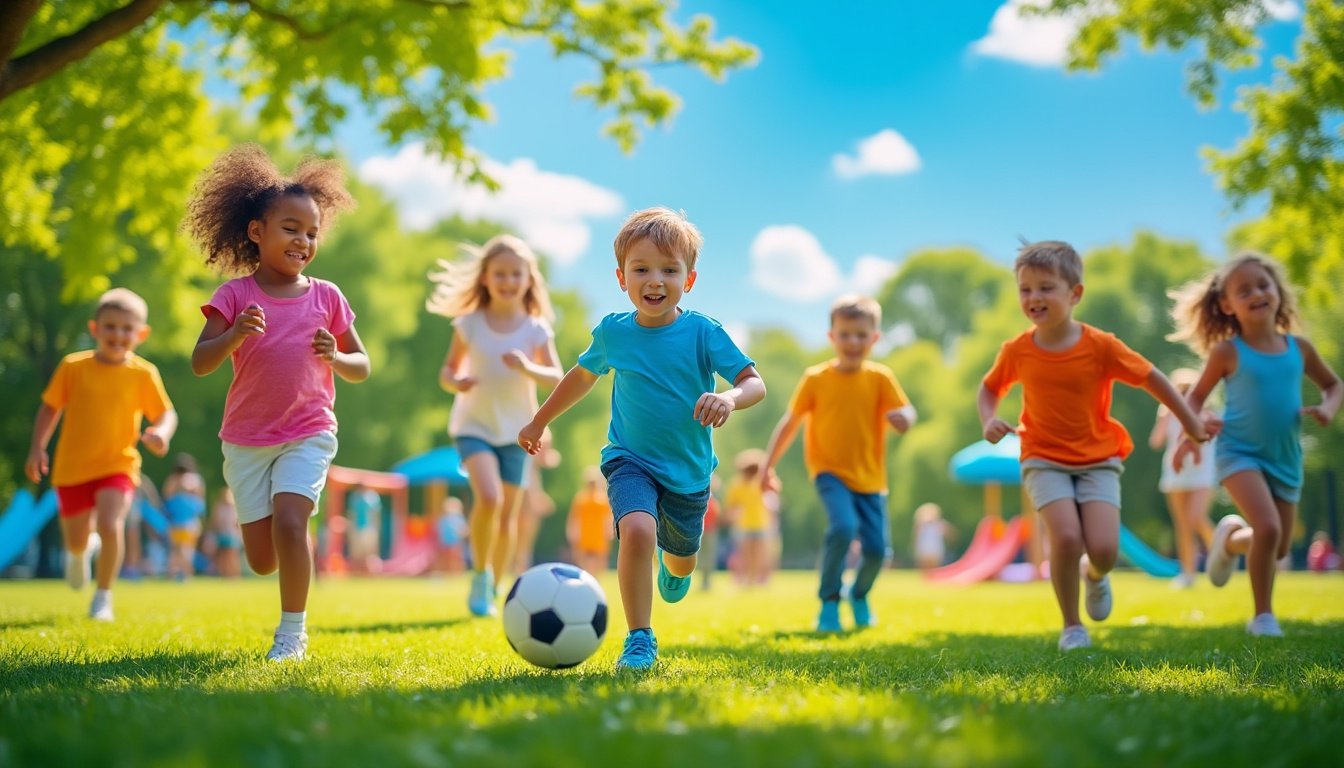
Emerging from a detailed investigation conducted at the University of Georgia, recent research sheds light on how exercise routines formed during childhood can set the foundation for lifelong health. This study highlights a crucial connection: physical activity habits established as early as age 11 may have profound effects on strength, cardiovascular fitness, and overall wellness well into adulthood. As the world increasingly recognizes the importance of early health intervention, these findings resonate with parents, educators, and policymakers eager to promote lifelong fitness. With brands such as Nike Kids, Adidas Junior, and Reebok Youth offering dynamic athletic wear and tools designed for younger demographics, facilitating active lifestyles among children is more achievable than ever. Beyond outfitting, programs like JumpBunch and GoNoodle foster engaging ways to encourage movement in fun, socially supportive environments. Dive into how childhood exercise routines directly influence long-term health outcomes, the role of family and community in nurturing these habits, and practical strategies to embed activity into young lives for a future of wellness.
How Early Exercise Shapes Adult Strength and Cardiovascular Fitness
Understanding the link between childhood physical activity and adult health requires delving into the biological and behavioral changes initiated by early movement habits. The University of Georgia study reveals that children engaging in regular exercise not only build immediate strength and cardiovascular endurance but also create neural and muscular adaptations that persist. These adaptations increase the likelihood of maintaining an active lifestyle as adults, which is crucial for preventing chronic diseases like obesity, diabetes, and heart conditions.
For instance, a child who participates in strength-building activities or cardiovascular exercises regularly develops muscle memory and a familiarity with physical effort. These experiences reduce barriers and anxieties associated with exercise during adolescence and adulthood. Brands like Under Armour Kids and Puma Kids have capitalized on this, ensuring clothing and gear encourage and support physical activity by focusing on comfort and flexibility.
Studies show that the consistency of movement during childhood enhances lung capacity and cardiac efficiency, which have ripple effects throughout adult life. Physical educators and parents can leverage this information, opting for routines that integrate a mixture of aerobic activities, strength training, and flexibility movements for their children. For example, recreational sports, cycling on Strider Bikes, or participating in Little Gym sessions provide varied stimuli for developing these physical attributes.
10 quick checks to spot low-quality supplements before you buy - plus research-backed doses for 12 common ingredients. Free PDF, no spam.
Beyond the physiological benefits, the psychological development tied to exercise is robust. Early positive experiences with exercise foster greater self-esteem, cognitive function, and emotional regulation, further promoting a lifelong commitment to healthy living. This connection is significant given that childhood activity also impacts school performance and social skills, areas often enhanced through participation in organized sport and physical education.
- Muscular and cardiovascular adaptations initiated through childhood exercise enhance adult fitness levels.
- Engagement in diverse childhood activities like JumpBunch and Strider Bikes ensures balanced physical development.
- Psychological benefits of early activity include improved self-esteem and cognitive function linked to adult wellness.
- Specialized gear from brands like Adidas Junior and Reebok Youth supports ongoing participation by ensuring comfort and motivation.
Equipping children with the tools and confidence to exercise not only molds their present health status but seeds habits that sustain strength and heart health across decades. For additional insights on the impact of healthy routines started early, visit comprehensive research access points at WSBTV and MedicalXpress.
Encouraging Active Lifestyles: The Role of Schools and Communities
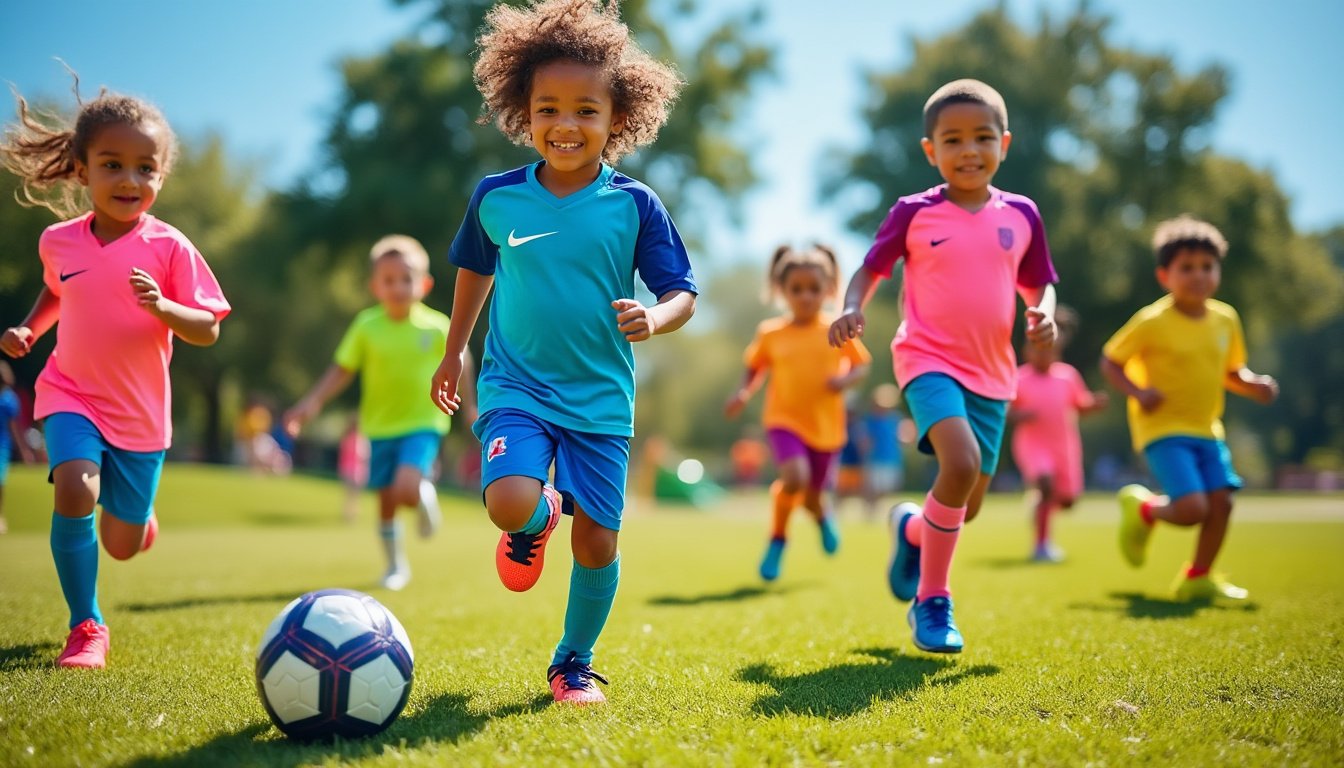
Schools and communities serve as pivotal arenas for developing children’s exercise habits, shaping long-term behaviors that align with lifelong cardiovascular and muscular health. The integration of physical health programs into school curricula and after-school options corresponds closely with higher rates of physical activity among youth. Notably, initiatives promoting structured play and fitness, such as those by GoNoodle, create interactive and accessible platforms that blend education with movement.
A major factor in sustaining exercise habits is the social component of group activities and peer interaction in school settings. Physical education led by trained instructors who understand the lifecycle approach to health ensures children receive age-appropriate exercise opportunities that are fun and inclusive. Furthermore, partnerships with programs like Little Gym or community sports leagues provide additional environments that encourage young participants to stay engaged.
Besides structured settings, the community infrastructure itself influences activity levels. Safe walking paths, parks equipped with fitness zones, and accessible bicycle trails amplify daily movement possibilities. Cities investing in family-friendly recreational areas support families seeking to develop active habits that transcend school hours.
- Integrating physical activity programs within schools boosts children’s daily movement and sets habitual exercise patterns.
- Interactive digital platforms like GoNoodle foster engagement and motivation through gamified exercise challenges.
- Community resources such as parks, bike lanes, and sports leagues enhance accessibility to regular physical activities.
- Collaborations between educational bodies and programs like JumpBunch provide varied opportunities tailored to multiple ages and abilities.
Recognizing the considerable impact school environments and communities have, policymakers and educators increasingly emphasize wellness initiatives designed to cultivate fitness habits that last a lifetime. For example, school districts inspired by the findings from the University of Georgia study have begun rolling out comprehensive activity-based programs alongside nutrition education.
Family engagement also proves to be a crucial influence. Educating parents on the benefits of consistent exercise starting from an early age can modify entire household lifestyles, enhancing children’s adherence to fitness regimens. More resources for families interested in promoting heart-healthy habits at home can be found via this Charlotte initiative.
Integrating Technology and Fitness Brands to Motivate Children’s Exercise
In 2025, technology and fitness brands collaborate increasingly to inspire children’s enthusiasm for physical activity. Innovative products and platforms leverage interactive design, gamification, and data tracking to make exercise an engaging daily habit. Brands like Nike Kids and Reebok Youth integrate wearable fitness trackers into their apparel lines, providing real-time feedback and rewarding movement goals.
Moreover, the use of apps combined with physical activity routines has proven especially effective. For example, Strider Bikes paired with virtual riding challenges encourage children to ride consistently while tracking progress. Combined with gamified platforms such as GoNoodle, these innovations remove barriers to activity by making exercise both measurable and fun.
Popular activity-focused companies such as FitKids and JumpBunch merge professional coaching with technology-supported programming to deliver personalized exercise sessions. They focus on holistic development—improving motor skills, coordination, and overall fitness—while embedding positive reinforcement mechanics.
- Wearable technology linked to popular brands motivates children by tracking and rewarding physical activities.
- Gamified fitness apps make exercise sessions fun and accessible for diverse age groups.
- Programs like JumpBunch provide professional coaching enriched with interactive digital tools.
- Data-driven feedback helps parents and children monitor progress, encouraging consistency in routines.
Additionally, tech-enhanced fitness solutions broaden access for remote or underserved populations. With the rise of smart devices and virtual coaching, children can participate in guided exercise routines anytime, anywhere. As health providers call for scalable solutions to address childhood inactivity, these integrations become indispensable.
For more on technology’s role in maintaining exercise habits from childhood through adulthood, readers can explore reports at Life Technology Medical News and EurekAlert.
Nutrition and Lifestyle: The Complementary Pillars to Childhood Fitness
Exercise alone doesn’t tell the full story of lifelong health originating in childhood. Nutrition and wider lifestyle choices significantly influence the benefits derived from physical routines. Balanced diets rich in vitamins and minerals contribute to optimal bone development and energy availability, supporting the intensity and frequency of childhood activity.
Programs aimed at cultivating better eating habits in younger demographics boost the efficacy of exercise by fostering recovery and growth. For example, integrating healthy snack options in school cafeterias alongside fitness efforts enhances children’s capability to sustain physical engagement. Campaigns like those highlighted by LiveWell Magazine focus extensively on this synergy between nutrition and exercise.
Furthermore, adequate sleep patterns and stress management are critical, with regular exercise shown to improve sleep quality and emotional well-being in children. Establishing routines combining sleep hygiene, balanced diets, and daily movement ensures a comprehensive approach to heart and bone health, crucial in pre- and early puberty phases.
- Balanced nutrition complements physical activity, optimizing muscular and skeletal development.
- School and community initiatives promoting healthy eating strengthen fitness outcomes.
- Regular sleep and stress management enhance recovery and active participation in exercise.
- Engaged parental involvement in lifestyle choices produces stronger, more resilient children.
Many families benefit from adopting holistic health strategies, where exercise and nutrition are not isolated practices but parts of a lifestyle. For guidance on cultivating such habits in children, parents can consult expert advice at LiveWell Magazine and pediatric nutrition guidance.
Overcoming Challenges: Ensuring Access and Motivation for All Children
Despite the proven benefits of early exercise habits, disparities remain in access to facilities, safe environments, and quality programs that foster physical activity. Socioeconomic factors, urban vs. rural location, and community support influence whether children develop and maintain active lifestyles from an early age.
Programs like FitKids respond directly to such challenges by designing inclusive and affordable exercise options that target underserved populations. Moreover, awareness campaigns emphasize the importance of early engagement to prevent inequalities in cardiovascular and musculoskeletal health outcomes. The UGA research advocates a life-course approach, encouraging interventions from infancy through adolescence, continuously supporting heart-healthy behaviors.
Parental motivation and education serve as critical levers in reducing these gaps. When parents understand that exercise routines initiated during childhood hold long-term protective effects, they become more invested in finding creative ways to encourage activity despite obstacles.
- Limited access to safe exercise environments affects children’s ability to form lifelong fitness habits.
- Targeted programs like FitKids promote inclusivity and affordability in physical activity options.
- Parental education and involvement are key to overcoming socioeconomic barriers.
- A life-course intervention strategy addresses inequality in health outcomes beginning in early childhood.
Initiatives integrating community resources, schools, and parents offer the strongest framework for combating disparities. These efforts help ensure all children, regardless of background, have opportunities to build and maintain healthy exercise habits. For more on addressing these challenges, readers may visit detailed policy discussions at UGA Research and Earth News.
Frequently Asked Questions About Childhood Exercise and Lifelong Health
- What age is critical for establishing exercise habits that influence adult health?
The period starting around age 11 is crucial, as consistent exercise habits formed then can predict cardiovascular and muscular fitness in adulthood. - How can parents encourage children to stay active?
Parents can provide supportive environments with opportunities for fun and varied activities, encouraging participation in programs like JumpBunch and utilizing suitable gear from brands such as Under Armour Kids and Puma Kids. - Are there programs that combine technology and exercise for kids?
Yes, programs like FitKids and apps associated with Nike Kids and Reebok Youth produce interactive, technology-driven fitness solutions that track progress and motivate children effectively. - What role does nutrition play alongside exercise?
Nutrition is essential for supporting energy, recovery, and growth of muscles and bones, complementing the benefits of regular exercise for optimal health outcomes. - How can communities improve access to childhood exercise opportunities?
Investing in safe outdoor spaces, school-based fitness programs, and inclusive initiatives like those by GoNoodle and Strider Bikes can enhance accessibility and motivation for all children.
10 quick checks to spot low-quality supplements before you buy - plus research-backed doses for 12 common ingredients. Free PDF, no spam.

2 Comments
Pingback: Building Lifelong Wellness: How Childhood Habits Shape the Future
Pingback: Top Expert Tips to Tackle Childhood Obesity