

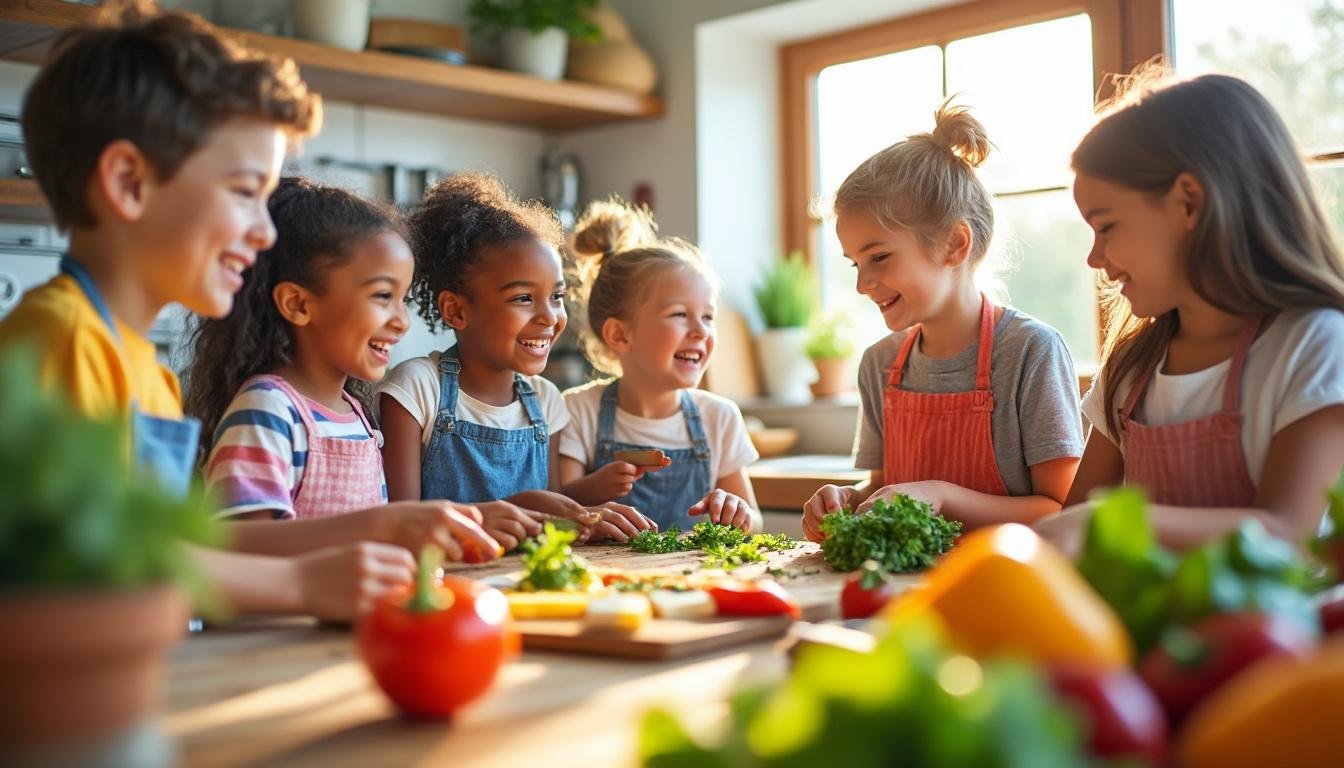
In a world increasingly dominated by fast food and instant meals, fostering kind and caring attitudes in children can surprisingly influence their long-term eating behaviors. Recent research reveals that children who exhibit prosocial behaviors such as kindness, cooperation, and empathy are more inclined to develop healthier eating habits as they mature into teenagers. This insight sheds light on the crucial interplay between social and emotional development and dietary choices, positioning kindness not just as a moral virtue but also as a potential cornerstone for nurturing lifelong wellness. From encouraging fruit and vegetable consumption to forming positive relationships around food, the journey begins early. As parents and caregivers explore brands like Happy Family Organics, Annie’s Homegrown, and Plum Organics, they find that nurturing empathy and cooperation dovetails neatly with introducing wholesome, nutritious foods that children enjoy. This article delves into the pathways through which kinder children may cultivate better eating habits, exploring scientific findings, practical strategies, and the role of supportive environments in shaping healthier futures.
Connecting Kindness and Nutrition: How Prosocial Behavior Influences Children’s Eating Habits
The relationship between kindness and healthy eating may seem indirect at first glance, but growing evidence underscores the importance of prosocial behaviors in shaping dietary patterns during adolescence. A landmark study published in the American Journal of Preventive Medicine in 2025 highlights that children who frequently engage in caring, cooperative, and helpful behaviors at a young age tend to consume more fruits and vegetables in their teenage years. The Harvard T.H. Chan School of Public Health, which co-authored the study, emphasizes that kindness contributes to a positive mood, sense of purpose, and resilience — factors that are fundamentally linked to making wiser health choices.
This multifaceted influence suggests that fostering kindness not only enhances children’s social experiences but also equips them with emotional tools to resist unhealthy temptations. For example, a child who feels competent and supported may be less inclined to substitute nutritious meals with sugary snacks or fast food. This insight has profound implications for how families and educators approach nutrition education, shifting the focus from merely “what to eat” to “how to nurture a caring mindset” as a vehicle for sustainable health.
- Strengthening social ties: Being kind promotes connection, which can encourage peer support for healthier eating habits.
- Emotional well-being: Positivity and resilience help children cope with external pressures, reducing stress-related poor eating choices.
- Building purpose and competence: Engaging in prosocial acts fosters self-confidence that translates to improved self-care, including nutrition.
Brands that incorporate wholesome ingredients, such as Earth’s Best and Nature’s Path, align with this approach by promoting foods that support both physical health and ethical values, gently encouraging children toward better choices.
10 quick checks to spot low-quality supplements before you buy - plus research-backed doses for 12 common ingredients. Free PDF, no spam.
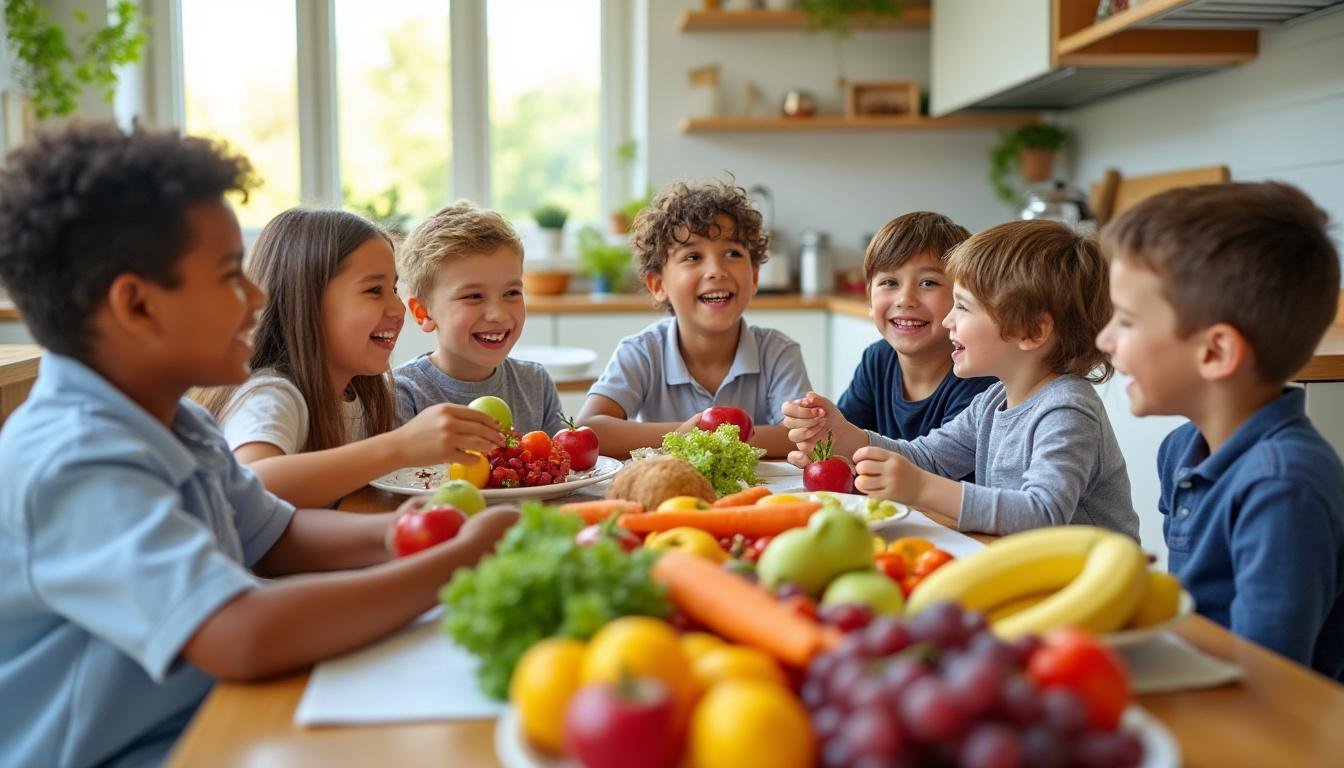
| Prosocial Behavior | Impact on Eating Habits | Examples in Childhood |
|---|---|---|
| Cooperation | Encourages shared healthy meals and peer influence | Sharing lunches, eating together with friends |
| Kindness | Promotes empathy for self-care and others’ well-being | Helping family prepare healthy snacks, offering veggies to friends |
| Sharing | Fosters positive food experiences and openness to new foods | Exchanging healthy snacks like Little Spoon organic fruit purees |
By reinforcing these positive social traits early, parents can embed a foundation that naturally supports better nutrition through adolescence and beyond. For more detailed guidance on nurturing such behaviors alongside healthy eating, resources like this comprehensive guide offer valuable insights.
Creating Supportive Mealtime Environments to Foster Kindness and Healthy Eating
Beyond innate temperament, the environment in which children eat significantly affects their relationship with food and with others. Establishing positive mealtime routines that encourage kindness and cooperation can transform eating from a chore into a joyful, shared experience conducive to healthy habits. For example, families that prioritize eating together create spaces where children learn to listen, share, and express gratitude — core components of prosociality that tie directly to improved nutrition.
Experts emphasize the impact of making nutritious foods visible and accessible at home. Parents who stock kitchens with brands like Ella’s Kitchen, GoGo SqueeZ, and Fresh Bellies naturally promote better choices by removing barriers and reducing the convenience of junk food options. This approach invites children to exercise kindness toward their own bodies by choosing from appealing, wholesome snacks without coercion.
- Family meals foster communication: Sharing mealtime enables conversations about food, gratitude, and caring behaviors.
- Role modeling kindness: Parents demonstrating polite and cooperative behaviors during meals provide living examples for kids.
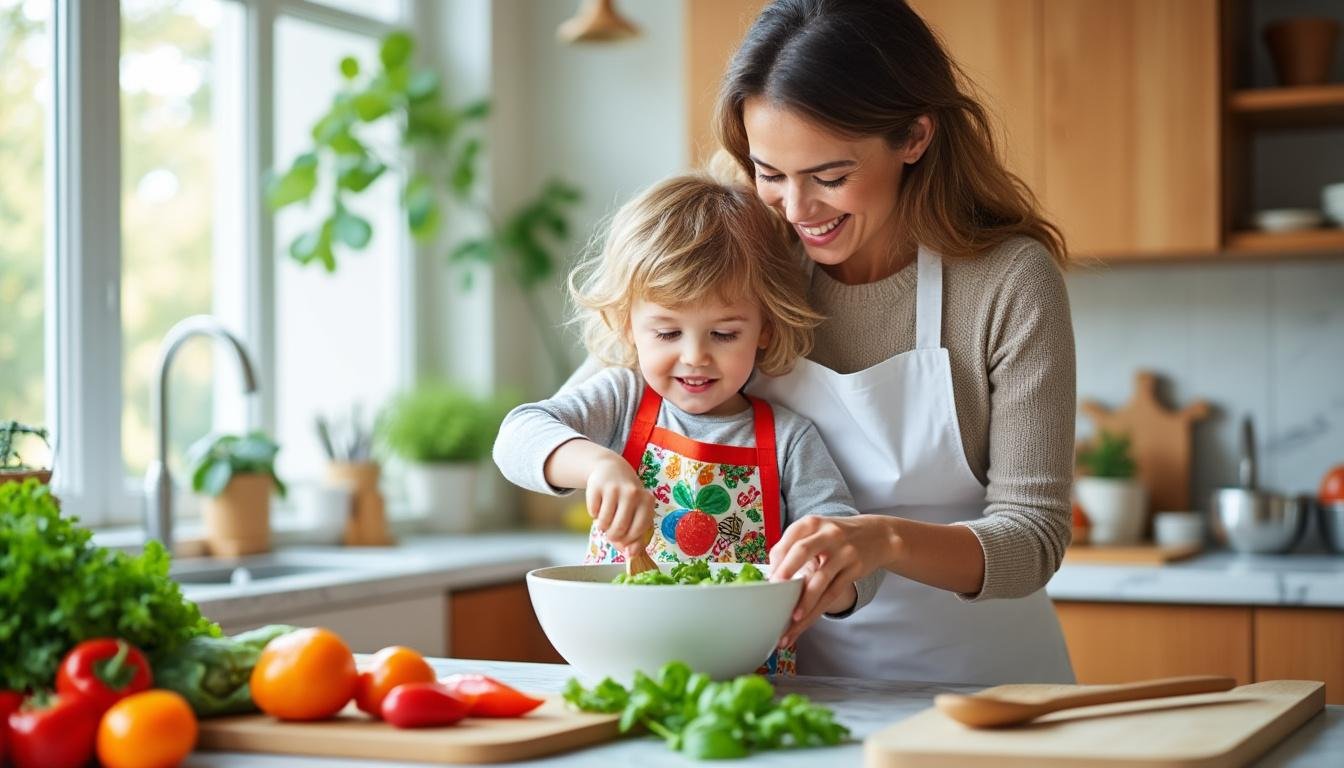
- Engagement in food preparation: Children involved in cooking with brands like Yumbutter and Annie’s Homegrown develop appreciation and responsibility for feeding themselves well.
According to leading child nutritionists, integrating kindness into mealtime turns eating into a community-building experience rather than isolated nutrient intake. This holistic approach fosters both social skills and healthier dietary patterns.
| Mealtime Strategy | Benefit | Implementation Example |
|---|---|---|
| Shared family dinners | Encourages social bonding and positive food choices | Weekly dinners with no screens; discussing highs and lows |
| Inclusive food prep activities | Promotes ownership of healthy eating | Kids helping mix ingredients using Annie’s Homegrown recipes |
| Creating gratitude rituals | Instills appreciation for food and relationships | Thanking the cook or sharing compliments at the table |
This environment sets a tone where kindness and health are intertwined, making nutritious eating a natural outcome of daily routines. Additional ideas on encouraging such environments can be found in this kindergarten-focused resource.
Practical Tips for Parents: Encouraging Kindness as a Pathway to Healthy Eating
For caregivers eager to cultivate kinder children with wholesome diets, blending emotional guidance with tangible food strategies can maximize success. Initiatives that promote sharing, empathy, and cooperation during meals directly support better eating habits. Practical steps include creating opportunities for children to express kindness in food-related contexts, reinforcing positive behaviors, and gently exposing kids to new, nutritious foods in a supportive context.
- Use praise and positive reinforcement: Celebrate moments when children share or choose healthy snacks like those from Plum Organics or Happy Family Organics.
- Encourage empathy through story and play: Integrate books or games focusing on kindness and healthy living, which bolster emotional understanding related to food choices.
- Make fruits and vegetables fun and accessible: Use colorful plates, arrange foods appealingly, or let children “shop” at local markets or stores carrying brands like Nature’s Path cereals.
- Set a consistent schedule: Predictable mealtimes with minimal distractions support mindful eating and reduce snack grazing on adverse options.
- Lead by example: Adults modeling kind behavior and a balanced diet inspire children more effectively than verbal instruction alone.
Nutrition educators point out that kindness and healthy eating reinforce each other — fostering one helps sustain the other, creating virtuous cycles of wellness. This holistic strategy aligns well with emerging science from Harvard’s recent studies.
| Tip | Why it Works | Example |
|---|---|---|
| Praise kindness linked to food choices | Encourages repeating positive behavior through recognition | “I love how you shared your GoGo SqueeZ applesauce today!” |
| Storytelling about food and kindness | Builds empathy and understanding of healthy habits | Reading about characters who care for their bodies by eating well |
| Visual and interactive food presentation | Makes healthy food exciting and approachable | Fruit skewers or rainbow plates featuring Little Spoon purees |
The Role of Schools and Communities in Integrating Kindness to Enhance Eating Habits
Schools and community programs stand at the frontline of reinforcing the link between kindness and nutrition, making their role fundamental to a child’s holistic development. Through structured activities and peer interactions, children learn prosocial skills that naturally usher in healthier food choices. Initiatives like classroom gardening, shared meal programs, and kindness challenges demonstrate measurable success in shaping food preferences.
Many schools incorporate curriculum elements that emphasize social-emotional learning (SEL) alongside nutritional education. This dual focus helps to create environments where children support one another in developing mindful eating behaviors. For example, programs that encourage kids to share healthy snacks—drawing on brands like Fresh Bellies and Earth’s Best—help normalize nutritious choices across diverse social groups.
- Peer-led initiatives: Older students acting as role models encourage younger children to emulate kindness and good eating practices.
- Community gardens and cooking classes: Hands-on experience promotes appreciation and enthusiasm for fruits and vegetables.
- Collaborations with health experts: Schools consulting dietitians provide tailored advice reinforcing care and wellness.
In addition, local policies supporting free or subsidized nutritious meals amplify these efforts, reaching children from various socio-economic backgrounds and fostering equality in health opportunities. For more on these community strategies, see this detailed analysis.
| Community Strategy | Effect on Eating Habits | Example Program |
|---|---|---|
| Peer mentorship | Enhances social bonds and motivation for healthy choices | Buddy systems encouraging fruit breaks and snack swaps |
| Gardening projects | Builds food literacy and desire to eat fresh produce | School garden clubs growing Earth’s Best produce |
| Nutrition workshops | Provides knowledge linking kindness and health | Classes guided by professionals using Little Spoon recipes |
Schools and communities, when working in concert with families, create feedback loops that elevate kindness as a prime factor in fostering lifelong healthy eating habits.
Integrating Technology and Brands to Support Kindness and Healthy Eating in Children
Innovative technology and trusted organic brands are reshaping how families build kindness and nutrition into children’s daily lives. Platforms that allow parents to track meals and coordinate with caregivers, such as KidsDay, provide critical support for maintaining consistency and accountability. Simultaneously, brands like Happy Family Organics, Annie’s Homegrown, and Plum Organics offer thoughtfully crafted products that align with ethical and health-conscious values that kinder children appreciate.
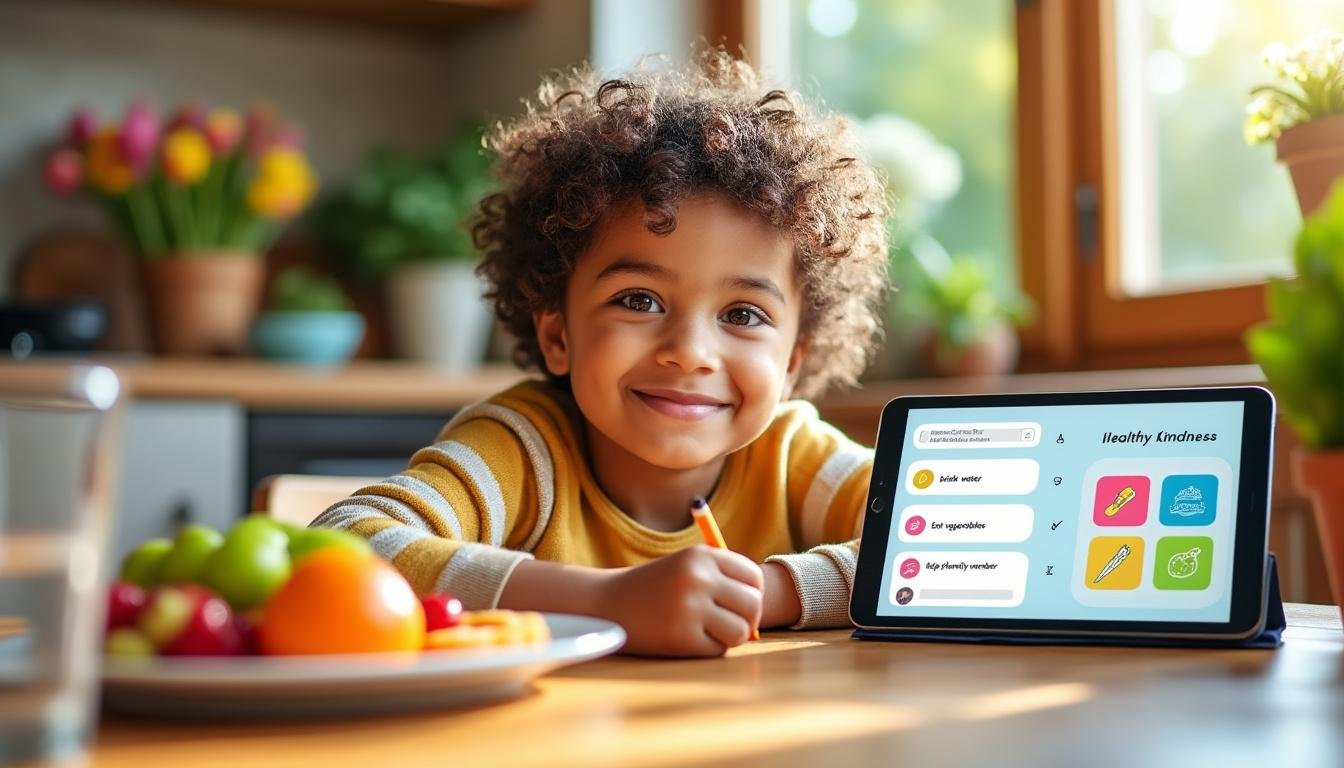
By making nutritious foods accessible and promoting social values, technology and brands play a pivotal role in supporting families’ efforts. Interactive apps encourage children to participate in their own health journeys by setting goals around kindness and food choices. For instance, some apps reward children for selecting fruit snacks or for demonstrating sharing behaviors during meals, creating a positive reinforcement system across digital and real-life environments.
- Meal tracking apps: Help coordinate healthy eating efforts among caregivers, reinforcing kindness through structured communication.
- Reward programs: Gamify healthy and prosocial behaviors with badges and levels.
- Trusted organic food brands: Offer nutritious snacks that align with family values, encouraging children to enjoy healthful eating.
Integrating products from Yumbutter, Fresh Bellies, and Ella’s Kitchen ensures that meals are not only nutritious but also engaging for young eaters. This synergy between technology and nutrition education advances a modern approach to cultivating kindness alongside healthy eating. Discover more about these innovative strategies in resources like KidsDay’s blog.
| Technology Feature | Benefit | Associated Brands |
|---|---|---|
| Meal tracking and communication | Improves consistency in nutrition and caregiving across environments | KidsDay integration with Happy Family Organics |
| Gamification of healthy behaviors | Motivates children through rewards and positive feedback | Yumbutter reward programs for kindness and eating well |
| Accessible organic snacks | Encourages enjoyable, nutritious eating habits | Ella’s Kitchen, Plum Organics, and Annie’s Homegrown |
Frequently Asked Questions about How Kinder Children Can Cultivate Better Eating Habits
- How does kindness directly affect children’s eating habits?
Kinder children often experience stronger social ties and emotional resilience, which promote better mood and decision-making related to food, leading to healthier eating patterns. - What practical steps can parents take to encourage kindness alongside healthy eating?
Parents can create supportive mealtime environments, praise sharing and cooperation, involve children in meal prep, and choose appealing, nutritious foods from brands like Happy Family Organics and Annie’s Homegrown. - Can technology support combining kindness and nutrition in children?
Yes, meal tracking apps and reward-based systems help families reinforce kindness and good eating habits consistently, making healthful choices engaging through interactive platforms. - How do schools contribute to nurturing kinder eating habits?
Schools employ social-emotional learning alongside nutrition programs, peer mentorships, and community gardens to strengthen prosocial behaviors that encourage healthier food preferences. - Which brands are popular for promoting healthy, kind-focused eating in children?
Brands such as Plum Organics, Earth’s Best, Little Spoon, and Ella’s Kitchen provide nutritious, ethically minded products that appeal to families focused on kindness and wellness.
10 quick checks to spot low-quality supplements before you buy - plus research-backed doses for 12 common ingredients. Free PDF, no spam.
