
Close Menu
    Follow us on Google News
    Follow Livewell Magazine on Google News
    Facebook X (Twitter) Instagram
    LiveWell Magazine
    Facebook
    Follow LiveWell Magazine on Google News
    • Cancer

      The “Silent Killer”: 2 Hidden Signs of Pancreatic Cancer You Can Spot Years in Advance

      April 20, 2026

      Barry Manilow Opens Up About Embracing Healthier Lifestyle Choices During His Cancer Battle

      April 8, 2026

      Healthy Dad’s Unexpected Cancer Diagnosis Revealed After Ignoring Nighttime Bathroom Trips: ‘A Heartbreaking Surprise’

      February 22, 2026

      BREAKING NEWS: Gene therapy for sickle cell disease: a medical breakthrough still out of reach for many

      December 29, 2025

      How Your Drinking Habits Could Significantly Increase Your Cancer Risk

      December 28, 2025
    • Fitness

      At 100, the ‘First Lady of Fitness’ Shares Her Daily Workout Secrets and One Must-Have Food

      April 15, 2026

      How can weighted planks help you elevate your strength and master your core?

      April 14, 2026

      A 65-Year-Old Fitness Trainer’s Guide to Stocking Up on Healthy Foods at Costco

      April 10, 2026

      How many calories do you actually burn by running one mile?

      April 9, 2026

      Biochemist Reveals the Powerful 10-Minute Workout That Keeps the Mind Razor-Sharp All Day

      March 23, 2026
    • Health

      How can better patient-doctor communication help you stay on track with your medication?

      April 8, 2026

      What can an infectious disease doctor’s experiences in Kazakhstan and America teach us about global health?

      April 3, 2026

      Federal Judge Hits Pause on HHS Secretary Kennedy’s Vaccine Policy Overhaul

      March 18, 2026

      Medicare Advantage Shifts: Payments to Plans Increase as Enrollment Hits a New Record

      March 18, 2026

      The battle over “$0 premium” plans: What’s at stake for your healthcare?

      February 19, 2026
    • Lifestyle

      How can you break free from the sitting trap and revitalize your life?

      April 22, 2026

      How can transformative approaches to home life enhance your overall well-being?

      April 17, 2026

      Solo Cooking Simplified: 8 Easy Habits to Eat Healthy When Cooking for One

      April 15, 2026

      Psychology-Backed Habits to Revolutionize Your Money Mindset

      April 11, 2026

      The ‘Healthy’ Habit That Could Be Holding You Back, Reveals New Research

      April 10, 2026
    • Nutrition

      What are the surprising benefits of miso soup for your gut, heart, and immune health?

      April 23, 2026

      How can you nourish your gut with delicious choices for a healthier you?

      April 22, 2026

      What are the surprising effects of eggnog on your blood sugar levels?

      April 16, 2026

      How can effective nutrition help you achieve a faster dental recovery?

      April 15, 2026

      Could eating microbial food reduce your risk of kidney disease?

      April 13, 2026
    • Senior

      Nurturing Your Gut After 50: 7 Essential Habits for Lasting Digestive Wellness

      April 3, 2026

      Nourishing Your Golden Years: 10 Essential Nutrition Habits to Promote Healthy Aging and Maintain Independence After 60

      March 27, 2026

      Wound Care Revolution: How a New Medicare Payment System Aims to Cut Waste in Senior Care

      March 19, 2026

      The $2,000 Cap is Here: How the New Annual Out-of-Pocket Drug Limit Saves Seniors Thousands

      March 17, 2026

      Why Conventional Health Tips Might Shift After Turning 50

      March 15, 2026
    • Trends

      How could the 7 surprising travel trends of 2026 disrupt your wellness plans and how can you navigate them?

      April 15, 2026

      Which innovative skincare trends will shape the industry in 2026 according to Uliana-Sofiia Savchenko?

      April 6, 2026

      Transparency at HHS: How the New “Radical Transparency” Initiative Aims to Expose Big Pharma Conflicts

      March 13, 2026

      How Wearable Technology Could Spark a Revolution in Healthier Living

      February 5, 2026

      Early cholesterol treatment in kids may prevent heart disease for life

      January 28, 2026
    • Wellness

      What are the top 10 complimentary activities in Seattle for your well-being?

      April 23, 2026

      Where can you find the ultimate wellness retreat in Mexico for tranquil explorers?

      April 14, 2026

      Lincoln YMCA to Celebrate Healthy Kids Day on April 11 with Free Event Promoting Summer Wellness

      April 12, 2026

      The 20-Minute Routine That Could Unlock a Healthier Heart and a Sharper Mind

      April 8, 2026

      How can celebrating Día de los Muertos at a Mexican-owned resort enhance your cultural wellness?

      April 6, 2026
    Subscribe
    LiveWell Magazine
    Home»Trends & Innovation»Can a gut bacteria transplant cure anxiety? scientists are intrigued
    Trends & Innovation

    Can a gut bacteria transplant cure anxiety? scientists are intrigued

    Tina NguyenBy Tina NguyenNo Comments
    Facebook Twitter Email WhatsApp Pinterest LinkedIn Reddit Telegram Threads
    Share
    Facebook Twitter LinkedIn Email Reddit Telegram WhatsApp Threads

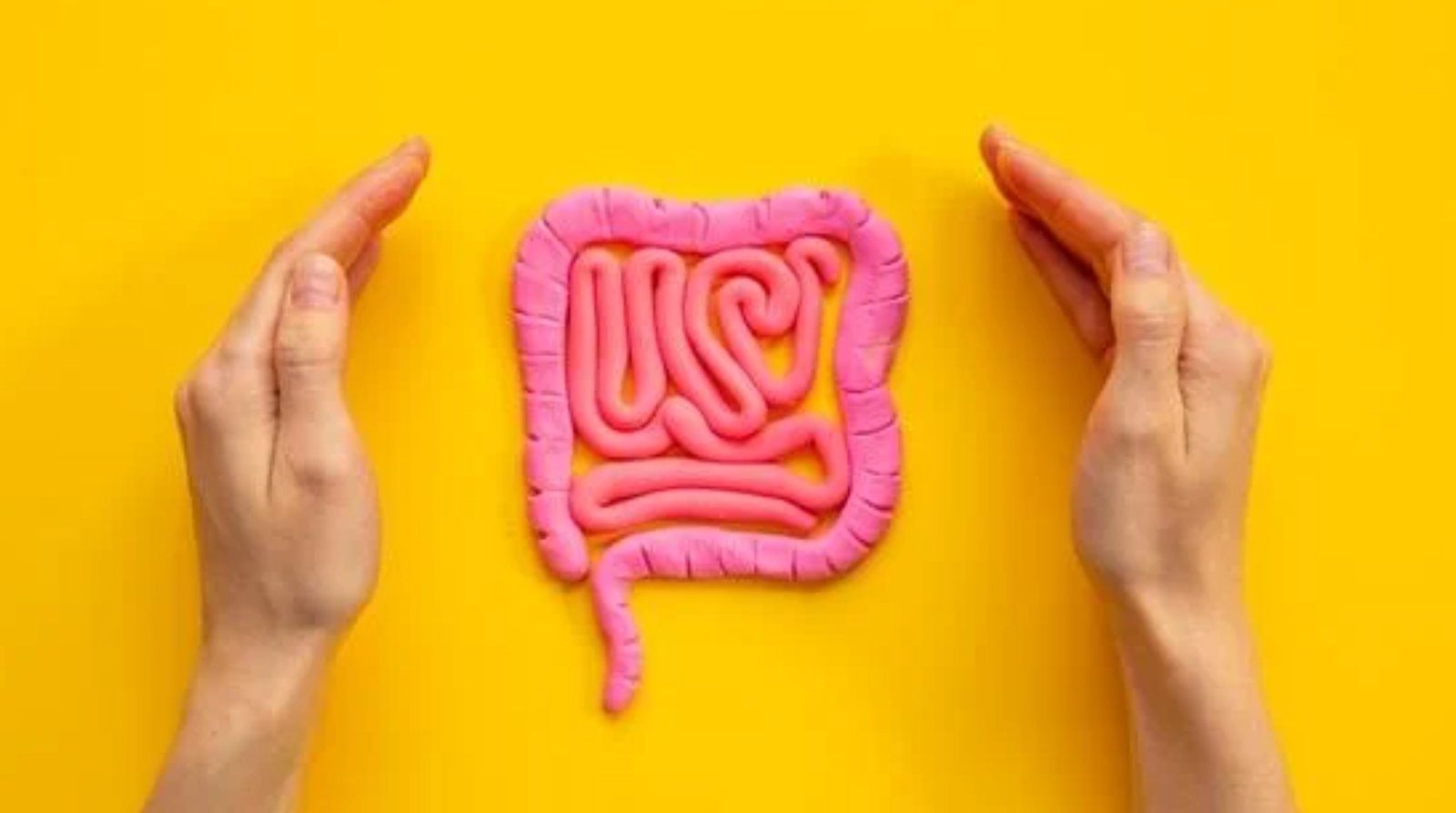
    What if the solution to anxiety wasn’t just in the brain—but in the gut? It’s a question gaining traction among researchers who study the connection between mental health and the microbiome. With early studies showing that gut health may influence mood, attention has turned to a bold intervention: fecal microbiota transplantation (FMT), commonly known as a gut bacteria transplant.

    While the idea might seem unusual—or even unpleasant—the scientific community is increasingly interested in the role of FMT as a tool not just for digestive disorders, but potentially for psychological conditions like anxiety. Could changing the bacteria in our gut really calm the mind?

    What is a gut bacteria transplant?

    Fecal microbiota transplantation is a procedure in which stool from a healthy donor is introduced into the gastrointestinal tract of a recipient. The goal is to restore a balanced microbial environment in the gut. FMT is already an approved treatment for recurrent Clostridioides difficile infections, where it has shown a success rate of over 85% in restoring microbial balance and resolving symptoms.

    The method typically involves capsules, enemas, or colonoscopic infusion of processed donor stool. While this treatment is currently reserved for severe bacterial imbalances, researchers have begun to explore its wider implications—including its potential influence on the brain and behavior.

    The gut-brain connection: more than a hunch

    The **gut-brain axis** refers to the bidirectional communication between the gastrointestinal tract and the central nervous system. This link involves hormones, immune signals, and most importantly, the microbiome—trillions of bacteria, viruses, and fungi that live in the digestive system.

    One key reason the gut impacts mental health is its role in neurotransmitter production. Nearly 90% of the body’s serotonin, a chemical closely tied to mood regulation, is produced in the gut. Inflammation, microbial imbalance, or impaired digestion may alter the availability of such compounds, indirectly affecting how we feel and think.

    Related Article :  How could the 7 surprising travel trends of 2026 disrupt your wellness plans and how can you navigate them?

    What the science says about gut transplants and anxiety

    Though still in early stages, several studies offer compelling reasons for further investigation. In mouse models, transferring microbiota from anxious mice into calm mice induced anxiety-like behavior in the recipients—suggesting that gut bacteria could indeed affect mood and stress response.

    Small-scale human trials are beginning to emerge. A recent pilot study from researchers in Canada observed a reduction in anxiety symptoms in patients with irritable bowel syndrome after FMT. Another study, focused on patients with treatment-resistant depression, noted mood improvements in a subset of participants following microbiota transplantation. These findings are far from conclusive, but they add to a growing body of research supporting the gut-brain hypothesis.

    Additionally, fecal transplants have been shown to alter brain connectivity in functional MRI scans, suggesting that gut interventions may influence neural pathways tied to emotion and cognition.

    Challenges and unanswered questions
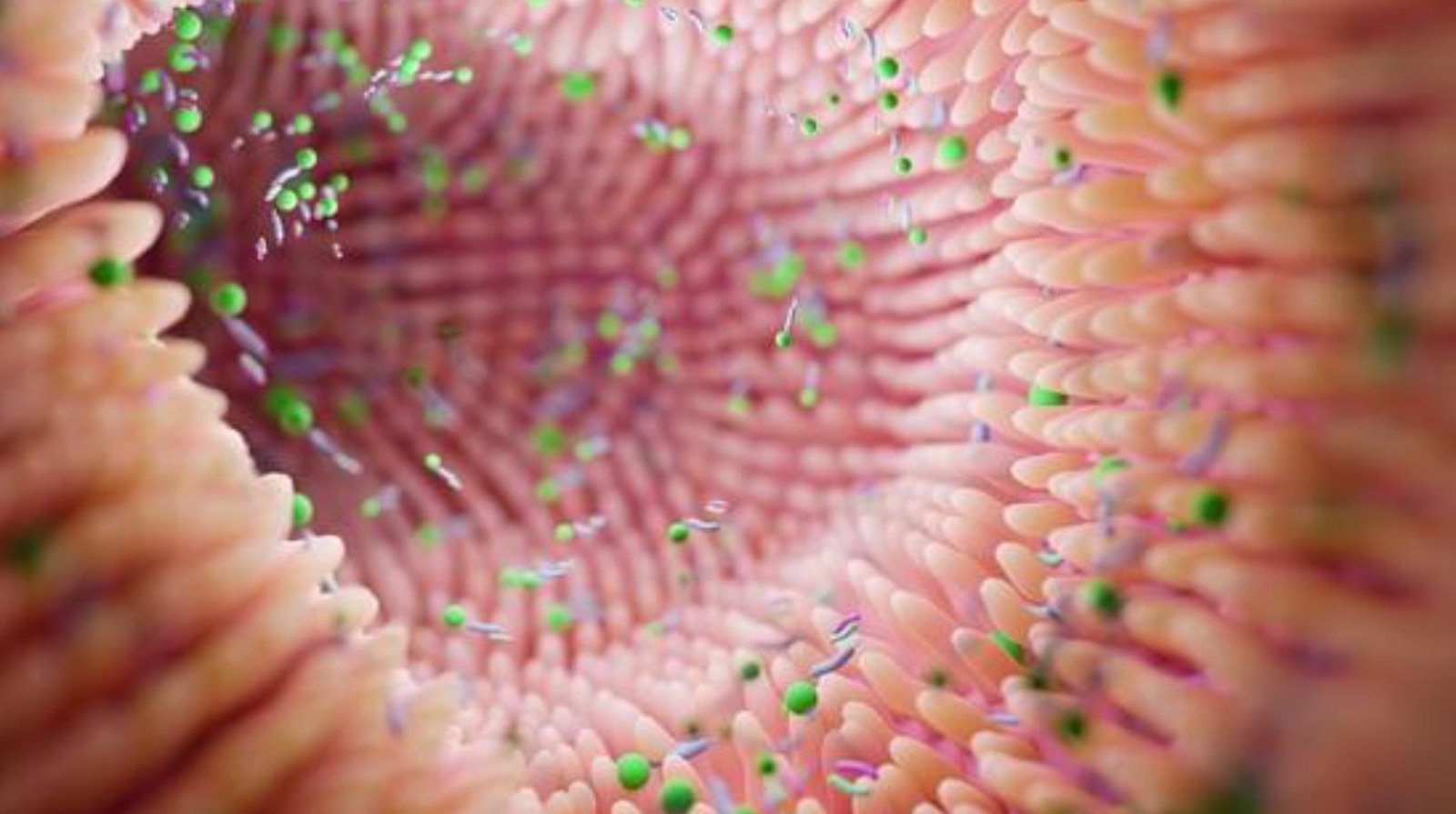
    Despite the promise, there are many reasons to proceed with caution. First, anxiety is a complex condition influenced by genetics, environment, personality, and social factors. Changing gut bacteria may play a role, but it’s unlikely to be a universal or standalone cure.

    Second, there’s no standardized protocol for FMT in mental health. Variables such as donor selection, microbial diversity, dosage, and method of delivery all affect outcomes. Furthermore, long-term effects are not yet well understood. Could certain bacteria have unintended consequences? Could microbiota from donors carry unknown pathogens?

    Ethical concerns also arise: How do we regulate a treatment that involves live biological material? Who qualifies as a donor? And should a treatment developed for infection control be applied to psychological conditions without thorough testing?

    Related Article :  What “Trump Accounts” invest in—and why health policy can still change their returns

    A promising path or speculative science?

    The relationship between gut bacteria and mental health is no longer fringe science—it’s a field exploding with possibility. While fecal transplants are not a magic bullet, they open an exciting frontier in treating anxiety through biology, not just psychology. Early results are promising, but the research is still in its infancy.

    For now, patients should not seek out FMT for anxiety outside of clinical trials. But if ongoing studies confirm its efficacy and safety, we may one day see a world where treating the gut helps ease the mind. Until then, scientists will keep digging—sometimes quite literally—to better understand the invisible ecosystem inside us.

    Follow on Google News
    Share. Facebook Twitter LinkedIn Email WhatsApp Reddit Telegram Threads Copy Link
    Previous ArticleFrom incurable to manageable: new oral treatments extend life in advanced lung cancer
    Next Article Morning moves & evening strolls: beating the heat while staying fit
    Avatar photo
    Tina Nguyen

    Tina has been a health journalist for over ten years, reporting from various countries around the world. Her international experience gives her a unique and nuanced perspective on global wellness trends, public health challenges, and cultural approaches to healthy living. Known for her curiosity and clarity, Tina strives to deliver reliable, well-researched content that resonates with diverse audiences. She is passionate about making health information both engaging and empowering for readers everywhere.

    Continue reading

    How can exploring Broadway and NYC’s theater district enhance your mental well-being?

    By Amelie Goujon

    What are the best strategies to manage hormonal migraines and improve your quality of life?

    By Amelie Goujon

    What is codependency and why is it a hidden threat beyond addiction?

    By Amelie Goujon

    How could the 7 surprising travel trends of 2026 disrupt your wellness plans and how can you navigate them?

    By Amelie Goujon

    Mental Health Monday: Dr. Jess Tranchina’s 6 Essential Habits for Healthier Aging

    By FRANK JOST

    Could everyday sweeteners be fast-tracking your brain’s aging process?

    By Amelie Goujon

    How can you use castor oil to unlock radiant skin and a healthy glow?

    By Amelie Goujon

    Doctor Cautions That Boomers’ Excessive Screen Time Could Imitate Dementia Symptoms

    By FRANK JOST

    Which innovative skincare trends will shape the industry in 2026 according to Uliana-Sofiia Savchenko?

    By Amelie Goujon

    How can you unlock your brain’s potential and preserve cognitive vitality after 40?

    By Amelie Goujon

    ‘Antisocial’ Behaviors That Reveal High Intelligence, According to a Psychologist

    By FRANK JOST

    Secrets to Naturally Long, Healthy Hair: Insights from Ayurvedic Experts

    By FRANK JOST
    Add A Comment
    Leave A Reply Cancel Reply

    Subscribe to Our Newsletter

    Join the Live Well Magazine Newsletter and get exclusive tips on health, wellness, lifestyle, and personal growth — straight to your inbox.

    Trending
    Healthy Recipes

    Which 10 surprising foods boost digestion more effectively than ginger?

    Nutrition

    What are the surprising benefits of miso soup for your gut, heart, and immune health?

    Wellness

    What are the top 10 complimentary activities in Seattle for your well-being?

    Lifestyle & Habits

    How can you break free from the sitting trap and revitalize your life?

    Men’s Health

    Why is the trend of male facelifts and facial rejuvenation growing?

    Nutrition

    How can you nourish your gut with delicious choices for a healthier you?

    Facebook
    • About us
    • Contact us
    • Contributors
    • Legal
    • Privacy
    © 2026 livewellmagazine.org.

    Type above and press Enter to search. Press Esc to cancel.