

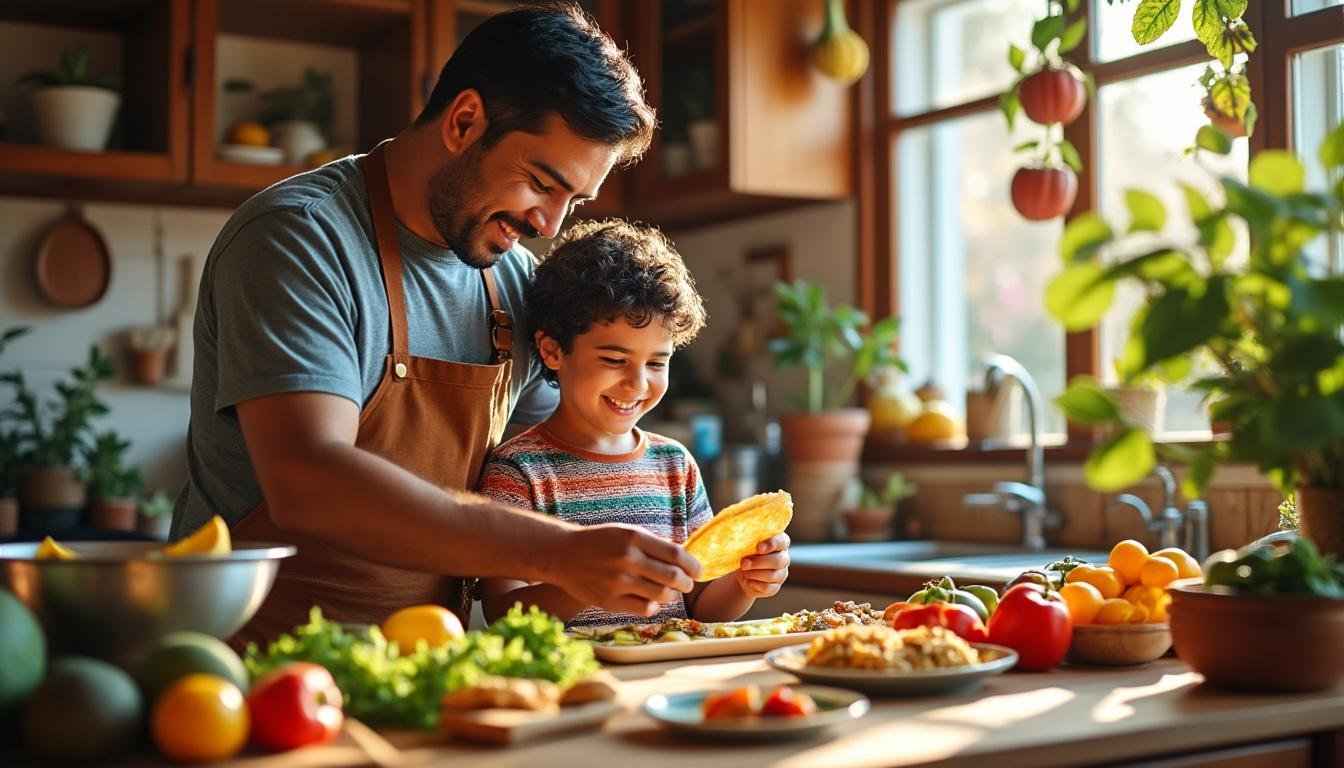
In a world awash with conflicting nutrition advice and fast-food temptations, some fathers are turning to their cultural heritage to navigate the path of healthy eating for their children. For many Hispanic families, traditional foods are not only an expression of identity but also a rich source of wholesome nutrition. Dr. Adrian Chavez’s journey epitomizes this approach: a Texas-based nutrition expert who uses Hispanic culinary traditions to cultivate mindful and nutritious eating habits in his 12-year-old son. Their story highlights how connection, culture, and education blend seamlessly to build a foundation for a lifetime of healthy eating. This article explores the multifaceted role Hispanic culture plays in shaping nutritious diets, practical strategies tailored by fathers, and the growing recognition of paternal impact in childhood nutrition throughout 2025.
How Hispanic Cultural Traditions Inspire Healthy Eating Habits in Children
Hispanic culinary heritage is deeply rooted in a wealth of nutritious ingredients and preparation methods that have sustained families for generations. Foods such as corn, beans, tomatoes, vibrant vegetables, and flavorful spices not only offer essential nutrients but also bring families together at the table. This foundation provides fathers an authentic and appealing way to teach healthy eating without imposing foreign or unfamiliar diets on their children.
Adrian Chavez reflects this philosophy in his home. His son, a vegetarian by choice since age four, enjoys dishes like tostadas, refried beans, sautéed vegetables, and chiles rellenos — all staples of his Mexican upbringing. Unlike modern fad diets that often exclude cultural relevance, these traditional plates embody balance with fiber-rich beans, nutrient-dense vegetables, and moderate healthy fats. As Chavez puts it, Mexican cuisine already “has a strong nutritional foundation.”
In 2025, numerous Hispanic food brands such as Goya Foods, La Costeña, Herdez, Mission Foods, and Old El Paso have made it easier for families to access authentic, healthy ingredients and recipes, enabling fathers to pass down their culinary heritage with ease. These brands consistently promote meals that combine cultural pride with wholesome nutrition, fostering a positive food environment for children.
10 quick checks to spot low-quality supplements before you buy - plus research-backed doses for 12 common ingredients. Free PDF, no spam.
Crucially, the cultural food experience is more than just ingredients; it is about the ritual and family involvement. Chavez schedules weekly meal planning with his son to include culturally significant dishes while catering to his dietary choices. This process builds awareness and enthusiasm about food rather than the stress of daily mealtime decisions. As research confirms, such parental engagement directly influences children’s food preferences and promotes sustained healthy eating habits (source).
- Utilize culturally familiar meals to make nutritious eating relatable.
- Involve children in the food selection and cooking process to build confidence and curiosity.
- Use traditional spices and preparation techniques to enhance flavors without adding unhealthy components.
- Incorporate widely available and trustworthy Hispanic food brands to maintain authenticity and convenience.
Following these principles, Hispanic fathers can support their children’s physical health while strengthening cultural identity — an approach supported by studies highlighting the importance of cultural context in dietary habits (source).

Strategies to Keep Traditional Foods Nutritious Without Losing Authenticity
One common misconception is that traditional Hispanic foods need to be radically altered to be healthy. Fathers like Chavez demonstrate that thoughtful adjustments can preserve both taste and nutrition. For example, swapping out high-fat meats for lean poultry or plant protein allows his son’s vegetarian diet to reflect heritage without sacrificing health. When Chavez prepares his own meals, he adds turkey or chicken to the same base of beans, vegetables, and spices, ensuring both father and son enjoy their preferred proteins while sharing flavor profiles.
Cooking with ingredients such as Siete Foods almond flour tortillas or incorporating Wholly Guacamole as a healthy fat contributes to a well-rounded meal. Additionally, brands like Chobani and General Mills provide complementary options supporting balanced nutrition through dairy and whole grains, enriching the Hispanic plate with familiar comforts.
According to nutrition experts, these familial engagements and adjustments promote positive food associations in children. Teaching kids that healthy eating does not mean deprivation but rather balance and enjoyment empowers lifelong habits (source). This inclusive approach avoids the psychological pitfalls of restriction, leading to better adherence and less resistance at mealtimes.
- Adapt rather than overhaul traditional recipes by substituting healthier proteins and whole foods.
- Include healthy fats and dairy alternatives from familiar brands to enhance meals.
- Promote variety within cultural meals by exploring different vegetables, legumes, and grain options.
- Focus on portion control and balance rather than banning certain foods entirely.
This balance of respect and innovation turns classic Hispanic dishes into a vibrant, healthful experience for children and fathers alike.
Paternal Influence: How Fathers Shape Their Children’s Nutrition Habits in Hispanic Families
While mothers have historically been seen as primary influencers of children’s diets, recent studies increasingly recognize the pivotal role fathers play, particularly in Hispanic households. Fathers’ food choices, attitudes toward nutrition, and parenting practices profoundly impact children’s eating behaviors and preferences.
Dr. Adrian Chavez exemplifies this influence by integrating his lifestyle as a nutrition educator with his role as a father. With full custody, he has made a deliberate choice to raise his son as a mindful and independent eater. Regular joint meal planning sessions, grocery shopping outings, and cooking together reinforce positive habits. This shared responsibility models healthy behaviors that resonate deeply in children’s daily lives.
Research shows that children are more likely to adopt healthy dietary habits if their fathers modeled nutritious eating during their own adolescence and consistently engage in food parenting practices such as making healthy foods available and modeling consumption (source). Moreover, paternal involvement correlates with improved diet quality and balanced food choices in youth within Hispanic communities (source).
- Fathers establishing personal healthy eating patterns serve as role models.
- Engaging children in meal planning and preparation builds knowledge and interest.
- Creating structured routines reduces mealtime stress and encourages nutritious choices.
- Maintaining open discussions about nutrition fosters critical thinking and awareness.
These practices reflect findings from government resources emphasizing that fathers who proactively support healthy eating contribute significantly to family well-being (source).
Building Nutrition Conversations That Empower Rather Than Restrict
Chavez’s positive, straightforward communication about food mirrors best practices recommended for parents. Rather than framing diet in terms of forbidden treats, he talks about the benefits of balanced nutrition and helps his son understand how different foods affect energy and wellbeing. This approach cultivates a positive food identity free from guilt or shame.
When his son desires a calorie-dense snack, Chavez uses it as an educational moment. Discussions about moderation and the function of various macronutrients nurture an informed attitude toward eating choices. Over time, this empowers children to make decisions based on knowledge rather than impulse or external pressures.
Natalie Rizzo, a prominent dietitian, highlights how paternal involvement with such educational conversations significantly boosts children’s nutrition literacy and healthy habits (source). These dialogues establish a foundation for self-regulation and responsible eating in adolescence and adulthood.
- Prioritize positive messaging around food and its benefits.
- Use everyday situations to teach about nutrition without judgment.
- Encourage questions and active participation in understanding food choices.
- Model balanced indulgence rather than strict denial.
This communication style strengthens familial bonds around meals and supports healthier long-term dietary patterns.
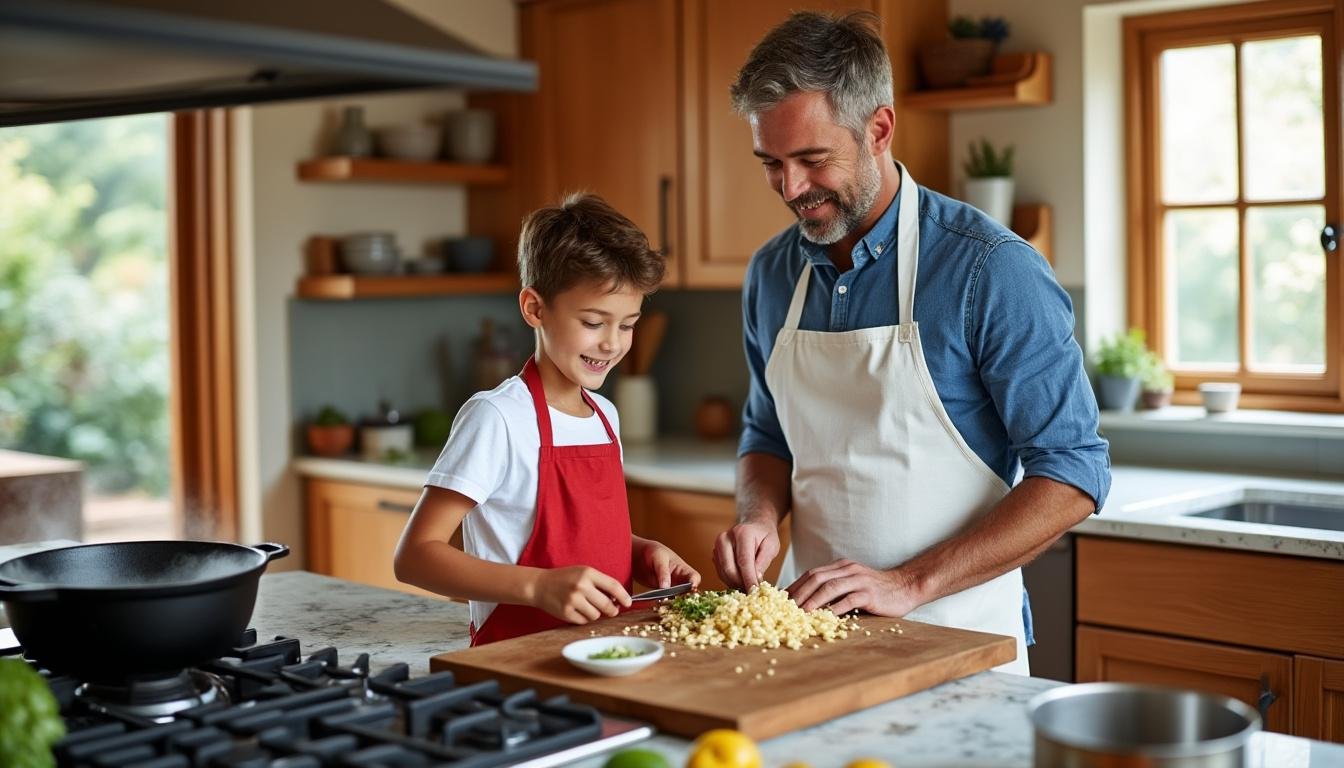
Practical Meal Planning and Grocery Strategies to Support Healthy Family Eating
One of the key successes in Chavez’s household is the weekly meal planning ritual, mitigated by a visible whiteboard listing dinners and lunch ideas. This visual and collaborative approach simplifies decision-making and ensures nutritional balance throughout the week.
Meal planning, especially when integrating culturally cherished dishes, provides structure against impulsive food choices that often lead to less healthy options. By writing down the meal schedule and compiling a grocery list, Chavez minimizes last-minute stress and reduces food waste. It also allows for better budgeting and strategic use of staple ingredients from brands like Goya Foods, Herdez, and Mission Foods.
Incorporating grocery trips as bonding experiences was crucial during his son’s younger years. Exposure to fresh ingredients, colorful produce, and the diversity of Hispanic specialty items encourages a broader palate and natural acceptance of healthy foods. As various studies confirm, childhood exposure and repeated tasting are critical factors for developing lifelong healthy eating patterns (source).
- Schedule regular family meal planning sessions to build routine and input.
- Use tools like whiteboards or apps to track meals and grocery needs.
- Shop together to familiarize children with food choices and labels.
- Focus on versatile ingredients that can be adapted to multiple dishes.
The routine and shared responsibility framework established here echoes recommendations for sustaining healthy habits with minimal friction (source).
Cultivating a Positive Food Relationship That Embraces Culture and Individuality
Chavez’s journey exemplifies the delicate balance between honoring cultural roots and respecting individual dietary preferences— notably his son’s vegetarianism since early childhood. This respect for personal choice encourages autonomy and interest in food that can counteract the challenges posed by peer pressure and media influences.
His philosophy reinforces that healthy eating need not mean rejecting culture but embracing it with intention. As Chavez says, “You can celebrate your heritage and nourish your family at the same time.” This nuanced approach is essential as Hispanic communities navigate the complex food environments of the modern world.
In 2025, awareness about paternal roles in nurturing healthy eating continues to grow. Resources such as dadcentral.ca and national health initiatives support fathers by offering strategies tailored for diverse family structures and cultural backgrounds. These efforts reflect broader social shifts recognizing fathers as indispensable partners in children’s health.
- Encourage children’s input and respect their dietary choices.
- Teach cultural pride through traditional foods and stories.
- Model flexibility in meals to accommodate preferences and needs.
- Create positive associations between food, family, and culture.
Ultimately, this ethos fosters well-rounded children who view food not only as nourishment but also as a joyful expression of their identity and family heritage.
Common Questions About Blending Hispanic Culture and Healthy Eating for Fathers
- How can fathers encourage picky eaters using cultural foods?
Introducing familiar yet varied dishes gradually, involving children in cooking, and avoiding pressure creates a positive environment that encourages trying new foods. - What are some healthy Hispanic pantry staples fathers should keep on hand?
Essential items include dried beans, corn tortillas (from brands like Mission Foods), fresh chiles, olive oil, tomatillos, and spices such as cumin and oregano. - How can fathers balance cultural meals with dietary restrictions like vegetarianism?
By focusing on plant-based proteins like beans, lentils, and vegetables traditional to Hispanic cuisine, fathers can adapt recipes without losing authenticity. - What role do paternal attitudes play in children’s long-term eating habits?
Fathers who model balanced, positive eating behaviors and discuss nutrition openly foster greater acceptance and healthier relationships with food in children. - Are there resources for Hispanic fathers looking to support their kids’ nutrition?
Yes, sites like fatherhood.gov and nutrition-focused platforms provide culturally relevant tools and guidance for involved parenting.
10 quick checks to spot low-quality supplements before you buy - plus research-backed doses for 12 common ingredients. Free PDF, no spam.
