


Functional constipation affects millions globally, significantly impacting daily comfort and wellbeing. Thankfully, research reveals that adopting specific healthy habits can reduce this risk by a substantial 40%. Middle-aged and older adults, in particular, stand to benefit from lifestyle modifications encompassing diet quality, physical activity, sleep patterns, and moderate alcohol consumption. These findings shed light on how integrative, sustainable health practices not only ease bowel regularity but also boost overall quality of life.
How Balanced Diets and Fiber-Rich Foods Play a Crucial Role in Preventing Functional Constipation
A primary pillar in guarding against functional constipation is maintaining a diet rich in fiber and nutrients that support digestive health. Fiber acts like a broom in the digestive tract, helping stimulate bowel movements and prevent stool hardening. Products like Metamucil, Benefiber, and Kellogg’s All-Bran are widely regarded for their fiber content and are accessible means to bolster daily intake.
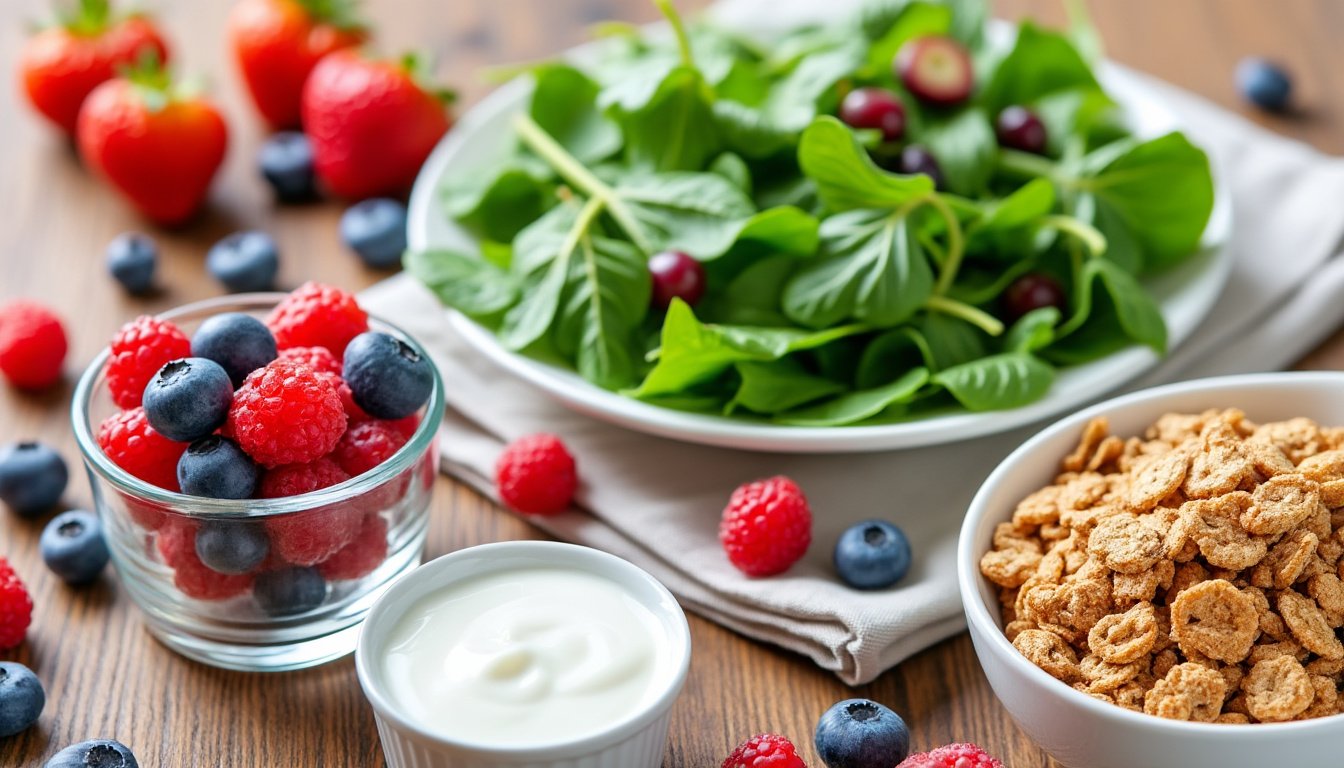
Incorporating natural fiber sources—such as whole grains, fruits, and vegetables—adds volume to the stool and accelerates transit time through the colon. For instance, a typical breakfast including Oikos yogurt mixed with bran flakes creates a gut-friendly meal packed with fiber and probiotics, essential for sustaining beneficial gut bacteria and softening stool consistency.
Furthermore, some dietary supplements from brands like Nature’s Bounty improve nutrient intake that indirectly supports digestion by soothing the gut lining and maintaining intestinal function. Interestingly, research highlighted in Dietitian Revision’s constipation diet plan stresses the importance of hydrated fiber enhancement to prevent constipation effectively.
10 quick checks to spot low-quality supplements before you buy - plus research-backed doses for 12 common ingredients. Free PDF, no spam.
Key dietary strategies to prevent constipation include:
- Increasing soluble and insoluble fiber intake gradually to avoid digestive upset.
- Consuming probiotic-rich foods or supplements like Activia to enhance beneficial gut flora.
- Maintaining adequate water intake alongside fiber for effective stool softening.
- Limiting high-fat, low-fiber processed foods which can inhibit bowel motility.
Interestingly, high-fat diets have been linked to functional constipation, especially in children, as noted in a study published by ScienceDirect. This underscores the need to opt for balanced meals rich in fruits, vegetables, and whole grains to sustain digestive health across all age groups.
The Impact of Regular Physical Activity and Vigorous Exercise on Bowel Health
Physical movement is a vital, often underrated component in reducing constipation risk. Engaging in regular vigorous exercise stimulates intestinal muscle contractions, facilitating the transit of waste through the colon. Doctors and dietitians frequently recommend activities such as brisk walking, cycling, or swimming for at least 30 minutes most days of the week.
Research published in Medscape links consistent exercise with a lowered risk of functional constipation by up to 40%, especially when combined with other healthy habits like proper diet and sleep. Interestingly, using fitness trackers such as Fitbit can motivate individuals to maintain activity levels, helping track both movement and sleep quality for holistic improvements.
Physical activity also benefits the gut microbiome composition, further enhancing stool consistency and frequency. Consider a scenario where an individual incorporating morning jogs experiences noticeable improvements in bowel routine and overall wellbeing—a feedback loop of health reinforcement.
Comprehensive recommendations for physical activity to mitigate constipation risk include:
- Engaging in at least 150 minutes of moderate to vigorous exercise weekly.
- Incorporating core and abdominal strengthening exercises to aid intestinal motility.
- Using devices like Hydro Flask water bottles to encourage hydration during workouts.
- Combining exercise with a balanced diet for a synergistic effect on bowel function.
Such proactive steps can reduce the burden of constipation and improve life quality remarkably, as echoed by clinical reviews in Springer’s journal of nutritional biochemistry.
The Role of Sleep Quality and Chrononutrition Patterns in Digestive Regularity
Sleep is increasingly recognized not only for its restorative powers but also for its influence on digestive health. Disruptions in circadian rhythm can affect gastrointestinal motility, secretion, and absorption, potentially leading to chronic constipation. Adults achieving optimal sleep—commonly defined as 7-8 hours per night—are more likely to maintain regular bowel habits.
Furthermore, the emerging field of chrononutrition studies how meal timing aligned with the body’s internal clock impacts digestive processes. Time-restricted eating and avoiding late-night meals may enhance motility patterns and hormone secretion, positively influencing bowel function.
Scientific explorations, such as those discussed on MSN Health, report that adults who adopt good sleep habits drastically lower constipation risk. Regular sleep synchronization can also modulate stress levels, which indirectly affect gut health, thanks to the gut-brain axis interaction.
Practical steps to improve sleep and chrononutrition habits include:
- Maintaining consistent sleep-wake schedules even on weekends.
- Consuming balanced meals earlier in the evening to align with natural circadian rhythms.
- Limiting caffeine and alcohol intake close to bedtime to prevent sleep disruptions.
- Incorporating calming bedtime routines to reduce stress and support gut regulation.
Brands like Colgate have even expanded into sleep aid product lines targeting improved oral and respiratory health during sleep, reflecting growing focus on comprehensive health solutions.

How Moderation in Alcohol Intake Supports Digestive Wellbeing
Alcohol consumption impacts the digestive tract in complex ways. Excessive intake can lead to dehydration and disrupt normal bowel movements, thereby increasing constipation risk. However, emerging evidence supports that moderate alcohol consumption, combined with other healthy habits, doesn’t exacerbate and may even contribute to balanced gut function.
Moderation is key—public health guidelines suggest limiting alcohol intake to one drink per day for women and two for men. Within this framework, individuals can maintain digestive tract hydration and microbial balance without harmful effects. Studies like those reported by Internews emphasize that the most important factor is an integrative lifestyle approach including diet, exercise, sleep, and alcohol moderation.
Helpful strategies include:
- Choosing lower-alcohol beverages and limiting quantity consumption.
- Alternating alcoholic drinks with water to prevent dehydration.
- Being mindful of alcohol’s impact on medication absorption and gut lining integrity.
- Consulting healthcare professionals about alcohol use when managing chronic constipation.
Understanding how lifestyle interplay affects constipation risk enables better self-care. For example, a 55-year-old who integrates moderate wine intake in a Mediterranean diet alongside active living and good sleep patterns has a lower chance of experiencing constipation.
Supplementing Healthy Habits with Targeted Products for Optimal Bowel Regularity
While lifestyle changes lay the foundation for preventing functional constipation, specific targeted products have proven beneficial to many individuals. Fiber supplements such as Metamucil and Benefiber offer convenient ways to reach daily fiber goals, especially when natural intake falls short.
Probiotic yogurt brands like Activia enhance gut flora diversity, supporting softer stool and improving transit time. Additionally, hydration tools like Hydro Flask promote consistent water consumption crucial for stool consistency. Fitness trackers, including Fitbit, complement the regimen by motivating users to maintain activity and monitor their overall health metrics.
Careful integration of these products must be tailored; for instance:
- Starting fiber supplements slowly to avoid bloating or gas.
- Combining probiotics with fiber for synergistic effects on microbiota and motility.
- Using hydration reminders or smart bottles to encourage water intake.
- Tracking lifestyle compliance with wearable technology for accountability.
Collectively, the combination of healthy dietary choices, routine exercise, sufficient sleep, moderate alcohol consumption, and suitable supplements presents a robust defense against functional constipation, improving life quality while reducing medical complications. Extensive reviews and guidelines, such as those summarized at Archyde, affirm this holistic approach’s effectiveness.
Questions about Healthy Habits and Functional Constipation
What types of fiber are best for preventing constipation? Soluble fiber (found in oats, beans, and fruits) softens stool, while insoluble fiber (in whole grains and vegetables) adds bulk and stimulates bowel movement. Both are important for regularity.
How does exercise reduce constipation risk? Physical activity increases muscle contractions in the intestines, promoting faster transit of waste and improving digestion efficiency.
Can sleep patterns influence bowel health? Yes, consistent and adequate sleep helps regulate the digestive system’s timing and function through circadian rhythm synchronization.
Are fiber supplements safe for daily use? When introduced gradually and with sufficient fluids, fiber supplements like Metamucil and Benefiber are safe and effective for long-term use.
Is it necessary to avoid alcohol entirely to prevent constipation? Moderation is key. Limiting alcohol consumption and ensuring hydration supports bowel health while maintaining balanced digestive function.
10 quick checks to spot low-quality supplements before you buy - plus research-backed doses for 12 common ingredients. Free PDF, no spam.

1 Comment
Pingback: Simple Healthy Habits That Can Gently Boost Your Blood Sugar, According to a Nutritionist