
Close Menu
    Follow us on Google News
    Follow Livewell Magazine on Google News
    Facebook X (Twitter) Instagram
    LiveWell Magazine
    Facebook
    Follow LiveWell Magazine on Google News
    • Cancer

      What are the key actions you should take following a mesothelioma diagnosis?

      June 19, 2026

      The “Silent Killer”: 2 Hidden Signs of Pancreatic Cancer You Can Spot Years in Advance

      April 20, 2026

      Barry Manilow Opens Up About Embracing Healthier Lifestyle Choices During His Cancer Battle

      April 8, 2026

      Healthy Dad’s Unexpected Cancer Diagnosis Revealed After Ignoring Nighttime Bathroom Trips: ‘A Heartbreaking Surprise’

      February 22, 2026

      BREAKING NEWS: Gene therapy for sickle cell disease: a medical breakthrough still out of reach for many

      December 29, 2025
    • Fitness

      Unveiling the Science Behind Why Exercise Feels Tough for Many: Insights and Solutions

      June 27, 2026

      How can you revitalize your cardiovascular health with 8 engaging cardio tips for the reluctant fitness enthusiast?

      June 26, 2026

      Easy Habits to Make Your Workouts Feel Effortless

      June 25, 2026

      What are the top 5 strategies to walk faster and torch more calories?

      June 24, 2026

      Which workout reigns supreme in the ultimate fitness challenge?

      June 15, 2026
    • Health

      How to choose a supplement for dizziness and balance problems

      July 10, 2026

      How vestibular supplements work: Science behind balance and dizziness relief

      July 10, 2026

      Causes of vertigo: Common triggers and when to see a doctor

      July 10, 2026

      How to choose a joint supplement: Evidence-based checklist for better mobility

      July 10, 2026

      How collagen, glucosamine and turmeric work to support mobility

      July 10, 2026
    • Lifestyle

      When Good Intentions Go Wrong: Personal Stories of Healthy Habits That Backfired

      July 11, 2026

      Master Gardeners Inspire Healthy Habits Among Young Learners

      July 10, 2026

      How Healthy Eating Habits Can Shield Your Brain from Aging – Insights from CNN

      July 7, 2026

      Habits to Steer Clear of After 5 P.M. for Better Blood Pressure Control

      July 6, 2026

      Tiny Habits That Can Transform Your Well-Being and Boost Your Happiness

      July 5, 2026
    • Nutrition

      Top 10 Most Beneficial Teas to Sip, Backed by Nutrition Experts

      July 12, 2026

      Daily Avocado Toast: What Registered Experts Reveal About Its Impact on Your Health

      July 8, 2026

      The Ideal After-Dinner Drink for Managing High Cholesterol

      July 6, 2026

      What are the top 5 scientifically proven drinks to reduce your cholesterol?

      June 26, 2026

      What are the unexpected perks of broccoli for your hormonal harmony?

      June 23, 2026
    • Senior

      Doctors Reveal the Key Mindset Shift That Boosts Health After 65

      July 6, 2026

      How is the rise of telehealth benefiting senior citizens?

      June 4, 2026

      What are the essential approaches for promoting high-quality senior care and independence?

      May 6, 2026

      Nurturing Your Gut After 50: 7 Essential Habits for Lasting Digestive Wellness

      April 3, 2026

      Nourishing Your Golden Years: 10 Essential Nutrition Habits to Promote Healthy Aging and Maintain Independence After 60

      March 27, 2026
    • Trends

      Why is Zhiyin Zhou advocating for a human-centered approach in AI healthcare evolution?

      June 25, 2026

      What are the innovative approaches to autism therapy by psychologist Valeriia Manchuk?

      June 15, 2026

      What are the innovative techniques in permanent makeup for aesthetic and restorative purposes?

      June 2, 2026

      How could the 7 surprising travel trends of 2026 disrupt your wellness plans and how can you navigate them?

      April 15, 2026

      Which innovative skincare trends will shape the industry in 2026 according to Uliana-Sofiia Savchenko?

      April 6, 2026
    • Wellness

      Dr. Oz Shares 3 Simple, Medication-Free Strategies to Enhance Your Health for Free

      July 12, 2026

      How will new European taxes to combat overtourism affect your travel wellness?

      June 26, 2026

      How could the travel advisory for Nepal amid political turmoil affect your travel wellness?

      June 25, 2026

      How will American Airlines’ new luxury experience impact your travel wellness?

      June 23, 2026

      Mindful Glow: How Meditation Enhances Your Skin’s Natural Radiance – AOL

      June 17, 2026
    Subscribe
    LiveWell Magazine
    Home»Nutrition»Chocolate and food addiction: myth or reality?
    Nutrition

    Chocolate and food addiction: myth or reality?

    FRANK JOSTBy FRANK JOSTNo Comments
    Facebook Twitter Email WhatsApp Pinterest LinkedIn Reddit Telegram Threads
    Share
    Facebook Twitter LinkedIn Email Reddit Telegram WhatsApp Threads

    Chocolate captivates millions worldwide, with renowned brands like Cadbury, Hershey’s, Nestlé, Mars, Lindt, Godiva, Ghirardelli, Milka, Ferrero Rocher, and Toblerone delighting consumers daily. But beneath its sweet surface lies a question that intrigues neuroscientists and chocolate lovers alike: can chocolate really be addictive? While some research highlights brain reactions that resemble those found in addictive substances, chocolate’s true power seems to lie in its capacity to trigger pleasure pathways rather than causing a clinical addiction. Exploring the fine line between intense cravings and genuine dependency reveals the complex relationship we have with this beloved treat.

    Is Chocolate Addiction Real? Understanding Food Cravings and Brain Chemistry

    Chocolate’s irresistible appeal is closely tied to its high sugar and fat content. These elements stimulate the brain’s reward system, releasing serotonin and dopamine—neurotransmitters that enhance mood and pleasure. This biological mechanism explains why enjoying chocolate from brands like Lindt or Godiva can evoke such delight.

    Yet, the brain adapts to frequent indulgence by reducing dopamine release, prompting some individuals to eat larger quantities for the same effect. This pattern might appear as addiction, but it differs fundamentally from substance addiction. The main psychoactive compound in cocoa, theobromine, is non-addictive. Even caffeine, present only in small amounts in dark chocolate, rarely causes dependence comparable to coffee.

    • Chocolate triggers serotonin release, boosting happiness.
    • Dopamine pathways activate in response to sugar, creating pleasure sensations.
    • Diminished dopamine output leads to increased consumption, mimicking addictive behavior.
    • Theobromine, cocoa’s primary alkaloid, lacks addictive properties.
    • Caffeine content in chocolate is too low to cause significant dependence.
    Related Article :  How can you nourish your gut with delicious choices for a healthier you?

    Scientific Insights: Brain Imaging and Psychological Responses to Chocolate
    Studies from institutions such as Yale University reveal intriguing brain activity patterns. Individuals exhibiting “chocolate addiction” showed similar reward-related brain activation as drug users when exposed to chocolate milkshakes. Moreover, animal studies reported increased enkephalin—a peptide that engages opioid receptors—following chocolate intake, a chemical response akin to, yet distinct from, opioid effects.

    • Brain scans show surge in craving and reward centers upon chocolate exposure.
    • Decreased impulse control areas during chocolate consumption reflect patterns seen in addictions.
    • Enkephalins increase after eating chocolate, causing pleasure but not full opioid-like effects.

    Despite these parallels, chocolate induces no lasting changes in neurons or brain chemistry, unlike addictive drugs. Absence of withdrawal symptoms further distances chocolate from being a truly addictive substance.

    Food Addiction vs. Chocolate Craving: Drawing the Line

    Food addiction encompasses three critical components: intense craving, loss of control, and continued consumption despite harmful outcomes. While many experience midnight cravings for sugary or fatty foods like chocolate, few feel compelled by low-calorie, less palatable choices such as celery at the same hour.

    This tendency highlights how sweet and fatty foods commandeer the brain’s reward pathways, particularly under stress. Indeed, stress often precipitates relapse in various addictions and challenges dietary restraint.

    • Intense craving targets foods rich in sugar and fat.
    • Loss of control manifests as overeating despite intentions to restrain.
    • Negative consequences such as weight gain or dental issues may not deter consumption.
    • Stress-related triggers promote increased consumption for comfort.

    It’s important to recognize that food addiction differs fundamentally from drug addiction because food is essential for survival, making abstinence impossible. This distinction complicates both diagnosis and treatment of problematic eating behaviors.

    Related Article :  From Green Tea to Daily Strolls: A Top Nutritionist Reveals How 'Healthy Habits' Can Gradually Elevate Your Blood Sugar

    The Growing Concern: Obesity and the World’s Relationship with Sweet Treats
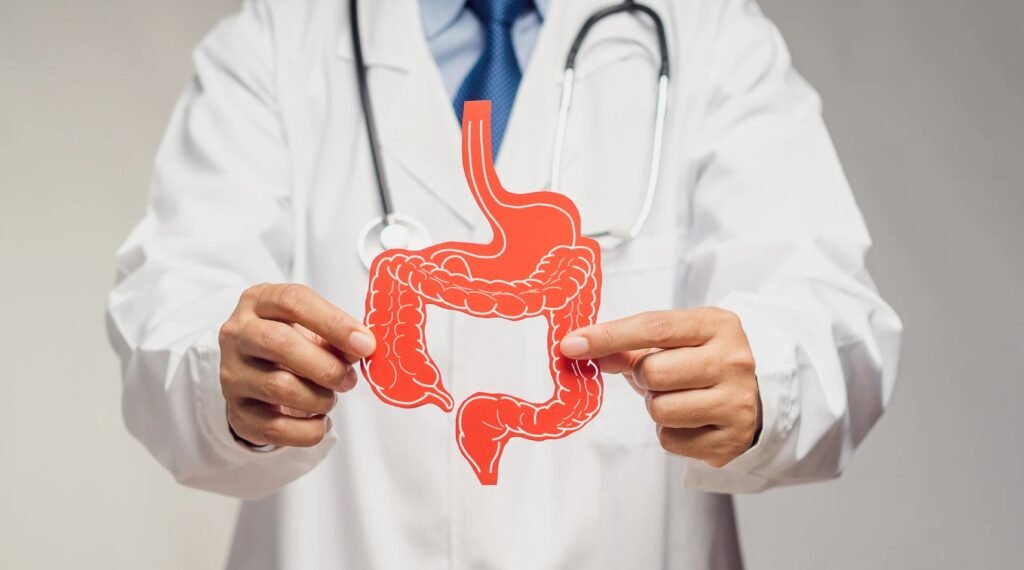
    The obesity epidemic has intensified interest in the concept of food addiction. Excessive consumption of high-calorie foods like chocolate may lead to a vicious cycle of craving and overindulgence, reminiscent of addiction patterns though not identical.

    Efforts to understand food addiction are advancing, with resources like the Yale Rudd Center providing survey tools to quantify addictive-like eating behavior and its health impacts. Meanwhile, recent studies delve into when unhealthy habits start affecting well-being, emphasizing early intervention.

    • Link between high sugar/fat intake and weight gain.
    • Stress as a driver for returning to comfort foods including chocolate.
    • Food addiction surveys aiding ongoing research.
    • Challenges in treating food-related compulsions due to necessity of eating.

    Strategies for Enjoying Chocolate Without Overindulgence
    Whether or not true chocolate addiction exists, moderation remains the cornerstone of a healthy relationship with food. Mindful consumption can turn chocolate indulgence into a source of pleasure rather than guilt.

    Consider adopting these tactics:

    • Pause and assess craving before reaching for your favorite Ferrero Rocher or Toblerone.
    • Savor each bite slowly, enhancing enjoyment and reducing volume consumed.
    • Set intentional limits to avoid habitual overeating.
    • Use chocolate as a reward rather than habitually or for stress relief.
    • Explore alternatives like fruit or nuts for balanced snacking.

    By cultivating awareness around cravings, individuals can foster a more balanced consumption pattern, contributing positively to overall well-being. More insights on healthful habits and recovery stories can be found at Live Well Magazine.

    Follow on Google News
    Share. Facebook Twitter LinkedIn Email WhatsApp Reddit Telegram Threads Copy Link
    Previous ArticleCompassionate care helps man cope with chronic pain
    Next Article 7 ways to fuel kids’ brains
    Avatar photo
    FRANK JOST
    • Website

    Frank is a seasoned media consultant for LiveWell Magazine, with over two decades of experience in the digital media landscape. His expertise spans online publishing, audience engagement strategies, and health communication. A recognized expert in mutual health insurance, Frank brings a unique perspective that bridges the gap between public health awareness and digital storytelling. He is passionate about making reliable health information accessible to all, and continues to help readers navigate the complexities of wellness and insurance in the digital age. Frank's Linkedin page

    Continue reading

    Top 10 Most Beneficial Teas to Sip, Backed by Nutrition Experts

    By FRANK JOST

    Daily Avocado Toast: What Registered Experts Reveal About Its Impact on Your Health

    By FRANK JOST

    The Ideal After-Dinner Drink for Managing High Cholesterol

    By FRANK JOST

    What are the top 5 scientifically proven drinks to reduce your cholesterol?

    By Amelie Goujon

    What are the unexpected perks of broccoli for your hormonal harmony?

    By Amelie Goujon

    Unveiling the Surprising Reason Behind Bloating After Nutritious Meals (Hint: It’s Not Fiber

    By FRANK JOST

    Natural Foods Proven to Reduce Cholesterol Levels Effectively

    By FRANK JOST

    Which nuts are the best for protein, omega-3s, and fiber in the ultimate nut showdown?

    By Amelie Goujon

    Could a daily glass of orange juice be the secret to heart health and longevity?

    By Amelie Goujon

    Which 14 superfoods can help boost your heart health and slash cholesterol?

    By Amelie Goujon

    Which foods should you select to protect against age-related health concerns?

    By Amelie Goujon

    How could eating pickles daily affect your blood pressure?

    By Amelie Goujon
    Add A Comment
    Leave A Reply Cancel Reply

    Subscribe to Our Newsletter

    Join the Live Well Magazine Newsletter and get exclusive tips on health, wellness, lifestyle, and personal growth — straight to your inbox.

    Trending
    Preventive Health

    Could This Everyday Habit Be Silently Increasing Your Risk of Diabetes?

    Health Products

    NeuroPrime Review 2026: Is It Worth It in 2026? I Weigh Price vs Value

    Nutrition

    Top 10 Most Beneficial Teas to Sip, Backed by Nutrition Experts

    Health Products

    Prosta Peak Reviews 2026: Scam or the Real Deal? (Honest Verdict)

    Wellness

    Dr. Oz Shares 3 Simple, Medication-Free Strategies to Enhance Your Health for Free

    Health Products

    Finessa Review: What the Marketing Won’t Tell You (2026)

    Facebook
    • About us
    • Contact us
    • Contributors
    • Legal
    • Privacy
    © 2026 livewellmagazine.org.

    Type above and press Enter to search. Press Esc to cancel.