

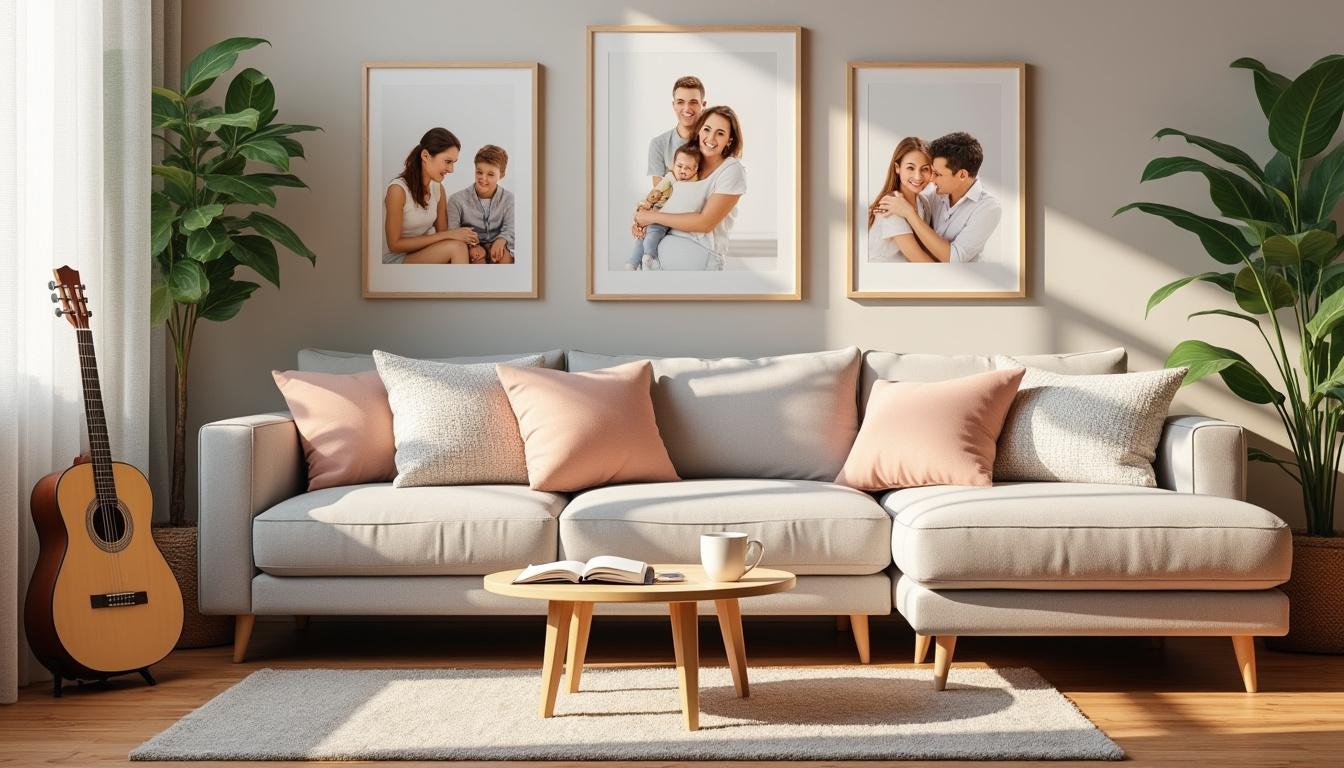
In today’s fast-paced world, mental health challenges often leave individuals searching for a comforting and safe space. The concept of “The Living Room” has emerged as a transformative haven where people can find peer support, emotional safety, and practical coping strategies without the formality of clinical settings. With the rise of innovative community mental health initiatives in 2025, living rooms have become more than just furniture-filled spaces—they represent an accessible refuge for those facing emotional distress, anxiety, or crisis. Drawing inspiration from trusted home furnishing brands like IKEA, West Elm, and Pottery Barn, these spaces blend comfort with purpose, fostering wellness through a human-centered design that invites healing conversations and peer connection.
The Living Room Model: A Sanctuary for Mental Wellness and Peer Support
The Living Room serves as a quiet, welcoming environment designed to provide immediate support for adults experiencing life’s stresses or an increase in mental health symptoms. Unlike traditional emergency rooms or clinical crisis centers, this non-medical approach emphasizes an atmosphere of calmness and understanding. It is staffed primarily by trained recovery support specialists who use personal experience with mental health challenges to offer empathetic listening and practical tools.
- Safe, home-like environment: Furnished with brands such as La-Z-Boy recliners and Room & Board sofas, these spaces promote relaxation and comfort.
- Peer support specialists: Trained staff that provide emotional support, de-escalation, and coping strategies.
- Accessible hours: Many living rooms operate 24/7, ensuring support is available anytime.
- No cost services: These programs are typically free for visitors, reducing barriers to mental health assistance.
- Language inclusivity: Services often extend to multiple languages, including English and Spanish, ensuring wider community reach.
This model not only addresses immediate emotional needs but also focuses on building long-term emotional wellness and resilience.
Who Benefits from Visiting The Living Room?
The Living Room welcomes anyone aged 18 and over who is feeling overwhelmed, sad, anxious, or simply seeking someone to talk to who truly understands their experience. Whether facing an emotional crisis or just wanting a supportive environment to share feelings, visitors find refuge in this space. The approach centers on acknowledging current feelings and offering tools for navigating them rather than diagnosing or labeling problems.
- Individuals experiencing mental health crises looking for immediate, compassionate support.
- Those affected by social isolation or feeling the impact of stress from daily routines.
- People seeking peer connection without the stigma of clinical intervention.
- Visitors seeking practical coping mechanisms taught by those with lived experience.
The Living Room’s commitment to inclusivity and availability makes it a vital resource within mental health infrastructures, aligning with wellness principles shared by experts on Live Well Magazine.
Designing Supportive Spaces: Inspiration from Leading Home Furnishing Brands
The ambiance of The Living Room plays a crucial role in facilitating mental wellness. Inspiration is drawn from modern, inviting furniture collections offered by renowned brands like IKEA, Herman Miller, and CB2, which emphasize ergonomics, comfort, and aesthetic appeal.
- Comfortable seating: La-Z-Boy recliners and Room & Board sofas provide physical ease to encourage relaxation.
- Warm lighting: Soft, adjustable lighting mirrors the ambiance found at West Elm and Pottery Barn living rooms to reduce anxiety.
- Functional design: Furniture from Wayfair and Crate & Barrel enhances flexibility for group and individual support sessions.
- Inclusive language resources: Visual aids and materials accommodating multilingual visitors.
- Calming colors and textures: Elements inspired by CB2’s minimalist style support focus and calmness during emotional processing.
Thoughtful interior design in The Living Room helps bridge the gap between clinical support and the comforting environment people associate with their personal homes. This balance promotes emotional safety, a key factor in effective mental health recovery.
Benefits of The Living Room Beyond Immediate Crisis Intervention
The Living Room is more than a crisis respite center—it fosters empowerment and long-term self-care habits that contribute to ongoing wellness. Visitors learn coping strategies that complement wider health practices such as proper energy management and hormone balance, topics explored in depth at Live Well Magazine.
- Immediate emotional relief: Provides space to decompress and find peer understanding during distress.
- Skill-building: Recovery support specialists teach practical methods for stress reduction, goal setting, and safety planning.
- Community connection: Encourages relationships that prevent social isolation and build resilience.
- Encouragement of healthy habits: Visitors are supported in adopting lifestyle changes that enhance mental and physical health.
- Accessible follow-ups: Opportunities for continued peer support through individual or group sessions offered by programs affiliated with the Living Room model.
This comprehensive approach positions The Living Room as a pioneering solution to mental health care challenges, targeting both acute incidents and the cultivation of enduring well-being.
Peer-driven mental health initiatives emphasize the importance of understanding and connection, offering a compassionate alternative to emergency departments often criticized for their impersonal environments.
