


Integrating healthy habits into team culture is a transformational journey that goes far beyond occasional wellness tips. It’s about weaving nourishing routines seamlessly into the fabric of daily interactions and practices. In today’s dynamic workplaces and sports teams, fostering a culture that champions wellbeing can ignite motivation, boost performance, and build a resilient, thriving group. As coaches, managers, or team leads, understanding the psychology behind habit formation and embedding these behaviors in a way that feels organic and sustainable is crucial. This article explores practical strategies to create such a culture, enriched by expert insights and tools that resonate with teams from athletic fields to corporate offices.
- Establishing foundational healthy habits early in team dynamics
- Embedding emotional regulation and mental wellness into routines
- Leveraging technology and wellness tools to support habit formation
- Encouraging nutrition and physical activity as core components of performance
- Building a continuous feedback culture that celebrates progress and learning
Establishing Foundational Healthy Habits Early in Your Team Culture
Creating a culture that promotes healthy habits begins at the inception of team formation. Waiting for athletes or employees to adopt wellness routines on their own is often ineffective because many individuals lack the foundational guidance or resources. Coaches and leaders should model punctuality, proper nutrition, and sleep hygiene, which are cornerstones of health that frequently go unaddressed.
Psychologist Kevin Chapman emphasizes that normalizing habits such as healthy eating, emotional transparency, and consistent attendance “shape the culture of a program.” This means that when leaders make these practices visible and expected, they become embedded within the team’s identity.
For example, a coach could begin each training session with a hydration reminder referencing the benefits highlighted in MyFitnessPal’s nutrition tracking programs, underscoring the impact of fueling properly on performance. Another strategy is to integrate a five-minute mindfulness check-in utilizing apps like Headspace or Calm, fostering early emotional awareness among team members. By doing so, these practices feel routine and natural.
10 quick checks to spot low-quality supplements before you buy - plus research-backed doses for 12 common ingredients. Free PDF, no spam.
Practical routines that set a healthy tone
- Pre-practice hydration rituals: Reminding athletes to drink water and utilize electrolyte-enhanced beverages like LifeAID to maintain energy levels
- Scheduled team check-ins: Short group conversations about wellness goals or mood tracking, leveraging tools such as Wellness.com for suggestions
- Sleep hygiene education: Promoting wind-down routines supported by calming teas like Yogi Tea and using Fitbit sleep tracking as a way to visualize rest patterns
- Commitment to punctuality: Emphasizing starting on time and being present as a respect for teammates and shared goals
| Habit Category | Example Activity | Tools & Supports | Expected Outcome |
|---|---|---|---|
| Nutrition | Daily hydration reminder before practice | LifeAID drinks, MyFitnessPal | Improved energy and focus during training |
| Sleep | Educate on pre-sleep rituals | Yogi Tea, Fitbit sleep tracker | Better rest and recovery |
| Emotional Wellness | Mindfulness meditation sessions | Headspace, Calm | Enhanced emotional regulation |
| Behavioral | Punctuality policies | Team agreements | Team respect and consistency |
By consistently weaving these habits into the schedule, the team begins to embrace them as part of their daily routine instead of a forced obligation. Companies looking for more immersive ways to promote wellbeing can turn to articles such as 10 Ways to Promote Healthy Habits in the Workplace, which detail nuanced approaches valuable to workplace cultures.
Embedding Emotional Regulation and Mental Wellness into Team Practices
Mental wellness is as critical to performance as physical fitness, yet it is often overlooked in team settings. Integrating strategies for emotional regulation helps athletes and employees deal with stress, setbacks, and interpersonal dynamics more effectively.
Chapman stresses the importance of creating a judgment-free environment where team members feel safe discussing challenges and emotions. This culture shift is supported by regular emotional check-ins and emotional intelligence training, which can result in higher resilience during competition or high-pressure projects.
Embedding emotional management into routine begins with the coach or leader modeling healthy emotional regulation. For example, using calm communication and normalizing vulnerability helps team members express themselves without fear of stigma. Tools such as Calm and Headspace apps provide guided meditations or breathing exercises perfect for pre-game or pre-meeting calming rituals.
Strategies for emotional regulation in team dynamics
- Pre-game/meeting rituals: Consistent breathing exercises or visualization practices that foster focus, such as Nike’s mental preparation campaigns promoting presence and calm
- In-competition cues: Developing simple, agreed-upon signals like “press the reset button” to help athletes regain composure quickly
- Post-performance reflections: Regularly asking “What did we learn?” to build a growth mindset within the team
Additionally, creating structured moments where athletes or employees can share their feelings and receive peer support strengthens trust. Research highlights the positive impact of this openness on team cohesion and individual mental health. Resources like TrueSport’s guide on healthy habits in team culture provide actionable insights for transforming team environments.
| Emotional Regulation Habit | Application | Technology/Support | Impact |
|---|---|---|---|
| Pre-performance visualization | Start practices with a visualization exercise | Headspace, Calm | Improved focus and confidence |
| In-the-moment cues | Use “reset button” cue during stress | Coach-led reminders | Faster emotional recovery |
| Post-game/team reflection | Group discussion on learnings and improvements | Team meetings, Wellness.com guidelines | Stronger team cohesion |
Experts also recommend cultivating emotional awareness with the help of apps and workshops that provide mental health support alongside physical training. Integrating mental wellness is indispensable in creating a healthy workforce culture that sustains productivity and satisfaction, as highlighted in various corporate wellness studies.
Leveraging Technology and Wellness Tools to Reinforce Healthy Habits
Technology now plays a pivotal role in supporting healthy habits, offering personalized monitoring and engagement. Many teams and organizations use apps and wearables that sync well with existing wellness initiatives, enhancing individual and group accountability.
For instance, a Nike-sponsored team might utilize wearable devices like Fitbit or Peloton trackers to monitor activity levels and recovery, linking data to apps like MyFitnessPal to ensure nutrition complements the physical workload. This integrated approach enables real-time adjustments and motivational prompts.
In addition to fitness tracking, apps like Calm and Headspace support mental health by providing guided meditation, breathing exercises, and sleep stories that can be incorporated into daily wind-down routines. These tools cater to different needs and learning styles, making them adaptable to diverse team environments.
Popular wellness apps and wearables supporting team habits
- Fitbit: Tracks physical activity, heart rate, and sleep to optimize recovery and performance
- MyFitnessPal: Allows for nutritional tracking and goal setting aligned with training demands
- Headspace & Calm: Facilitate mindfulness, stress relief, and focus improvement routines
- Peloton: Provides engaging and interactive fitness classes accessible for team workouts
- Yogi Tea: Incorporated into post-training relaxation rituals to improve recovery and calmness
| Tool | Main Feature | Best Use Case | Integration Potential |
|---|---|---|---|
| Fitbit | Physical activity and sleep tracking | Monitor recovery and readiness | Syncs with MyFitnessPal and wellness platforms |
| MyFitnessPal | Nutrition tracking | Align diet with training demands | Supports group and individual goals |
| Headspace | Guided meditation and mindfulness | Pre-competition mental focus | Customized team sessions possible |
| Peloton | Interactive fitness classes | Team cardiovascular workouts | Encourages social motivation |
| Calm | Stress relief and sleep stories | Supports recovery and relaxation | Flexible usage options |
These platforms not only guide individuals but can also foster a feedback loop where coaches track collective progress and celebrate milestones, reinforcing positive habits. For in-depth wellness strategies that incorporate such technologies, visit Create a Thriving Workplace with Culture and Wellness Strategies.
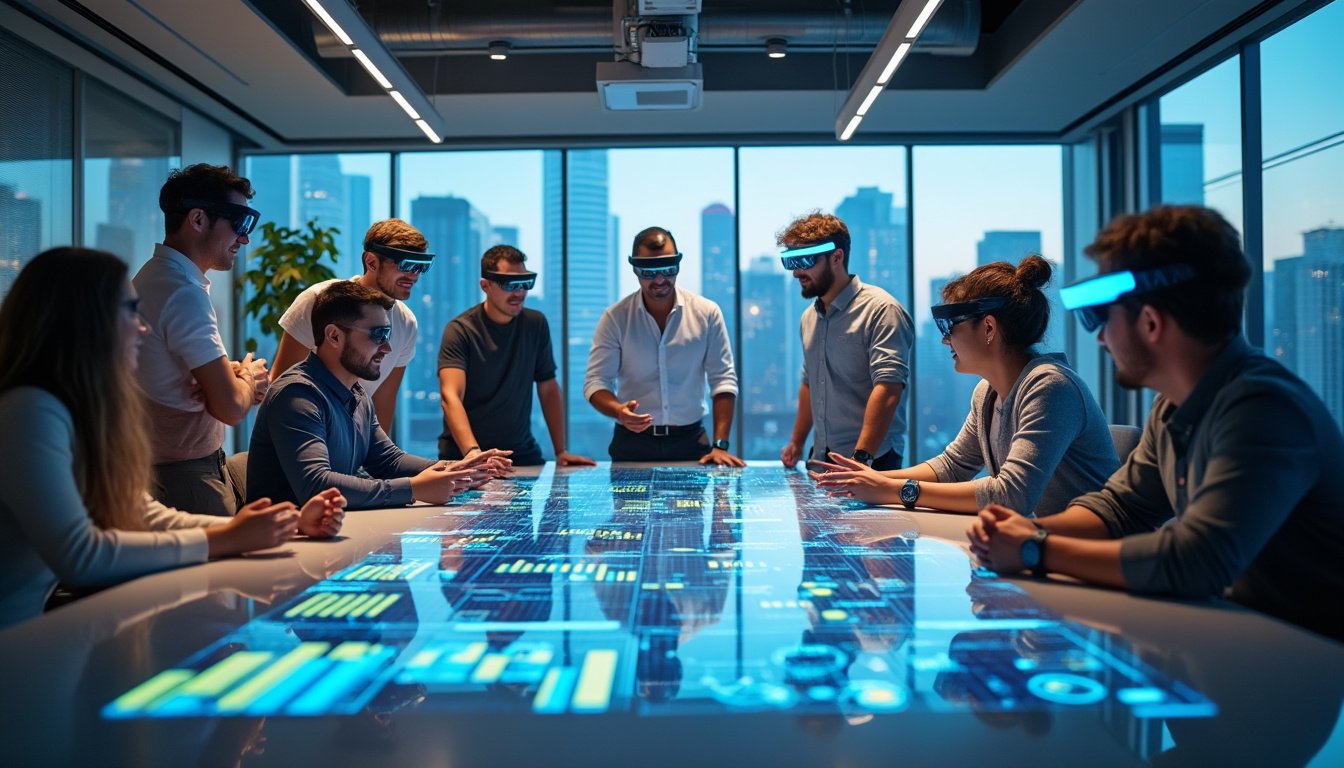
Tech adoption should be inclusive and simple to prevent overwhelm. Some teams have success by gamifying wellness challenges or offering wellness stipends for purchasing gear or subscriptions, a practice noted by wellness experts in forums like Innovative Ideas for Incentivizing Healthy Workplace Habits.
Encouraging Nutrition and Physical Activity as Core Team Values
Nutrition and physical activity are pillars of any healthy team culture. Coaches and leaders should not only expect proper training but also champion habits like balanced meals and active rest, ensuring the team can sustain high performance over time.
Role modeling healthy food choices, sharing nutrition education, and providing access to healthy snacks aligned with athlete or employee needs support this mission. Nutritionists recommend simple options that are satisfying yet nourishing, a concept discussed in depth in articles like Healthy Snacks That Nutritionists Actually Eat.
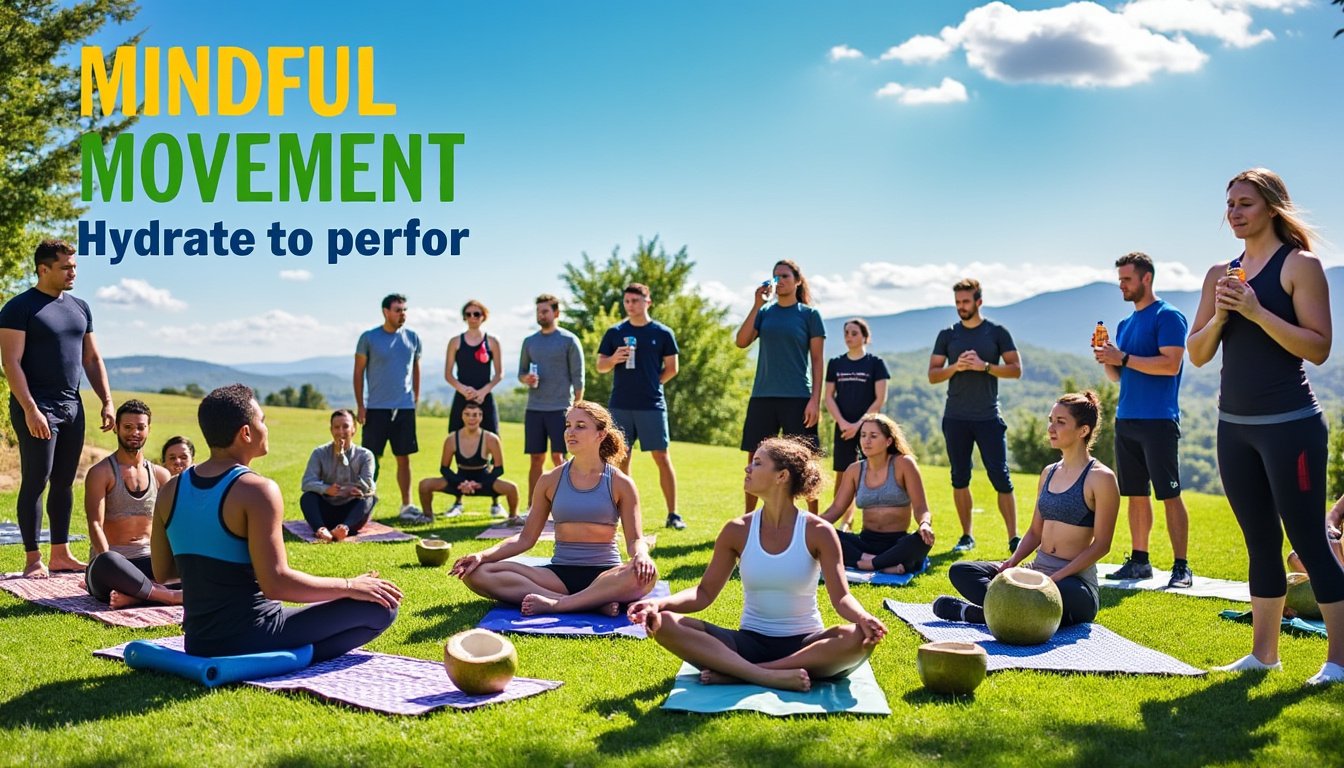
Encouraging movement beyond regular training sessions improves overall energy and wellbeing. Group activities like yoga sessions inspired by Yogi Tea’s wellness philosophy, or team walks encourage bonding while breaking sedentary habits.
Tangible ways to promote nutrition and physical activity
- Providing nutritious snacks: Stocking team areas with fruits, nuts, and hydration options like electrolyte beverages from LifeAID
- Organizing group exercise: Incorporating Peloton or yoga sessions to diversify movement patterns and reduce stress
- Nutrition workshops: Hosting educational talks on meal preparation, perhaps referencing simple recipes from trusted sources such as a simple three-step approach to heart-healthy meals
- Meal tracking and support: Encouraging team members to use MyFitnessPal for awareness and shared accountability
| Domain | Activity | Frequency | Expected Benefit |
|---|---|---|---|
| Nutrition | Healthy snack availability | Daily | Improved energy and recovery |
| Physical Activity | Group yoga or Peloton classes | Weekly | Enhanced flexibility and stress relief |
| Education | Monthly nutrition workshops | Monthly | Greater nutritional knowledge |
Strong team cultures that support nutrition and movement contribute significantly to reducing injury, improving mood, and enhancing overall team dynamics. For more detailed guidance, the resource How to Build a Culture of Wellness at Your Company offers proven industry approaches.

Building a Continuous Feedback Culture That Celebrates Progress and Learning
To sustain healthy habits, teams need structures that reinforce positive behavior and encourage reflection. Establishing ongoing feedback loops where successes are acknowledged and lessons from setbacks are shared nurtures a growth mindset and collective responsibility.
Chapman advocates for post-game or post-project habit of asking, “What did we learn?” This simple debriefing encourages team members to reflect on adaptations demanded by situations, fostering resilience and collaborative learning.
Encouraging individuals to share two or three key learnings or improvements after each performance builds accountability while reducing the stigma around mistakes. This practice is supported by evidence linking reflection with enhanced emotional intelligence and adaptability in team settings.
Methods to integrate feedback and recognition
- Regular reflection sessions: Team meetings focused on what worked well and areas for growth
- Recognition programs: Celebrating habit consistency, such as punctuality or mindfulness milestones
- Health-related KPIs: Measuring and sharing wellness metrics to visualize progress collectively
- Peer accountability partnerships: Pairing team members to support and encourage positive habits
| Feedback Practice | Frequency | Purpose | Expected Outcome |
|---|---|---|---|
| Post-event learning debrief | After every game or project | Reflection and learning | Improved team performance and cohesion |
| Habit recognition awards | Quarterly or monthly | Encourage healthy habit consistency | Increased motivation and commitment |
| Wellness KPIs tracking | Bi-monthly | Measure impact of habits | Data-driven adjustments |
Companies dedicated to cultivating these practices often gain a competitive edge, improving productivity and employee satisfaction. For further strategies, resources such as 7 Ways to Cultivate a Culture of Health in Organizations offer in-depth approaches.
FAQ on Integrating Healthy Habits into Your Team Culture
- How can a coach encourage emotional openness without making athletes uncomfortable?
Creating a judgment-free zone starts with the coach modeling emotional expression and explaining why it’s important. Starting small with anonymous surveys or optional sharing can ease athletes into greater openness. - What role does technology play in forming healthy habits at work or in sports?
Technology provides personalized feedback and motivation, increasing awareness of nutrition, activity, and mental wellbeing. Tools like Fitbit, MyFitnessPal, and Calm can seamlessly support habit formation. - How do you maintain momentum after initial habit formation?
Continual reinforcement through recognition, measurement, and peer support keeps habits alive. Regular reflection sessions and reward programs help embed routines long-term. - Are short mindfulness exercises effective for teams with limited time?
Absolutely. Even brief guided meditation or visualization at the start or end of practice can significantly improve focus and emotional regulation. - How to integrate nutrition education without overwhelming team members?
Keep education practical and actionable by focusing on easy recipes, simple snack options, and tracking using apps like MyFitnessPal. Hands-on workshops with sample tastings also help.
10 quick checks to spot low-quality supplements before you buy - plus research-backed doses for 12 common ingredients. Free PDF, no spam.
