

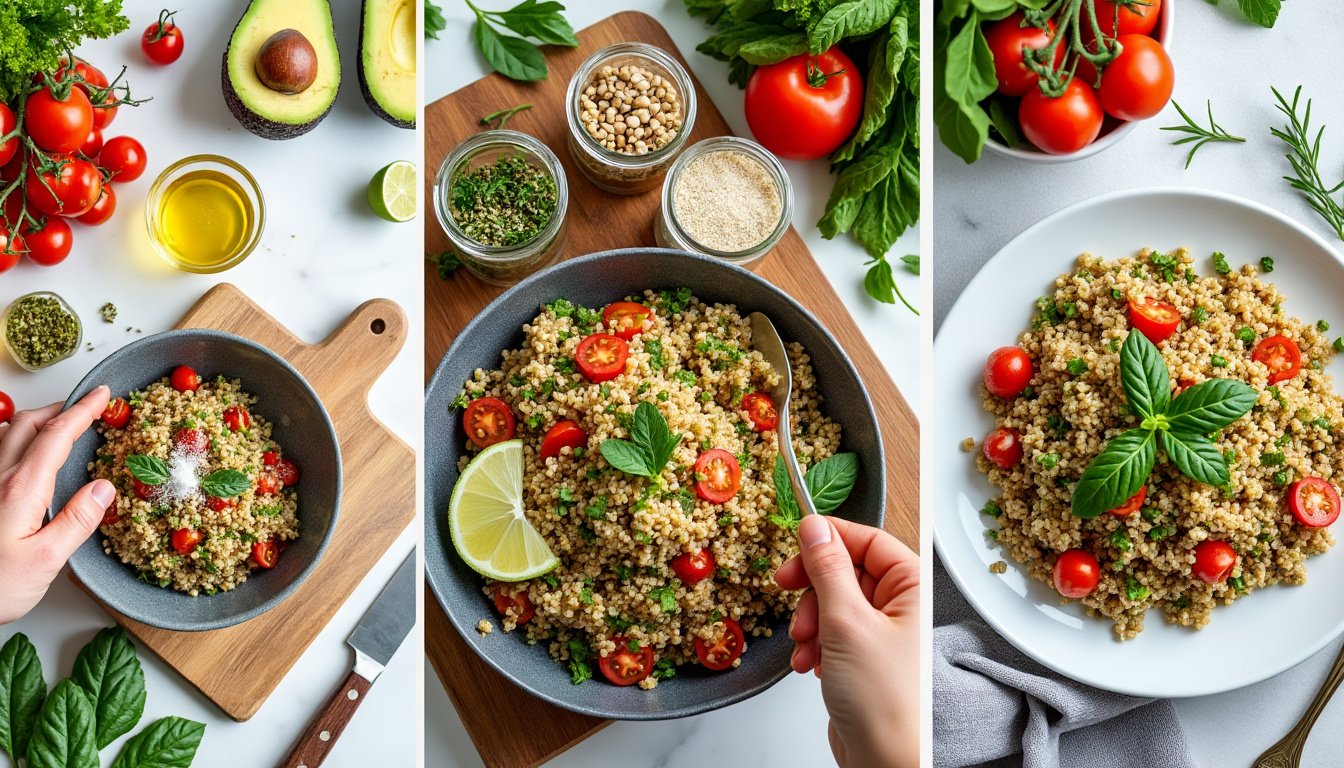
Finding the right balance between heart-healthy nourishment and comforting flavors can be a challenge for many home cooks. Yet, this balance is essential in shaping long-term wellness, especially in families where meal preparation reflects love and care. The journey toward integrating nutritious meal prep with comfort isn’t just about ingredients; it’s a deliberate process marked by simple cooking solutions that blend wholesome ingredients with balanced meal kits and flavorful heart health. As we explore the timeless wisdom passed through generations combined with cutting-edge nutritional science, we uncover how mothers and caregivers influence the health and happiness of their families with every meal.
- Choosing Heart-Healthy Oils and Fats
- Implementing Simple, Comforting Cooking Techniques
- Incorporating Nutritious Ingredients for Balanced Meals
- Bridging Tradition and Modern Nutrition Awareness
- Practical Tips for Maintaining Heart-Healthy Comfort Food
- FAQ: Common Questions on Heart-Healthy and Comfort Food Prep
Choosing Heart-Healthy Oils and Fats for Flavorful Heart Health
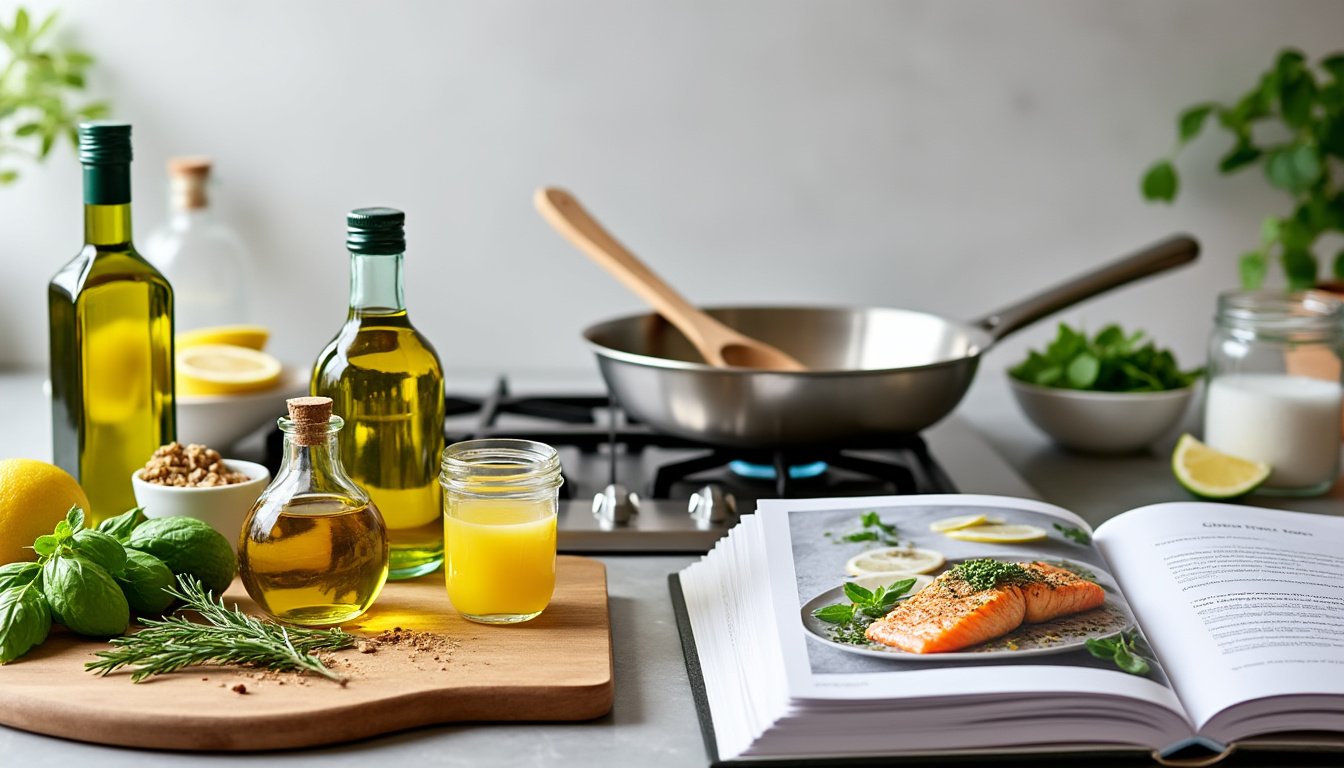
At the heart of many home-cooked meals lies the choice of cooking oils, which significantly impact heart health and the overall delivery of comfort food essentials. In traditional kitchens, mothers have always played the leading role in selecting cooking fats with care, recognizing how these small choices influence the long-term wellbeing of their families. This approach echoes a doctor-approved three-step formula emphasizing the critical role of fats in nutritious meal prep.
Modern nutritional research highlights the benefits of balancing fatty acids like monounsaturated (MUFA) and polyunsaturated fats (PUFA), both known to support cardiovascular health. These healthy fats help lower bad cholesterol levels while raising good cholesterol, making them essential components of heart-healthy recipes. For instance, olive oil, rich in MUFAs, and sunflower oil, high in PUFAs, when rotated in weekly blends, create a synergy that enriches the flavor profile of meals while protecting the heart.
Healthy Eating Made Easy begins with careful oil selection. Rather than relying on a single oil source, families are encouraged to use multi-sourced edible oils for daily cooking. This nutritious approach offers a well-rounded balance of fats and nutrients while enhancing comfort food essentials such as soups, stews, and sautéed vegetables.
10 quick checks to spot low-quality supplements before you buy - plus research-backed doses for 12 common ingredients. Free PDF, no spam.
| Type of Oil | Fatty Acid Dominance | Health Benefit |
|---|---|---|
| Olive Oil | Monounsaturated (MUFA) | Supports heart health and lowers LDL cholesterol |
| Sunflower Oil | Polyunsaturated (PUFA) | Essential fatty acids support brain and heart health |
| Canola Oil | Balanced MUFA and PUFA | Helps improve lipid profiles and reduce risk of heart disease |
Limiting oil intake to roughly half a kilogram per person monthly is a practical guideline to avoid excess consumption while maximizing benefits. This restraint aligns with heart-healthy meal planning recommendations that encourage moderation within nutrient-dense cooking frameworks.
By incorporating these oil choices into Simple Cooking Solutions, cooks can enhance not just the nutritional value but also the Taste and Comfort—transforming routine recipes into quick comfort meals that nourish the body and soothe the soul alike.
Tips for Selecting and Using Heart-Healthy Oils
- Rotate different oils throughout the week to balance MUFA and PUFA intake.
- Use oils naturally high in unsaturated fats for cooking and dressings.
- Opt for cold-pressed or minimally processed oils to retain nutrients.
- Limit fried foods and prefer methods that use moderate amounts of oil such as sautéing or pan-frying.
- Monitor portion sizes to keep fats within heart-healthy limits.
This foundational knowledge empowers home cooks to create flavor-rich meals that not only satisfy cravings but also protect cardiovascular health, blending tradition with modern science for optimal outcomes. For further insights, see the Northside Hospital’s guide on heart-healthy cooking and Cleveland Clinic’s beginner’s guide to healthy meal prep.
Implementing Simple and Comforting Cooking Techniques for Quick Comfort Meals
Heart-healthy recipes don’t have to be complicated or time-consuming. Cooking methods that retain nutrients and enhance the natural flavors of wholesome ingredients are critical to Healthy Eating Made Easy. The fusion of simple cooking solutions with comfort food essentials facilitates an enjoyable cooking experience while prioritizing family well-being.
Innovative techniques such as air frying, roasting, sautéing with minimal oil, and baking allow cooks to maintain the comfort factor in dishes like roasted vegetable medleys, hearty soups, or baked lean proteins. These methods preserve nutrient-density and minimize harmful fat content, aligning with the objective of creating balanced meal kits that can be prepared swiftly without compromising on nutrition.
Consider the example of a traditional dal, often cooked with generous oil amounts. Adjusting the method by sautéing aromatics in a small quantified amount of healthy oil or using an air fryer for crispy toppings brings a comforting texture and flavor while cutting down on calories. Such alterations exemplify how flavor and health coexist seamlessly within everyday meals.
| Cooking Technique | Benefits | Example Dish |
|---|---|---|
| Air Frying | Reduces oil usage; maintains crispiness | Air-fried vegetable patties |
| Sautéing | Enhances flavors with controlled oil amount | Sautéed spinach with garlic |
| Baking | Preserves nutrients; allows for uniform cooking | Baked salmon with herbs and lemon |
These approaches can easily be integrated into meal plans with a little forethought and modest kitchen equipment upgrading. For ideas on one-pan or three-ingredient dinner recipes that incorporate these cooking techniques, explore the creative recipes at EatingWell’s 3-Ingredient Dinner Recipes.
Creative Ways to Preserve Comfort While Cooking Healthily
- Swap deep frying for air frying to maintain flavor with less fat.
- Use herbs and spices to enhance taste without relying on salt or sugar.
- Incorporate slow cooking for tender, flavorful stews that retain nutrients.
- Prepare meal kits in advance using batch-cooking to save time and stress.
- Use cooking methods that retain moisture to enhance texture and satisfaction.
With these techniques, families can enjoy the warmth and familiarity of comfort foods without sacrificing heart-healthy benefits. This balance ensures meals remain a source of joy and nourishment, seamlessly fitting into modern lifestyles.
Incorporating Nutritious Ingredients: Wholesome Ingredients for Balanced Meal Kits
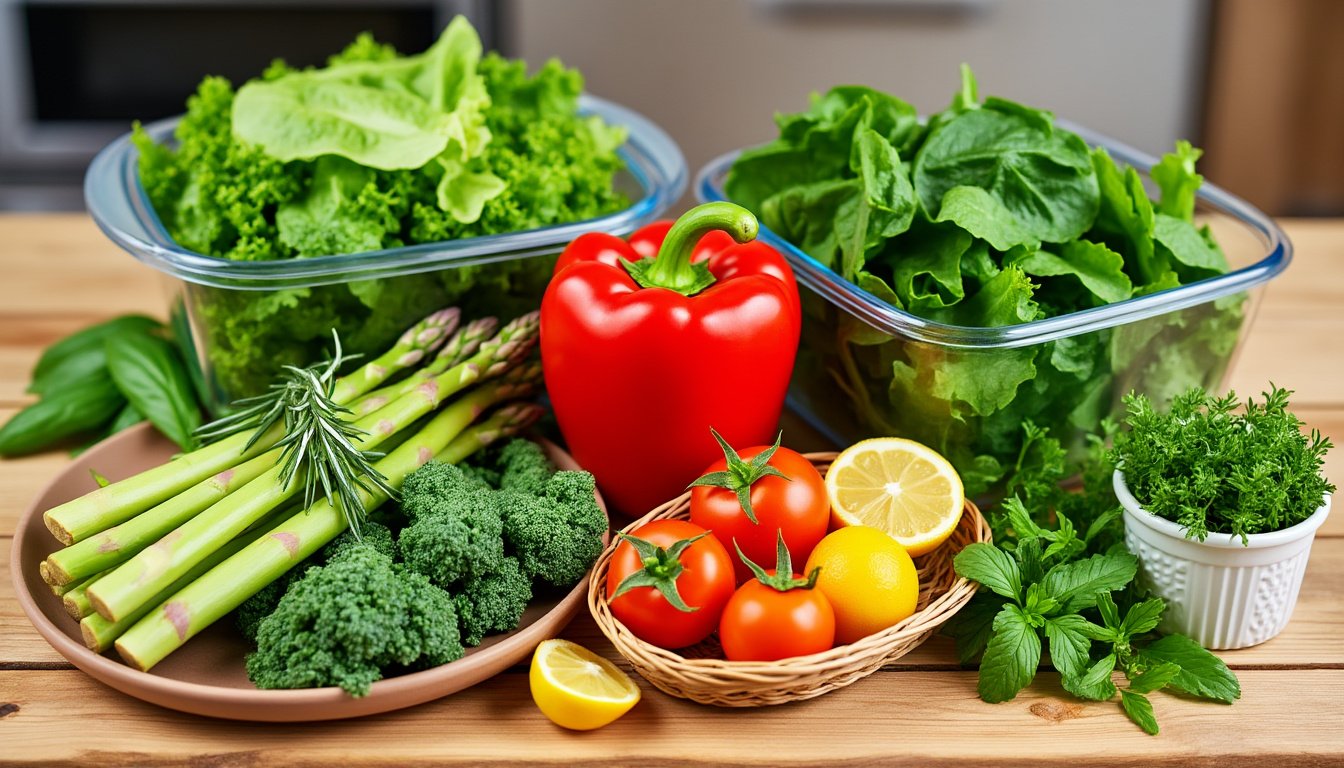
To create a truly wholesome meal, choosing the right ingredients extends beyond cooking methods and oils. Nutritious meal prep hinges on the inclusion of fresh seasonal vegetables, whole grains, legumes, lean proteins, and a variety of fruits — all essential to nutrient-dense cooking that supports both heart health and overall vitality.
Take, for example, a simple lentil stew enriched with carrots, tomatoes, and fresh greens. Incorporating these natural, nutrient-dense ingredients provides vital fiber, antioxidants, and protein essential for maintaining a healthy heart and balanced nutrition. Additionally, integrating handfuls of nuts and seeds into breakfasts or snacks introduces heart-healthy fats and further protein, reinforcing healthy eating habits that start in childhood and continue through adulthood.
Balancing macronutrients within daily meal kits can also assist in maintaining energy levels and reducing the risk of chronic disease. Whole grains such as quinoa and brown rice paired with lean proteins like skinless chicken or tofu help create flavorful heart health recipes that appeal to all ages.
| Ingredients | Primary Nutrient | Health Benefit |
|---|---|---|
| Leafy Greens (Spinach, Kale) | Folate, Vitamins A & C | Supports cardiovascular health and acts as an antioxidant |
| Whole Grains (Brown Rice, Quinoa) | Fiber, B Vitamins | Improves digestion and helps regulate blood sugar |
| Nuts and Seeds (Almonds, Flaxseed) | MUFA, PUFA, Protein | Promotes healthy cholesterol levels and satiety |
To streamline meal preparation, using balanced meal kits is a practical solution for busy households. These kits combine carefully chosen wholesome ingredients that simplify meal planning while guaranteeing a mix of comfort and heart-healthy nutrition. Those interested in detailed meal planning strategies may find EatRight’s strategies for successful meal planning a useful resource.
How to Build a Heart-Healthy Pantry for Nutritious Meals
- Stock whole grains like oats, brown rice, and quinoa.
- Keep a variety of dried or canned legumes such as lentils and chickpeas.
- Include sealed packs of mixed nuts and seeds for snacks or added texture.
- Buy fresh, seasonal vegetables and fruits weekly for maximum nutrients.
- Choose lean proteins including fish, poultry, or plant-based options.
Transforming everyday ingredients into beautiful, flavorful heart health recipes requires a well-stocked pantry that encourages quick comfort meals without overly processed components. These thoughtful selections foster a diet rich in nutrients and easy to prepare across many meals.
Bridging Tradition and Modern Nutrition Awareness for Healthy Eating Made Easy
Healthy eating goes beyond ingredients and cooking—it involves a conscious blend of tradition and modern nutritional insight. Mothers, custodians of familial food wisdom, integrate age-old recipes with contemporary food science knowledge to achieve heart-healthy cooking that honors taste, culture, and science.
For example, traditional Indian households have long valued the nurturing effects of slow-cooked dal or healing soups. Today, this legacy is complemented by study and awareness about ingredients that influence cholesterol and cardiovascular risk. Mothers now actively interpret food labels, recognize factors that increase LDL (bad cholesterol), and choose foods that enhance HDL (good cholesterol), reflecting a profound shift toward informed cooking.
| Traditional Food Element | Modern Nutritional Insight | Adapted Practice |
|---|---|---|
| Ghee and Butter | High in saturated fats (SAFA) | Limit use; substitute with blended oils rich in MUFA and PUFA |
| Slow-Cooked Lentils and Legumes | Rich in protein and fiber | Incorporate with herbs/spices; cook with minimal oil |
| Home-Baked Breads | Refined flours raise blood sugar | Use whole-grain flours for baking homemade breads |
This wise balance between continuity and change supports a family’s evolving tastes and health needs in the contemporary era. For a deeper dive into this synergy, check out Hindustan Times’s article on heart-healthy comforting meals.

Practical Advice for Embracing Both Tradition and Nutrition
- Educate yourself on nutrition labels to make informed ingredient choices.
- Substitute saturated fats with healthier blends without losing flavor.
- Incorporate more whole grains and plant-based proteins into traditional recipes.
- Retain the comfort and care of age-old meals while adjusting cooking methods.
- Encourage family participation in planning meals to blend preferences and health.
Practical Tips for Maintaining Heart-Healthy Comfort Food at Home
Maintaining heart-healthy and comforting meals requires continuous intentionality and a balanced mindset. It means creating meals that satisfy emotional desires for comfort while nurturing the heart through nutrient-dense cooking. The following practical steps serve as a reliable framework to support this goal daily.
First, plan your weekly menus with a focus on incorporating Comfort Food Essentials that foster wellbeing. A strategy recommended in Heart Foundation’s heart-healthy meal planning advice emphasizes choosing meals that balance vegetables, whole grains, and lean proteins.
Second, practice mindful grocery shopping—aim to stock your pantry and refrigerator with wholesome ingredients, rotating cooking oils and including nuts, seeds, legumes, and fresh produce. Employing this strategy supports quick comfort meals that can be assembled with minimal hassle but maximum benefit.
Third, embrace batch cooking and meal prep techniques that save time without sacrificing quality. Pre-cooked grains, chopped vegetables, and pre-portioned ingredients allow for fast assembly of nutrient-dense cooking projects throughout the week. These strategies have been endorsed as simple steps toward success by Harvard Health in their comprehensive guide to healthy meals.
| Step | Action | Benefit |
|---|---|---|
| 1 | Plan Weekly Meals | Reduces stress and avoids unhealthy last-minute choices |
| 2 | Stock Heart-Healthy Pantry | Supports nutritious and quick meal preparation |
| 3 | Batch Cook and Prep Ingredients | Saves time and encourages adherence to healthy eating |
Additional Guidelines to Retain Comfort and Nutrition
- Use herbs and spices as natural flavor enhancers.
- Prefer whole, unprocessed foods over packaged variants.
- Reduce added sugar and salt gradually to develop a healthy palate.
- Encourage family meals to foster mindful eating habits.
- Adapt comfort food recipes using healthier ingredient swaps.
Frequently Asked Questions on Preparing Heart-Healthy and Comforting Meals
- Q1: How can I balance flavor and health in comfort foods?
A1: Use heart-healthy oils, incorporate fresh herbs, and select nutrient-dense ingredients to retain flavor while improving nutrition.
- Q2: Are there quick cooking methods suitable for heart-healthy meals?
A2: Yes, methods such as air frying, baking, and light sautéing reduce oil use and preserve nutrients, making meal prep efficient and healthy.
- Q3: What are some easy swaps to improve traditional recipes?
A3: Replace saturated fats like ghee with blended oils, use whole grains instead of refined flours, and increase vegetable portions.
- Q4: How important is meal planning in heart-healthy cooking?
A4: Meal planning reduces stress, guides healthy shopping, and ensures balanced meals by enabling controlled ingredient selection and preparation.
- Q5: Can children benefit from early exposure to heart-healthy recipes?
A5: Absolutely. Introducing nuts, seeds, fruits, and balanced meals early fosters lifelong healthy eating habits and supports heart health from a young age.
10 quick checks to spot low-quality supplements before you buy - plus research-backed doses for 12 common ingredients. Free PDF, no spam.
