


Examining the Root Causes Behind Poor Eating Habits in Top U.S. Cities
When analyzing the worst eating habits across major U.S. cities, it is essential to understand the complex web of factors influencing diet and nutrition in these urban environments. The populations of these cities often face challenges related to socioeconomic status, cultural traditions, and access to healthy food options—all of which significantly impact public health outcomes and contribute to rising obesity levels.
One key driver of unhealthy eating patterns in many U.S. cities is the prevalence of food deserts, areas where affordable and nutritious food is difficult to obtain. For instance, in Houston, Texas, despite its vast cultural diversity and expansive food scene, many residents rely heavily on fast food and processed meals. The convenience of these options, combined with limited access to fresh produce in certain neighborhoods, exacerbates poor diet quality. Similarly, Detroit’s economic troubles have led to significant food insecurity, pushing many residents towards fast-food consumption as a practical, albeit unhealthy, solution.
Culture and tradition also play a significant role in shaping dietary preferences. Cities such as Memphis, Tennessee, and New Orleans, Louisiana, are world-renowned for their rich culinary heritages featuring barbecue, soul food, and Cajun cuisine. These foods are typically high in fats, sugars, and calories. This cultural pride in local cuisine often overshadows attempts to promote healthier alternatives. Moreover, the economic disparities in these areas make it challenging for many residents to afford nutritious food, perpetuating a cycle of unhealthy eating habits.
Another critical element is education and public awareness regarding nutrition. Many cities with poor eating habits also suffer from limited health literacy. Without proper understanding of good nutrition, residents might gravitate towards calorie-dense, high-sugar diets that further fuel obesity and related health conditions. Efforts by public health organizations aim to combat this through educational campaigns, but systemic barriers often hinder widespread adoption of healthier lifestyles.
10 quick checks to spot low-quality supplements before you buy - plus research-backed doses for 12 common ingredients. Free PDF, no spam.
The urban lifestyle common in these cities also influences food choices negatively. Busy schedules and hectic daily routines encourage grabbing quick meals from fast-food restaurants, which are more abundant and accessible than supermarkets stocked with fresh produce. In cities like Oklahoma City, the high density of fast-food outlets—measured at a staggering 79.4 per 100,000 people—makes unhealthy eating an easy default, further impacting obesity rates.
Overall, the intertwined factors of socioeconomic issues, urban infrastructure, cultural food practices, and lack of adequate nutrition education contribute to why many U.S. cities struggle with poor diet quality in 2026. Addressing these challenges requires comprehensive strategies tailored to the specific needs and contexts of these urban populations.
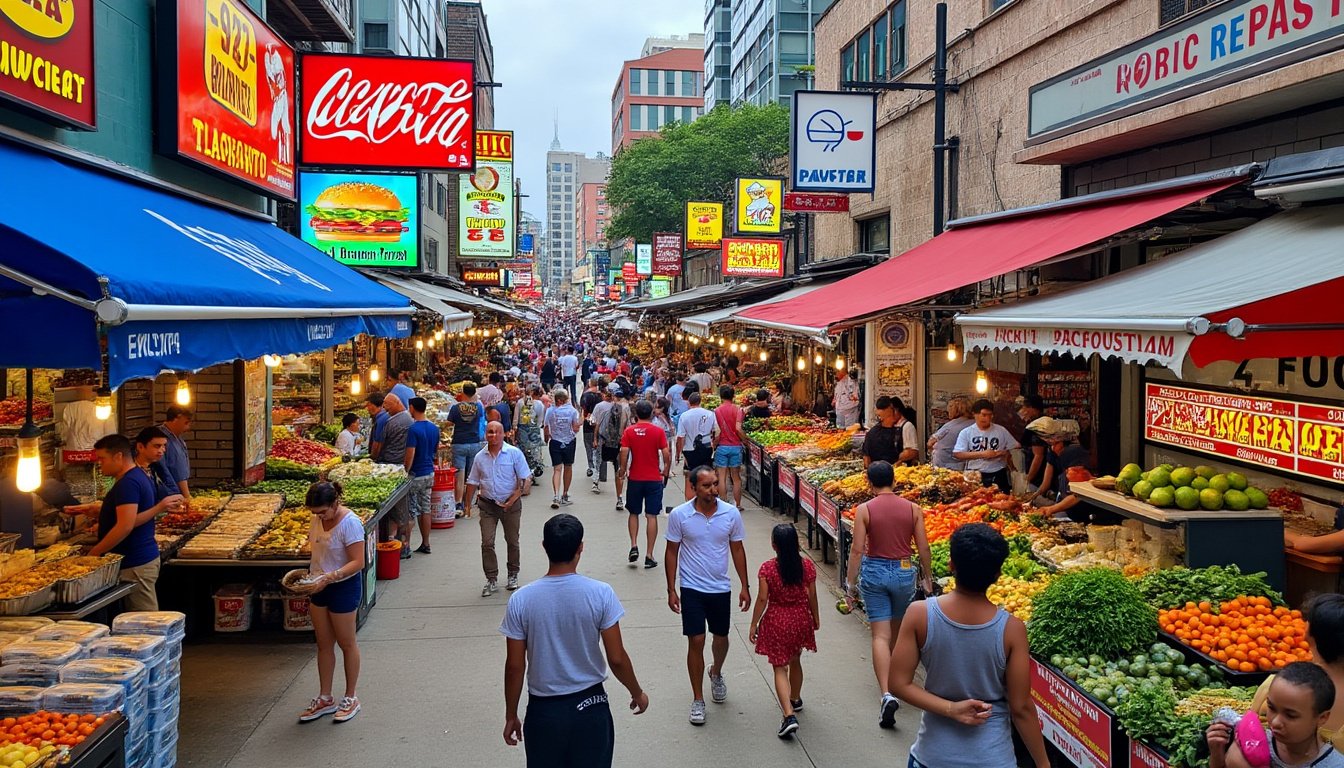
Key Cities with Shocking Statistics on Unhealthy Eating and Obesity
Understanding specific metrics provides critical insights into the scope of unhealthy eating habits across major U.S. cities. Cities like Jackson, Mississippi, and Memphis, Tennessee, consistently rank among the highest for obesity-related health consequences, reflecting a widespread public health challenge linked to nutrition and lifestyle choices. Jackson, for example, is notorious for steep obesity and diabetes rates fueled by a cuisine rich in fried foods and other calorie-dense meals.
In Memphis, traditional soul food and barbecue, while culturally significant and delicious, contribute extensively to poor diet quality. The reliance on fried and sugary foods is further compounded by economic hardships that limit access to healthier options. Efforts to improve diet have included community-driven health initiatives, but entrenched culinary preferences and socioeconomic barriers have slowed progress.
Louisville, Kentucky, faces similar issues, where dietary habits are dominated by fried chicken consumption and other high-calorie meals. Food deserts here are common, particularly in economically deprived neighborhoods. This lack of access to fresh fruits and vegetables directly correlates with Louisville’s elevated obesity rates.
Other cities like Cleveland, Ohio, and St. Louis, Missouri, reveal how economic challenges and cultural preferences drive fast-food dependence and high sugar intake. St. Louis residents often consume diets heavy in fried foods, meats, and sugary drinks. This trend is dangerous since it increases the risk of chronic diseases like heart disease and diabetes, which puts pressure on the healthcare system.
Highlighting further, Oklahoma City reports almost 42.2% of adults not following a healthy diet, with a significant density of fast-food outlets encouraging unhealthy choices. Public health campaigns have been initiated to educate the population, but the city’s eating habits remain problematic in this regard.
These statistics and observations affirm the urgent need for innovative interventions focusing on improving access, education, and motivation to foster better nutrition across the hardest-hit urban communities.
Impact of Public Health Initiatives on Shaping Eating Habits in Urban Settings
Public health campaigns in the United States have increasingly targeted major cities with poor eating habits to counteract growing obesity and diet-related diseases. These initiatives aim to alter food choices by raising awareness, increasing access to nutritious options, and promoting lifestyle changes aligned with better health outcomes.
For example, many cities have launched projects to combat food deserts by introducing urban farming programs and incentivizing grocery stores to establish themselves in underserved areas. In Indianapolis, Indiana, such efforts are paired with educational outreach designed to counterbalance the prevalent fast-food culture. Nutrition workshops, community gardens, and mobile produce markets strive to increase fruit and vegetable intake, combating ingrained unhealthy eating patterns.
Additionally, campaigns promoting reduced consumption of sugary beverages and fried foods are now widespread, given their direct link to obesity and diabetes. Some cities encourage residents to adopt heart-healthy habits, emphasizing how diet influences long-term cardiovascular wellness. Resources like a cardiologist’s expert advice on nutrition provide accessible guidelines that individuals and communities can embrace.
However, shifting an urban population’s eating habits is challenging. Cultural preferences and economic disparities often lead to skepticism or resistance, especially where traditional foods are closely tied to local identity, as seen in New Orleans and Birmingham. Therefore, public health programs increasingly incorporate culturally sensitive approaches, blending healthier food alternatives with familiar flavors and recipes to encourage acceptance.
Moreover, schools in these cities have become critical arenas for promoting nutritional literacy among young people, aiming to establish healthier diets from early childhood. Later, as adults, these habits are more likely to persist, potentially reversing troubling health trends.
Despite obstacles, these public health efforts demonstrate potential for meaningful change. Continued investment and innovation in community-based nutrition programs remain vital to transforming food choices and reducing obesity rates across U.S. cities.
For further insights on developing sustainable dietary habits and emotional resilience related to nutrition, resources such as Embracing Emotional Strength for Healthy Habits are invaluable.

Cultural Influences and Their Role in the Poor Eating Habits of U.S. Cities
Culture plays an indispensable role in shaping the eating habits within major U.S. cities, often working in tandem with socioeconomic factors to entrench unhealthy dietary patterns. For many cities known for their distinctive culinary traditions, these foods are cherished aspects of identity and social life but simultaneously present significant nutritional challenges.
In the South, cities like Birmingham, Alabama, and Little Rock, Arkansas, epitomize this intersection between culture and diet. Their preference for Southern comfort foods, laden with fats, sugars, and fried ingredients, contributes heavily to obesity and related health problems. Efforts to alter eating habits need to address not just the nutritional content but also the deep emotional and cultural connections people have with their meals.
Similarly, New Orleans’ cuisine, rich in buttery, fried, and sugary dishes, remains a point of pride. While this offers culinary richness, it also highlights the tension between tradition and health necessities. Economic disparities exacerbate this situation by limiting healthier alternatives for low-income families, perpetuating diet-related health disparities.
In northern cities like Philadelphia, Pennsylvania, cultural diversity creates a complex food landscape. Although diverse cultures bring a variety of healthier food traditions, access issues and the pervasive availability of convenience foods steer the population toward fast food and processed meals. This duality complicates public health efforts seeking to standardize healthier eating habits.
The influence of an urban lifestyle cannot be ignored either. Fast-paced city living encourages reliance on quick, calorie-dense meals, often outweighing considerations of nutrition. The sheer availability of fast food—compared to fresh groceries—in many cities sustains its consumption despite growing awareness about health risks tied to unhealthy eating.
This cultural complexity shows that reducing poor eating habits in major U.S. cities is not solely a matter of food availability or education—it also requires sensitive engagement with local traditions and identities, fostering gradual but lasting shifts in diet and lifestyle.
Strategies for Individuals and Communities to Improve Diet and Combat Obesity
Facing the high rates of obesity and unhealthy eating habits in the top U.S. cities requires actionable strategies at both individual and community levels. While systemic challenges exist, many cities have seen promising results through coordinated efforts that empower residents to make better nutritional choices despite obstacles like food deserts and economic constraints.
At the individual level, adopting simple yet effective practices can help improve diet quality. For instance, learning basic cooking skills and preparing meals at home enable people to control ingredients and reduce dependency on fast food. Resources such as solo cooking tips for healthier eating provide practical guidance, especially for those living alone.
Mindful eating habits, such as steering clear of heavy foods after certain hours to manage blood pressure, also prove valuable. These small changes can accumulate, leading to better metabolic health and lower insulin resistance, which is crucial in combating obesity and type 2 diabetes.
Communities can support healthier diet patterns through initiatives like creating and sustaining community gardens, farmers markets, and nutrition education programs. Such projects increase local access to fresh produce and build social support networks encouraging sustained lifestyle changes.
Ultimately, multi-faceted approaches that combine education, improved food access, and respect for cultural preferences stand the best chance of reducing unhealthy eating trends in urban America.
Key strategies to improve eating habits include:
- Increasing availability of fresh fruits and vegetables through urban agriculture and improved grocery options.
- Implementing nutrition education programs in schools and community centers.
- Encouraging home cooking and reducing dependency on fast food.
- Adopting culturally sensitive health campaigns that honor local culinary traditions while promoting healthier alternatives.
- Promoting physical activity and fitness to complement healthier diets.
These combined efforts pave the way for healthier urban populations and an eventual reduction in the alarming obesity rates prevalent in many U.S. cities today.
What factors contribute most to unhealthy eating habits in major U.S. cities?
Socioeconomic challenges, food deserts, cultural food preferences, and limited nutrition education mainly contribute to poor eating habits in large American cities.
How do food deserts impact diet and nutrition in urban areas?
Food deserts limit access to affordable, fresh, and nutritious foods, forcing residents to rely on fast food and processed meals, worsening obesity and health outcomes.
Can cultural food traditions be aligned with healthier eating habits?
Yes, by incorporating healthier cooking methods and ingredients in traditional recipes, public health initiatives can respect culture while promoting better nutrition.
What role do public health campaigns play in improving diet in cities?
These campaigns raise awareness, increase access to healthy foods, and educate communities, helping to shift behaviors despite obstacles related to culture and economy.
What practical tips help individuals eat healthier in urban environments?
Learning to cook at home, choosing fresh produce, avoiding excessive fast food, and adopting mindful eating routines are effective for improving personal nutrition in urban settings.
10 quick checks to spot low-quality supplements before you buy - plus research-backed doses for 12 common ingredients. Free PDF, no spam.
