

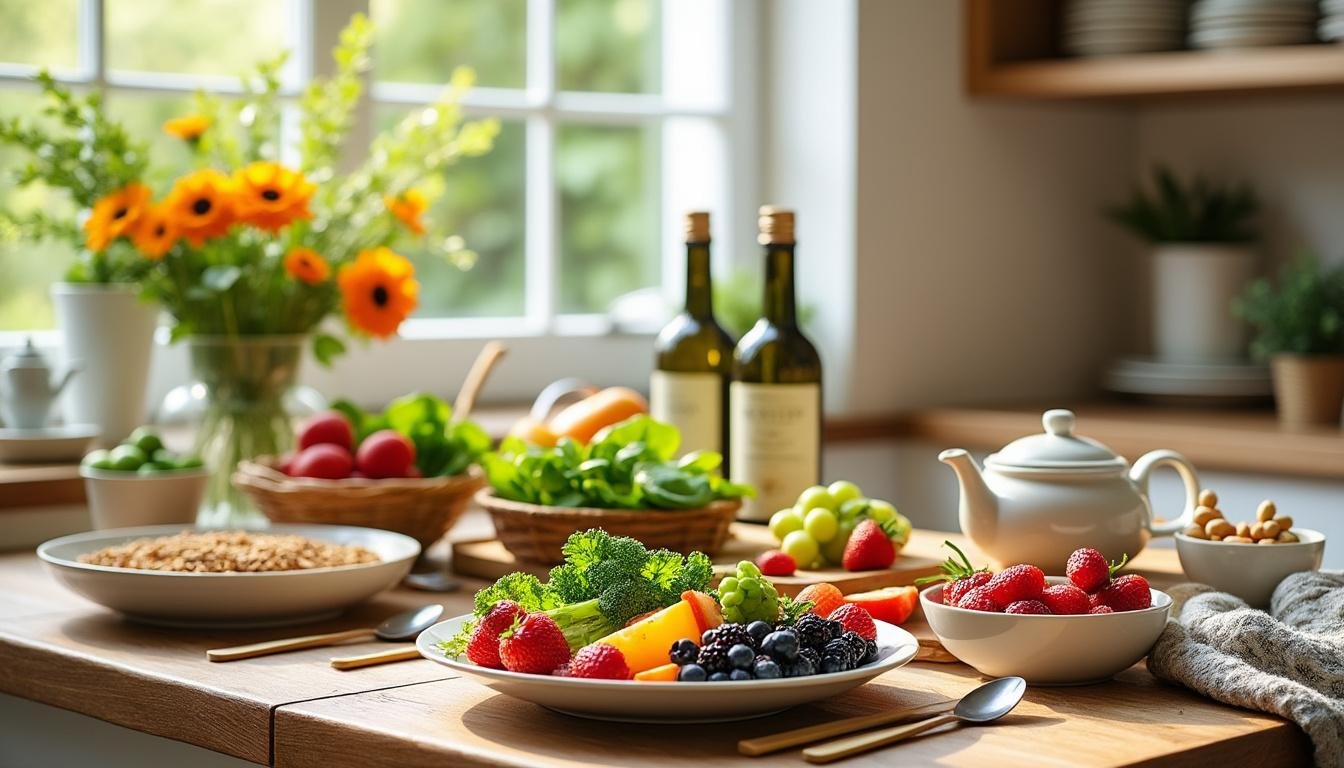
Understanding the Role of Diet in Centenarians’ Longevity
Longevity has captivated human interest for centuries, with centenarians—those who live to 100 or beyond—often celebrated as living proof that a long life is achievable. Recent studies reveal that the daily diet plays an integral role in the extraordinary wellness and sustained vitality of these individuals. By examining the nutritional patterns embraced by centenarians worldwide, we uncover key principles that support not only a long life but also a robust, energetic one.
What stands out immediately is that centenarians tend to consume diets rich in natural, minimally processed foods. Their plates reflect a harmony between nutrient density and balance, emphasizing plants over animal products. For instance, many of them prioritize beans and legumes as the foundation of their meals. These humble foods, including black beans, lentils, chickpeas, and soybeans, are packed with soluble fiber and plant-based protein, which contribute extensively to digestive health and cardiovascular protection.
Beyond specific foods, the balanced diet of centenarians embraces variety and moderation. Unlike popular modern diets that often skew heavy in animal protein or processed carbs, centenarians’ meals derive their energy from whole grains like oats, barley, and quinoa. This preference for complex carbohydrates stabilizes blood sugar levels throughout the day, ensuring sustained energy without the spikes and crashes associated with refined carbohydrates. Such nutritional habits are recognized today as a cornerstone of anti-aging and long-term health maintenance.
Their focus on plant-based foods often means limited meat consumption, which is usually reserved for modest portions or festive occasions. This pattern contrasts sharply with typical high-meat Western diets and correlates with lower levels of inflammation, reduced risk of chronic diseases, and better longevity outcomes. For those seeking to emulate these dietary secrets, embracing a plant-forward plate can be transformative.
10 quick checks to spot low-quality supplements before you buy - plus research-backed doses for 12 common ingredients. Free PDF, no spam.
Notable research, such as detailed in studies on longevity secrets, continues to support the idea that diet profoundly shapes how we age. These findings encourage us to rethink our nutrition strategies toward those that centenarians exemplify—those built on real food, balance, and purpose.

Mindful Eating Habits: The 80 Percent Rule of Centenarians
Beyond the contents of their plates, centenarians share a remarkable practice that significantly affects their health and longevity: mindful eating grounded in what’s often called the 80 percent rule. Originating from Okinawa, Japan, this principle—known as Hara Hachi Bu—encourages stopping eating when one feels about 80 percent full. This simple yet powerful habit prevents overeating, aids digestion, and contributes to weight management crucial for anti-aging strategies.
The underlying science supports this approach: excessive calorie intake can accelerate metabolic aging and is linked to many chronic diseases. By consciously limiting intake before feeling completely full, centenarians provide their bodies with enough energy while minimizing strain on metabolic processes.
Such mindful moderation also reduces oxidative stress and inflammation, which are two major drivers of cellular aging. Studies highlighted in reports about the longevity code emphasize how calorie restriction, without malnutrition, can extend lifespan and delay the onset of age-related diseases.
Incorporating the 80 percent rule into daily life does not demand complex routines but rather a simple awareness: eating slowly, savoring flavors, and tuning into hunger signals. These mindful eating habits foster a healthier relationship with food that supports not only physical wellness but mental well-being too.
Moreover, centenarians often complement their dietary discipline with other wellness rituals such as regular physical activity and social engagement, forming a holistic lifestyle that enhances longevity. Such integrated habits reveal how balanced nutrition and conscious eating combine to nurture long life and vitality.
Plant-Based Nutrition and the Power of Whole Foods in Longevity
One of the most striking characteristics of centenarian diets worldwide is their significant reliance on whole, plant-based foods. This eating profile naturally aligns with contemporary nutrition science advocating for diets rich in vegetables, fruits, legumes, and whole grains to promote healthy aging.
Leafy greens, seasonal vegetables, and fresh fruits dominate centenarian meals, providing abundant antioxidants and phytonutrients essential for protecting cells from damage. These compounds contribute to reducing inflammation and oxidative stress—two main culprits behind age-related decline.
Whole grains, such as barley, quinoa, and oats, deliver slow-digesting carbohydrates and important micronutrients like magnesium and B vitamins. Their low glycemic impact ensures balanced blood sugar levels, which safeguard against metabolic diseases common in later life stages.
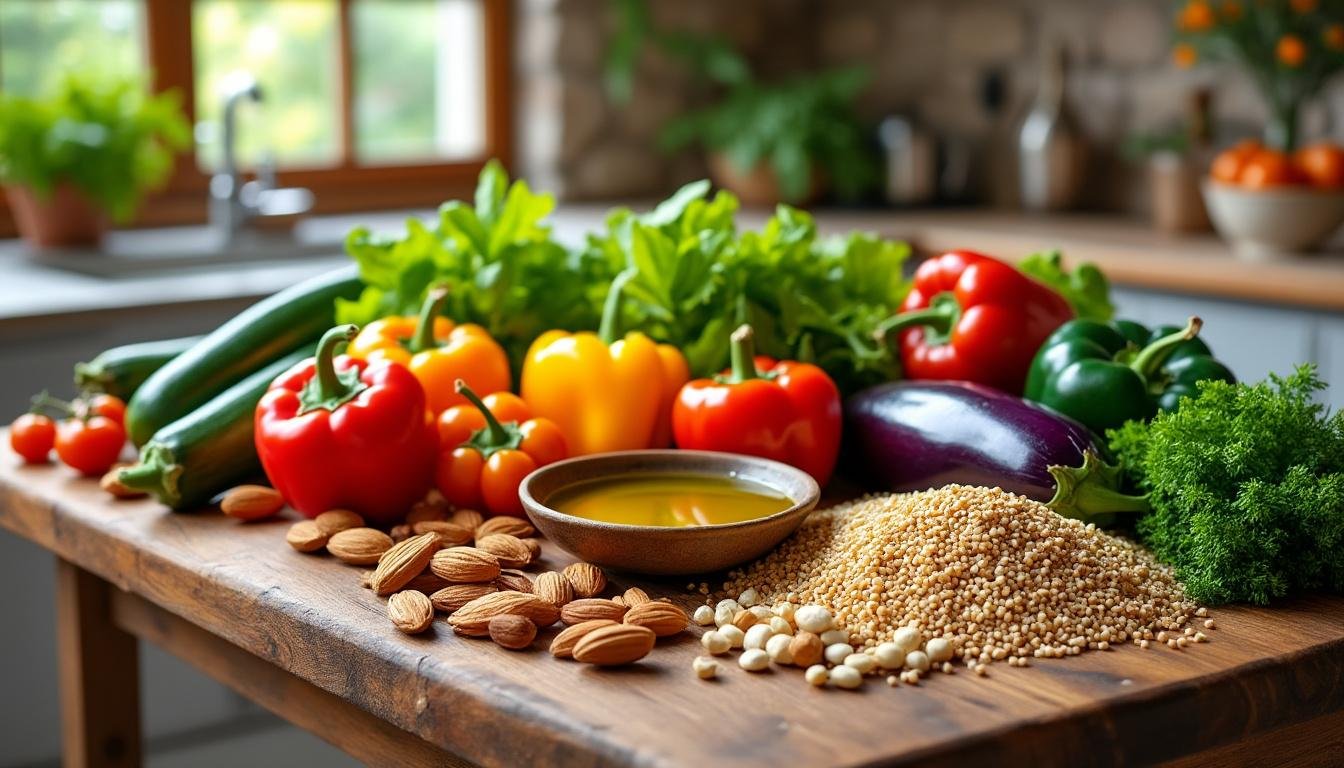
Nuts and seeds, including walnuts, almonds, and pistachios, are also dietary staples among many long-lived populations. The healthy fats they contain, particularly polyunsaturated and monounsaturated fats, help maintain brain health and cardiovascular function. Complementing these natural fats is the frequent use of high-quality extra virgin olive oil, celebrated for its anti-inflammatory effects and ability to keep arteries flexible.
For those interested in practical guidelines, here is a list centered on centenarians’ plant-based dietary pillars:
- Daily consumption of beans and legumes: a source of fiber and protein
- Favoring seasonal vegetables and leafy greens: rich in antioxidants and vitamins
- Choosing whole grains over refined carbs: to stabilize energy and blood sugar
- Incorporating nuts and healthy fats: such as olive oil for heart and brain health
- Moderating meat intake: treating it as an occasional side rather than main
This pattern of eating reflects a deep connection with nature’s bounty and an emphasis on nutrient density rather than caloric excess. Emulating these habits nurtures wellness, supports metabolic health, and fosters longevity.
To explore further insights on the diet of centenarians, one can consult in-depth resources like detailed longevity dietary secrets that offer guidelines inspired by real-world examples of people who thrive well past 100 years.
The Role of Nutrient Balance and Anti-Inflammatory Components in Longevity
While food selection is paramount, the synergy of nutrients, and the anti-inflammatory properties of certain foods, are equally crucial in supporting a long, healthy life. Chronic inflammation is now recognized as a leading factor in the aging process and many age-associated diseases.
Centenarians’ diets are naturally anti-inflammatory due to the abundance of antioxidants, omega-3 fatty acids, and phytochemicals found in their food choices. For example, long-lived populations commonly consume nuts, which provide healthy fats and vitamin E, both potent antioxidants that protect against cellular damage.
Extra virgin olive oil, another dietary favorite, contains polyphenols that combat inflammation and offer neuroprotective benefits. This oil is a staple ingredient in Mediterranean diets, which are well-documented for their association with reduced risks of heart disease and cognitive decline.
Furthermore, specific micronutrients gained from diverse plant-based foods—such as magnesium, zinc, and vitamins C and D—enhance immune function and metabolic balance, fostering resilience in the face of age-related stressors.
The importance of keeping blood glucose and cholesterol levels within healthy ranges is also a hallmark of centenarian nutrition. These populations tend to display low levels of systemic biomarkers related to liver and kidney function, supporting overall vitality well into advanced age. According to recent studies reviewed in scientific longevity research, these physiological markers are strong predictors of aging healthfully.
This complex nutrient balance is not achieved by accident but by habitual consumption of diverse, minimally processed foods combined with intentional dietary patterns. Such comprehensive approaches help mitigate the harmful effects of advanced age and promote wellness over the long haul.
Adopting Longevity Dietary Secrets in Modern Life: Practical Tips and Challenges
Translating the dietary secrets of centenarians into today’s fast-paced lifestyle presents both opportunities and challenges. While the core principles—emphasizing whole foods, plant-based eating, mindful consumption, and healthy fats—are straightforward, they require consistent effort and adaptability.
One practical way to begin is by prioritizing beans and legumes as a regular source of protein. Incorporating these in salads, stews, or side dishes can enrich nutrition while supporting gut health. Preparing meals around seasonal vegetables and whole grains encourages natural variety and helps keep meals exciting and flavorful.
Reducing the intake of refined carbohydrates and processed foods may feel restrictive at first, but benefits quickly manifest in stabilized energy and better digestion. Mindful eating practices, such as following the 80 percent fullness rule, can prevent overeating and enhance the joy of eating.
Integrating nuts, seeds, and quality olive oil into your daily routine not only supports heart and brain health but also aligns with the fat intake patterns shown to slow aging. Planning and preparation are key—packing snacks with nuts or adding olive oil dressings over greens are doable steps toward mimicking centenarians’ diets.
Challenges arise with the modern prevalence of convenience foods, social obligations, and busy schedules that promote irregular eating. However, the pursuit of longevity through nutrition encourages a more intentional lifestyle: shopping consciously, cooking mindfully, and appreciating food as a vital element of wellness.
To deepen understanding and find personalized strategies for long life, readers might consider exploring expert perspectives shared in resources such as health-focused longevity expert interviews.
Ultimately, adopting even small elements of the centenarians’ daily diet can lead to meaningful improvements in quality of life today and increase the chances of a vibrant aging process in the years ahead.
What are the most common foods in centenarians’ diets?
Centenarians typically consume a diet rich in beans, legumes, whole grains, seasonal vegetables, fresh fruits, nuts, and use healthy fats like extra virgin olive oil. Meat is eaten in small amounts and usually on special occasions.
How does mindful eating contribute to longevity?
Mindful eating, especially practices like stopping at 80 percent fullness, helps prevent overeating, maintains stable metabolism, reduces inflammation, and supports a healthy digestive system, all contributing to a longer life.
Can adopting a centenarian’s diet improve anti-aging?
Yes, the nutrient-dense, plant-based, and anti-inflammatory components of their diets support cellular health, reduce age-related disease risks, and promote overall wellness, key factors in anti-aging.
Is meat consumption avoided completely by centenarians?
No, most centenarians eat meat in moderation, often as a side dish or on special occasions, focusing primarily on plant-based foods for nutrition.
How can someone start integrating these dietary secrets into their life?
Starting with small changes such as adding beans to meals, choosing whole grains, incorporating more vegetables, practicing mindful eating, and using healthy fats like olive oil can help gradually adopt these principles.
10 quick checks to spot low-quality supplements before you buy - plus research-backed doses for 12 common ingredients. Free PDF, no spam.

1 Comment
Pingback: Which 7 vitamin C-packed fruits should you try to boost your immunity? - LiveWell Magazine