

Close Menu
    Follow us on Google News
    Follow Livewell Magazine on Google News
    Facebook X (Twitter) Instagram
    LiveWell Magazine
    Facebook
    Follow LiveWell Magazine on Google News
    • Cancer

      Healthy Dad’s Unexpected Cancer Diagnosis Revealed After Ignoring Nighttime Bathroom Trips: ‘A Heartbreaking Surprise’

      February 22, 2026

      BREAKING NEWS: Gene therapy for sickle cell disease: a medical breakthrough still out of reach for many

      December 29, 2025

      How Your Drinking Habits Could Significantly Increase Your Cancer Risk

      December 28, 2025

      Could the time of day you get cancer treatment affect survival? What a new lung cancer study suggests

      December 25, 2025

      Can exercise lower cancer risk? what the science suggests (and what to do today)

      December 22, 2025
    • Fitness

      Biochemist Reveals the Powerful 10-Minute Workout That Keeps the Mind Razor-Sharp All Day

      March 23, 2026

      The best workouts for busy people

      March 3, 2026

      A Fitness Trainer’s Perspective: How My Approach Transformed from 40 to 60

      March 2, 2026

      Healthy Living: Dr. Angela Haskins Embraces Peloton Workouts for Fitness

      February 2, 2026

      The “protein first” trick: protect muscle and stay full during holiday meals

      January 11, 2026
    • Health

      What can an infectious disease doctor’s experiences in Kazakhstan and America teach us about global health?

      April 3, 2026

      Federal Judge Hits Pause on HHS Secretary Kennedy’s Vaccine Policy Overhaul

      March 18, 2026

      Medicare Advantage Shifts: Payments to Plans Increase as Enrollment Hits a New Record

      March 18, 2026

      The battle over “$0 premium” plans: What’s at stake for your healthcare?

      February 19, 2026

      Early cholesterol treatment in kids may prevent heart disease for life

      January 28, 2026
    • Lifestyle

      Happiness Guru Reveals 7 Key Habits That Foster Long-Term Joy and Well-Being

      April 2, 2026

      Top Morning Routines Recommended by Doctors for a Healthy and Vibrant Life

      April 1, 2026

      The Top Morning Routine Gastroenterologists Recommend for Better Digestion and Easy Bowel Movements

      March 30, 2026

      Weekend Habits Secretly Affecting Your Insulin Resistance

      March 28, 2026

      Amid Soaring Demand for GLP-1 Pills and Injections, Maintaining Healthy Habits Remains Essential

      March 27, 2026
    • Nutrition

      Daily Avocado Consumption: Insights from a Dietitian on Its Health Benefits

      March 25, 2026

      Celebrate National Nutrition Month this March with Toi Degree – Salisbury Post

      March 21, 2026

      Protein-Packed Mediterranean Dinners to Boost Your Heart Health

      March 20, 2026

      Remarkable Health Benefits of Prunes That Transform Them into a Nutritional Powerhouse

      March 6, 2026

      Top 4 Vegetables to Boost Liver Health, Recommended by Registered Dietitians

      February 27, 2026
    • Senior

      Nurturing Your Gut After 50: 7 Essential Habits for Lasting Digestive Wellness

      April 3, 2026

      Nourishing Your Golden Years: 10 Essential Nutrition Habits to Promote Healthy Aging and Maintain Independence After 60

      March 27, 2026

      Wound Care Revolution: How a New Medicare Payment System Aims to Cut Waste in Senior Care

      March 19, 2026

      The $2,000 Cap is Here: How the New Annual Out-of-Pocket Drug Limit Saves Seniors Thousands

      March 17, 2026

      Why Conventional Health Tips Might Shift After Turning 50

      March 15, 2026
    • Trends

      Transparency at HHS: How the New “Radical Transparency” Initiative Aims to Expose Big Pharma Conflicts

      March 13, 2026

      How Wearable Technology Could Spark a Revolution in Healthier Living

      February 5, 2026

      Early cholesterol treatment in kids may prevent heart disease for life

      January 28, 2026

      Wearable health devices: the future of personalized medicine?

      January 27, 2026

      AI in healthcare: ethical considerations and promising applications

      January 26, 2026
    • Wellness

      Is the rising cost of a Hawaii vacation becoming a barrier to your travel wellness?

      April 2, 2026

      How will Palma Mallorca’s new party boat and vacation rental rules affect your travel wellness?

      April 1, 2026

      This Wellness Routine Unlocks Greater Brain Benefits Especially for Beginners

      March 28, 2026

      Stephen A. Smith Blasts Pelicans: ‘Y’all Have Been Trash’ After Critiquing Zion Williamson

      March 19, 2026

      Simple and Effective Health Hacks for Busy Lives

      February 28, 2026
    Subscribe
    LiveWell Magazine
    Home»Health & Safety»What cancer screenings you need at every age
    Health & Safety

    What cancer screenings you need at every age

    Amelie GoujonBy Amelie Goujon1 Comment
    Facebook Twitter Email WhatsApp Pinterest LinkedIn Reddit Telegram Threads
    discover essential cancer screenings recommended for every age group. stay informed about the necessary tests and proactive measures to ensure your health and well-being throughout life. learn when to schedule screenings to detect potential issues early.
    Share
    Facebook Twitter LinkedIn Email Reddit Telegram WhatsApp Threads

    In 2025, with cancer diagnoses anticipated to reach nearly 2 million new cases, understanding when and how to undergo cancer screenings has never been more crucial. Early detection remains the cornerstone of effective treatment and survival, saving countless lives by identifying cancer before symptoms even appear. Recognized authorities like the American Cancer Society, Mayo Clinic, and National Cancer Institute emphasize tailored screening schedules based on age, risk factors, and family history. From breast to colon cancer, these screenings are powerful tools not only for finding cancer early but also for preventing its onset by detecting precancerous changes. As healthcare continues to advance, embracing these screening guidelines is essential for anyone aiming to maintain their health proactively.

    Contents

    • Understanding the Importance of Cancer Screenings by Age
    • Breast Cancer Screening Guidelines: What You Need to Know
    • Cervical Cancer Screening: Early Detection Saves Lives
    • Colon Cancer Screening: Preventing the Third Leading Cause of Cancer Death
    • Additional Screening Tests for High-Risk Individuals
    • Expert Resources and Recommendations for 2025

    Cancer Screening: Essential Tests and Timing by Age

    Cancer screenings are designed to detect the presence of cancer or precancerous cells before any symptoms arise, allowing for timely intervention and better prognosis. Trusted institutions like the Cleveland Clinic and Johns Hopkins Medicine stress that starting regular screenings in your 40s is typical; however, those with increased risk factors such as family history or genetic mutations may require earlier and specialized screenings.

    • Benefits of early cancer screening: Detect cancer when it is most treatable and potentially prevent cancer via identification of precancerous conditions.
    • Screening risks to consider: False positives or overdiagnosis, which may lead to unnecessary treatments without improving outcomes.
    • Screening recommendations: Depend on evidence-backed guidelines from the U.S. Preventive Services Task Force and expert cancer organizations.
    Related Article :  How preventive health habits differ around the world - and what we can learn

    Regular consultation with your healthcare provider is vital to understanding your personal risk and commencing the most appropriate cancer screenings for your age and health.

    discover essential cancer screenings recommended for every age group. stay informed about preventive measures and ensure your health by understanding which tests are necessary as you age. from early detection to peace of mind, learn when to schedule your screenings for optimal health.

    Tailoring Screenings Based on Personal Risk

    Whether influenced by lifestyle, family history, or genetic predispositions, cancer risk assessment enables your provider to customize screening schedules, maximizing benefits while minimizing unnecessary procedures. Blue Cross Blue Shield and Kaiser Permanente have integrated such risk-based protocols into patient care, ensuring optimized cancer prevention strategies.

    Breast Cancer Screening Guidelines and Recommendations

    According to the American Cancer Society and Memorial Sloan Kettering Cancer Center, breast cancer remains one of the most common cancers amongst women, but early detection dramatically improves survival rates. For average-risk individuals:

    • Starting Age: Screening mammograms should begin at age 40.
    • Frequency: Women aged 40 to 54 are advised to have annual mammograms.
    • After 55: Screening every two years is acceptable, though yearly screening may continue based on personal and health factors.
    • High-risk groups: May need additional tests such as breast MRI or more frequent mammograms.

    The Mayo Clinic highlights the importance of continuing screenings as long as a woman’s life expectancy exceeds 10 years, underscoring that screening remains crucial well past middle age.

    Screening options and innovations

    Beyond traditional mammograms, emerging modalities such as ultrasound and MRI are becoming key tools for women with dense breast tissue, ensuring no abnormalities are missed. Stay updated with latest guidelines at the American Cancer Society.

    discover essential cancer screenings recommended for every age group to ensure early detection and effective prevention. learn about critical tests and their importance at various life stages.

    Cervical Cancer Screenings: Detecting Precancerous Changes Early

    Cervical cancer screening is a proven lifesaver, endorsed by the National Cancer Institute and Cancer Research UK. It uncovers both cancer and precancerous cells that might evolve into cancer, largely due to HPV infections.

    • Age to start: 21 years.
    • Screening methods: Pap smear and HPV testing.
    • Frequency: Ages 21-29, Pap smear every three years.
    • Between 30 and 65: Co-testing (Pap + HPV) every five years, or Pap smear alone every three years, or HPV test alone every five years.
    • Screening stops: Generally after age 65, unless history indicates otherwise.
    Related Article :  While Brits Head to the Pub, Europeans Dive Into Wellness: Health Habits From Across the Continent to Inspire Your Lifestyle

    Ongoing research confirms that such test combinations not only catch cancer early but can halt its progression through timely intervention.

    The impact of HPV vaccination on screening schedules

    Widespread HPV vaccination programs supported by the American Society of Clinical Oncology are reshaping screening timelines as fewer HPV infections lead to reduced cancer incidence rates globally.

    Colon Cancer Screening: Strategies to Combat the Third Leading Cause of Cancer Death

    With colon cancer ranking third among cancer fatalities nationwide, timely screenings save lives. The Cleveland Clinic and Kaiser Permanente emphasize that:

    • Start at age 45: Routine screening recommended for average-risk adults.
    • Continue screening: Until at least age 75, then individualized decisions beyond that.
    • Screening options:
    • Colonoscopy every 10 years – allows for detection and removal of polyps before they become cancerous.
    • Fecal occult blood tests (FIT, gFOBT, DNA-based) every 1–3 years.
    • Flexible sigmoidoscopy or CT colonography every 5 years.
    • High-risk individuals: Might require earlier screenings or more frequent testing due to family history or other risk factors.

    These methods reflect robust guidelines set forth by authorities like the U.S. Preventive Services Task Force and have been widely adopted in clinical practice.
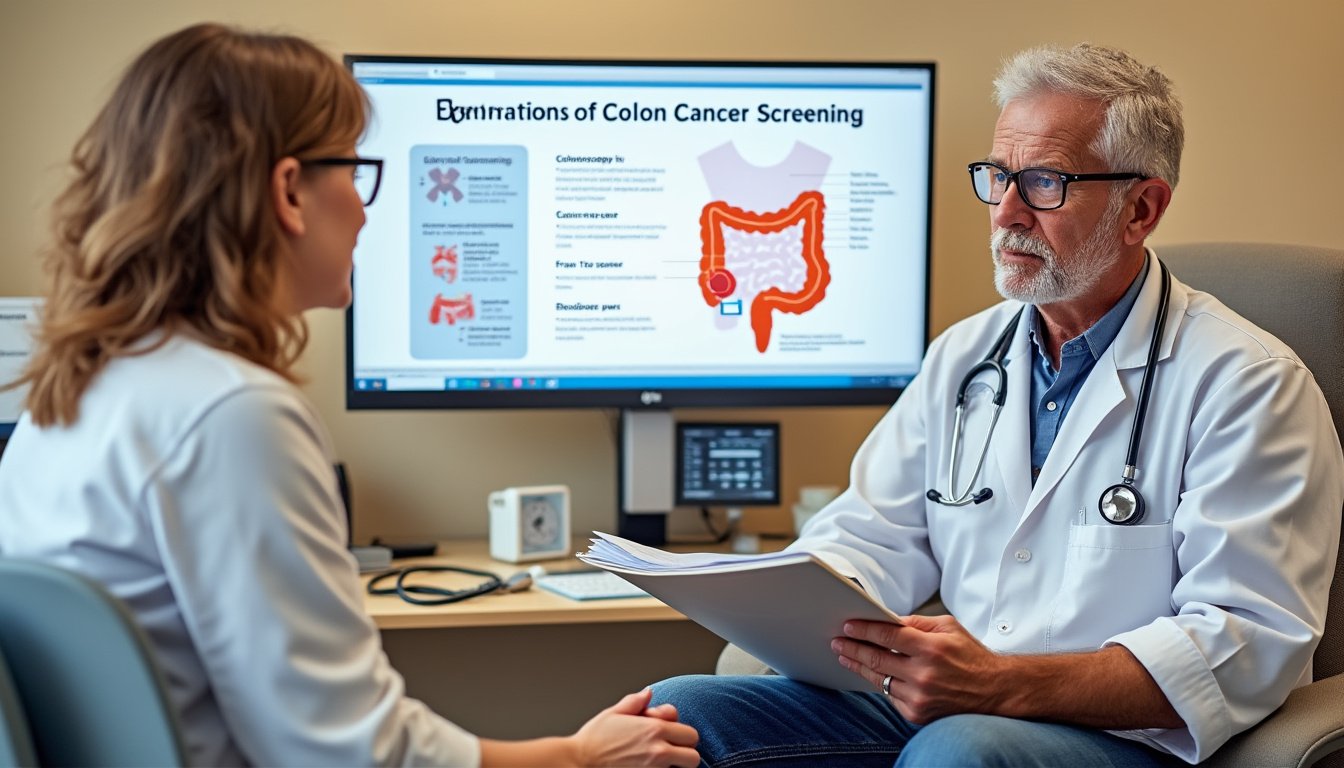
    discover essential cancer screenings recommended for every age group in our comprehensive guide. stay informed and proactive about your health with age-specific screening insights to ensure early detection and better outcomes.

    Other Notable Cancer Screening Tests for Specific Risk Groups

    Beyond the most common screenings, several other tests may benefit certain populations, as recognized by institutions such as the Mayo Clinic and Memorial Sloan Kettering Cancer Center:

    • Lung cancer screening: Recommended for adults 50-80 with significant smoking history, utilizing low-dose CT scans.
    • Prostate cancer screening: Men aged 45-69 should discuss PSA testing with their healthcare provider, with earlier screenings for African American men or those with family history.
    • Oral cancer screening: Performed during dental visits to look for abnormal growths, especially in tobacco users.
    • Skin cancer screening: Annual full-body skin checks by a dermatologist, particularly for individuals with high sun exposure.
    Related Article :  Can exercise lower cancer risk? what the science suggests (and what to do today)

    Although some of these screenings lack conclusive evidence to recommend universally, they are invaluable when personalized risk factors support their use.

    Making Informed Decisions with Your Healthcare Provider

    Choosing the proper cancer screenings involves considering your age, personal risk profile, and current health status. Engaging in discussions with health experts is strongly advised to ensure that necessary screenings are not delayed or overlooked. Resources such as the Prevent Cancer Foundation and University of Chicago Medicine’s guide offer comprehensive, age-specific screening advice aligned with expert recommendations.

    Follow on Google News
    Share. Facebook Twitter LinkedIn Email WhatsApp Reddit Telegram Threads Copy Link
    Previous ArticleHerbal remedies that really work, backed by science
    Next Article What to do in a medical emergency — step by step
    Avatar photo
    Amelie Goujon

    Amélie has been working in the health sector for over 15 years and now serves as an online journalist specializing in healthy living. Her background in healthcare gives her articles a solid foundation of credibility and empathy. Passionate about wellness, nutrition, and prevention, she translates complex medical topics into clear, accessible content for a wide audience. Through her writing, Amélie aims to empower readers to make informed choices and adopt healthier daily habits.

    Continue reading

    How can you stay safe while traveling to Jamaica during Hurricane Melissa?

    By Amelie Goujon

    Roseanne Barr’s Friends Urge Her to Prioritize Health Amidst Concerns

    By FRANK JOST

    Army Grounds Helicopter Crews Following Mysterious Flyover at Kid Rock’s Residence

    By FRANK JOST

    Does the Type of Alcohol You Drink Influence Its Health Risks? Unpacking the Truth Behind Your Favorite Booze

    By FRANK JOST

    Jerry O’Connell Opens Up About Rebecca Romijn’s Surprising Ultimatum

    By FRANK JOST

    2026 Medicare Premium Alert: Here’s the Breakdown of New Deductibles and Part B Costs

    By Frank Jost

    Cardiologist Shares Crucial Three-Word Advice for High Blood Pressure Patients

    By FRANK JOST

    Why Cardiologists Urge a Specialized Heart Scan for Optimal Health After Age 40

    By FRANK JOST

    Hospital Price Tag Reveal: New Federal Law Requires Every Hospital to Post Prices Prominently

    By Frank Jost

    Direct-to-Patient Subsidies: What the White House Move Toward Health Savings Accounts Means for Your 2026 Coverage

    By Frank Jost

    Persistent Migraine: Neurologist-Approved Solution for Instant Anesthetic Relief

    By Amelie Goujon

    The “Plain English” Mandate: New White House Rules Force Insurers to Reveal Denied Claims and Wait Times

    By Frank Jost
    View 1 Comment

    1 Comment

    1. Pingback: Essential cancer screenings for every stage of life

    Leave A Reply Cancel Reply

    Subscribe to Our Newsletter

    Join the Live Well Magazine Newsletter and get exclusive tips on health, wellness, lifestyle, and personal growth — straight to your inbox.

    Trending
    Senior

    Nurturing Your Gut After 50: 7 Essential Habits for Lasting Digestive Wellness

    Health Resources

    What can an infectious disease doctor’s experiences in Kazakhstan and America teach us about global health?

    Health & Safety

    How can you stay safe while traveling to Jamaica during Hurricane Melissa?

    Uncategorized

    Michigan Coach Dusty May Shares Insights on the Final Four and Facing Arizona

    Mental Health

    How can you unlock your brain’s potential and preserve cognitive vitality after 40?

    Health & Safety

    Roseanne Barr’s Friends Urge Her to Prioritize Health Amidst Concerns

    Facebook
    • About us
    • Contact us
    • Contributors
    • Legal
    • Privacy
    © 2026 livewellmagazine.org.

    Type above and press Enter to search. Press Esc to cancel.