
Close Menu
    Follow us on Google News
    Follow Livewell Magazine on Google News
    Facebook X (Twitter) Instagram
    LiveWell Magazine
    Facebook
    Follow LiveWell Magazine on Google News
    • Cancer

      What are the key actions you should take following a mesothelioma diagnosis?

      June 19, 2026

      The “Silent Killer”: 2 Hidden Signs of Pancreatic Cancer You Can Spot Years in Advance

      April 20, 2026

      Barry Manilow Opens Up About Embracing Healthier Lifestyle Choices During His Cancer Battle

      April 8, 2026

      Healthy Dad’s Unexpected Cancer Diagnosis Revealed After Ignoring Nighttime Bathroom Trips: ‘A Heartbreaking Surprise’

      February 22, 2026

      BREAKING NEWS: Gene therapy for sickle cell disease: a medical breakthrough still out of reach for many

      December 29, 2025
    • Fitness

      Unveiling the Science Behind Why Exercise Feels Tough for Many: Insights and Solutions

      June 27, 2026

      How can you revitalize your cardiovascular health with 8 engaging cardio tips for the reluctant fitness enthusiast?

      June 26, 2026

      Easy Habits to Make Your Workouts Feel Effortless

      June 25, 2026

      What are the top 5 strategies to walk faster and torch more calories?

      June 24, 2026

      Which workout reigns supreme in the ultimate fitness challenge?

      June 15, 2026
    • Health

      How to choose a supplement for dizziness and balance problems

      July 10, 2026

      How vestibular supplements work: Science behind balance and dizziness relief

      July 10, 2026

      Causes of vertigo: Common triggers and when to see a doctor

      July 10, 2026

      How to choose a joint supplement: Evidence-based checklist for better mobility

      July 10, 2026

      How collagen, glucosamine and turmeric work to support mobility

      July 10, 2026
    • Lifestyle

      When Good Intentions Go Wrong: Personal Stories of Healthy Habits That Backfired

      July 11, 2026

      Master Gardeners Inspire Healthy Habits Among Young Learners

      July 10, 2026

      How Healthy Eating Habits Can Shield Your Brain from Aging – Insights from CNN

      July 7, 2026

      Habits to Steer Clear of After 5 P.M. for Better Blood Pressure Control

      July 6, 2026

      Tiny Habits That Can Transform Your Well-Being and Boost Your Happiness

      July 5, 2026
    • Nutrition

      Daily Avocado Toast: What Registered Experts Reveal About Its Impact on Your Health

      July 8, 2026

      The Ideal After-Dinner Drink for Managing High Cholesterol

      July 6, 2026

      What are the top 5 scientifically proven drinks to reduce your cholesterol?

      June 26, 2026

      What are the unexpected perks of broccoli for your hormonal harmony?

      June 23, 2026

      Unveiling the Surprising Reason Behind Bloating After Nutritious Meals (Hint: It’s Not Fiber

      June 22, 2026
    • Senior

      Doctors Reveal the Key Mindset Shift That Boosts Health After 65

      July 6, 2026

      How is the rise of telehealth benefiting senior citizens?

      June 4, 2026

      What are the essential approaches for promoting high-quality senior care and independence?

      May 6, 2026

      Nurturing Your Gut After 50: 7 Essential Habits for Lasting Digestive Wellness

      April 3, 2026

      Nourishing Your Golden Years: 10 Essential Nutrition Habits to Promote Healthy Aging and Maintain Independence After 60

      March 27, 2026
    • Trends

      Why is Zhiyin Zhou advocating for a human-centered approach in AI healthcare evolution?

      June 25, 2026

      What are the innovative approaches to autism therapy by psychologist Valeriia Manchuk?

      June 15, 2026

      What are the innovative techniques in permanent makeup for aesthetic and restorative purposes?

      June 2, 2026

      How could the 7 surprising travel trends of 2026 disrupt your wellness plans and how can you navigate them?

      April 15, 2026

      Which innovative skincare trends will shape the industry in 2026 according to Uliana-Sofiia Savchenko?

      April 6, 2026
    • Wellness

      How will new European taxes to combat overtourism affect your travel wellness?

      June 26, 2026

      How could the travel advisory for Nepal amid political turmoil affect your travel wellness?

      June 25, 2026

      How will American Airlines’ new luxury experience impact your travel wellness?

      June 23, 2026

      Mindful Glow: How Meditation Enhances Your Skin’s Natural Radiance – AOL

      June 17, 2026

      Can exploring Europe’s top Christmas markets on vintage espresso trains enhance your holiday wellness?

      June 16, 2026
    Subscribe
    LiveWell Magazine
    Home»Health Resources»Three ways to donate life
    Health Resources

    Three ways to donate life

    FRANK JOSTBy FRANK JOSTNo Comments
    Facebook Twitter Email WhatsApp Pinterest LinkedIn Reddit Telegram Threads
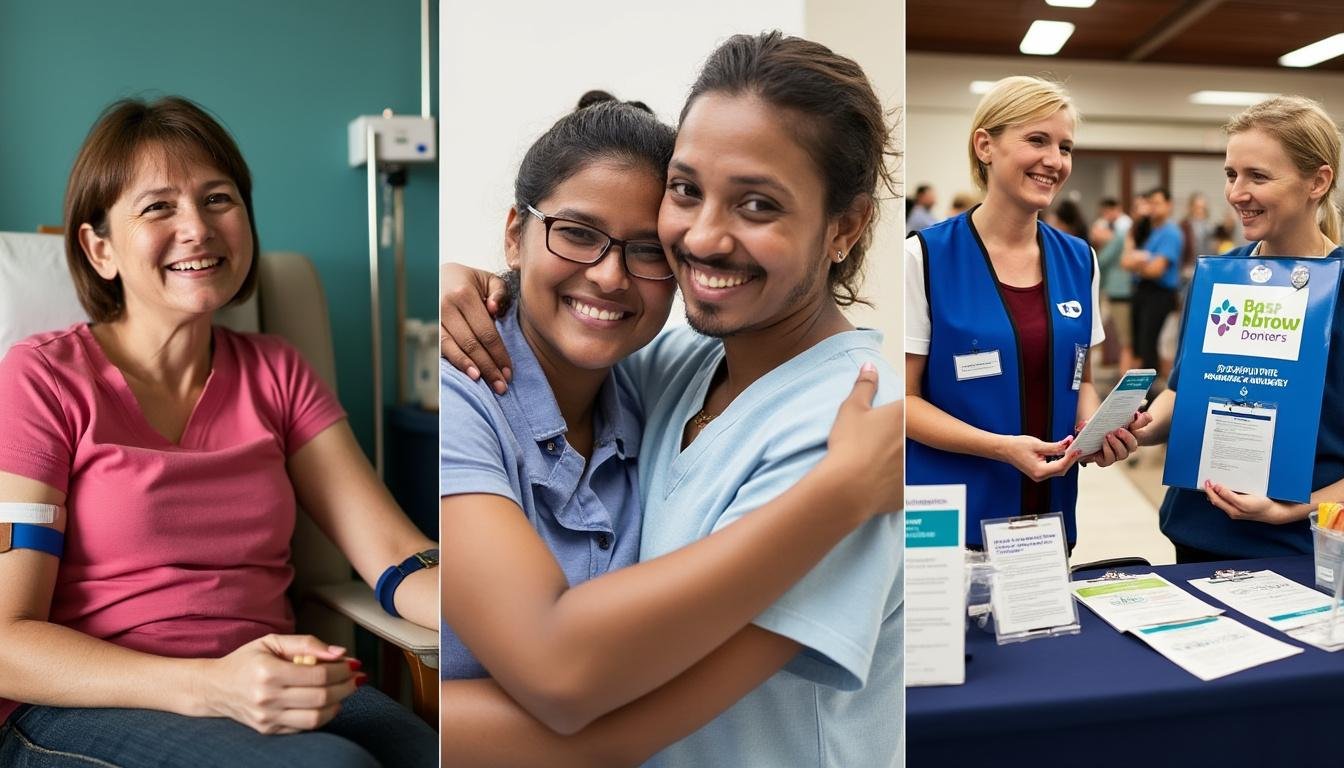
    discover three meaningful ways to donate life and make a real difference in someone's future. learn how your generosity can save lives and inspire hope.
    Share
    Facebook Twitter LinkedIn Email Reddit Telegram WhatsApp Threads

    In 2025, the gift of life through organ, tissue, and living donations remains a profound testament to human kindness and medical advancement. Stories like Anne’s, who after a tragic brain aneurysm, gave hope to multiple lives through her organs and tissues, illustrate the impact of donation. With innovations and national initiatives such as the National Donate Life Living Donor Registry, opportunities to donate have become more accessible, empowering more people to participate in this life-saving journey. Whether through living donation, organ donation at death, or birth tissue donation, the ways to give life are diverse and growing, embodying hope for countless patients worldwide.

    Living Organ Donation: Bridging Lives through Compassionate Choices

    Living donation offers a unique and direct avenue to save lives. A living donor can give a kidney or a portion of their liver, lung, intestine, or pancreas to a patient in need. This type of donation is remarkable not only for its immediacy but also because it benefits both recipients and the broader transplant waiting list by opening subsequent donor opportunities.

    • Directed Donation: Donors can specify the recipient, commonly family members or close friends, ensuring their gift benefits a particular individual.
    • Non-Directed Donation: Donors give altruistically without identifying a specific recipient; allocation is based on medical need and compatibility.
    • Kidney Paired Donation: When the intended donor and recipient are incompatible, donors can swap kidneys with other pairs, increasing transplant success.

    Those considering living donation must be between 18 and 65 years old and in good health. The evaluation process includes physical, psychological, and social considerations to ensure donor safety. Importantly, donors often express a strong sense of fulfillment, with many willing to donate again despite potential risks.

    Related Article :  four essential habits to prevent cognitive decline, according to a new study

    The Emotional and Physical Dimensions of Living Donation

    While living donation is a life-saving gift, it is also a major surgery with risks such as pain, infection, and, albeit rare, serious complications. Psychologically, donors may experience a range of emotions, from pride and satisfaction to anxiety or sadness, especially if the transplant outcome is uncertain.

    • The transplant team provides comprehensive support and education to prepare donors for the journey.
    • Open communication about feelings and risks helps donors make informed and voluntary decisions.
    • Ongoing follow-up care is essential to monitor both physical recovery and emotional well-being.

    Understanding these facets allows donors to engage fully and with confidence in the donation process, contributing to a growing culture of hope and generosity promoted by organizations like DonateLife and BeTheMatch.

    Deceased Organ and Tissue Donation: A Legacy of Life and Vision

    Deceased donation continues to play a critical role in saving lives and restoring health. Through the generosity of donors like Anne and Curt, patients receive life-saving kidneys, hearts, livers, and corneas, among other tissues. One donor can save or enhance the lives of up to eight people, a profound legacy made possible by systems coordinated by OrganDonor.gov and NHS Organ Donation.

    • Organ Donation: Critical organs such as heart, lungs, kidneys, liver, pancreas, and intestines are transplanted to recipients on waiting lists.
    • Eye (Cornea) Donation: Cornea and sclera transplants restore vision for those suffering from eye diseases or injuries.
    • Tissue Donation: Donated tissues help heal wounds, reconstruct damaged areas, and support medical research.

    The transformational impact of deceased donation is celebrated annually, notably at events like the National Donate Life Living Donor Registry launch and Donate Life Living Donor Day, which honor the stories that inspire hope. The ongoing collaboration between organizations such as Donor Alliance, GiveLife, and Anthony Nolan fuels education and donor registration efforts worldwide.

    Related Article :  How to choose a brain-health supplement: a practical buying guide

    Registering as a Deceased Donor: How to Make Your Decision Matter

    Registering as an organ, eye, and tissue donor is a straightforward act that can change lives forever. Many countries now offer centralized registries, such as the National Donate Life Registry in the United States, enabling individuals aged 18-65 to register their intent easily. This can often be done online through platforms linked to OrganDonor.gov or regional equivalents like Transplant Australia.

    • Registrants can simultaneously express interest in living donation, expanding donation possibilities.
    • Family discussions about donation wishes ensure that the donor’s decision is honored.
    • Donor registration supports healthcare professionals in making timely and respectful donation decisions at end-of-life care.

    Participation in donor registries is vital given that thousands remain on waiting lists. Resources and encouragement from groups like LifeShare and NHS Organ Donation work to reduce disparities and promote widespread awareness.

    Birth Tissue Donation: Healing Through Regenerative Potential

    Beyond organ donation, birth tissue donation offers a remarkable source of regenerative materials. After childbirth, tissues such as placenta, amniotic membrane, and umbilical cord tissue can be donated to aid in reconstructive surgeries, treat burns, and promote natural wound healing, without affecting the health of mother or baby.

    • Placenta and amniotic membranes are rich in healing factors beneficial for burn victims and chronic wounds.
    • Umbilical cord tissues and Wharton’s jelly contribute to innovative therapies in tissue engineering.
    • Birth tissue donation is strictly regulated and requires specific authorization, ensuring safety and ethical standards.

    Accredited establishments, overseen by groups like the American Association of Tissue Banks, facilitate this donation type, expanding the Gift of Life beyond traditional transplantation.

    Related Article :  The significance of sustaining healthy habits throughout the year

    Supporting Healthy Communities Through Donation Awareness

    Wider donation initiatives intersect with public health efforts to promote well-being. At the community level, programs combating food insecurity and encouraging healthy lifestyles contribute indirectly to donation readiness by fostering healthier populations. Partnerships and programs featured on platforms such as LiveWell Magazine and combating food insecurity offer models that complement donation advocacy.

    • Healthier donors mean improved surgical outcomes and better recovery prospects.
    • Education on donation is enhanced by integrating community health promotion.
    • Collaborative approaches support the longevity of donation programs globally.
    Follow on Google News
    Share. Facebook Twitter LinkedIn Email WhatsApp Reddit Telegram Threads Copy Link
    Previous ArticleHyperbaric oxygen therapy speeds wound healing
    Next Article Lincoln resident knee replacement story: Gretchen Plotner
    Avatar photo
    FRANK JOST
    • Website

    Frank is a seasoned media consultant for LiveWell Magazine, with over two decades of experience in the digital media landscape. His expertise spans online publishing, audience engagement strategies, and health communication. A recognized expert in mutual health insurance, Frank brings a unique perspective that bridges the gap between public health awareness and digital storytelling. He is passionate about making reliable health information accessible to all, and continues to help readers navigate the complexities of wellness and insurance in the digital age. Frank's Linkedin page

    Continue reading

    How to choose a supplement for dizziness and balance problems

    By Frank Jost

    How vestibular supplements work: Science behind balance and dizziness relief

    By Frank Jost

    Causes of vertigo: Common triggers and when to see a doctor

    By Frank Jost

    How to choose a joint supplement: Evidence-based checklist for better mobility

    By Frank Jost

    How collagen, glucosamine and turmeric work to support mobility

    By Frank Jost

    Managing osteoarthritis naturally: Lifestyle changes that support joint health

    By Frank Jost

    How to choose a vision supplement: Evidence-based tips for buying safely and effectively

    By Frank Jost

    How lutein and zeaxanthin protect the eyes: The science behind macular pigments

    By Frank Jost

    Age-related macular degeneration symptoms: Early signs and when to see an optometrist

    By Frank Jost

    How to choose a safe herbal memory supplement: a buyer’s checklist

    By Frank Jost

    How nootropics and herbal extracts support brain function

    By Frank Jost

    Causes of age-related memory decline and what helps

    By Frank Jost
    Add A Comment
    Leave A Reply Cancel Reply

    Subscribe to Our Newsletter

    Join the Live Well Magazine Newsletter and get exclusive tips on health, wellness, lifestyle, and personal growth — straight to your inbox.

    Trending
    Health Products

    Finessa Review: What the Marketing Won’t Tell You (2026)

    Natural Remedies

    Swollen Feet? This Time-Tested Natural Remedy from Grandma Offers Quick Relief

    Lifestyle & Habits

    When Good Intentions Go Wrong: Personal Stories of Healthy Habits That Backfired

    Natural Remedies

    Nighttime Leg Cramps: 7 Natural Remedies to Soothe Pain and Improve Your Sleep

    The Honest Cardio Slim Tea Review Buyers Are Searching For 2026

    Health & Safety

    This Single Beverage Could Reduce Your Risk of Severe Liver Disease by Almost 50%

    Facebook
    • About us
    • Contact us
    • Contributors
    • Legal
    • Privacy
    © 2026 livewellmagazine.org.

    Type above and press Enter to search. Press Esc to cancel.